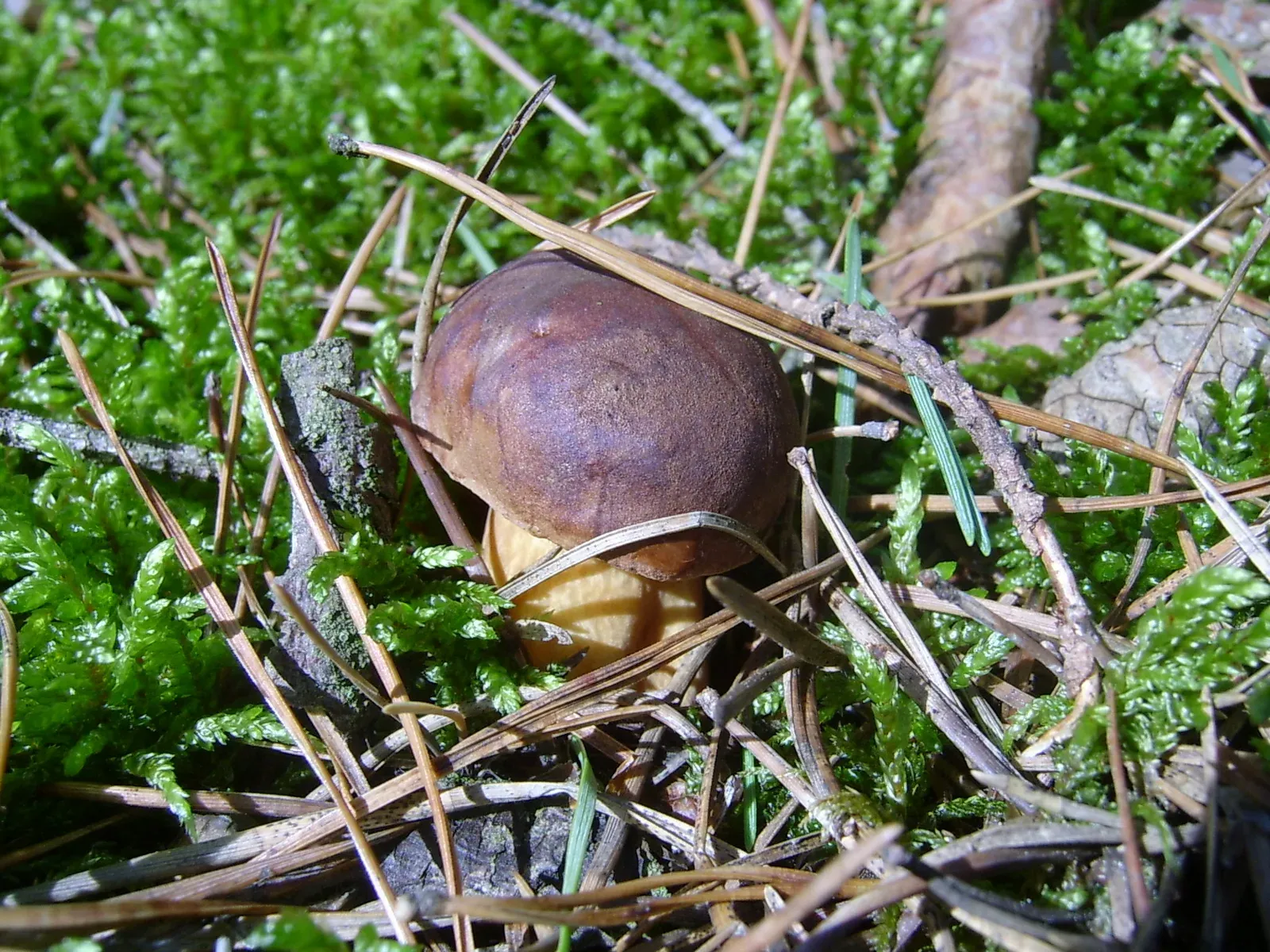
The bay bolete is a tasty, abundant autumn bolete, but beginners often hesitate: is it a porcini, a Xerocomus, or maybe a bitter lookalike? Luckily, the bay bolete has a reliable “signature” — it bruises blue when cut — and its lookalikes aren’t poisonous. The main thing is not to confuse it with the bitter bolete, so you don’t ruin your dish.
Let’s look at what the bay bolete gets confused with and how to recognize it without a doubt.
Bay bolete and porcini
These two get confused most often because of their similar brown caps.
- The bay bolete bruises blue when cut; its stem is light brown with no net.
- Porcini doesn’t turn blue; its stem has a pale net.
More details in our article how the bay bolete differs from porcini. Both are edible, so this mistake isn’t dangerous — if anything, it’s a pleasant one.
Bay bolete and Xerocomus boletes
The bay bolete is a close relative of the Xerocomus boletes, and they’re easy to mix up.
- The bay bolete is larger and meatier, with a darker cap, and bruises a brighter blue.
- A Xerocomus bolete is smaller, often with a cracked cap.
We’ve written separately about the resemblance between Xerocomus ferrugineus and the bay bolete; both are edible.
The danger: the bitter bolete
The main annoying impostor is the bitter bolete (Tylopilus felleus).
- The bitter bolete’s tube layer turns pink, while in the bay bolete it is yellowish-greenish and bruises blue when pressed.
- The bitter bolete tastes bitter, while the bay bolete tastes pleasant.
The bitter bolete isn’t poisonous, but even one mushroom spoils a whole dish with its bitterness. Read about the bitter bolete in a separate article.
How to recognize a bay bolete
- The flesh bruises blue when cut — the key sign.
- The tube layer is yellowish-greenish and bruises blue when pressed (it doesn’t turn pink).
- The stem is light brown, with no net.
- The taste is pleasant, with no bitterness.
Read about when and where the bay bolete grows in our separate article.
Sources
- “Key to the Fungi of Ukraine” (Kyiv, Naukova Dumka publishing house).
- Imleria badia in GBIF, the Global Biodiversity Information Facility.
- Imleria badia in MycoBank, the international fungal nomenclature database.
- Imleria badia on Wikipedia.
Frequently asked questions
What does the bay bolete get confused with?
Most often with porcini and Xerocomus boletes (both edible), and also with the bitter bolete, which ruins a dish. The bay bolete has no poisonous lookalikes.
How do you tell a bay bolete from porcini?
The bay bolete bruises blue when cut and has a smooth stem with no net; porcini doesn’t turn blue and has a pale net on the stem.
How do you tell a bay bolete from the bitter bolete?
In the bay bolete the tube layer bruises blue when pressed and the taste is pleasant, while in the bitter bolete the tube layer turns pink and the taste is bitter. The bitter bolete ruins a dish.
Are the bay bolete’s lookalikes poisonous?
No. Porcini and Xerocomus boletes are edible, and the bitter bolete isn’t poisonous, just very bitter. The bay bolete has no deadly lookalikes.
Why does the bay bolete turn blue when cut?
It’s a natural reaction of the flesh to air — a reliable sign of the bay bolete specifically, and it’s safe to eat.
How does the bay bolete differ from a Xerocomus bolete?
The bay bolete is larger and meatier, with a darker cap and brighter blue bruising; a Xerocomus is smaller, often with a cracked cap.
Can you eat a bay bolete that has turned blue?
Yes, blue bruising is normal for the bay bolete. It stays tasty and safe.
How do you avoid bringing home a bitter bolete instead of a bay bolete?
Look at the tube layer: pink means bitter bolete; yellowish-greenish with blue bruising means bay bolete. If in doubt, taste a crumb (and spit it out): bitterness gives away the bitter bolete.
Mushrooms in this article
Related articles
 Science & taxonomy
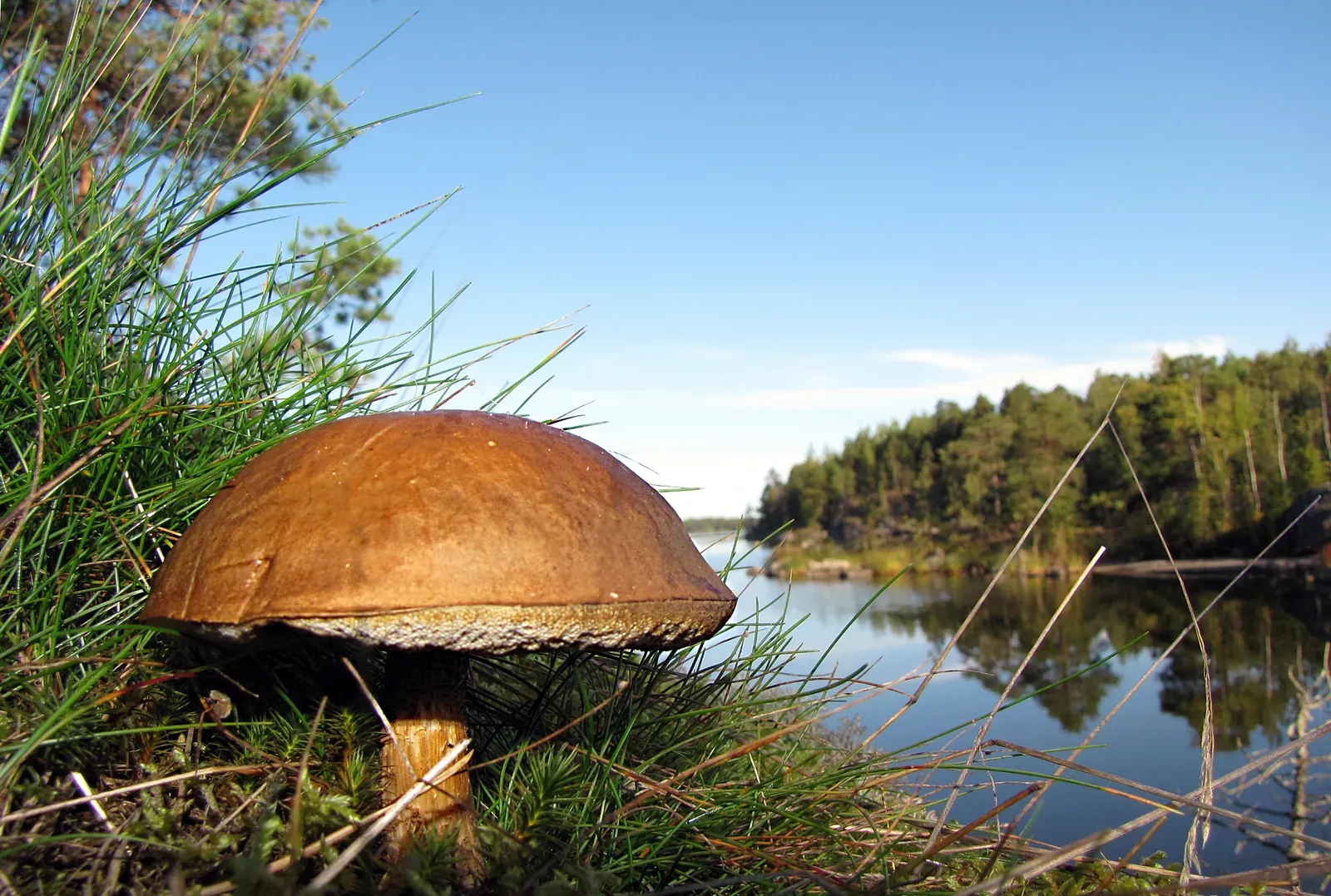
Bay bolete: health benefits and nutritional value
The bay bolete is a match for porcini in both flavor and nutrition. Here's why the bay bolete is good for you,…
August 20, 2026·2 min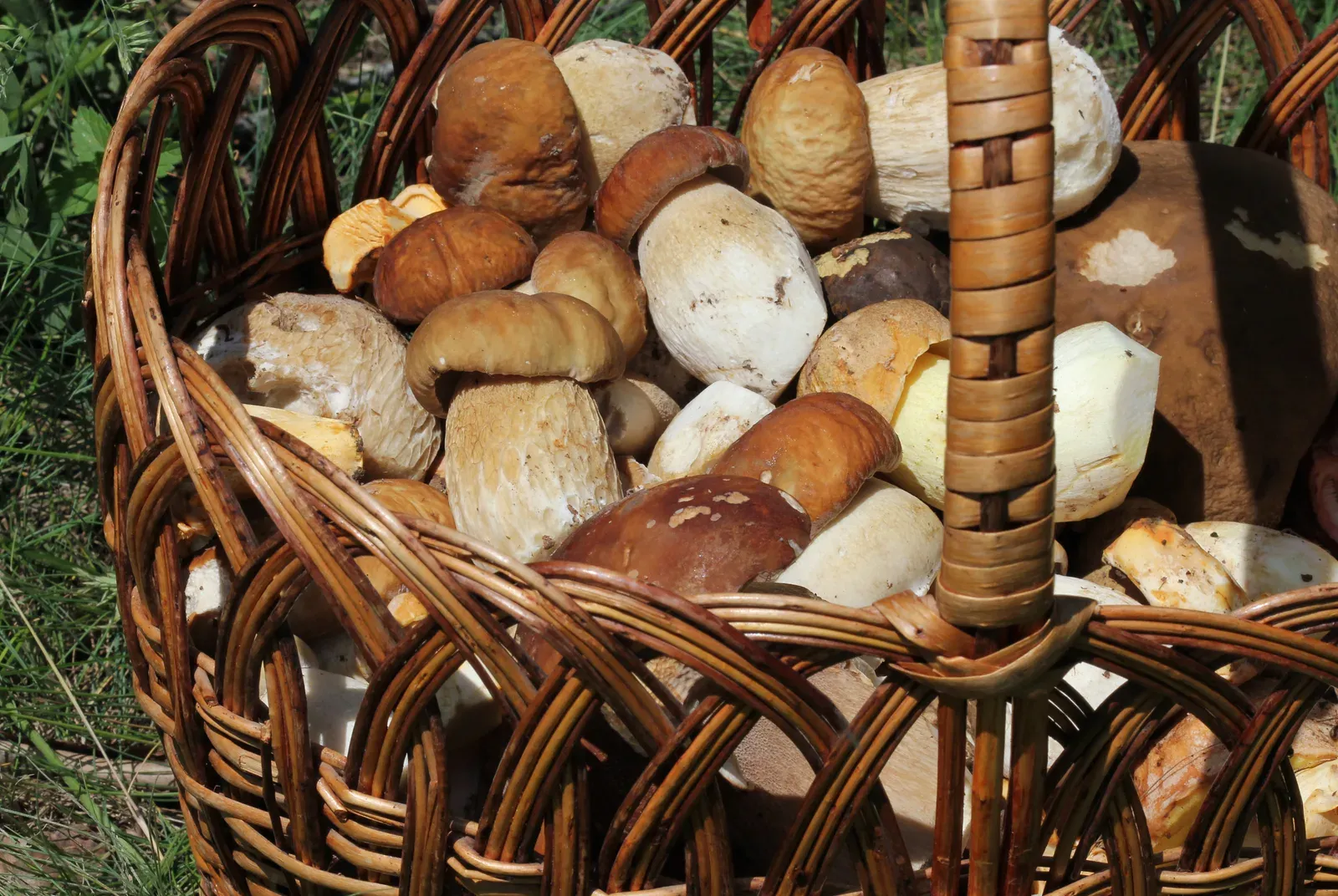 Recipes & cooking
How to store fresh mushrooms, and for how long
Fresh mushrooms spoil faster than you might think. Here's how long they keep in the fridge, how to store them…
August 21, 2026·4 min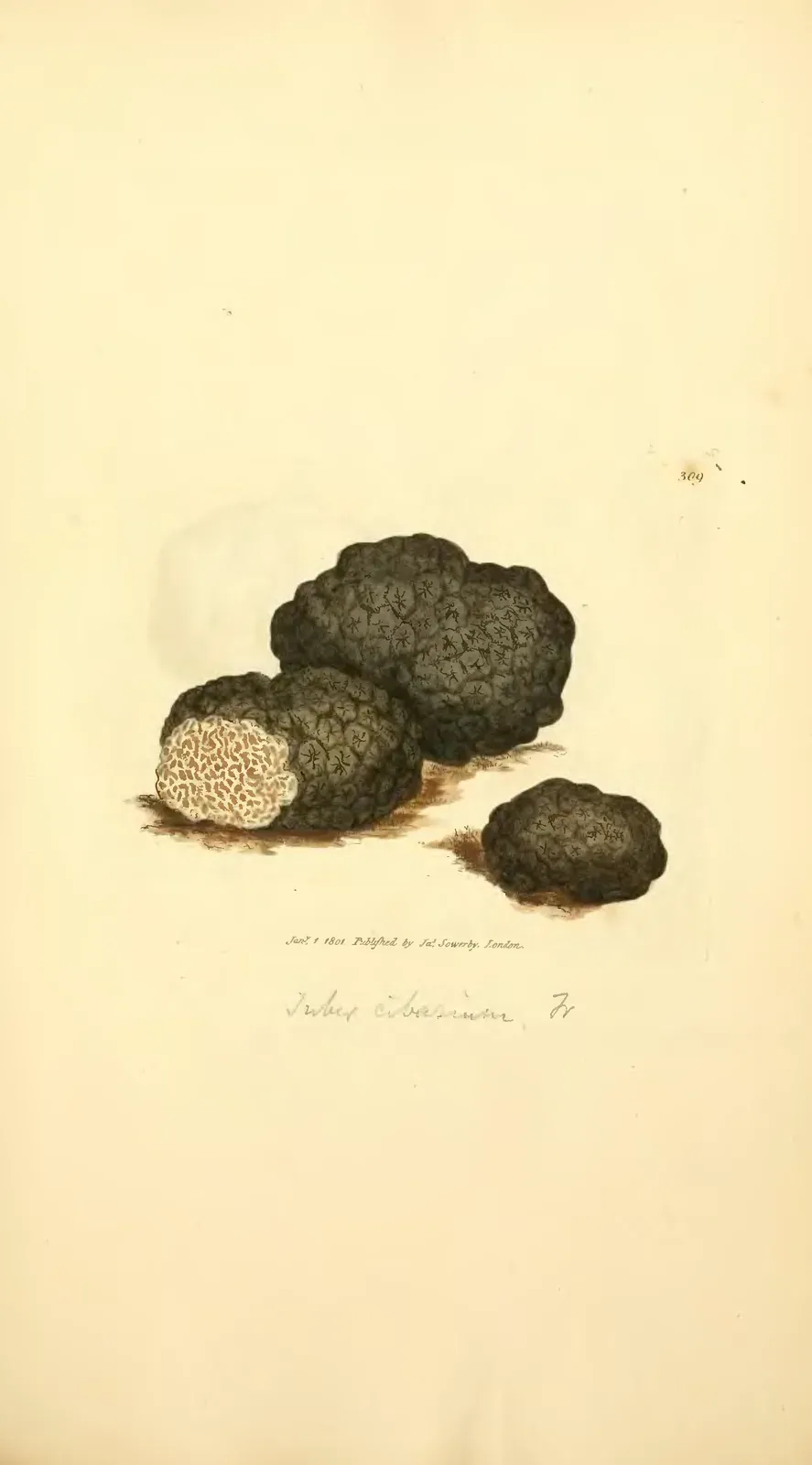 How to identify
Truffles in Ukraine: do they grow here, and where to look
Truffles aren't just a French delicacy. Several species grow in Ukraine too. Here's which ones, where they occ…
August 24, 2026·2 min