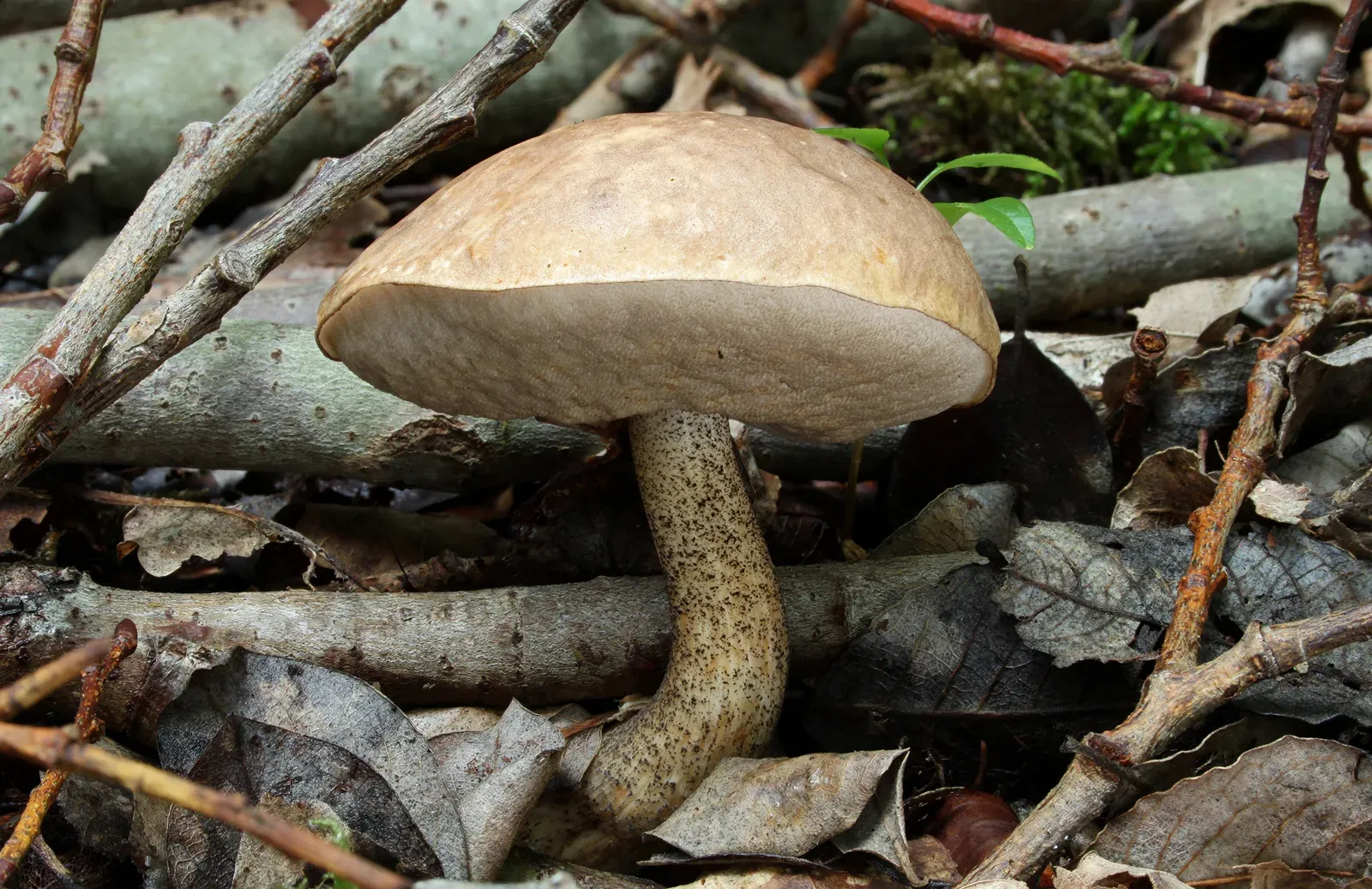
Ask an old forager what he brought back from the forest, and you'll often hear: “Oh, I picked some babkas.” This isn't some rare mushroom, but the perfectly ordinary brown birch bolete (Leccinum scabrum), one of the most common and best-loved mushrooms in Ukraine's forests.
“Babka” is an affectionate folk name that has taken root in many regions. Let's look at what this mushroom is, what it looks like, where to find it, when to pick it, and where this warm nickname came from.
Why the brown birch bolete is called babka
The brown birch bolete has many folk names: babka, berezovyk, obabok, pidberezovyk, black mushroom. Every region has its own word, but the tenderest of them is “babka.”
There's no exact explanation, but foragers agree on a few theories. According to one, the mushroom got its name from its plain, modest look: grayish, simple, “granny-like.” According to another, it's because the birch bolete often grows in clusters, like a few grannies gathered for a chat at the forest edge.
Either way, the name stuck and sounds warm. The babka is an unpretentious mushroom, but a reliable one, familiar since childhood.
What kind of mushroom it is
The brown birch bolete belongs to the scaber stalk genus (Leccinum), a close relative of porcini. It's a pored mushroom: under its cap there are no gills, but a spongy layer of tiny tubes.
Its main features are:
- cap from gray to dark brown, hemispherical when young, later cushion-shaped;
- pore surface whitish or grayish, getting dingier with age;
- stem long, slender, white, covered in characteristic dark scales, like pencil strokes;
- flesh white, barely changing color when cut or turning slightly gray.
The scales on the stem and the link with birch are the most reliable features, and they make the babka easy to recognize even for a beginner.
Where and when the brown birch bolete grows
The mushroom's name speaks for itself: the birch bolete lives wherever there's birch. It's linked to this tree through mycorrhiza, meaning it lives in a mutually beneficial partnership with its roots.
Look for the brown birch bolete:
- in deciduous forests and birch groves;
- in mixed forests, where birch grows alongside pine and aspen;
- on bright forest edges, in clearings, along forest roads, and even in young plantings.
The brown birch bolete season is long, from June to October. The first mushrooms appear as the dog rose blooms, and the most generous flushes come in the second half of summer and early autumn, especially after warm rains.
What kinds of babka are there
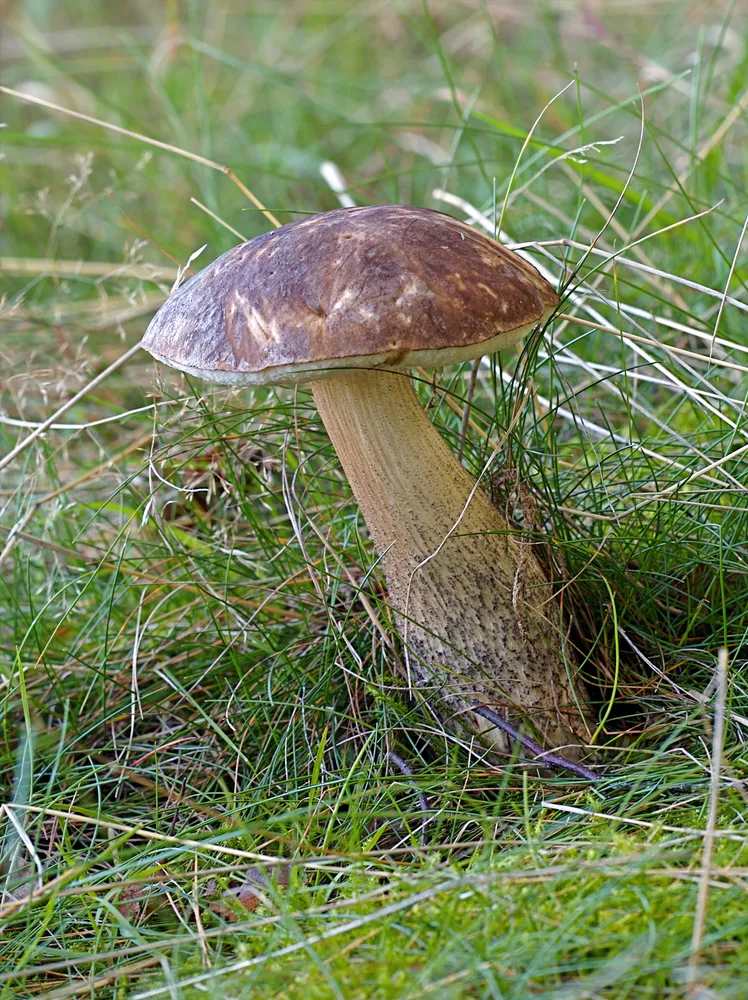
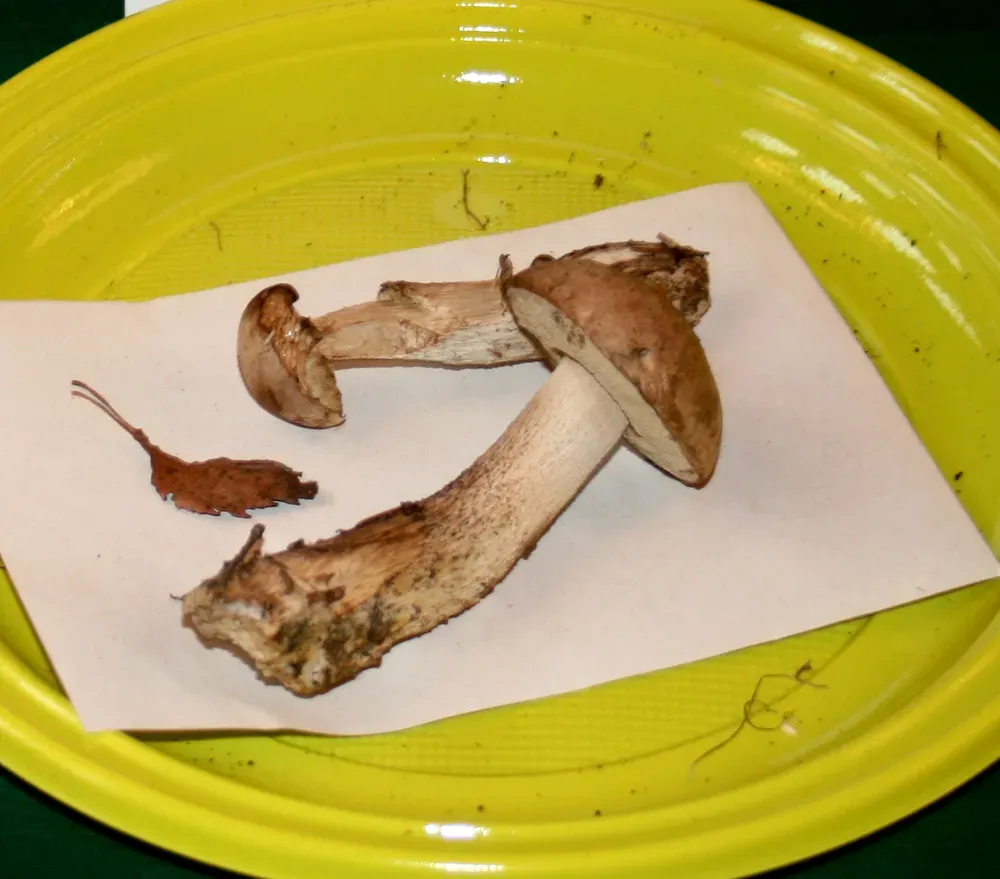
“Babka” isn't one mushroom but a whole family of similar birch boletes. There are several of them in Ukraine's forests, and all of them are edible.
- brown birch bolete the most common, with a gray-brown cap;
- ghost bolete pale, almost white, a dweller of damp places;
- mottled bolete with a variable, mottled cap.
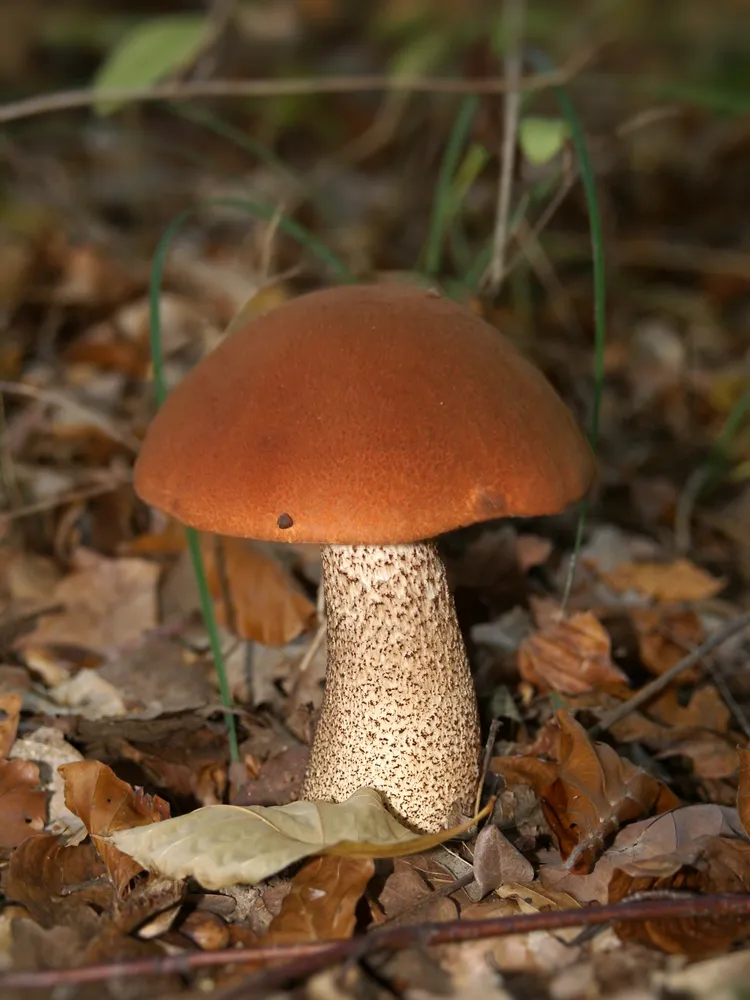
A close relative of the babka is the red-capped scaber stalk, or orange aspen bolete, which grows under aspen and has a bright orange-red cap. It's usually set apart, but picked just as eagerly.
Is the brown birch bolete tasty?
The brown birch bolete is a good edible mushroom, though less firm than porcini. Young birch boletes are springy and aromatic; they're fried, boiled, pickled, and dried.
There's one catch: with age, the flesh becomes spongy and watery, and the mushroom noticeably darkens during cooking. That's why young, firm specimens with still-pale pores are the ones taken for the table.
Old brown birch boletes with sagging dark pores are better left in the forest: they're of little use, and worms love them. A young one, on the other hand, is a wonderful base for fried potatoes, mushroom soup, or winter preserves.
How not to confuse the brown birch bolete with a dangerous mushroom
The brown birch bolete is one of the mushrooms people rarely get wrong, but vigilance is never wasted.
The main lookalike of the brown birch bolete is the bitter bolete, also called the gall bolete. It also has a netted or scaly-looking stem, but it differs in its bitter taste, pinkish pore surface, and dark network on the stem. There's no poison in it, but even one bitter bolete can ruin a whole dish with its bitterness.
Instead of guessing the weather at random, head into the forest right when the birch boletes are coming up by using our mushroom radar: it shows when moisture and warmth line up well for mushrooms to appear.
Sources
- “Identification Guide to the Fungi of Ukraine” (Kyiv, Naukova Dumka publishing house).
- Leccinum scabrum on GBIF, a global biodiversity database.
- Leccinum on MycoBank, the international fungal nomenclature database.
- Leccinum scabrum on Wikipedia.
Frequently asked questions
What is the babka mushroom?
“Babka” is the Ukrainian folk name for the (Leccinum scabrum), a common pored mushroom that grows under birches. It has a gray-brown cap, a white stem with dark scales, and white flesh.
Why is the brown birch bolete called babka?
There's no exact answer. One theory points to its modest grayish look, another to the fact that the mushroom often grows in clusters, like a few grannies gathered for a chat. The name stuck as an affectionate folk nickname.
What does the brown birch bolete look like?
The cap ranges from gray to dark brown, underneath there's a spongy pore layer, and the stem is long and white with characteristic dark scales. The flesh is white and barely changes color when cut.
Where does the brown birch bolete grow?
Under birches in and , on forest edges, in clearings, along roads, and in young plantings. The mushroom is linked to birch through mycorrhiza, so it's almost never found away from it.
When should you pick brown birch boletes?
The season runs from June to October. The first mushrooms come up as the dog rose blooms, and the most abundant flushes are in the second half of summer and early autumn, especially after warm rains.
Is the brown birch bolete edible?
Yes, the brown birch bolete is a good edible mushroom. Young ones are fried, boiled, pickled, and dried. Old specimens with spongy, watery flesh are better left alone.
Can you confuse the brown birch bolete with a poisonous mushroom?
The brown birch bolete has no deadly poisonous lookalikes. The most dangerous similar mushroom is the , unbearably bitter but not poisonous. You can recognize it by its bitterness, pink pore surface, and dark network on the stem.
How does the brown birch bolete differ from the red-capped scaber stalk?
grows under birch and has a gray-brown cap, while the lives under aspen and has a bright orange-red cap and firmer flesh. Both are edible and belong to the scaber stalk genus (Leccinum).
Why does the brown birch bolete darken during cooking?
It's a natural property of the birch bolete's flesh: it darkens on contact with air and heat. This doesn't affect taste or safety. To keep the mushrooms from darkening as much, cook them fresh and young.
Mushrooms in this article
Related articles
 How to identify
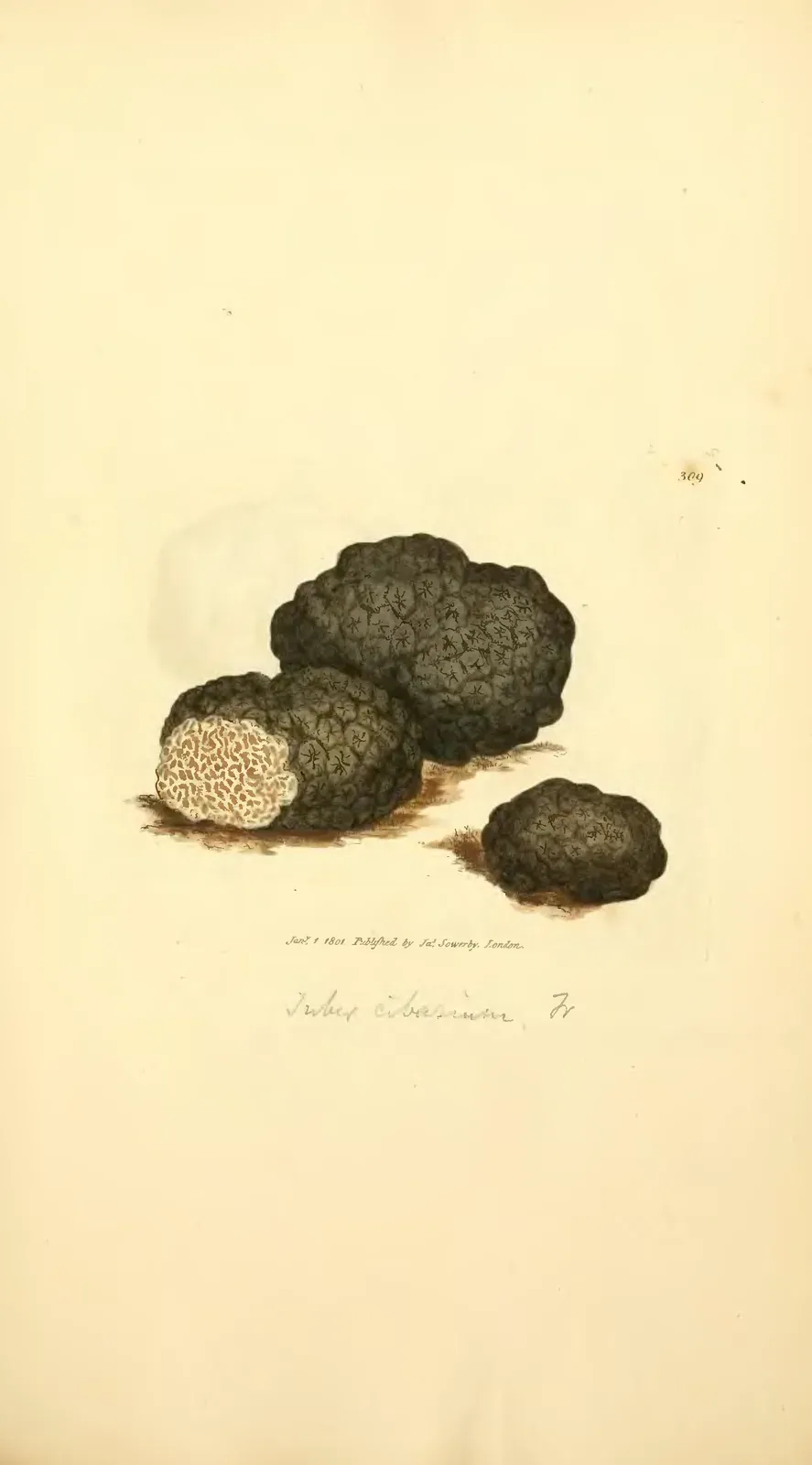
Truffles in Ukraine: do they grow here, and where to look
Truffles aren't just a French delicacy. Several species grow in Ukraine too. Here's which ones, where they occ…
August 24, 2026·2 min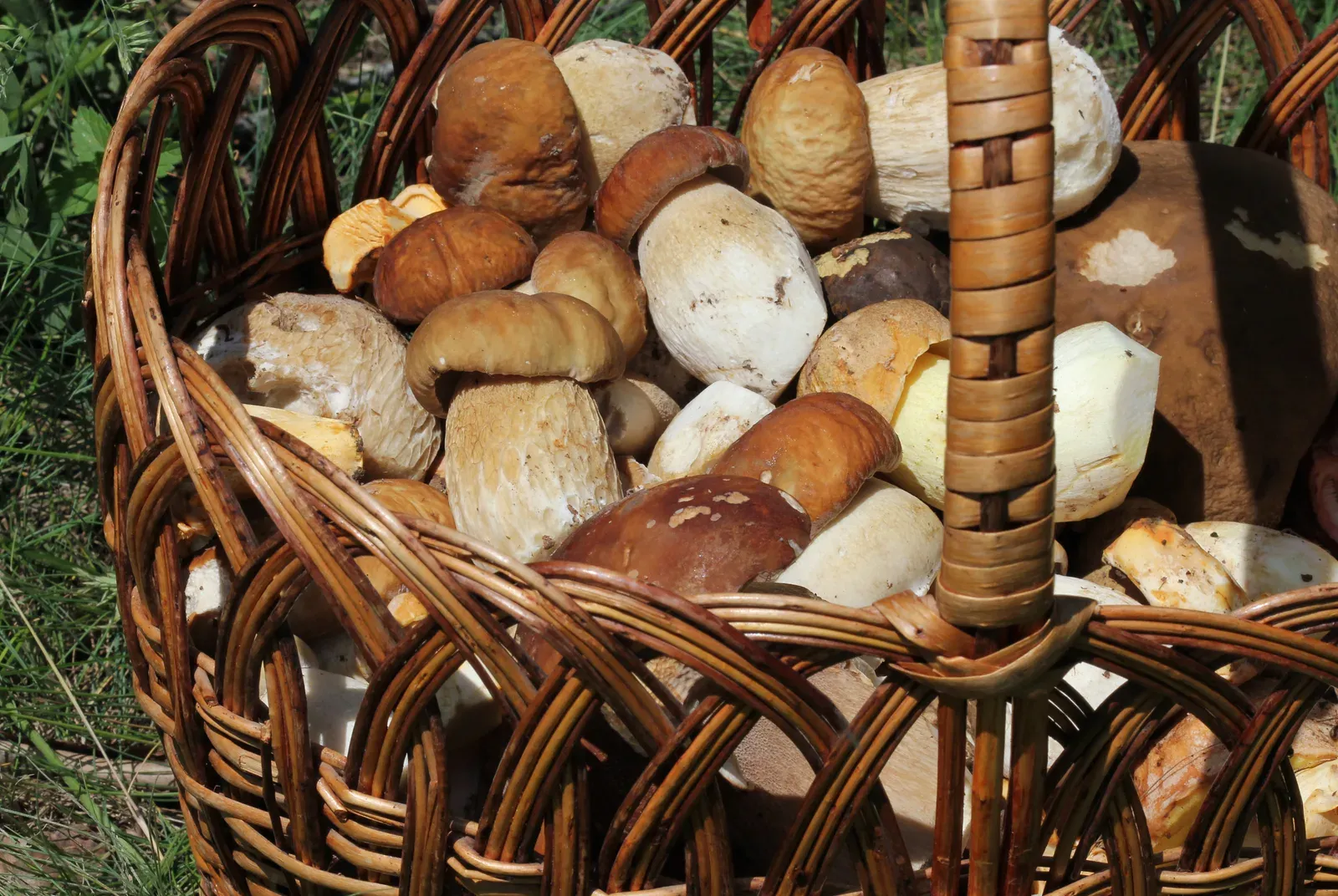 Recipes & cooking
How to store fresh mushrooms, and for how long
Fresh mushrooms spoil faster than you might think. Here's how long they keep in the fridge, how to store them…
August 21, 2026·4 min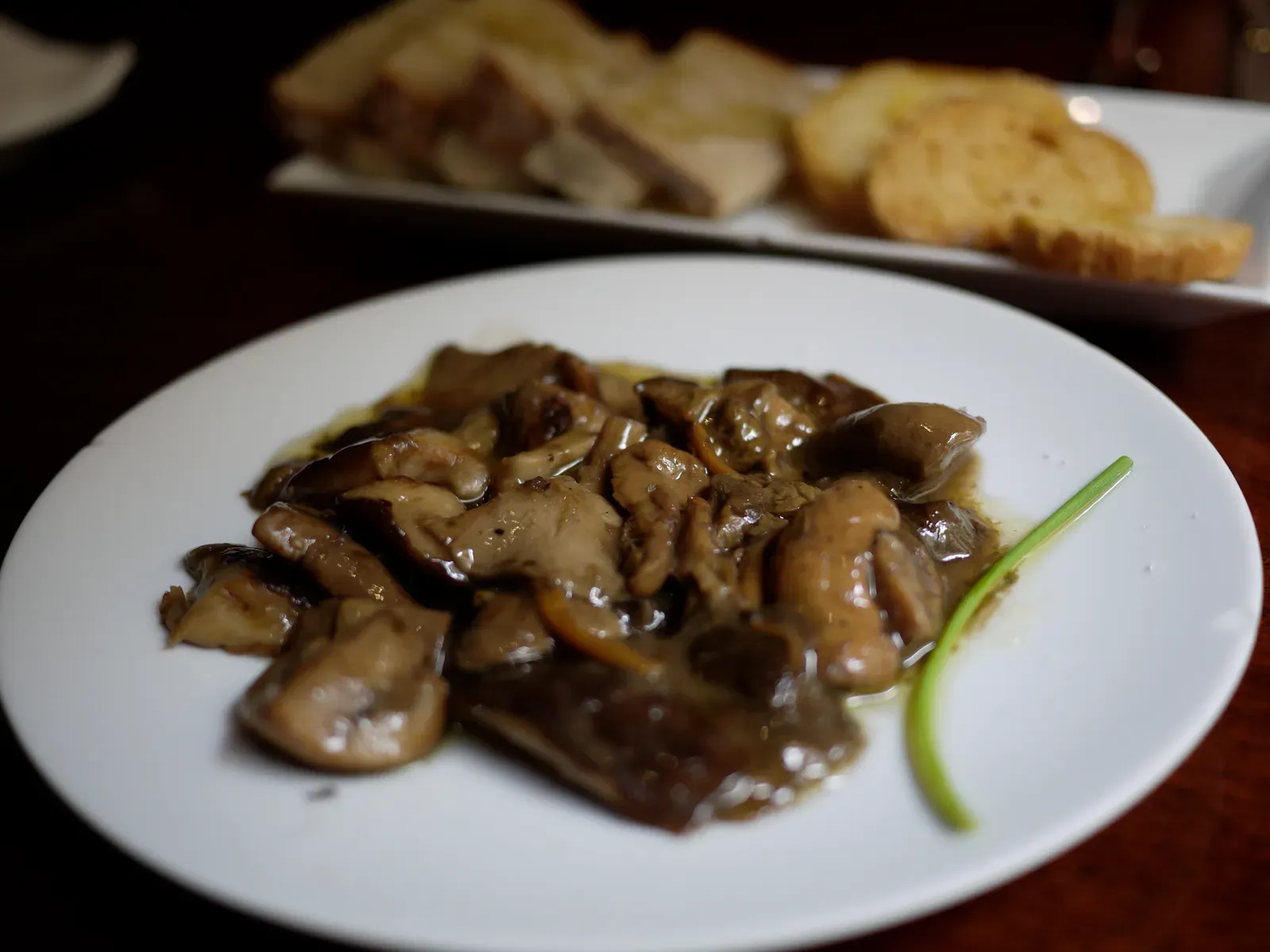 Recipes & cooking
How long to boil mushrooms
Boiling time depends on the type of mushroom and on what you're cooking next. Here's a clear cheat sheet: how…
August 22, 2026·4 min