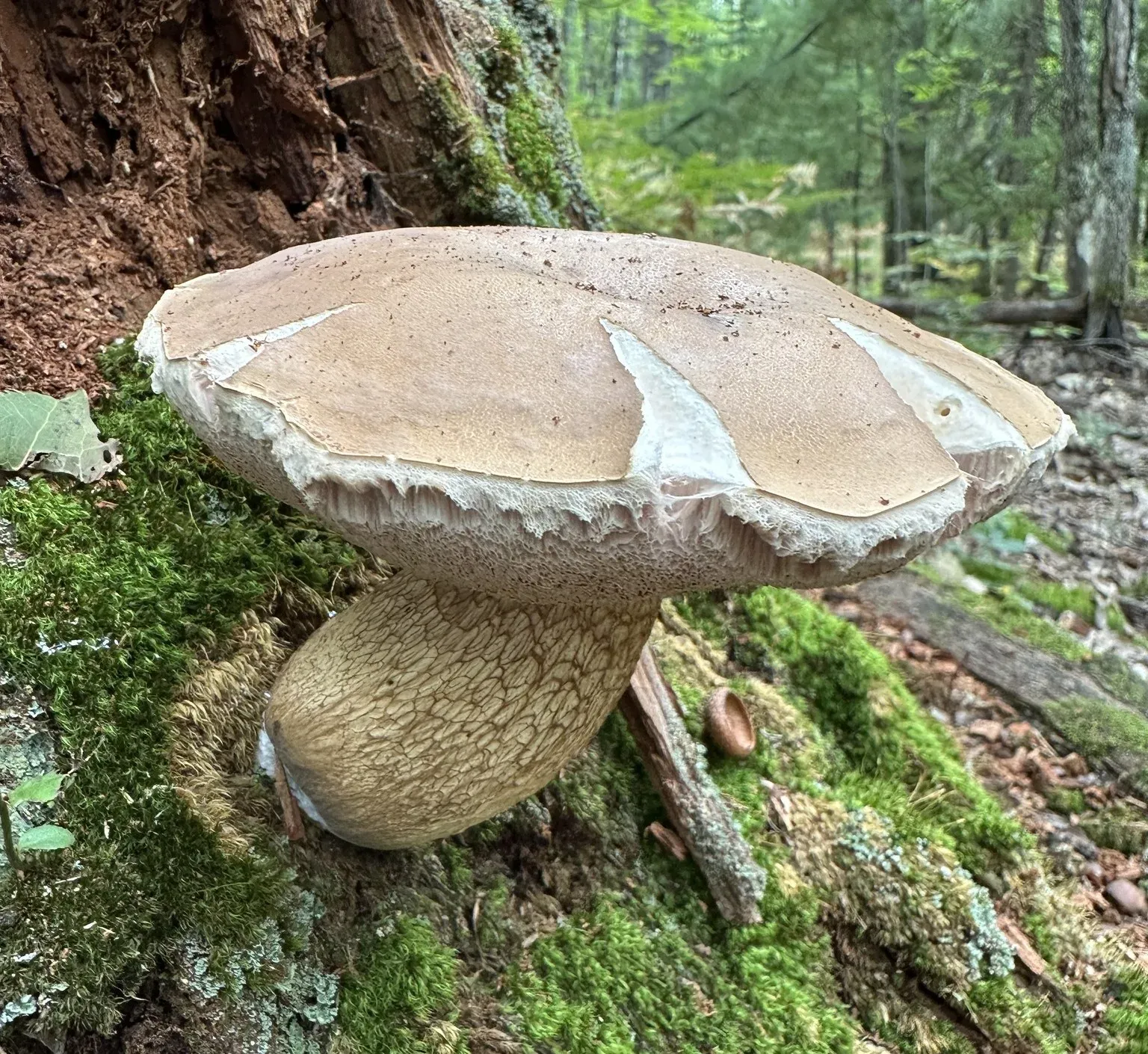
June brings the first boletes, and along with them come look-alikes that an inexperienced forager can easily stumble upon. The two most common are the bitter bolete, which ruins a dish, and the so-called “synyaks” (“bruisers”), which scare people by turning blue when cut. Anyone who picks pored mushrooms should know them.
Let's see how not to confuse the summer bolete with the bitter bolete, what really hides behind the word “synyak”, and which signs reveal genuine danger.
The bitter bolete: porcini's bitter look-alike
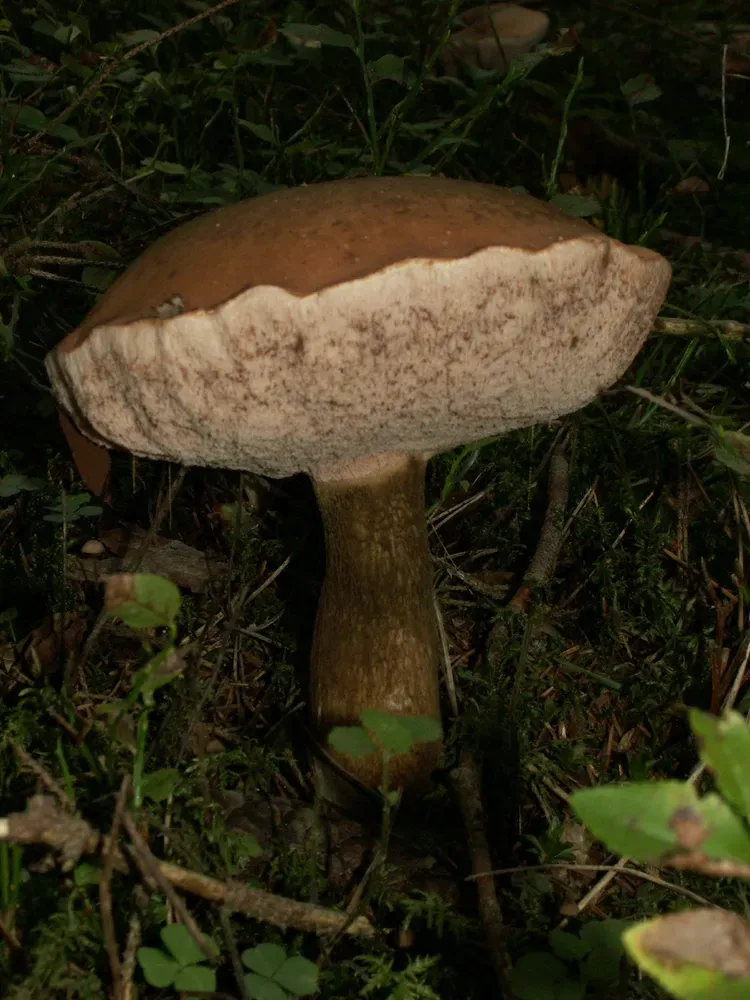
The trickiest look-alike of porcini is the bitter bolete. It isn't poisonous, but it's so bitter that a single mushroom can ruin a whole frying pan or pot. That's why telling them apart is extremely important.
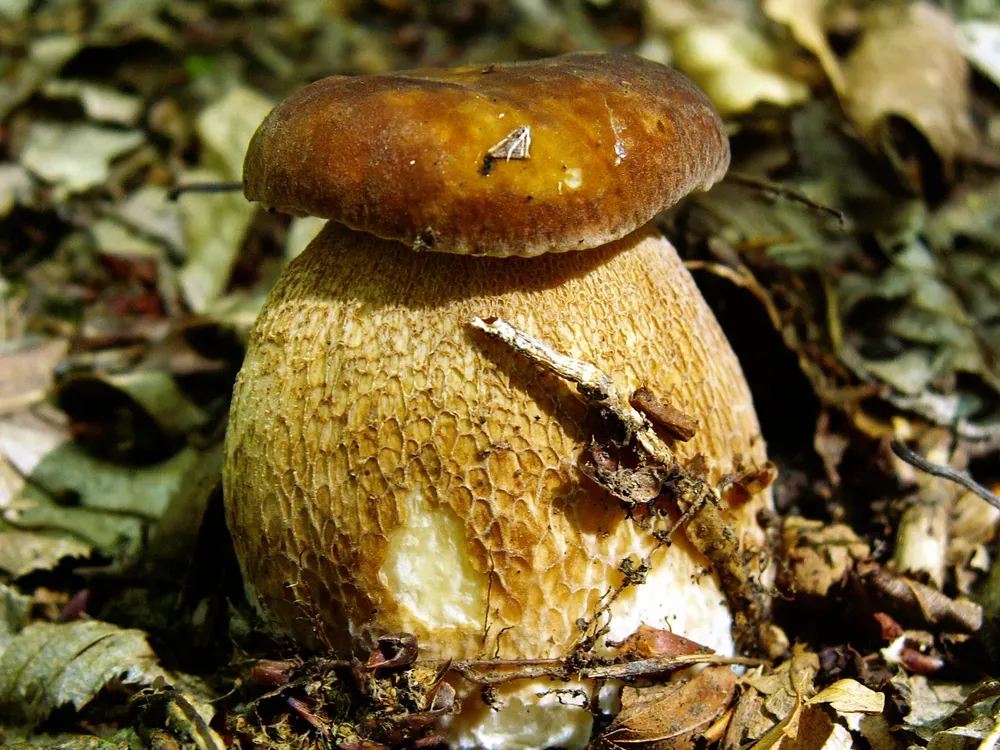
The bitter bolete looks a lot like a young porcini, but it gives itself away with a few signs:
- The tube layer. In the bitter bolete it turns pink with age, while in porcini it stays white and then becomes yellowish-greenish.
- The net on the stem. The bitter bolete has a dark, brown, clearly visible net; porcini's, on the contrary, is pale.
- Taste. The most reliable test. A crumb of bitter bolete flesh on your tongue is sharply bitter. The summer bolete always has a pleasant nutty taste with no bitterness.
If you have the slightest doubt, break the mushroom and touch a crumb of the flesh with your tongue without swallowing. The bitterness will give the bitter bolete away at once.
“Synyak”: what hides behind this name
The word “synyak” (“bruiser”) scares beginners, but it's actually a folk name in Ukraine for several boletes that turn strongly blue when cut. The bluing itself is harmless; it's just ordinary oxidation of the flesh in the air.
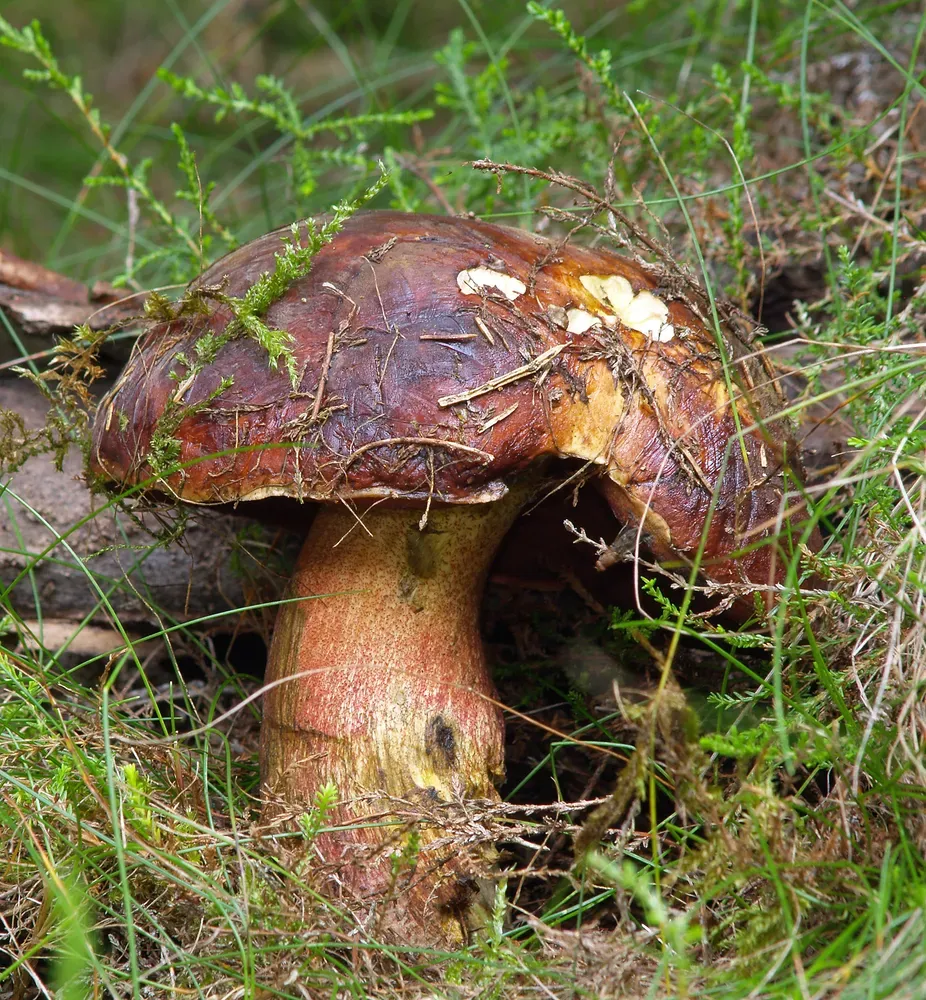
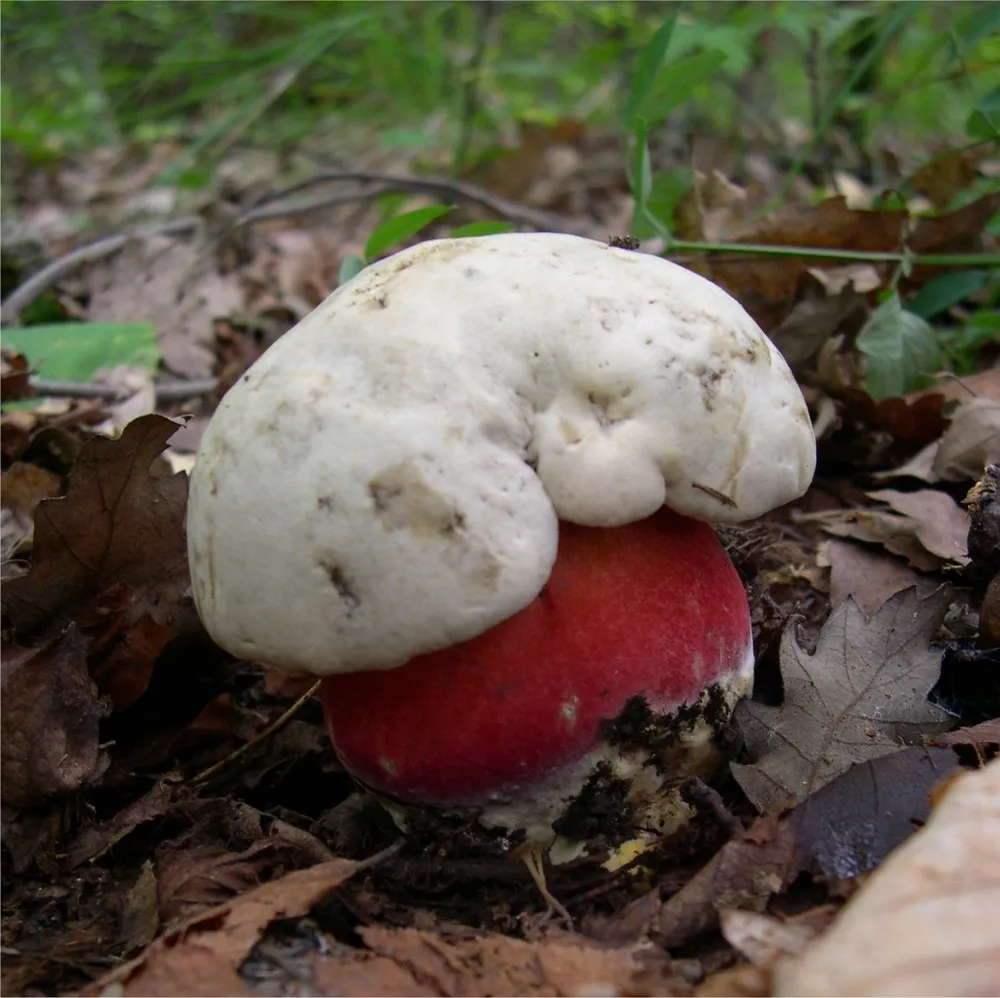
Among the “synyaks” there are excellent edible mushrooms, and there are those that call for caution. Most often the name refers to the scarletina bolete with red pores, which is edible only after thorough boiling. We covered the whole trio in detail in our article on which boletes hide behind the name “synyak”.
The main thing to remember: bluing by itself does not mean poison. You can't go by the color of the cut alone, because both edible and dangerous mushrooms turn blue.
What to look at instead of the color of the cut
Real danger is revealed not by bluing but by entirely different signs. Pay special attention to boletes with red pores.
- Red or orange pores. A reason for caution. Among the red-pored boletes there's also the poisonous Devil's bolete.
- A red net on the stem. A red net pattern is a warning sign. The edible scarletina bolete has a dotted stem, not a netted one.
- A bitter or burning taste. A bad sign in any bolete.
- An unpleasant smell. Chemical or rotten notes are a reason to pass on the mushroom.
So remember: bitterness gives away the bitter bolete, and red pores with a net, a dangerous bolete. Bluing of the cut alone is no evidence of poison.
A simple safety rule for June
To avoid mistakes with the first summer boletes, stick to a few habits.
- Check the taste. A crumb of flesh on your tongue instantly exposes the bitter bolete.
- Look at the pores. White or yellow, good; bright red, take a closer look.
- Don't eat them raw; even when tasting, don't swallow. Tasted a crumb? Spit it out.
- When in doubt, leave it out. An unfamiliar or suspicious mushroom is better left in the forest.
Foraging is a joy when you're sure of every mushroom. And when it's time to head out for the first boletes, check the mushroom radar.
Sources
- “Key to the Fungi of Ukraine” (Kyiv, Naukova Dumka publishing house).
- Tylopilus felleus in GBIF, the global biodiversity database.
- Boletaceae in MycoBank, the international fungal nomenclature database.
- Tylopilus felleus on Wikipedia).
Frequently asked questions
How do you tell porcini from the bitter bolete?
Check the tube layer, the net, and the taste. In , the tube layer turns pink, the net on the stem is dark, and a crumb of flesh is sharply bitter. In , the pores are pale, the net is pale, and the taste is nutty with no bitterness.
Is the bitter bolete poisonous?
No, the bitter bolete isn't poisonous, but it's very bitter. A single one can ruin a whole dish, so people avoid it and carefully tell it apart from porcini.
What is a “synyak”?
It's a Ukrainian folk name for several boletes that turn strongly blue when cut. We cover them in detail in our article on .
Is it dangerous if a mushroom turns blue when cut?
The bluing itself is harmless; it's just ordinary oxidation of the flesh in the air. Danger is revealed not by bluing but by red pores, bitterness, or an unpleasant smell.
How do you tell an edible bolete from a poisonous one?
Look at all the signs together: pale pores and a pleasant smell are good, while bright red pores with a red net on the stem are a reason to be wary and leave the mushroom.
Can you taste a mushroom to check it?
You can hold a crumb of flesh on your tongue without swallowing, then spit it out. That's how people check for bitterness and burning heat. Never swallow a raw mushroom.
Which red-pored bolete is the most dangerous?
, a poisonous bolete with a whitish-gray cap, red pores, and a red net on the stem. It must not be confused with the edible red-pored species.
Are look-alikes common in June?
Yes, the bitter bolete and red-pored boletes appear together with the first boletes. So from the start of the season, check the features of every mushroom and don't take doubtful ones.
Mushrooms in this article
Related articles
 How to identify
Truffles in Ukraine: do they grow here, and where to look
Truffles aren't just a French delicacy. Several species grow in Ukraine too. Here's which ones, where they occ…
August 24, 2026·2 min Recipes & cooking
How to store fresh mushrooms, and for how long
Fresh mushrooms spoil faster than you might think. Here's how long they keep in the fridge, how to store them…
August 21, 2026·4 min Recipes & cooking
How long to boil mushrooms
Boiling time depends on the type of mushroom and on what you're cooking next. Here's a clear cheat sheet: how…
August 22, 2026·4 min