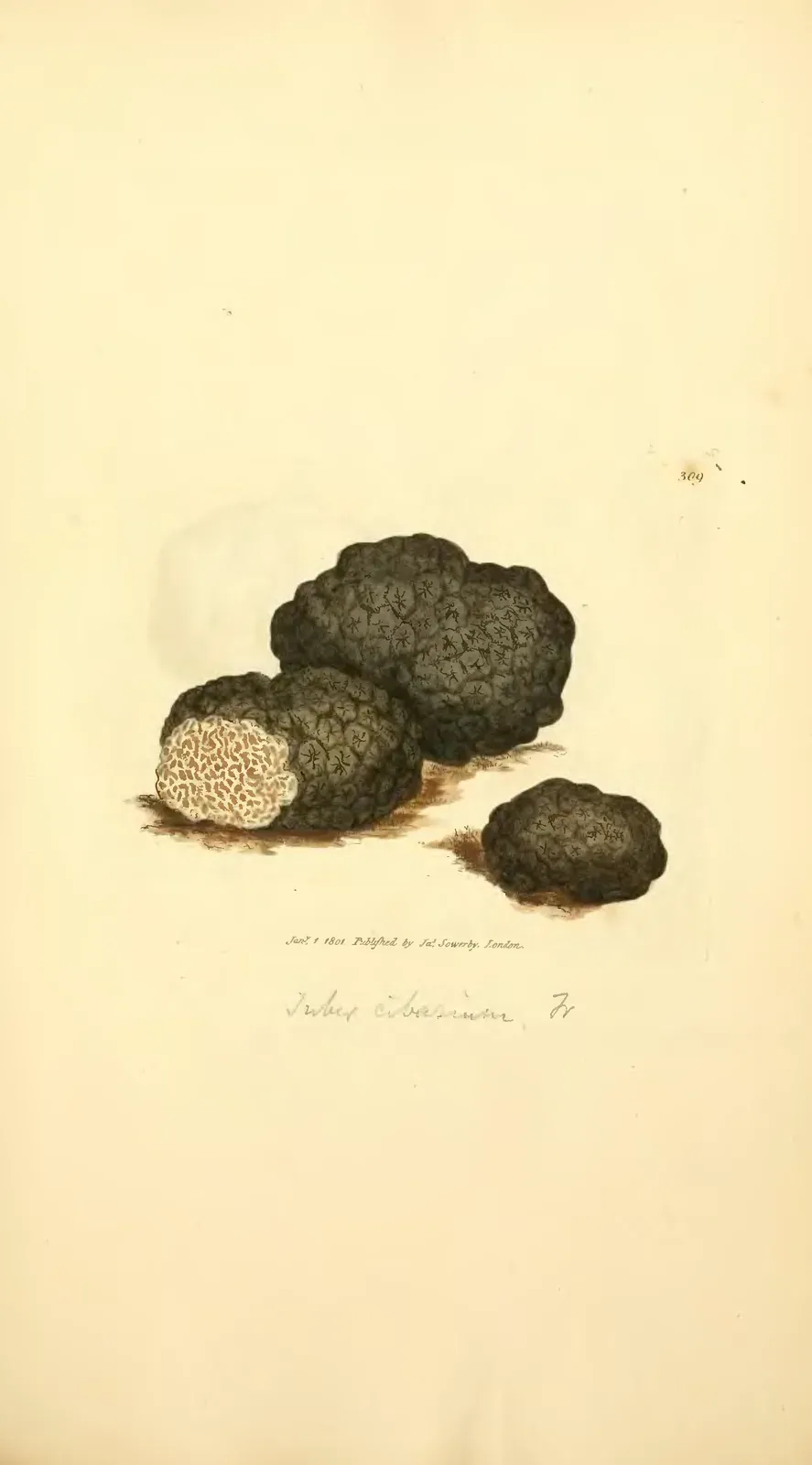
The word "truffle" instantly brings to mind a pricey French or Italian delicacy. But truffles are actually a group of fungi that grow underground in many corners of the world, Ukraine included. Let's look at which truffles occur there, where to look for them and why they're so hard to find.
What is a truffle
A truffle is a fungus whose fruiting body ripens entirely underground, at a depth of ten to twenty centimeters. On the outside it looks like a dark, lumpy potato. Unlike familiar mushrooms, a truffle doesn't release its spores into the air, so it relies on animals: its strong aroma attracts animals that dig up the fungus and spread its spores.
Like many forest mushrooms, the truffle lives in symbiosis with trees (mycorrhiza), wrapping around the roots of oaks, hornbeams and hazels. To learn what mycelium and mycorrhiza are, see our article how mycelium grows.
Do truffles grow in Ukraine
Yes, they do. The best-known edible species is the summer truffle (Tuber aestivum). It occurs in deciduous and mixed forests in the south and west of the country, including the Carpathians, Podillia and Zakarpattia, on limestone soils under oaks and hornbeams.
Besides it, Ukrainian forests have other underground fungi too — for example the deer truffle, which has no culinary value but is a natural treat for forest animals.
Where and how truffles are found
Finding a truffle by eye is almost impossible — it's hidden in the soil. That's why, around the world, people search with specially trained dogs (pigs in the past) that can smell the fungus. Indirect signs help too: oak and hornbeam groves on limestone, a slight bulge in the soil, swarms of small flies above the spot.
Because it's so difficult, truffles rarely end up in a casual forager's basket — they're more the target of a dedicated hunt.
Should a beginner look for truffles
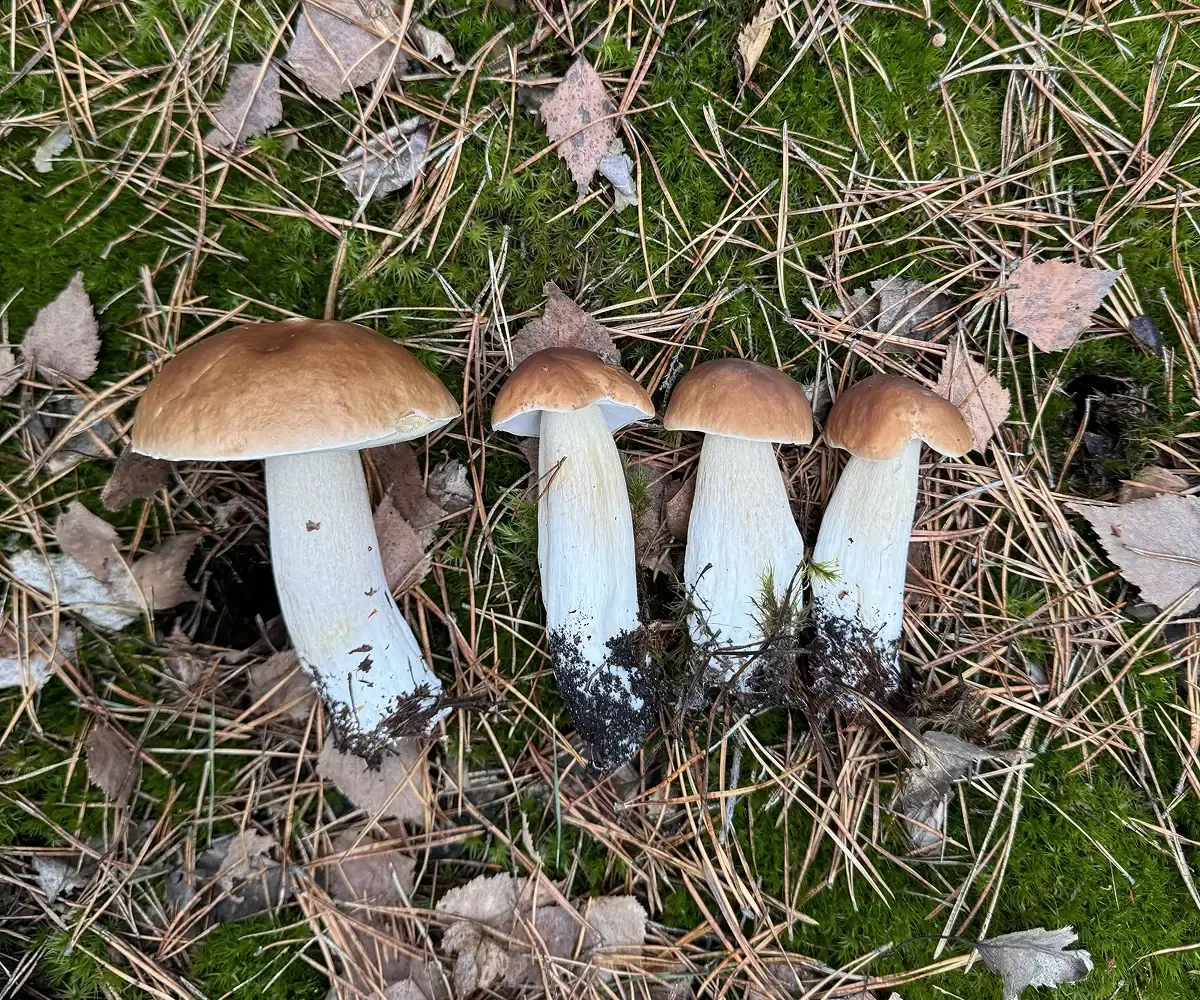
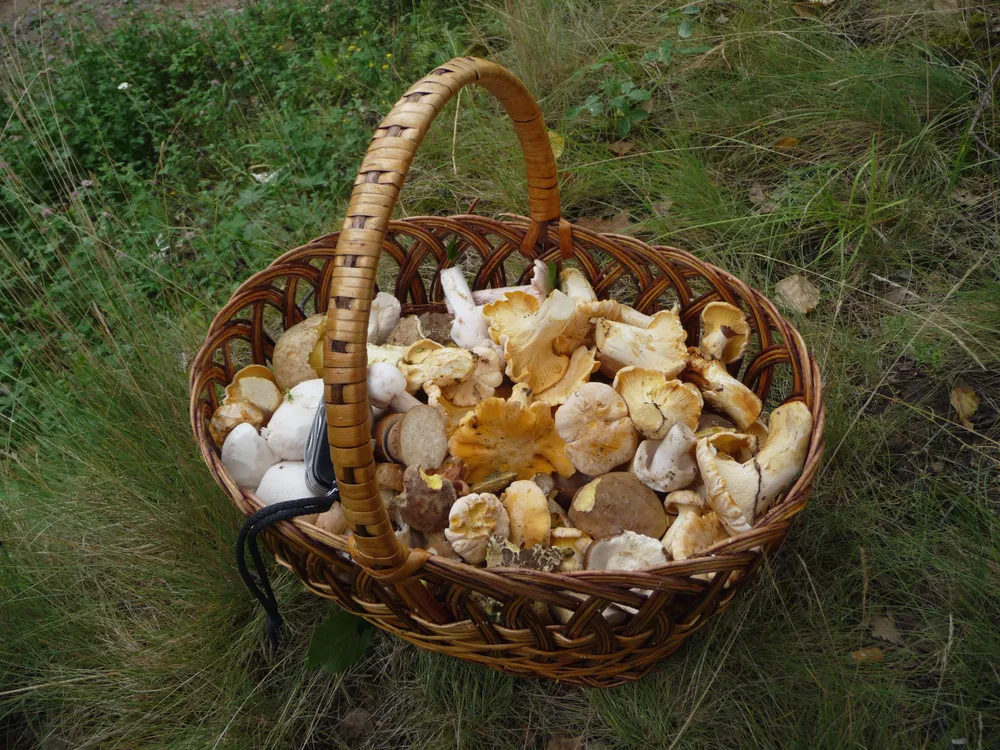
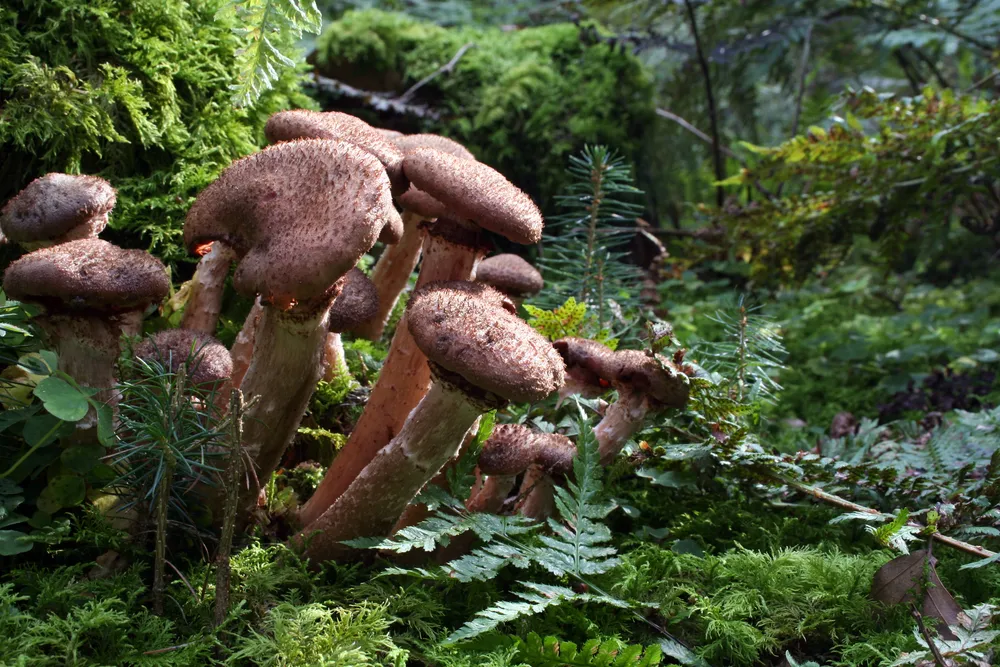
Truffle hunting is for experienced foragers, usually with a dog. If you're a beginner, it's more rewarding to start with familiar porcini, chanterelles and honey fungus, which grow above ground and are easy to recognize. Knowing about truffles will still deepen your sense of how diverse the fungal kingdom is.
Sources
- Tuber aestivum in the GBIF database, the global biodiversity database.
- Truffle on Wikipedia.
- "Vyznachnyk hrybiv Ukrainy" (Identification Guide to the Mushrooms of Ukraine; Kyiv, Naukova Dumka publishing house).
Frequently asked questions
Do truffles grow in Ukraine?
Yes. The best-known edible species is the summer truffle (Tuber aestivum). It occurs in deciduous and mixed forests in the south and west of the country, including the Carpathians, Podillia and Zakarpattia.
Where should you look for truffles in Ukraine?
In oak and hornbeam groves on limestone soils. The truffle grows underground in symbiosis with tree roots, so you look for it ten to twenty centimeters deep, not on the surface.
How are truffles found?
Mostly with the help of specially trained dogs that can smell the fungus. Indirect signs help too: the right kind of forest on limestone, a slight bulge in the soil and swarms of small flies above the truffle.
Why does a truffle grow underground?
That's its way of life: a truffle doesn't release spores into the air but relies on animals. Its strong underground aroma attracts animals that dig up the fungus and spread its spores.
How much does a truffle cost?
Truffles are prized for their rarity and aroma, so they're expensive. The summer truffle is cheaper than the famous European black or white truffle, but because it's so hard to find, it remains a delicacy.
Can a truffle be confused with another fungus?
Yes, inexperienced foragers confuse true truffles with inedible underground fungi (for example the deer truffle or false truffles). That's why accurate identification is especially important here.
Can truffles be cultivated?
Around the world, truffles are grown on special plantations by planting trees whose roots have been inoculated with truffle mycelium. It's a slow process: the first harvest comes only after several years.
Mushrooms in this article
Related articles
 Recipes & cooking
How to store fresh mushrooms, and for how long
Fresh mushrooms spoil faster than you might think. Here's how long they keep in the fridge, how to store them…
August 21, 2026·4 min Recipes & cooking
How long to boil mushrooms
Boiling time depends on the type of mushroom and on what you're cooking next. Here's a clear cheat sheet: how…
August 22, 2026·4 min Science & taxonomy
Bay bolete: health benefits and nutritional value
The bay bolete is a match for porcini in both flavor and nutrition. Here's why the bay bolete is good for you,…
August 20, 2026·2 min