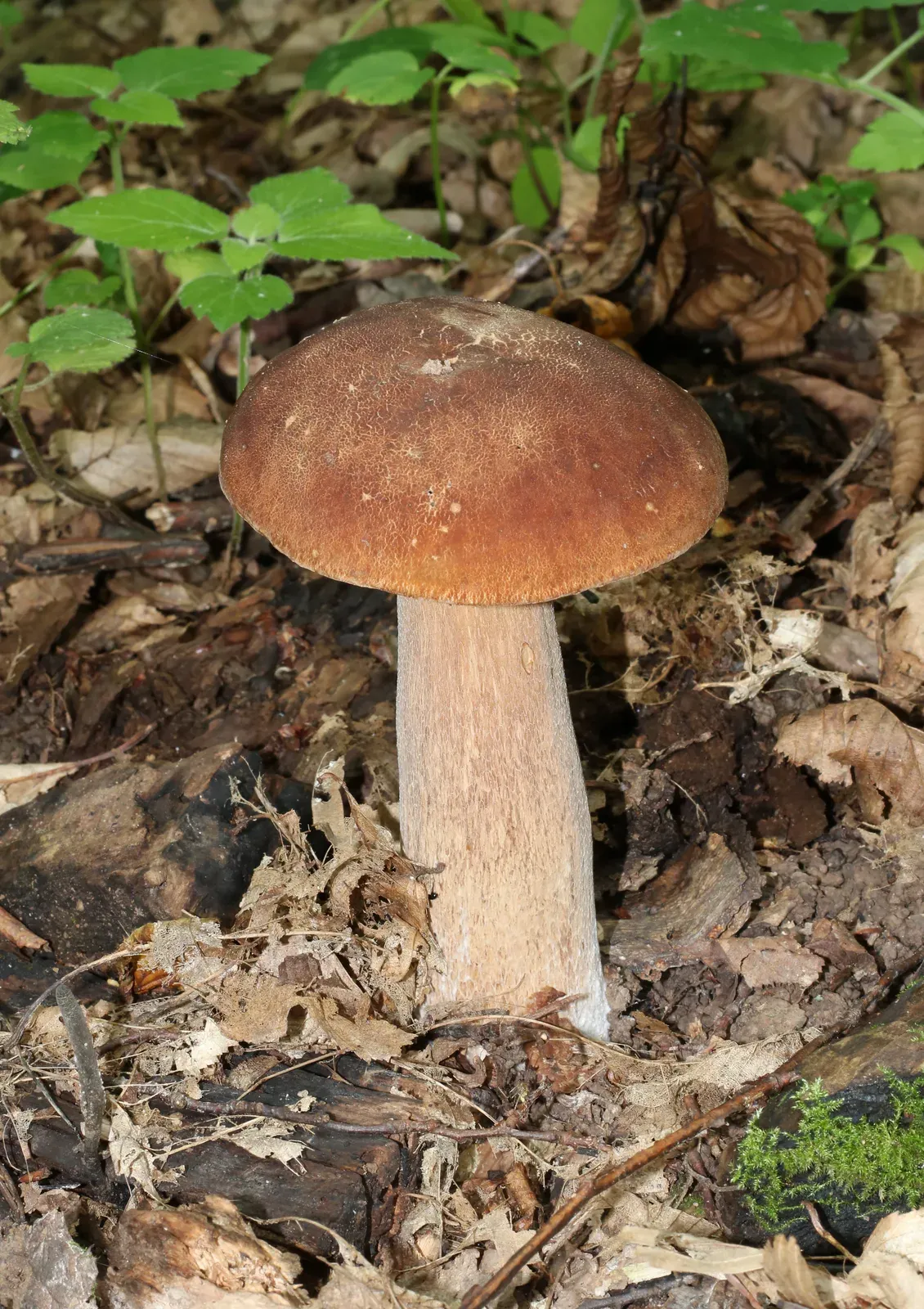
Foragers know it well: without rain, the forest stays silent. But not every rain sets mushrooms off in the same way. Sometimes a storm thunders for half a day and a week later the forest is empty, and sometimes a quiet, warm shower brings a real harvest. It all comes down to what kind of rain falls and under what conditions.
Let's look at what moisture the mycelium really needs, why short downpours are often useless, and how many days to wait after rain before you grab your basket.
Why not just any rain will do
The mushroom we pick is only the fruiting body. The mycelium itself, a fine lace of threads, lives in the soil and in wood. For it to start fruiting, water has to soak through the leaf litter and the top layer of soil, where those threads lie.
That's why what matters is not how hard it rains, but how much moisture actually reaches the soil. A violent summer downpour often runs off the surface and evaporates, barely wetting the litter. A quiet, lingering rain soaks in deep and gives the mycelium a proper drink.
To see how much moisture the forest has built up, use the mushroom radar: it takes into account not only the latest rain, but also the moisture from previous days.
Lingering drizzle vs. a short downpour
Compare the two types of rain, and you'll see they work very differently for mushrooms.
- Lingering warm rain. The best for the mycelium. It falls for several hours or even days, slowly soaking the soil. It's after rains like these that the forest is covered in mushrooms within a few days.
- A short, violent downpour. Impressive, but often useless. The water has no time to soak in, so little moisture reaches the mycelium. One rain like that rarely triggers a harvest.
- Light drizzle that doesn't build up. If it drizzles a little every day, the soil gradually gets soaked, and that's not bad for mushrooms either, especially in cool weather.
The takeaway is simple: mushrooms need steady, deep moisture, not one loud rain. Several rainy days in a row are always better than a single downpour.
How long to wait after rain
Mushrooms don't pop up right after rain; the mycelium needs time to form fruiting bodies. The usual rule of thumb: two to five days after a good warm rain.
The exact timing depends on the species and the temperature:
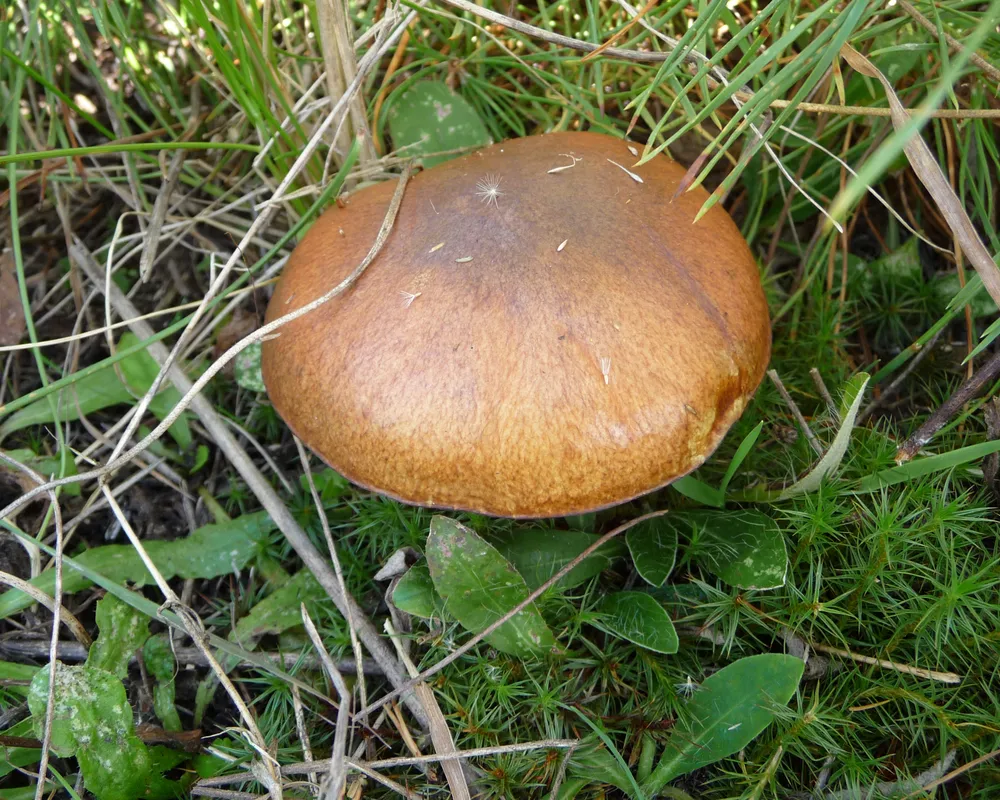
- **Slippery jack** responds fastest; you can look for it after just two to three days.
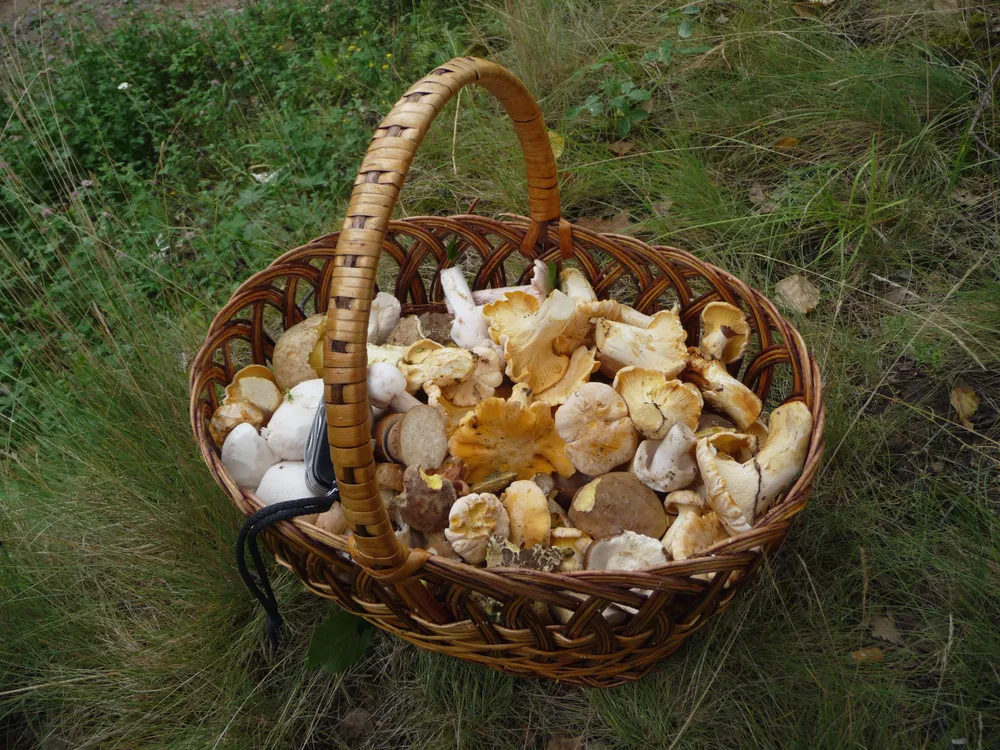
- **Chanterelle and brown birch bolete** come up in about three to four days.
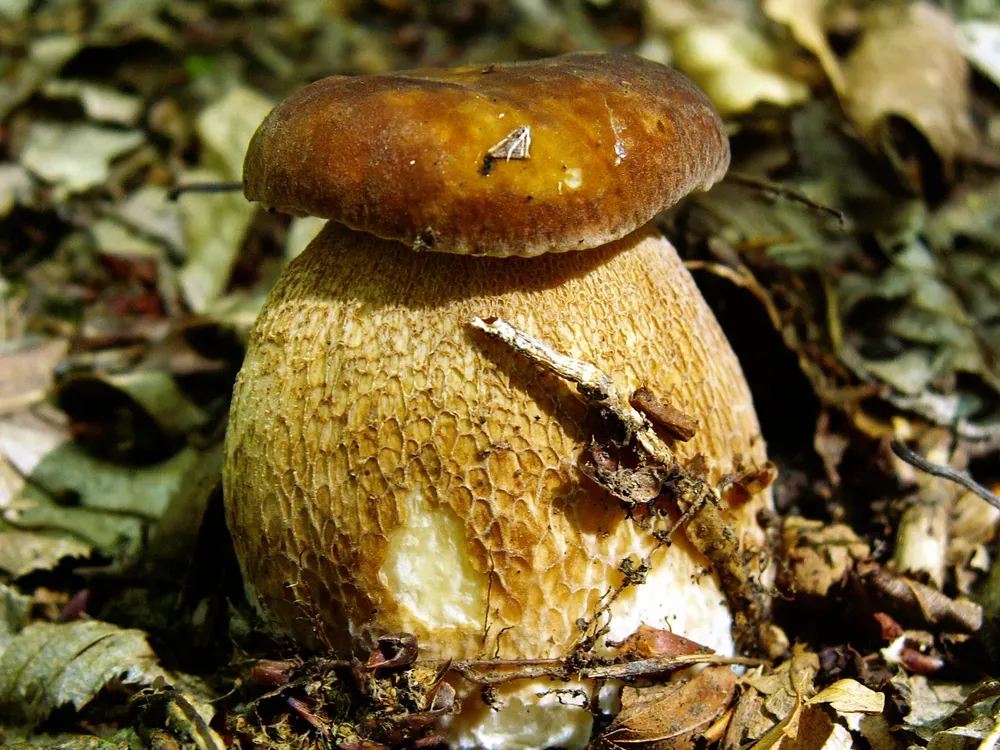
- **Porcini** often needs a bit more time, up to four to five days.
In warm weather mushrooms appear faster, in cool weather more slowly. So after rain, start heading out from around the third day and check the forest several times.
When rain won't help
Sometimes it rains and there are still no mushrooms. There are a few reasons.
- Soil that was parched beforehand. If a long heat wave came before the rain, the first moisture goes into restoring the litter, and the mycelium doesn't fruit yet. A second rain is needed.
- Too cold. In cold soil the mycelium sleeps, no matter how much it pours. Many mushrooms need warmth together with moisture.
- It was a one-off rain. A single downpour after a dry spell rarely brings a harvest, but two or three rainy days in a row almost always do the trick.
So the most reliable approach is to look at the weather as a whole: warmth plus accumulated moisture. That's exactly what the mushroom radar shows: it tells you when conditions are coming together for mushrooms in your region.
Sources
- “Key to the Fungi of Ukraine” (Kyiv, Naukova Dumka publishing house).
- Boletus edulis in GBIF, the global biodiversity database.
- Fungi in MycoBank, the international fungal nomenclature database.
- Mushroom on Wikipedia.
Frequently asked questions
What kind of rain is best for mushrooms?
A lingering warm rain that falls for hours or days and slowly soaks the soil. That's what really gives the mycelium a drink, while a short, violent downpour often just runs off the surface.
Why are there no mushrooms after a downpour?
A short downpour has no time to soak into the soil, so little moisture reaches the mycelium. Besides, if there was a heat wave before it, the first rain only restores the parched litter.
How many days after rain should you go mushroom hunting?
Usually two to five days. comes up in two to three days, and in three to four, in up to four to five.
Is it better when it rains several days in a row?
Yes. Several rainy days in a row soak the soil deeper than a single downpour, so the harvest afterward is usually more plentiful.
Why don't mushrooms come up after rain in hot weather?
If the soil was parched by a long heat wave, the first moisture goes into restoring it. The mycelium will start fruiting only after the next good rain.
Do mushrooms need warmth along with rain?
Yes. In cold soil the mycelium sleeps even with enough moisture. Many mushrooms need warmth and moisture at the same time, which is why spring and late-autumn rains have a weaker effect.
How can you tell the soil is soaked enough?
The easiest way is to check the : it takes into account not only the latest rain, but also the moisture from previous days and the soil temperature.
Does night dew help mushrooms?
Dew doesn't replace rain, but it keeps the litter moist in warm weather. Together with fog, it helps mushrooms avoid drying out between rains.
Mushrooms in this article
Related articles
 Recipes & cooking
How to store fresh mushrooms, and for how long
Fresh mushrooms spoil faster than you might think. Here's how long they keep in the fridge, how to store them…
August 21, 2026·4 min How to identify
Truffles in Ukraine: do they grow here, and where to look
Truffles aren't just a French delicacy. Several species grow in Ukraine too. Here's which ones, where they occ…
August 24, 2026·2 min Safety
False morel: why this spring mushroom is dangerous
The false morel looks like a morel, but it contains a poison. Here's how to recognize it, why it's dangerous a…
August 24, 2026·2 min