_spore_print.webp)
Everyone knows the saying about things “popping up like mushrooms after rain,” and it's no accident: moisture really does trigger mushrooms to appear. But beginners often take it literally and rush to the woods right after a downpour, only to come home with an empty basket. Because there's always a pause between rain and harvest.
Let's look at how long to wait after rain, what that pause depends on, and why the right timing matters just as much as the rain itself.
Why the day of the rain is too early
The mushroom we pick, the fruiting body, doesn't appear instantly. First the mycelium in the soil has to respond to moisture and warmth, and then it spends several days forming fruiting bodies underground.
That's why the day of the rain and the next morning are usually too early: the mushrooms haven't come up yet. The moisture only kicked off a process that needs time. For more on what kind of rain mushrooms need, see our separate piece.
How long to wait
The general rule is simple, though it has exceptions.
Most mushrooms appear two to five days after a good, warm rain. That's the benchmark to start from.
- Two to three days if it's warm and humid: the mycelium responds quickly.
- Five to seven days if it's cool: in cold soil the process slows down.
- Longer if the rain came after a long drought: the first moisture goes into restoring the parched soil, and the flush will come after the next rain.
So if you count a few days from the rain, your chances are far better than those of someone who rushed into the woods right away.
What the pause depends on
The timing depends not only on time itself but on several factors.
- Warmth. In warm weather mushrooms come up faster, in cool weather, more slowly.
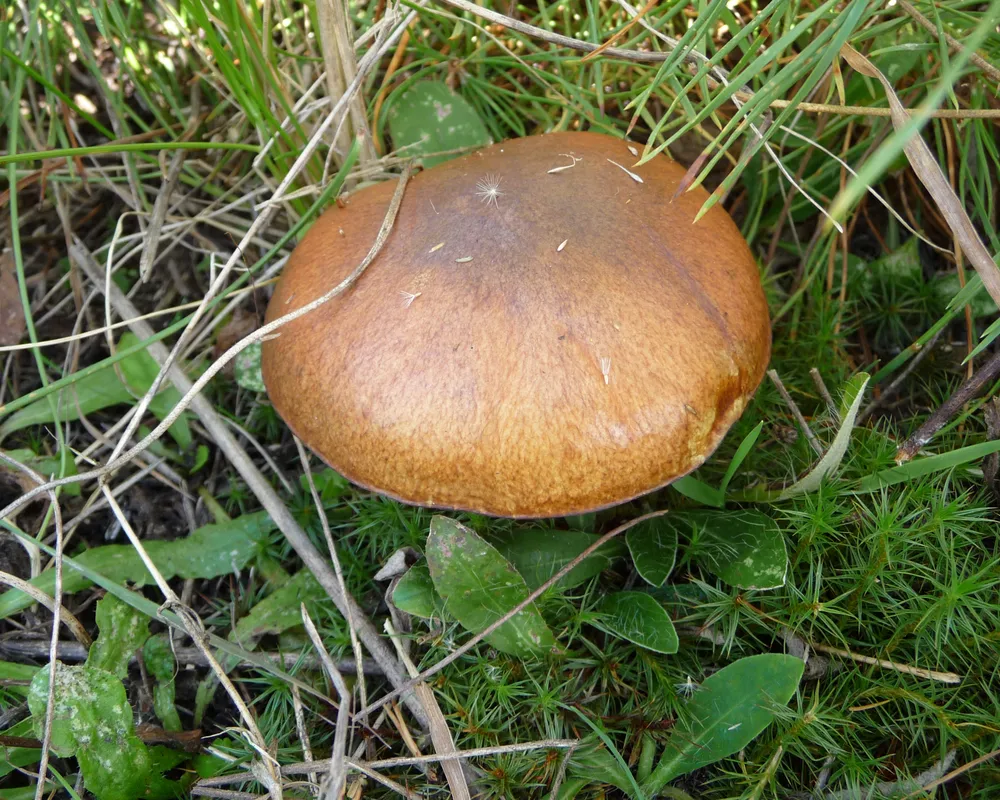
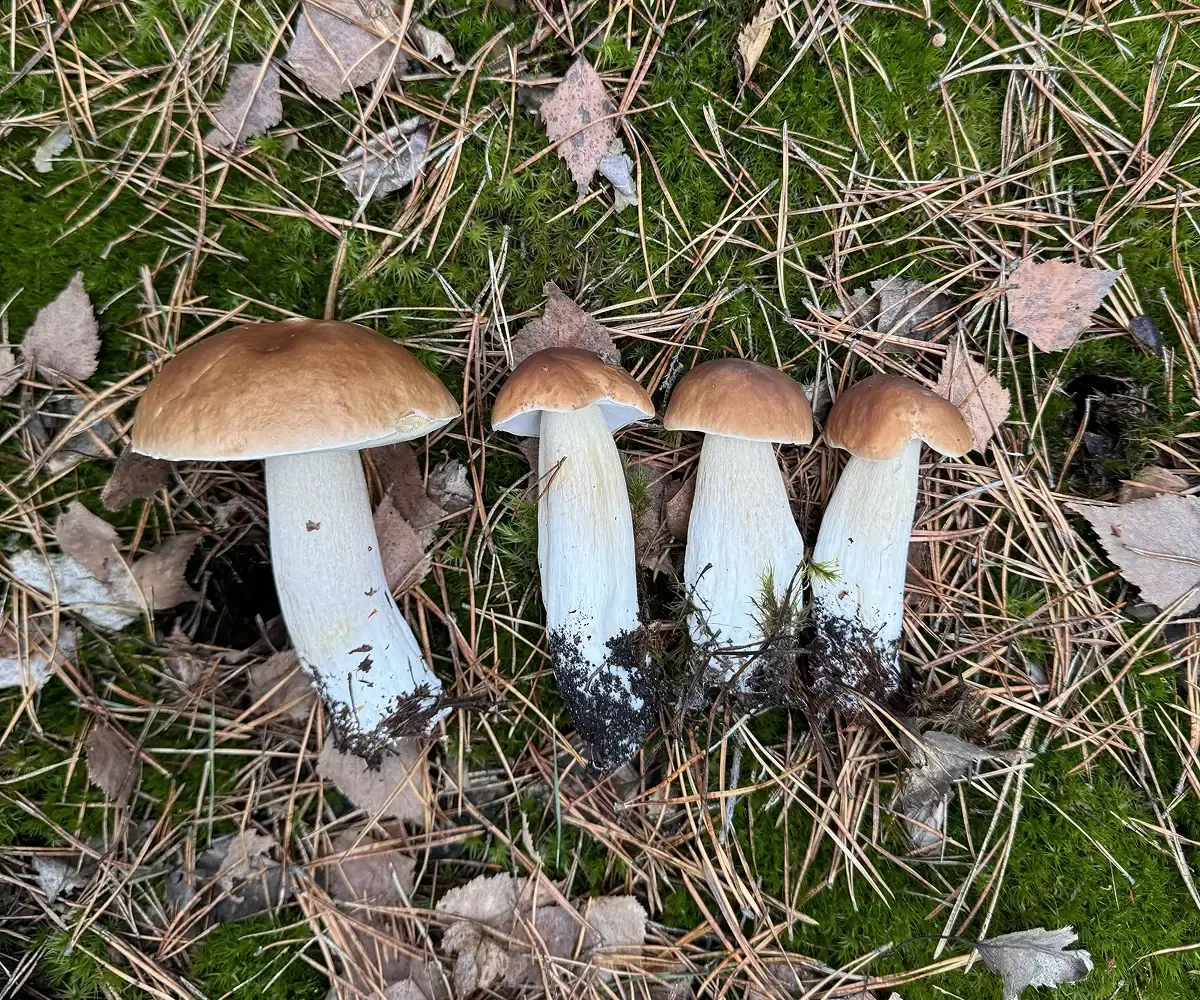
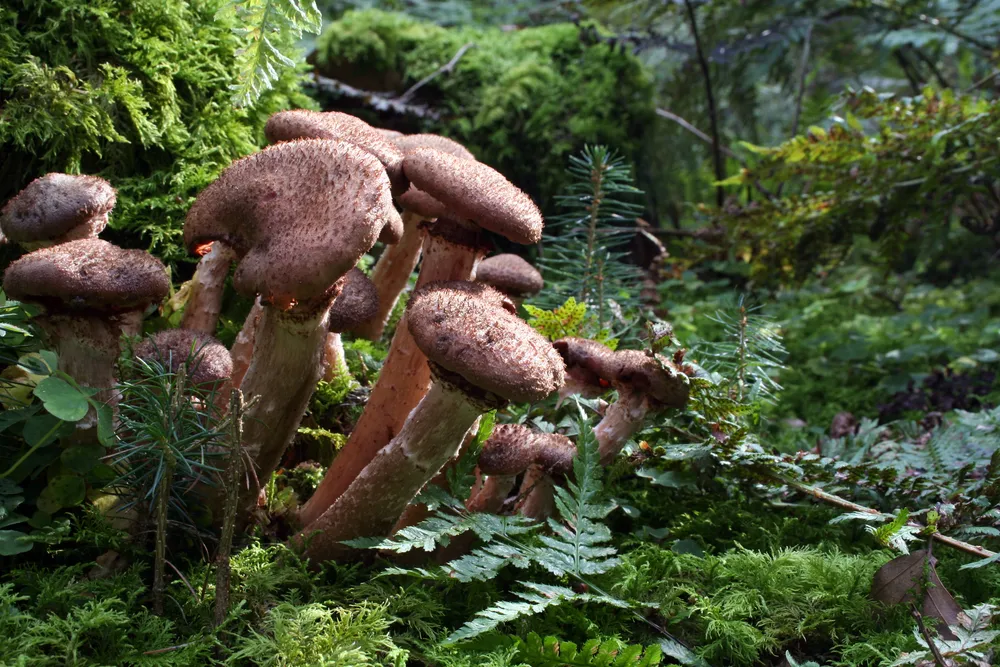
- The species. Slippery jack reacts fastest, porcini, a little slower, while the autumn flush of honey fungus depends on cool weather.
- Accumulated moisture. If the forest was already damp before the rain, the flush will come sooner. We explain why in our piece on soil moisture versus rainfall.
That's exactly why experienced foragers don't go at random: they catch the flush by reading the weather as a whole. For more on the nature of these flushes, see our piece why mushrooms grow in flushes.
How to catch the right moment
Let's boil it all down to a short checklist.
- Wait for a good rain. A short drizzle won't soak the forest litter.
- Count two to five days. Factor in the warmth: in hot weather closer to two, in cool weather, closer to five.
- Factor in drought. After a long dry spell the first rain is often a “dud.”
- Check the radar. The mushroom radar combines rainfall, accumulated moisture and temperature, so it points you to a good day.
That way you'll stop going at random and head to the woods exactly when the mushrooms are really there. For more on reading the weather, see our piece how to read the weather before a forest trip.
Sources
- “Key to the Fungi of Ukraine” (Kyiv, Naukova Dumka publishing house).
- Boletus edulis on GBIF, the global biodiversity database.
- Fungi on MycoBank, the international fungal nomenclature database.
- Mushroom hunting on Wikipedia.
Frequently asked questions
How many days should you wait after rain to go mushroom hunting?
Usually two to five days after a good, warm rain. In warm weather, closer to two or three; in cool weather, closer to five to seven. Going on the day of the rain is usually too early.
Why can't you go mushroom hunting right after rain?
Because a mushroom doesn't appear instantly: the mycelium spends several days forming fruiting bodies underground. Moisture only kicks off a process that needs time, so on the day of the rain the mushrooms haven't come up yet.
Why are there no mushrooms after rain during a drought?
Because the first moisture after a long dry spell goes into restoring the parched soil. A full flush only comes after the next rain, once enough moisture has built up.
Which mushroom appears fastest after rain?
reacts fastest. , a little slower, while the autumn flush of depends on cool weather as well.
Does temperature affect when mushrooms appear?
Yes. In warm weather mushrooms come up faster because the mycelium is more active. In cool soil the process slows down, so after a cold rain you have to wait longer.
Does any rain trigger mushrooms?
No. You need a good rain that soaks the forest litter, not a short drizzle. For details, see our piece on .
What matters more, fresh rain or accumulated moisture?
Accumulated moisture often matters more than a single downpour. If the forest was damp for the previous week, the flush will come sooner. More on this in our piece on .
How can you know for sure instead of guessing?
Check the : it combines rainfall, accumulated moisture and temperature and points you to a good day for a trip in your region.
Mushrooms in this article
Related articles
 Recipes & cooking
How to store fresh mushrooms, and for how long
Fresh mushrooms spoil faster than you might think. Here's how long they keep in the fridge, how to store them…
August 21, 2026·4 min How to identify
Truffles in Ukraine: do they grow here, and where to look
Truffles aren't just a French delicacy. Several species grow in Ukraine too. Here's which ones, where they occ…
August 24, 2026·2 min Safety
False morel: why this spring mushroom is dangerous
The false morel looks like a morel, but it contains a poison. Here's how to recognize it, why it's dangerous a…
August 24, 2026·2 min