
“Yesterday there was nothing, and this morning the woods are full of mushrooms” — that's neither luck nor exaggeration. Mushrooms really do grow most actively at night. Let's look at why, and what it means for when you should head out to the woods.
When mushrooms grow most actively
Mushrooms grow both by day and by night, but the nighttime growth is much greater. The reason is simple: nights are cooler and damper, the air is saturated with moisture and dew falls — and moisture plus mild warmth is exactly what a fruiting body needs to stretch upward.
During the day, especially in the heat, a mushroom does the opposite: it dries out and “hits the brakes.” So over a warm, damp night a young mushroom can grow a centimeter or two, while on a hot day it may barely change.
Why it seems a mushroom grew overnight
A forager who walks across a clearing in the evening and sees nothing finds ready mushrooms there the next morning. It looks as if they appeared out of nowhere. In fact, the tiny primordia were already in the leaf litter the evening before — overnight they simply stretched up and became visible.
A mushroom doesn't go from nothing to full size in one night: the full growth cycle takes several days. Read more in the article how fast a mushroom grows and how long it lives.
What this means for your trip to the woods
If mushrooms grow most actively at night, then the best time to pick them is early in the morning:
- fresh overnight mushrooms are still young, firm and cool, so they keep longer;
- they're easier to spot in the morning, before the sun dries the dew and the leaf litter;
- you get there ahead of other foragers.
More on the best timing in the article what time of day to pick mushrooms.
What else affects nighttime growth
- A warm, damp night after rain gives the best conditions for a growth spurt.
- Dew and fog add moisture even without rain and keep mushrooms going. More on this in the article dew, fog and nighttime moisture.
- Cold nights with light frost do the opposite: they slow growth and gradually bring the season to an end.
Sources
- “Vyznachnyk hrybiv Ukrainy” (Guide to the Fungi of Ukraine; Kyiv, Naukova Dumka publishing house).
- Mushroom on Wikipedia.
- Fungi in the GBIF database, the global biodiversity database.
Frequently asked questions
Do mushrooms grow by day or by night?
Mushrooms grow around the clock, but growth is much greater at night. In the cool, damp night the fruiting body stretches up fastest, while during the day, especially in the heat, growth slows down.
Why does it seem a mushroom grew overnight?
Because tiny mushroom primordia were already in the leaf litter the evening before, just too small to notice. Over a warm, damp night they stretch up and become visible by morning. A mushroom doesn't grow from nothing to full size in one night.
What time is best to go mushroom picking?
Early morning is best. Overnight mushrooms are still young and cool, keep longer, are easier to spot in the dew — and other foragers won't beat you to them.
Is it true that a mushroom can grow in a single night?
A mushroom puts on the most growth at night — up to a centimeter or two — but the full cycle from primordium to mature mushroom takes several days. So “growing overnight” really refers to that noticeable nighttime spurt.
Why do mushrooms grow more slowly during the day?
During the day, especially in heat and sun, a mushroom dries out and loses moisture, so its growth slows. Mushrooms need coolness and moisture, and there's more of both at night and early in the morning.
Do mushrooms grow without rain, on dew alone?
Yes, heavy dew and fog give mushrooms moisture even without rain and support nighttime growth. That's why fresh mushrooms often appear in the woods after foggy nights.
When do mushrooms stop growing at night?
When cold nights with frost arrive. Low temperatures slow nighttime growth and gradually end the mushroom season, especially for warmth-loving summer species.
Mushrooms in this article
Related articles
 Recipes & cooking
How to store fresh mushrooms, and for how long
Fresh mushrooms spoil faster than you might think. Here's how long they keep in the fridge, how to store them…
August 21, 2026·4 min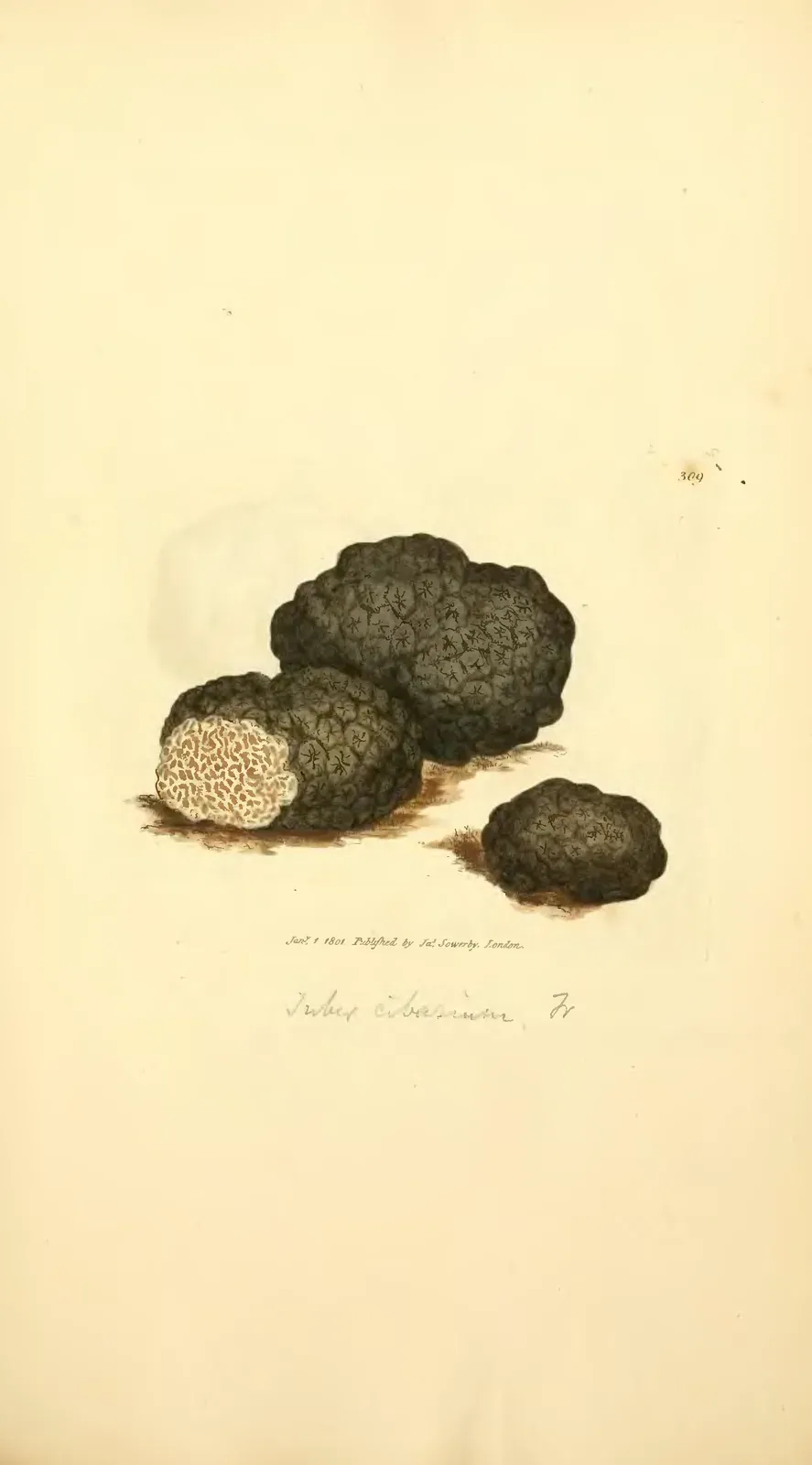 How to identify
Truffles in Ukraine: do they grow here, and where to look
Truffles aren't just a French delicacy. Several species grow in Ukraine too. Here's which ones, where they occ…
August 24, 2026·2 min Recipes & cooking
How long to boil mushrooms
Boiling time depends on the type of mushroom and on what you're cooking next. Here's a clear cheat sheet: how…
August 22, 2026·4 min