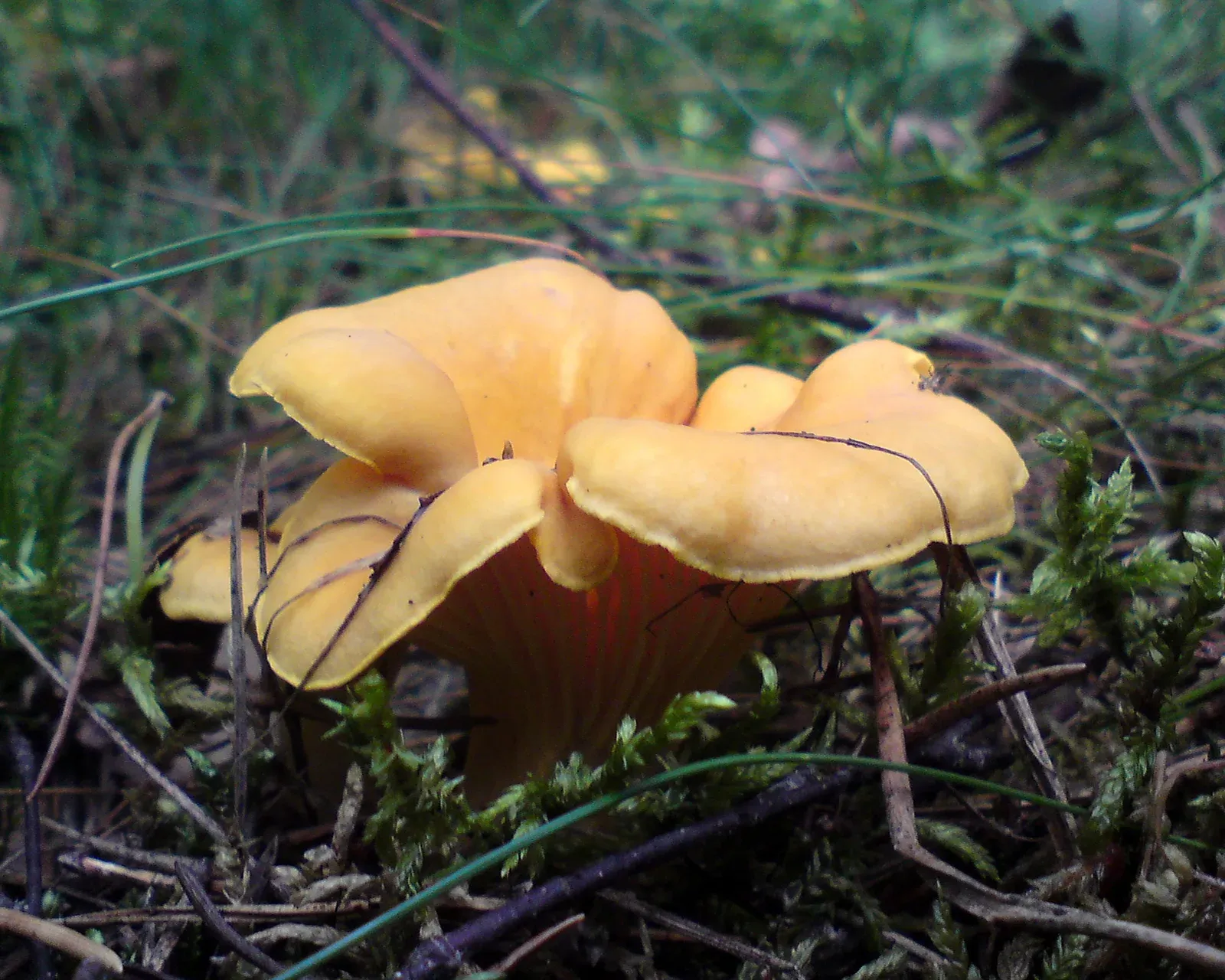
The chanterelle stands out among mushrooms for the way it grows. It doesn't “shoot up overnight” like a slippery jack, but rises slowly and steadily. In return, it then stands in the forest for weeks, firm and clean, almost free of worm holes. Let's look at how many days a chanterelle takes to grow, when to expect it after rain and why it's so hardy.
How many days a chanterelle takes to grow
The chanterelle has dense, almost rubbery flesh and grows more slowly than most summer mushrooms. From a tiny bump to full size takes about 5–8 days, and even longer in cool weather.
But that unhurried pace works in the forager's favor: a chanterelle doesn't go past its prime in a day or two like birch boletes or slippery jacks, so you have time to come back to the woods for it at your leisure.
How many days after rain chanterelles appear
Chanterelles love damp mixed and coniferous forests, moss and shade. The first ones appear 5–7 days after a good rain, and in a drought the mycelium patiently waits for moisture for months without spoiling. We wrote about the start of the season in the article the first chanterelles of June.
Why chanterelles are almost never wormy
The chanterelle's main advantage is that larvae barely touch it. Its flesh contains a natural substance that repels insects, so even a mature chanterelle stays clean. That's exactly why it handles a long journey so well and keeps for a long time. We explained why in detail in the article the benefits of chanterelles and why they're not wormy.
How long a chanterelle lives
Thanks to its dense flesh, a chanterelle's fruiting body lives a long time — up to two weeks or more. In damp weather it can stand in the forest for weeks, slowly growing and staying good for the basket. That's a record among our popular mushrooms.
How to recognize a young chanterelle
- The color is even, egg-yolk yellow or slightly orange.
- The cap has a wavy edge and runs down into false gills — vein-like “ridges” — rather than true gills.
- The flesh is dense, pale when broken, with a light fruity smell.
Chanterelles get confused with more dangerous lookalikes — more on that in the article chanterelle lookalikes: true vs. false chanterelle. And we've gathered the general logic of mushroom growth in the piece how fast a mushroom grows and how long it lives.
Sources
- “Vyznachnyk hrybiv Ukrainy” (Guide to the Fungi of Ukraine; Kyiv, Naukova Dumka publishing house).
- Cantharellus cibarius in the GBIF database, the global biodiversity database.
- Chanterelle on Wikipedia.
Frequently asked questions
How many days does a chanterelle take to grow?
The chanterelle grows more slowly than most summer mushrooms: from a tiny bump to full size takes about 5–8 days, longer in cool weather. But it doesn't go past its prime in a day or two.
How many days after rain do chanterelles grow?
The first chanterelles appear 5–7 days after a good rain. In a drought the mycelium patiently waits for moisture without spoiling, and sends up mushrooms as soon as the ground is soaked.
Why is a chanterelle almost never wormy?
Chanterelle flesh contains a natural substance that repels insects and their larvae. So even a mature chanterelle stays clean — that's its main advantage among mushrooms.
How long does a chanterelle live?
A chanterelle's fruiting body lives a long time — up to two weeks or more. In damp weather it stands in the forest for weeks, slowly growing and staying good to pick.
Does a chanterelle grow faster or slower than other mushrooms?
Slower. Slippery jacks and birch boletes are ready in 3–5 days, while a chanterelle takes 5–8. But thanks to its dense flesh it lives the longest of our popular mushrooms.
Is it true that chanterelles don't grow in a drought?
Yes, in a severe drought the mycelium goes dormant and waits for moisture. But unlike other mushrooms, the chanterelle doesn't spoil because of it: as soon as it rains, it starts growing again.
When should you pick chanterelles for the best quality?
Pick chanterelles with an even egg-yolk yellow color and springy, dense flesh. Thanks to their slow growth and resistance to worms, even mature chanterelles are usually clean and good to eat.
Mushrooms in this article
Related articles
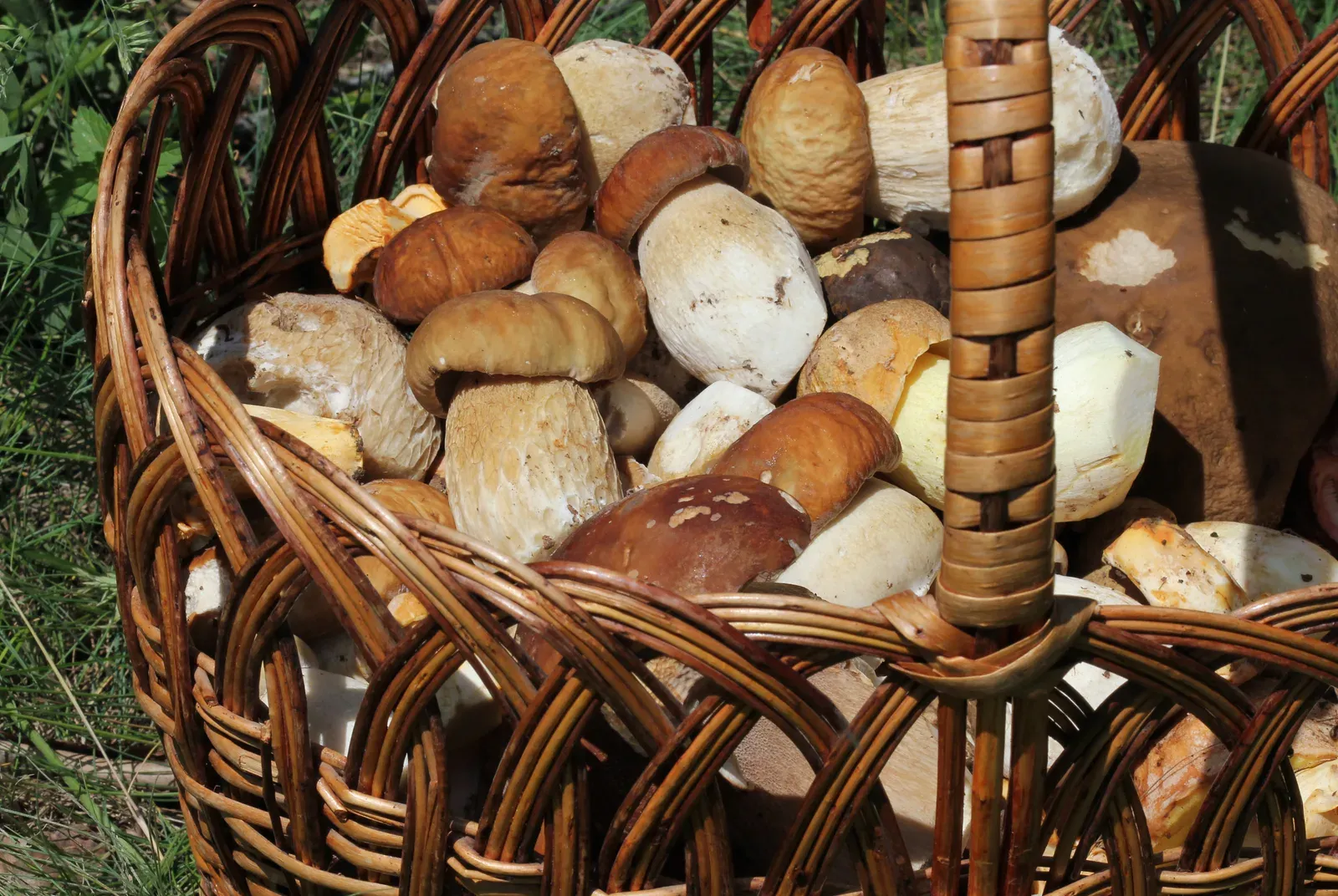 Recipes & cooking
How to store fresh mushrooms, and for how long
Fresh mushrooms spoil faster than you might think. Here's how long they keep in the fridge, how to store them…
August 21, 2026·4 min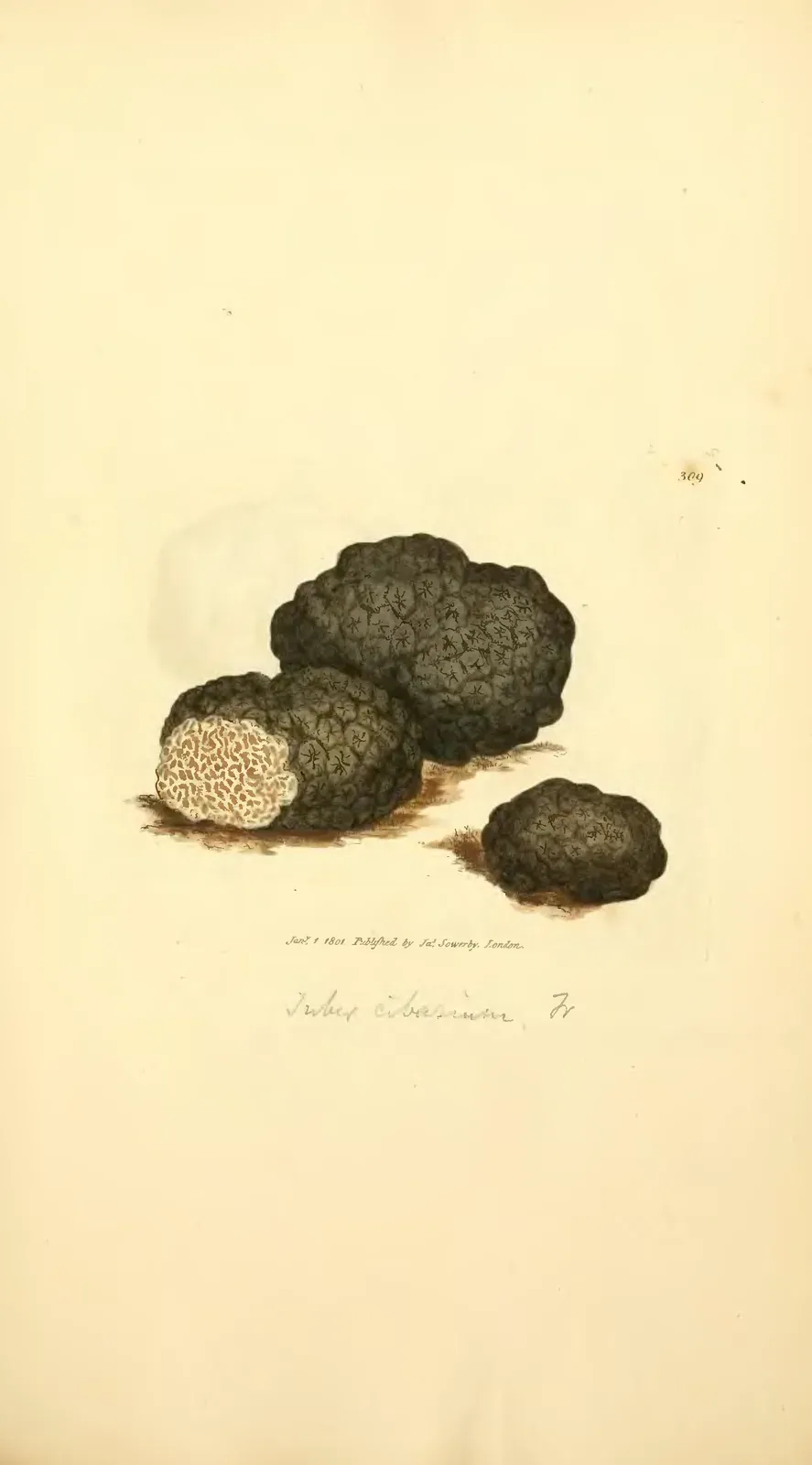 How to identify
Truffles in Ukraine: do they grow here, and where to look
Truffles aren't just a French delicacy. Several species grow in Ukraine too. Here's which ones, where they occ…
August 24, 2026·2 min Recipes & cooking
How long to boil mushrooms
Boiling time depends on the type of mushroom and on what you're cooking next. Here's a clear cheat sheet: how…
August 22, 2026·4 min