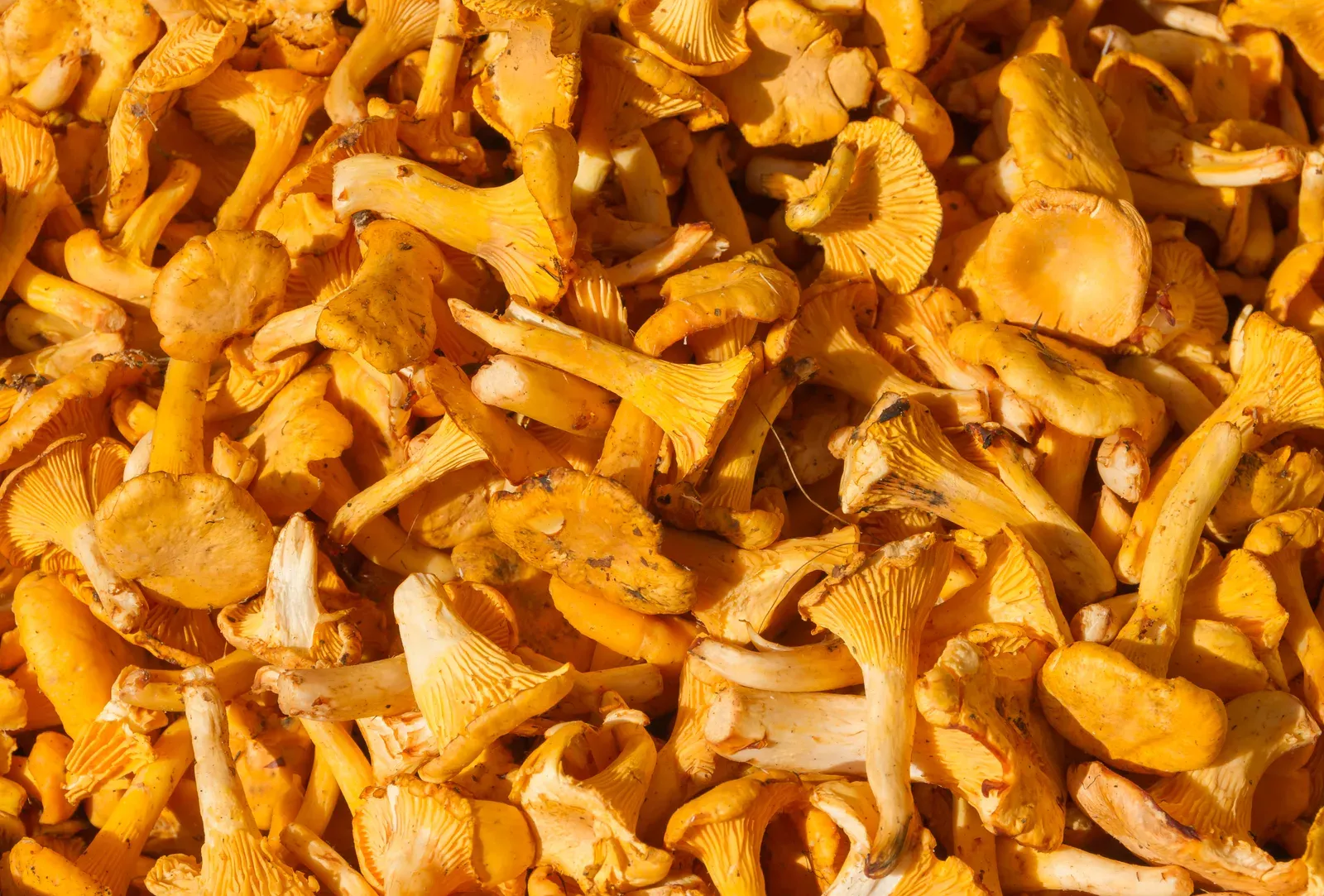
Among all the forest mushrooms, the chanterelle really stands out. You can see its bright yellow color from afar, its aroma is unmistakable, and stumbling on a whole glade of chanterelles stays with you for a long time. On top of that, it's one of the safest mushrooms for a beginner, because it's almost impossible to mix it up with a dangerous one.
Let's paint a full portrait of the chanterelle: what it looks like, where and when to look for it, why it's almost never wormy and why foragers have taken it so much to heart.
What the chanterelle looks like
The chanterelle has a few features that make it easy to recognize, even for a newcomer.
- Color. An even egg-yolk yellow or light orange, the same all over the mushroom, from cap to stem.
- Shape. The cap is funnel-shaped with a wavy, uneven edge, like a little funnel.
- Ridges instead of gills. Underneath there are no true gills, but thick, forked ridges that run smoothly down onto the stem.
- Flesh. Firm and springy, with a pleasant fruity aroma and a slightly peppery taste.
The mushroom is all of a piece: the cap flows into the stem with no clear boundary. It's this seamless shape and the ridges instead of gills that instantly set the chanterelle apart from other mushrooms.
Where and when the chanterelle grows
The chanterelle loves damp forests and is one of the first to appear in the season.
It grows in coniferous, mixed and deciduous forests, often among moss, in grass or under fallen leaves. It's especially fond of spots near pines, spruces, oaks and birches. Chanterelles grow in groups, so once you've found one, take a careful look all around.
The season starts as early as the beginning of summer and lasts into fall. The first flush comes in June, which we cover in our piece on the first chanterelles of June. To know exactly when to head out for chanterelles, check the mushroom radar.
Why the chanterelle is almost never wormy
One of the chanterelle's nicest traits is that it's almost never wormy.
Its flesh contains natural substances that insect larvae dislike, so worms steer clear of the mushroom. Thanks to this, even old chanterelles are usually clean, and you don't have to throw any out at home. That's a big advantage over pored mushrooms, which quickly get wormy in hot weather.
The same firm flesh holds its shape well when cooked, without going mushy or falling apart. We explain the best ways to cook and preserve chanterelles in a separate article.
Why beginners love the chanterelle
The chanterelle is perhaps the best first mushroom for anyone just learning.
- No deadly look-alikes. No dangerous similar mushrooms grow alongside the chanterelle.
- Easy to recognize. Its bright color, ridges and funnel shape mean you can't confuse it with anything else.
- Almost never wormy. Your basket is always clean, with no spoiled specimens.
- Versatile in the kitchen. Fried, stewed, frozen or pickled, it's always delicious.
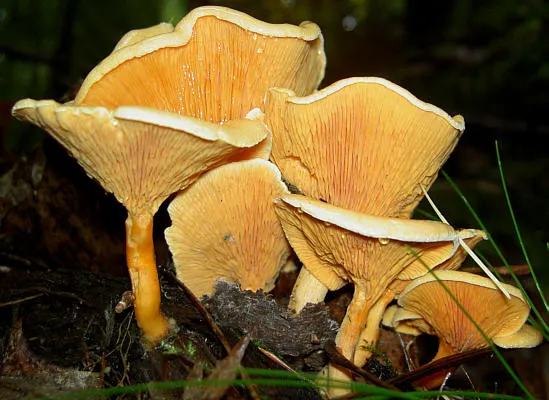
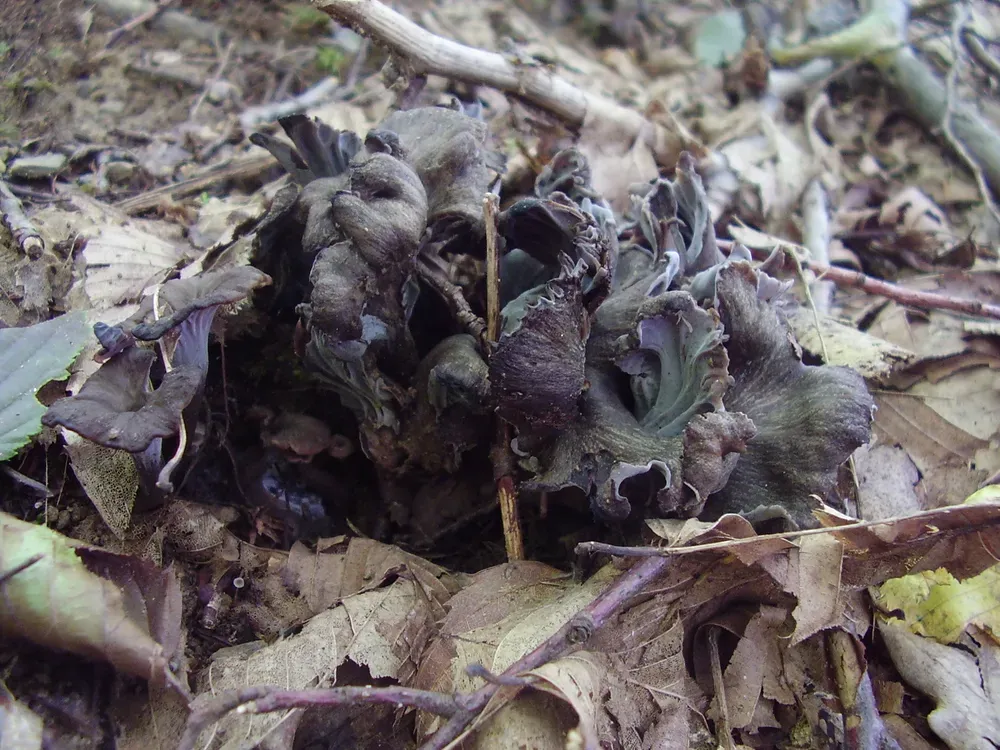
The only similar mushroom is the false chanterelle, which isn't deadly and is easy to tell apart. We've laid out all the differences in our piece on chanterelle look-alikes. There's also the dark ashen chanterelle, which is edible and fragrant too.
Sources
- “Key to the Fungi of Ukraine” (Kyiv, Naukova Dumka publishing house).
- Cantharellus cibarius in GBIF, the global biodiversity database.
- Cantharellus cibarius in MycoBank, the international fungal nomenclature database.
- Cantharellus cibarius on Wikipedia.
Frequently asked questions
What does the true chanterelle look like?
It's a solid, egg-yolk yellow mushroom with a funnel-shaped cap and a wavy edge. Underneath there are no gills, but thick, forked ridges that run down onto the stem. The flesh is firm, with a fruity aroma.
Where does the chanterelle grow?
In coniferous, mixed and deciduous forests, often among moss, in grass or under leaves, near pines, spruces, oaks and birches. It grows in groups, so search carefully around your first find.
When should you pick chanterelles?
The season starts at the beginning of summer and lasts into fall. The first flush comes in June. To pick the right moment to head out, check the .
Why isn't the chanterelle wormy?
Its flesh contains substances that insect larvae dislike, so worms steer clear of the mushroom. Thanks to this, even old chanterelles are usually clean and don't need sorting out.
Does the chanterelle have poisonous look-alikes?
No deadly ones. The only similar mushroom is the , which isn't deadly and is easy to tell apart by its thin gills and brighter color.
Why is the chanterelle a good choice for beginners?
Because it's easy to recognize, it has no deadly look-alikes and it's almost never wormy. It's also versatile in the kitchen, which makes it a great first mushroom for a newcomer.
Is the ashen chanterelle edible?
Yes. is dark, almost blackish in color, but it's edible and fragrant. Because of its unusual color, nobody mistakes it for the true chanterelle.
Does the chanterelle hold its shape when cooked?
Yes. Thanks to its firm, springy flesh, the chanterelle doesn't go mushy or fall apart, and it holds its shape well whether fried or stewed. We've described how to cook it .
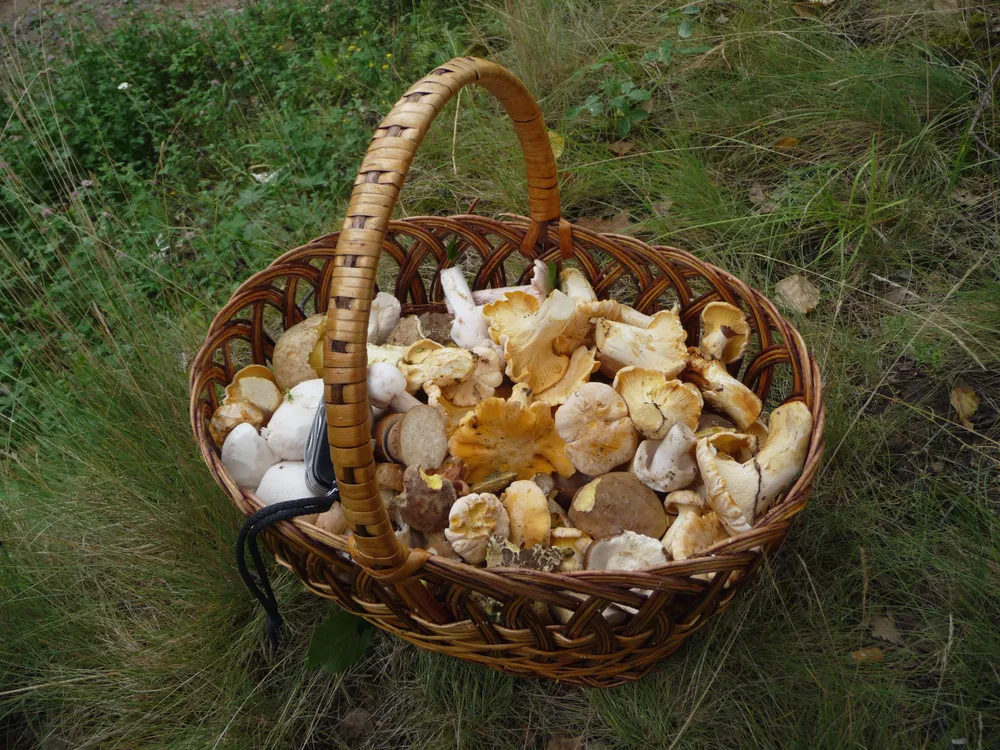
Mushrooms in this article
Related articles
 How to identify
Truffles in Ukraine: do they grow here, and where to look
Truffles aren't just a French delicacy. Several species grow in Ukraine too. Here's which ones, where they occ…
August 24, 2026·2 min Recipes & cooking
How to store fresh mushrooms, and for how long
Fresh mushrooms spoil faster than you might think. Here's how long they keep in the fridge, how to store them…
August 21, 2026·4 min Recipes & cooking
How long to boil mushrooms
Boiling time depends on the type of mushroom and on what you're cooking next. Here's a clear cheat sheet: how…
August 22, 2026·4 min