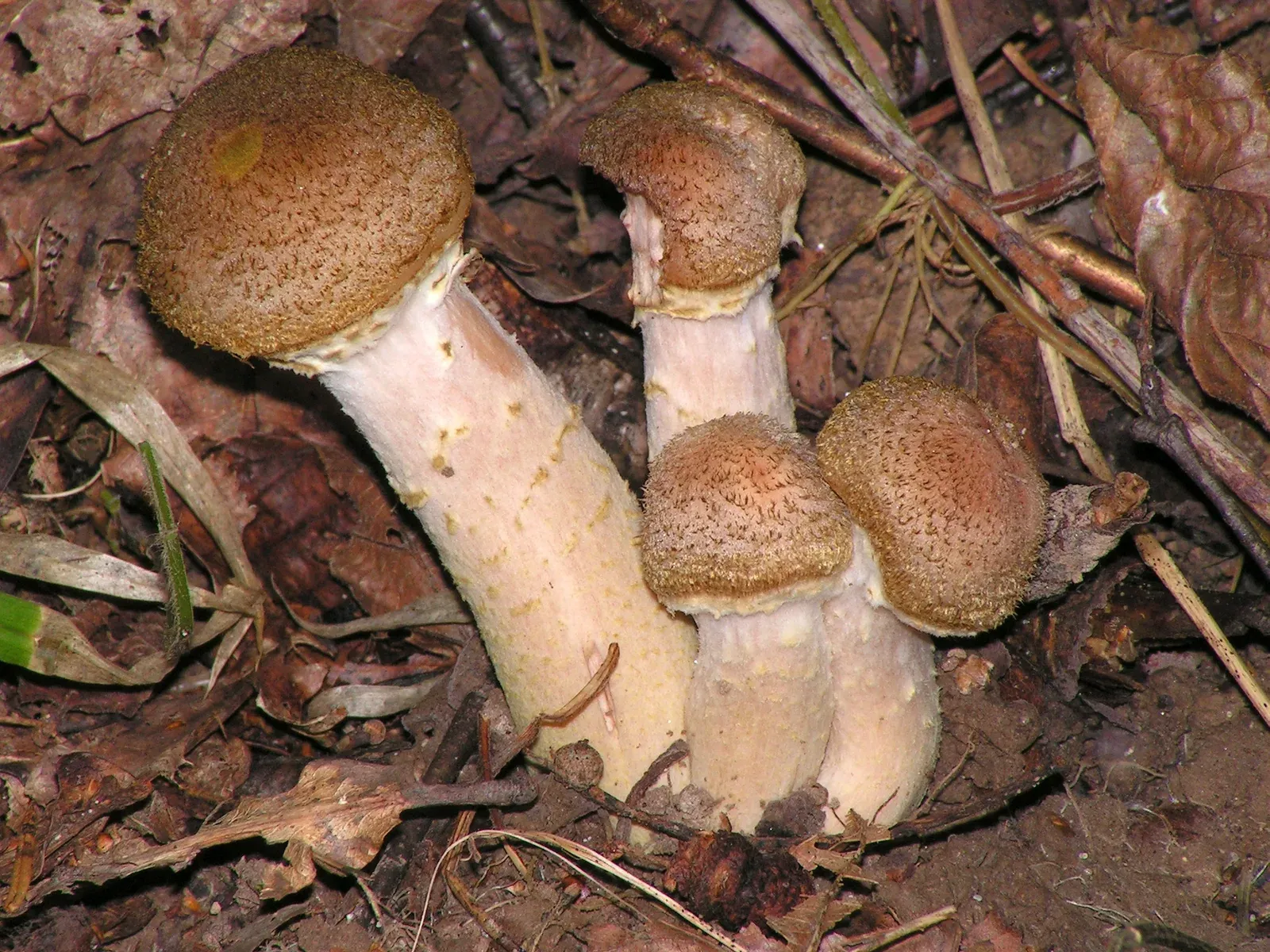
When the summer warmth fades and the cool, damp days begin, honey fungus season arrives in the forest. This mushroom grows in huge, close-knit clusters on stumps and roots, so one lucky find often fills a whole basket. No wonder honey fungus is considered the star mushroom of golden autumn.
Let's get to know honey fungus better: what it looks like, where and when to look for it, why it appears in sudden flushes, and how to stay safe from its poisonous lookalikes.
What honey fungus looks like
Honey fungus has a few consistent features that make it easy to recognize.
- Cap. Honey-brown, from pale ochre to brown, covered with small dark scales, especially in the center.
- Ring on the stem. Near the top of the stem there's a membranous white ring, like a little skirt. This is the most important feature.
- Gills. Pale, cream-colored, turning slightly brownish with age.
- Stem. Long, slender, firm, often thickened at the base.
Honey fungus grows in tight clusters, often with dozens of fused stems. The combination of scales on the cap, pale gills and a ring on the stem immediately marks true honey fungus.
Where and when honey fungus grows
Honey fungus is a wood-decaying mushroom, so you should look for it not in the leaf litter but on wood.
It grows on stumps, fallen trunks and around the roots of living and dead trees, most often broadleaf ones. A single tree can produce honey fungus several years in a row, so good spots are worth remembering.
The main flush comes in September and October, when daytime warmth combines with cool, damp nights. Exactly this kind of weather, described in our article on Indian summer and mushrooms, triggers the mass fruiting of honey fungus. To catch the moment, use the mushroom radar.
Why honey fungus grows in flushes
Honey fungus shows especially vividly what a mushroom flush is.
The mycelium across the whole area responds to the same conditions, so after a good cold snap with rain, honey fungus pops up almost simultaneously and en masse. A few days pass, the flush ages, and the forest goes quiet again until the next trigger.
That's why experienced foragers don't go after honey fungus at random but catch the flush itself. We write more about this phenomenon in our article on why mushrooms grow in flushes.
How not to confuse it with lookalikes
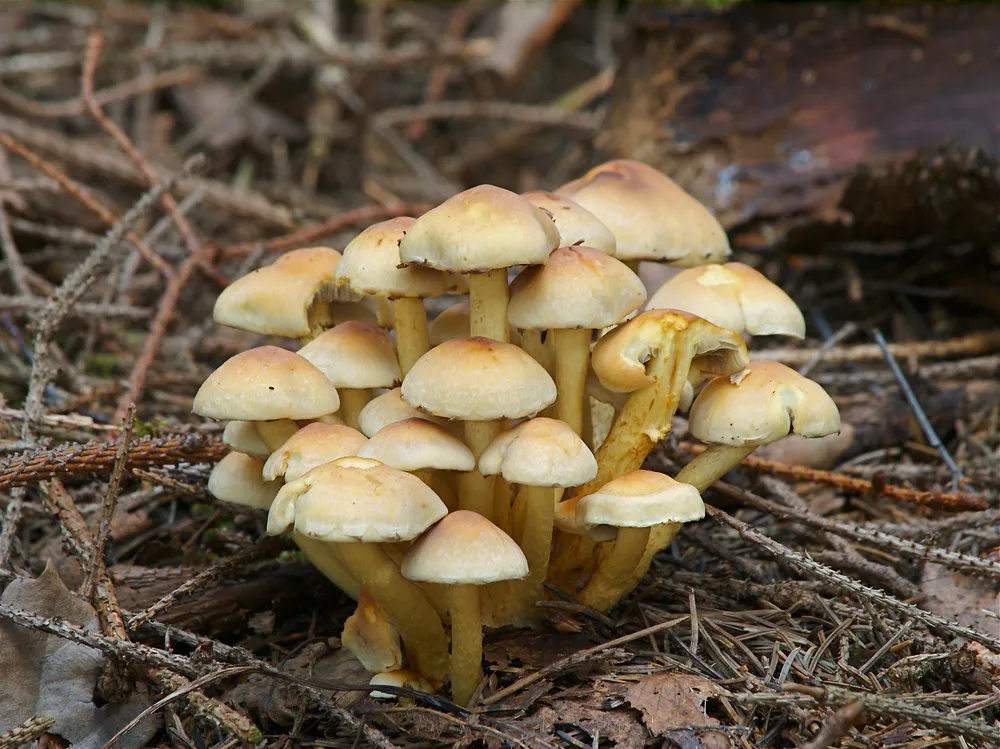
Poisonous false honey fungus grows on stumps right next to the true one, so vigilance is a must.
The most reliable check is the ring on the stem: true honey fungus has one, the sulphur tuft doesn't. True honey fungus also has pale gills and scales on the cap, while the lookalike has bright yellow gills and a smooth cap.
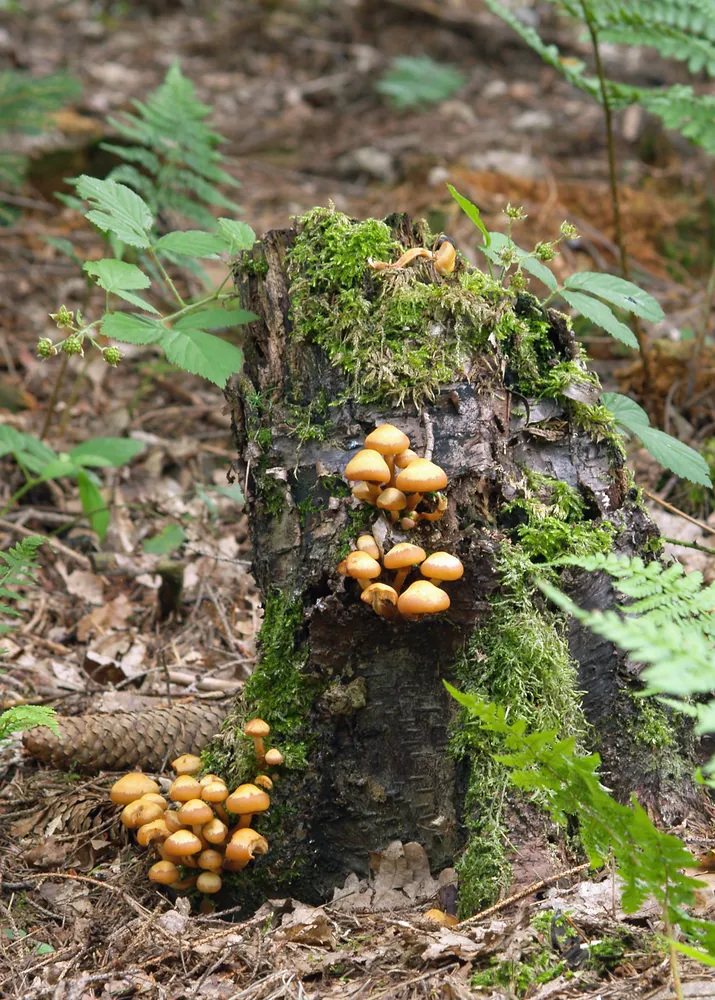
Examine every mushroom individually, because the lookalikes grow mixed in with the real ones. We've laid out all the differences in detail in our article on false honey fungus. And in summer, its relative the sheathed woodtuft grows on stumps, also a tasty mushroom.
Sources
- “Key to the Fungi of Ukraine” (Kyiv, Naukova Dumka publishing house).
- Armillaria mellea in GBIF, the global biodiversity database.
- Armillaria mellea in MycoBank, the international fungal nomenclature database.
- Armillaria mellea on Wikipedia.
Frequently asked questions
What does honey fungus look like?
A honey-brown cap with small dark scales, pale cream gills and a membranous white ring on the stem. It grows in tight clusters on stumps and roots, often with dozens of fused stems.
Where does honey fungus grow?
On stumps, fallen trunks and around tree roots, most often of broadleaf trees. It's a wood-decaying mushroom, so look for it on wood, not in the forest litter.
When should you pick honey fungus?
The main flush comes in September and October, when daytime warmth combines with cool, damp nights. For the right moment, check the .
Why does honey fungus appear suddenly and en masse?
Because the mycelium across the whole area responds to the same conditions. After a cold snap with rain, honey fungus pops up almost simultaneously in a flush, and within a few days it ages and the forest goes quiet.
How do you tell honey fungus from false honey fungus?
Most reliably by the ring on the stem: the true one has it, the doesn't. The true one also has pale gills and scales on the cap, while the lookalike has bright yellow gills.
Can you pick honey fungus by whole clusters at once?
No. False honey fungus grows mixed in with the true one, so every mushroom must be examined individually. Details in our article on .
Does honey fungus grow in the same spot every year?
Yes. Honey fungus feeds on wood, so a single tree or stump can produce mushrooms several years in a row. Good spots are worth remembering and returning to.
Is there honey fungus in summer?
Yes. In summer, its relative the grows on stumps, also a tasty mushroom. We cover the whole family in our .
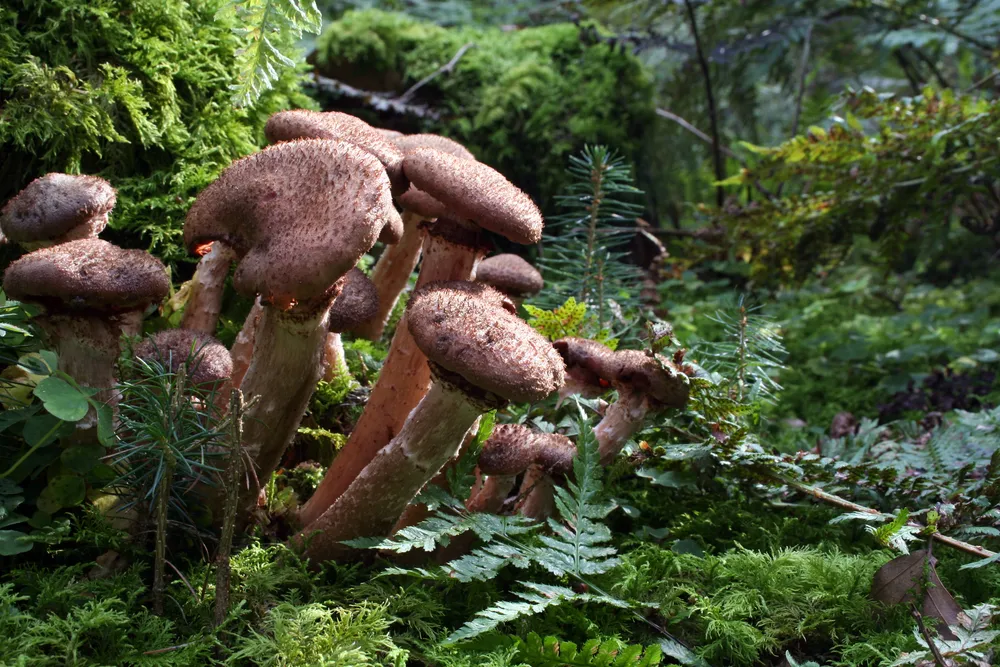
Mushrooms in this article
Related articles
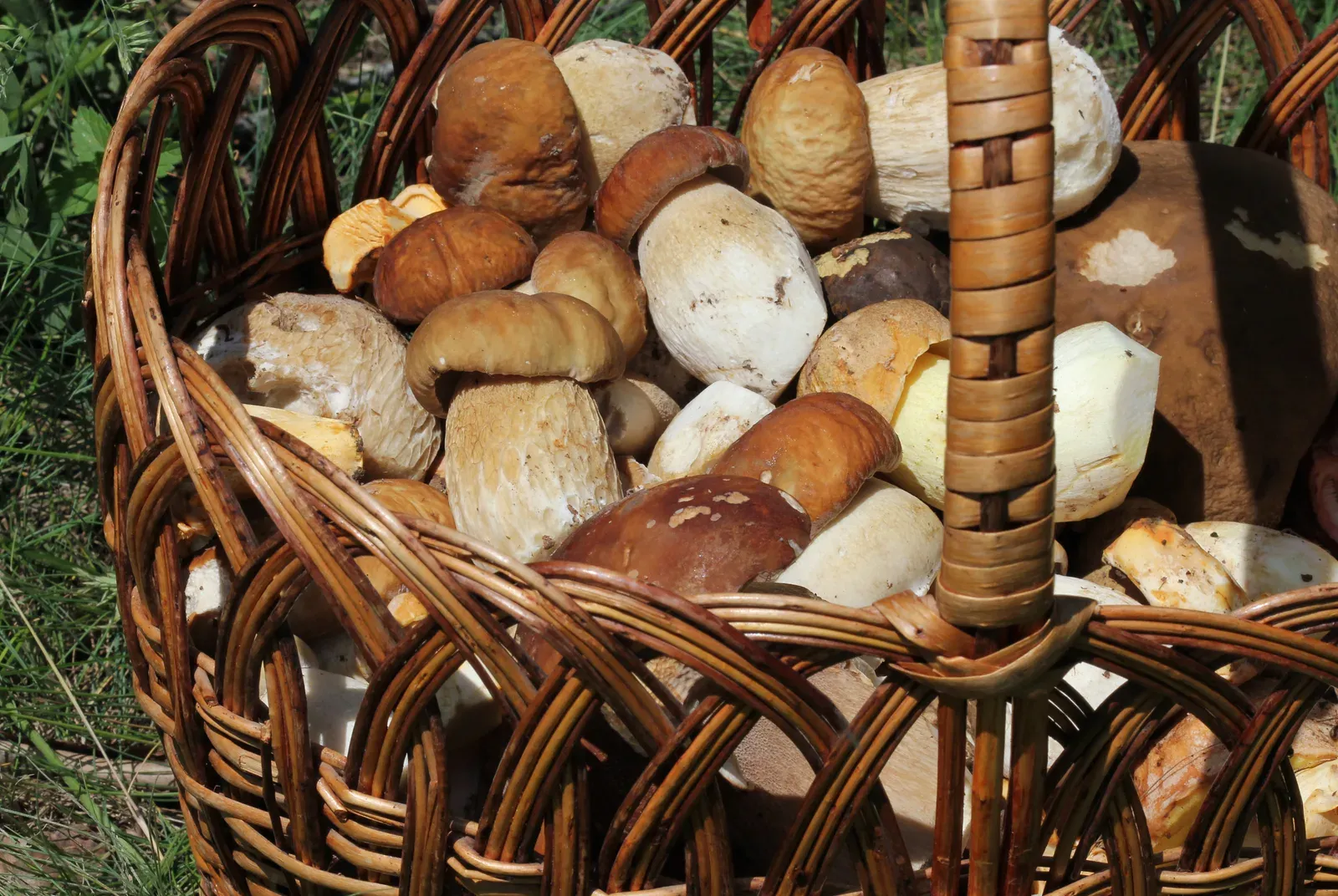 Recipes & cooking
How to store fresh mushrooms, and for how long
Fresh mushrooms spoil faster than you might think. Here's how long they keep in the fridge, how to store them…
August 21, 2026·4 min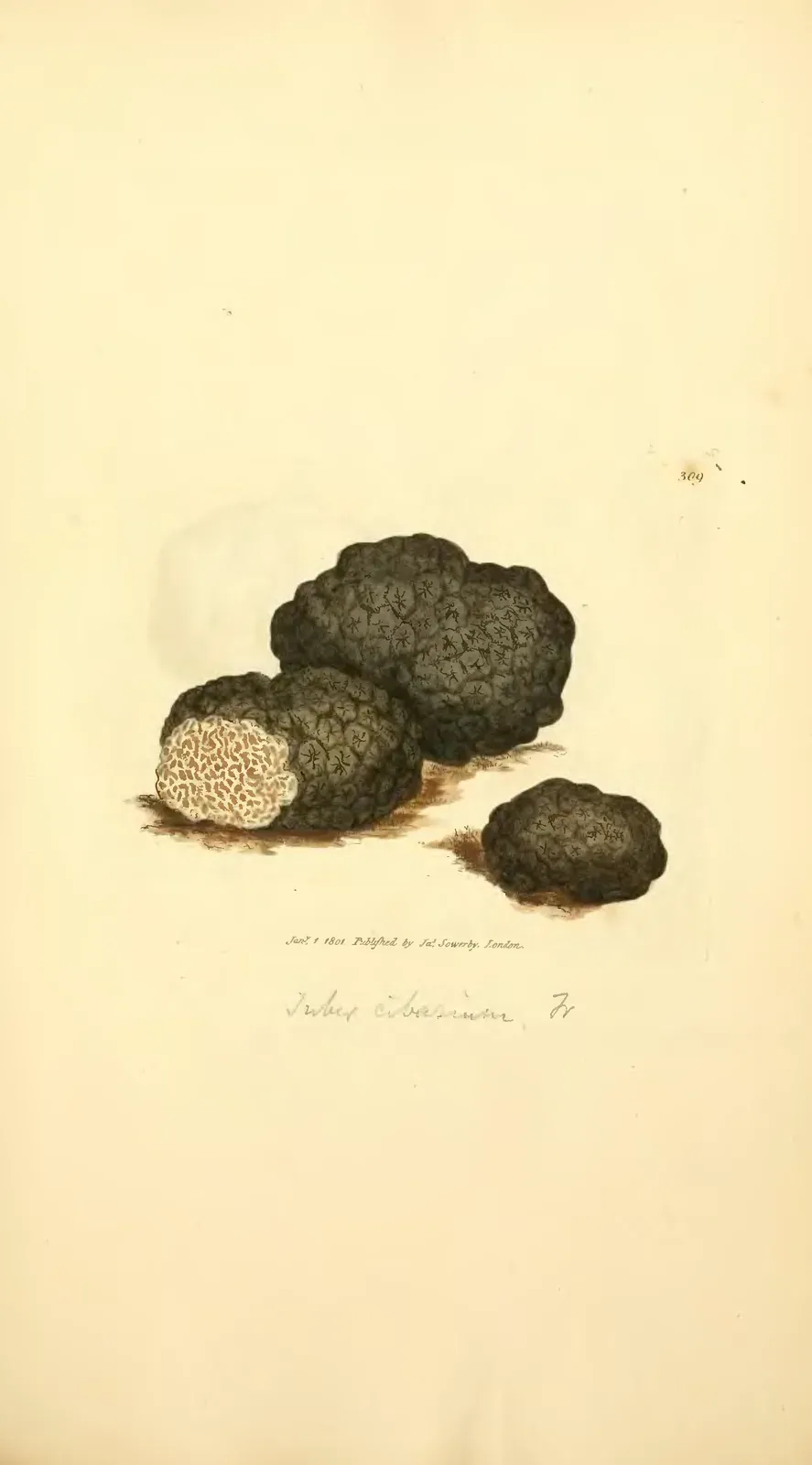 How to identify
Truffles in Ukraine: do they grow here, and where to look
Truffles aren't just a French delicacy. Several species grow in Ukraine too. Here's which ones, where they occ…
August 24, 2026·2 min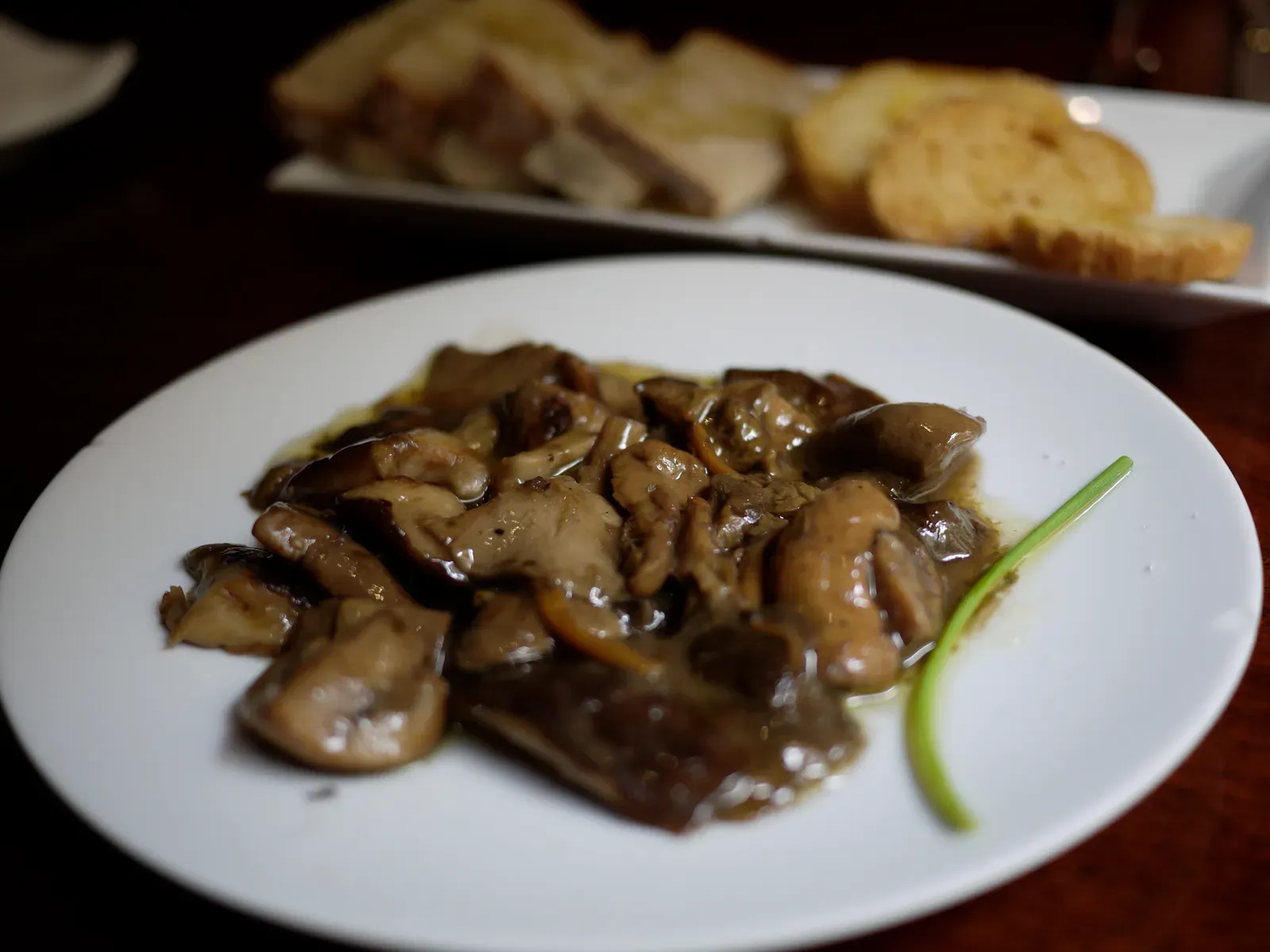 Recipes & cooking
How long to boil mushrooms
Boiling time depends on the type of mushroom and on what you're cooking next. Here's a clear cheat sheet: how…
August 22, 2026·4 min