.webp)
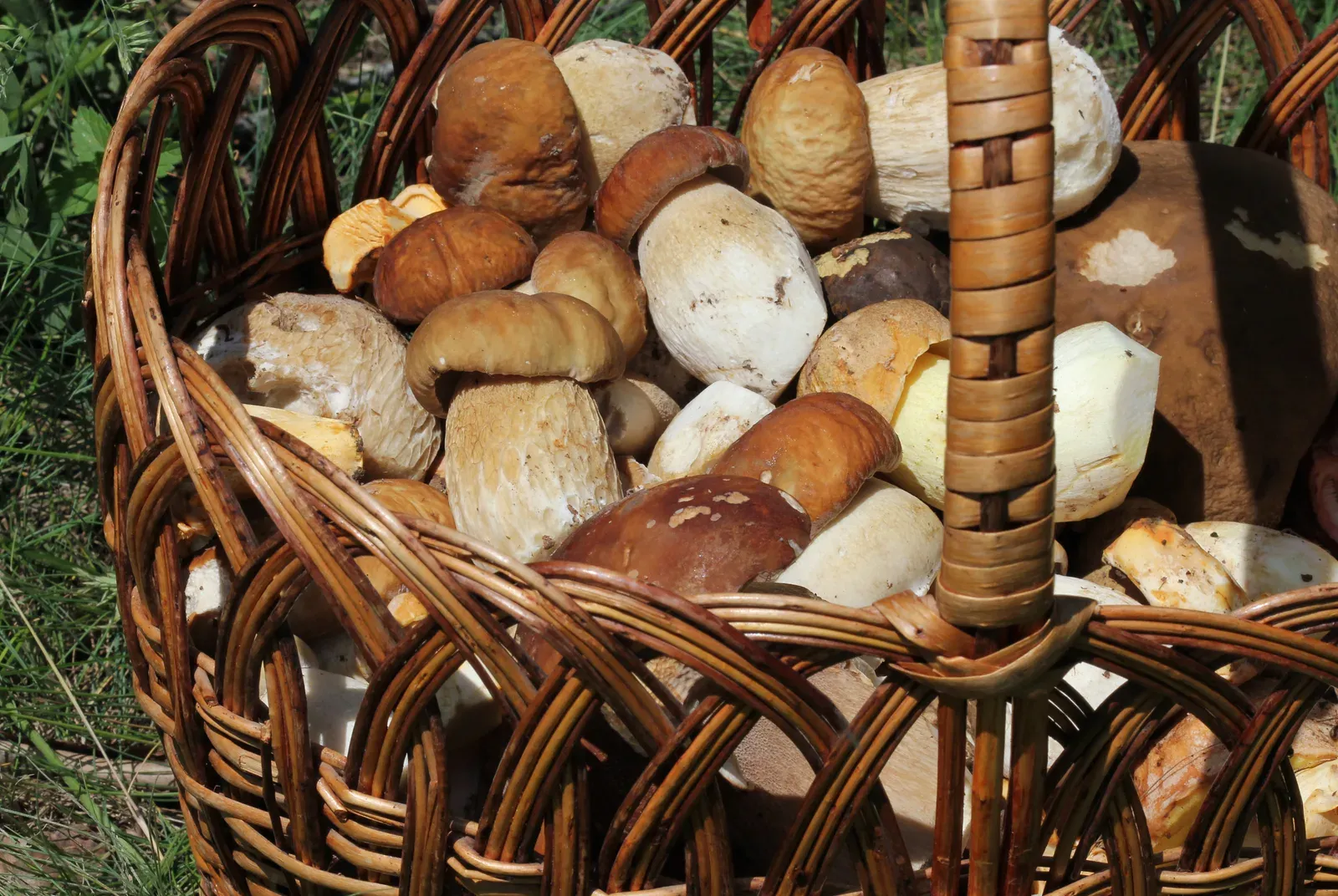
Ask foragers where in Ukraine you'll find the most mushrooms, and many will name Polissia without hesitation. This wooded region in the north of the country, with its pine forests, damp mixed woods, bogs and sandy soils, is a true mushroom kingdom. People come here for mushrooms by the basketful, and locals put them up for winter by the bucket.
Let's look at which mushrooms grow in Polissia, when the season is, and why the region is so generous with its harvest.
Why Polissia is so rich in mushrooms
Polissia's generosity comes from a combination of several natural conditions.
First, there are vast areas of pine and mixed forest here, the favorite habitat of many prized mushrooms. Second, the humid climate, bogs and shallow groundwater keep the forest litter moist even in dry spells. Third, the sandy soils of the pine forests are ideal for slippery jacks, porcini and chanterelles.
All of this together makes Polissia a region where mushrooms come up steadily and in abundance. For an overview of the region, see the pages for the Zhytomyr, Rivne and Volyn oblasts.
Which mushrooms grow here
A Polissia basket is a classic of Ukrainian mushroom cooking.
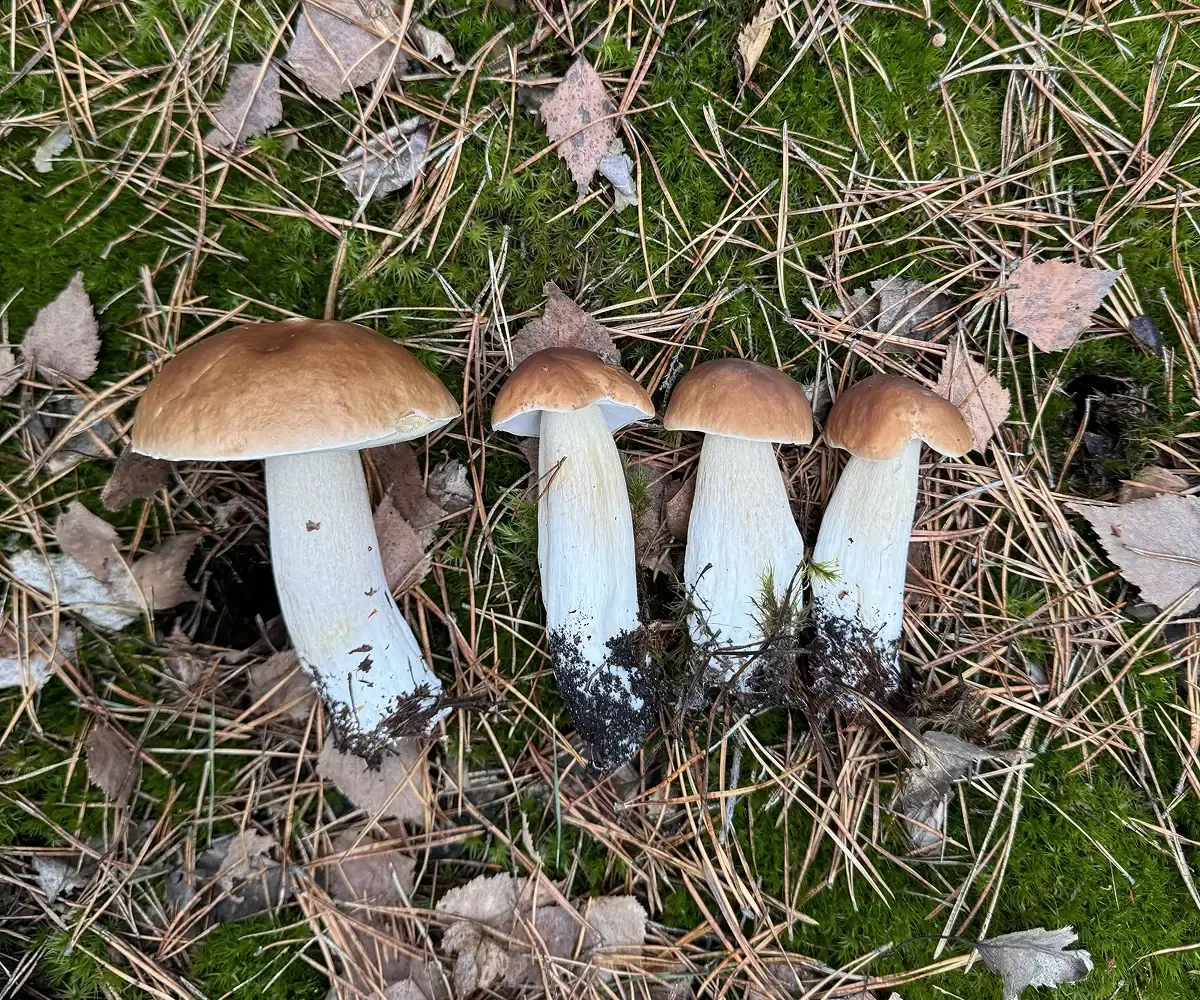
- **Porcini.** The pride of Polissia, especially the pine-forest porcini from the sandy pinewoods.
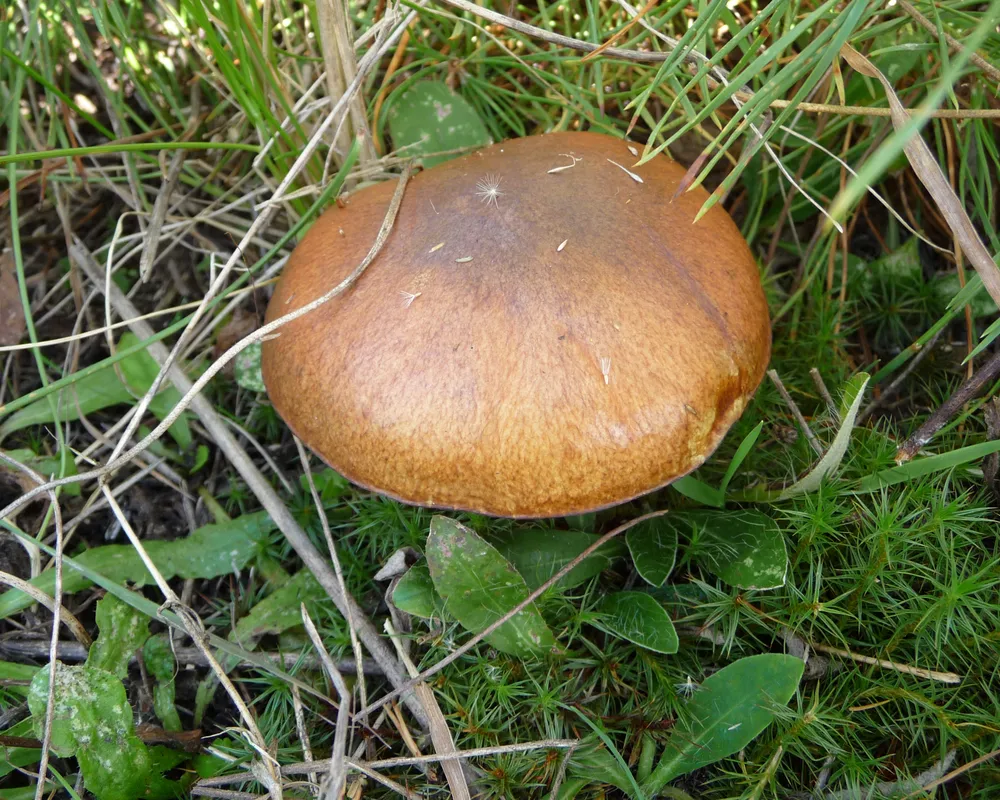
- **Slippery jack.** Grows in pine forests en masse, often in whole clearings.
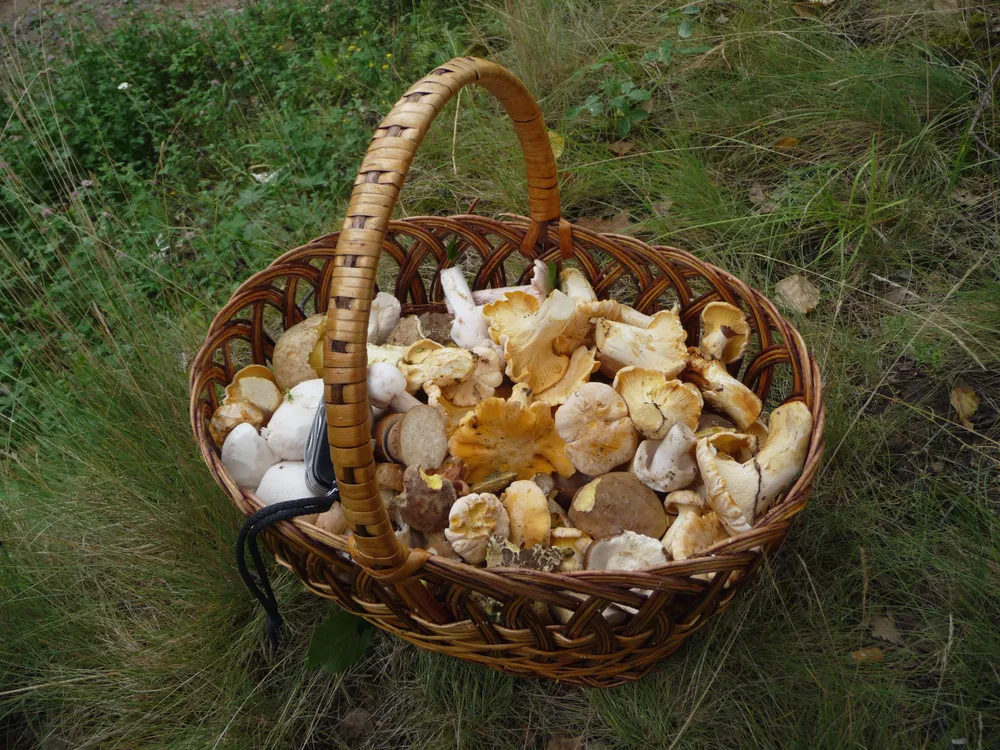
- **Chanterelle.** The region's damp forests yield chanterelles in abundance all summer and autumn.
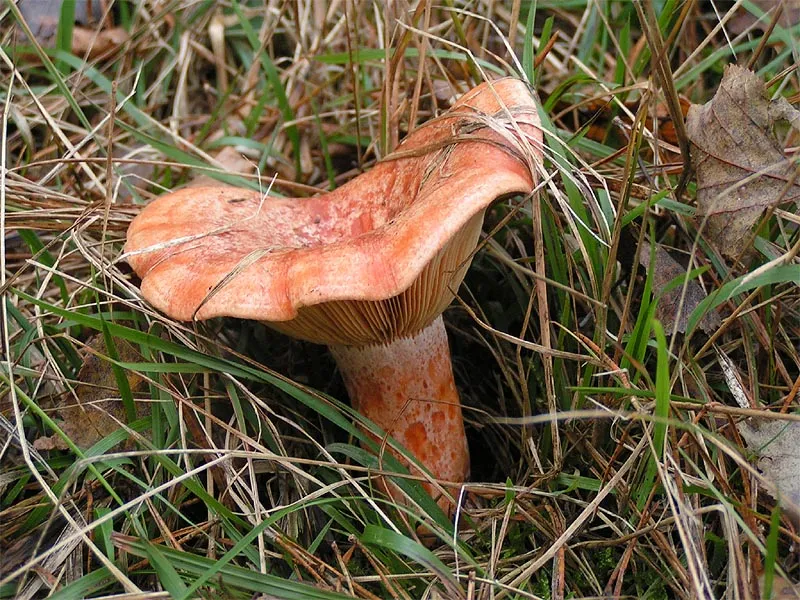
- **Saffron milk cap.** The classic mushroom of Polissia's conifer forests for salting.
They're joined by birch boletes, Xerocomus boletes, brittlegills and, in autumn, honey fungus. For what to pick each month, see the mushroom calendar.
When the season is in Polissia
Thanks to the moisture, the season here is long and steady.
The first slippery jacks and chanterelles appear as early as June, the peak falls in August–September, and the autumn flush of porcini and saffron milk caps lasts into October. The region's humid climate means that even in a dry summer Polissia suffers from drought less than other regions, so mushrooms show up here more often.
For the exact moment in a particular forest, check the mushroom radar, because even in a generous region it all comes down to rain and warmth.
What to watch out for
Polissia's forests have their own quirks worth keeping in mind.
- Bogs and moisture. Many mushroom spots are near bogs. Wear suitable footwear and don't wade into quagmires.
- It's easy to get lost. Vast, uniform pine forests are disorienting, so take your phone and note landmarks.
- Radiation zones. Part of Polissia was affected by the Chornobyl nuclear disaster. In restricted zones you must not pick mushrooms, because they accumulate radionuclides.
- Pick what you know. Polissia's mushrooms include dangerous ones too, so stick to the rules of safe foraging.
With these nuances in mind, Polissia will reward you with the fullest basket in Ukraine. And for a guide to dangerous species, keep our reference on poisonous mushrooms.
Sources
- “Key to the Fungi of Ukraine” (Kyiv, Naukova Dumka publishing house).
- Boletus edulis on GBIF, the global biodiversity database.
- Fungi on MycoBank, the international fungal nomenclature database.
- Polesia on Wikipedia.
Frequently asked questions
Why is Polissia considered the richest mushroom region?
Thanks to its vast pine and mixed forests, humid climate with bogs, and sandy soils. Together they deliver a steady, abundant mushroom harvest even in dry years.
Which mushrooms grow in Polissia?
First and foremost , , and , plus birch boletes, Xerocomus boletes, brittlegills and autumn honey fungus.
When is mushroom season in Polissia?
The first slippery jacks and chanterelles come in June, the peak is in August–September, and the autumn flush of porcini and saffron milk caps lasts into October. Thanks to the moisture, the season here is long and steady.
Is it safe to pick mushrooms in Polissia?
Mostly yes, but part of the region was affected by the Chornobyl nuclear disaster. In restricted zones you must not pick mushrooms: they accumulate radionuclides. Elsewhere, follow the usual safety rules.
Which oblasts belong to Polissia?
First and foremost , and oblasts, plus the northern parts of neighboring oblasts. It's a wooded region in the north of Ukraine.
Why are there so many slippery jacks in Polissia?
Because there are large areas of pine forest on sandy soils here, the ideal habitat for the . It grows in pine forests en masse, often in whole clearings.
What should you watch out for in Polissia's forests?
Bogs and moisture (you'll need suitable footwear), the risk of getting lost in vast, uniform pine forests, and radiation restrictions in certain zones. Take your phone and note landmarks.
How can you tell whether mushrooms are up in Polissia?
Check the : even in a generous region it all comes down to rain and warmth. The overall month-by-month picture comes from the .
Mushrooms in this article
Related articles
 Recipes & cooking
How to store fresh mushrooms, and for how long
Fresh mushrooms spoil faster than you might think. Here's how long they keep in the fridge, how to store them…
August 21, 2026·4 min How to identify
Truffles in Ukraine: do they grow here, and where to look
Truffles aren't just a French delicacy. Several species grow in Ukraine too. Here's which ones, where they occ…
August 24, 2026·2 min Recipes & cooking
How long to boil mushrooms
Boiling time depends on the type of mushroom and on what you're cooking next. Here's a clear cheat sheet: how…
August 22, 2026·4 min