June only opened the season, but July brings it to full strength. The forest is generous, yet more demanding too: the heat dries out the soil quickly and the warmth wakes up the insects, so the real question is no longer "are there any mushrooms?" but "when should you go?"
Let's look at which species are in full swing right now, where to find them, and why in July it matters so much to follow the rain and head out early in the morning.
Why July is the height of the summer season
By July the mycelium is fully awake: one good warm rain is enough for the forest to be covered with young mushrooms in two or three days. Flushes follow one after another, and in a good month there can be several of them.
But July has a flip side. In heat without rain the soil dries out and the mushrooms "sit it out" underground, while the warmth brings out the insects, so July mushrooms are more often wormy than June ones. Hence the golden rule of the month: follow the rain and don't wait around — the first flush is always the cleanest.
Instead of guessing at random, check the mushroom radar: it shows when moisture and warmth line up well for mushrooms to appear in your region.
Chanterelles in full swing
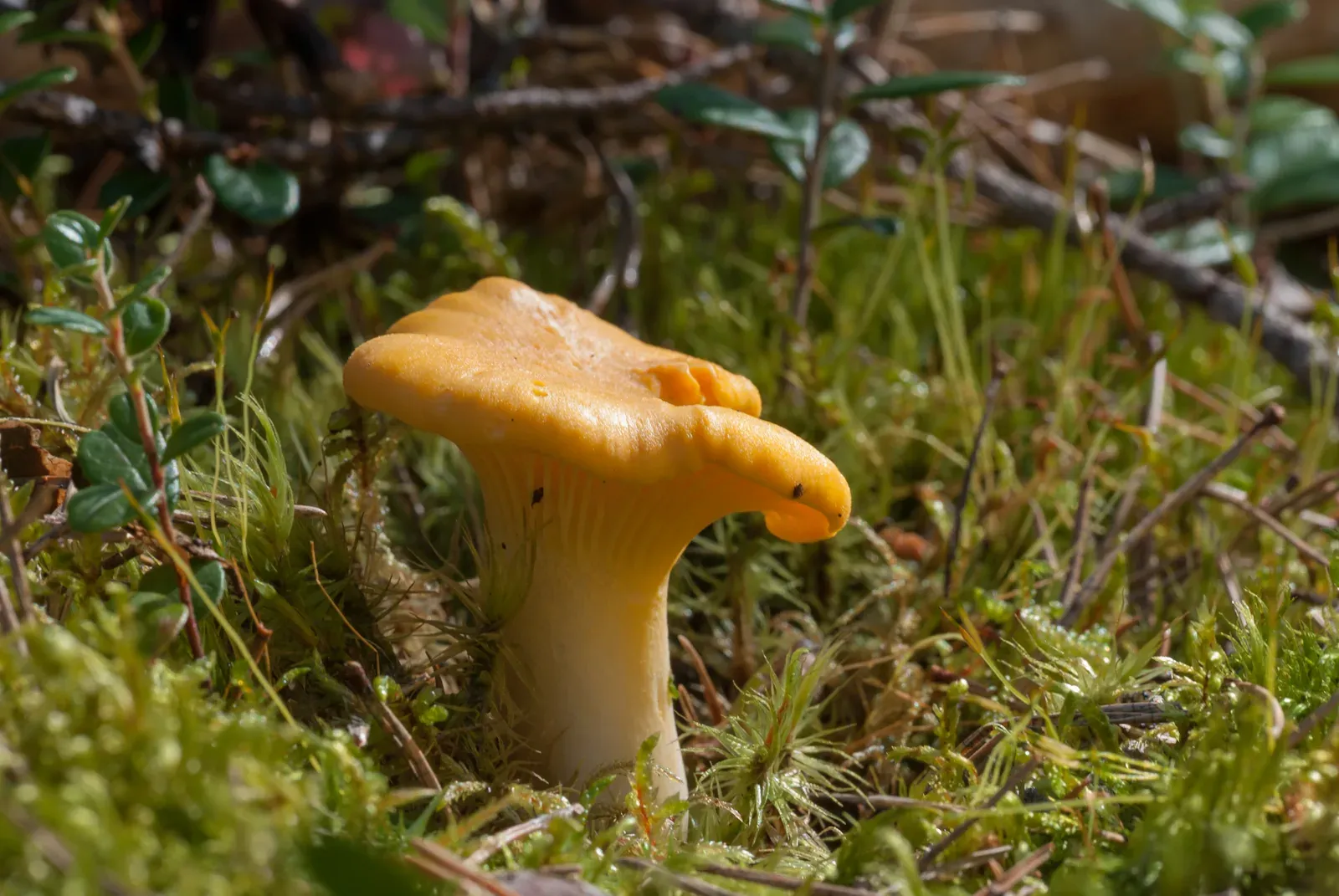
July is the chanterelle month. What only began in June now goes at full strength: bright yellow clusters turn up in mixed and deciduous forests, often under oaks, beeches and birches.
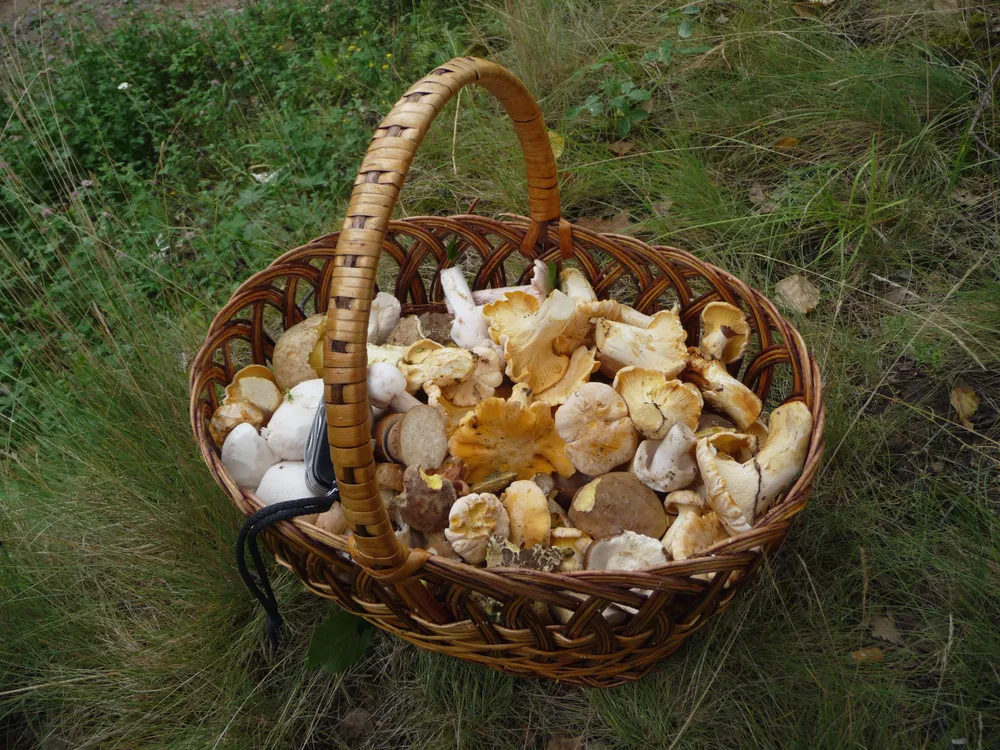
In the July heat the chanterelle is priceless because it is almost never wormy — insect larvae leave it alone. So even in warm weather you bring home a clean basket. Look for chanterelles in slightly damp, grassy spots, among moss and fallen leaves; once you find one cluster, look around — the neighbors are almost always hiding nearby.
Summer boletes: porcini, slippery jacks, brown birch bolete
Pored mushrooms with a spongy layer under the cap are July's main prize, and after every wave of rain there are noticeably more of them.
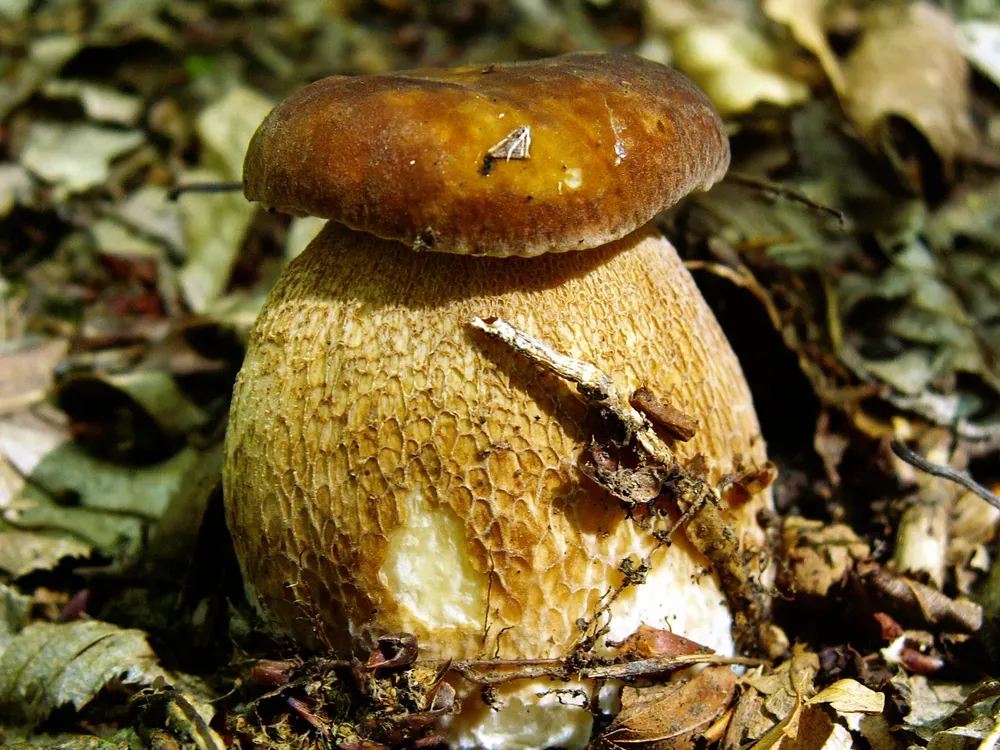
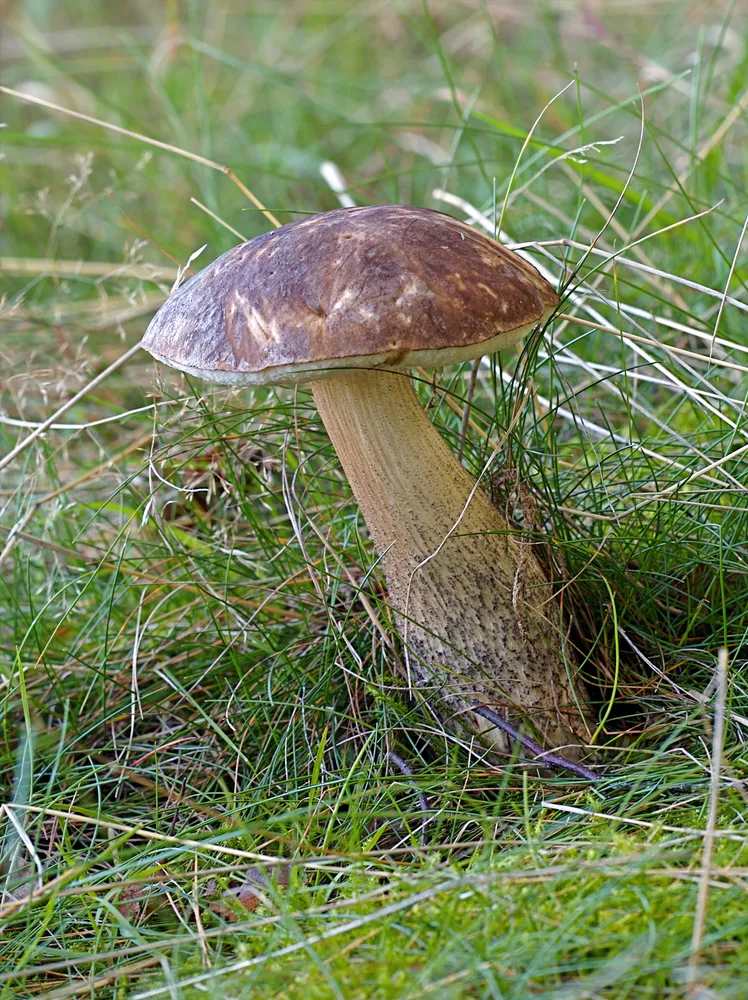
- Summer bolete. Boletus reticulatus stays around all July in deciduous and mixed forests under oaks and beeches. The pale net on the stem and the brown velvety cap are unmistakable.
- Slippery jacks. In July, young pine stands produce friendly flushes of slippery jacks, especially after warm rains. We cover in more detail when the slippery jack season starts and how long it lasts in a separate article.
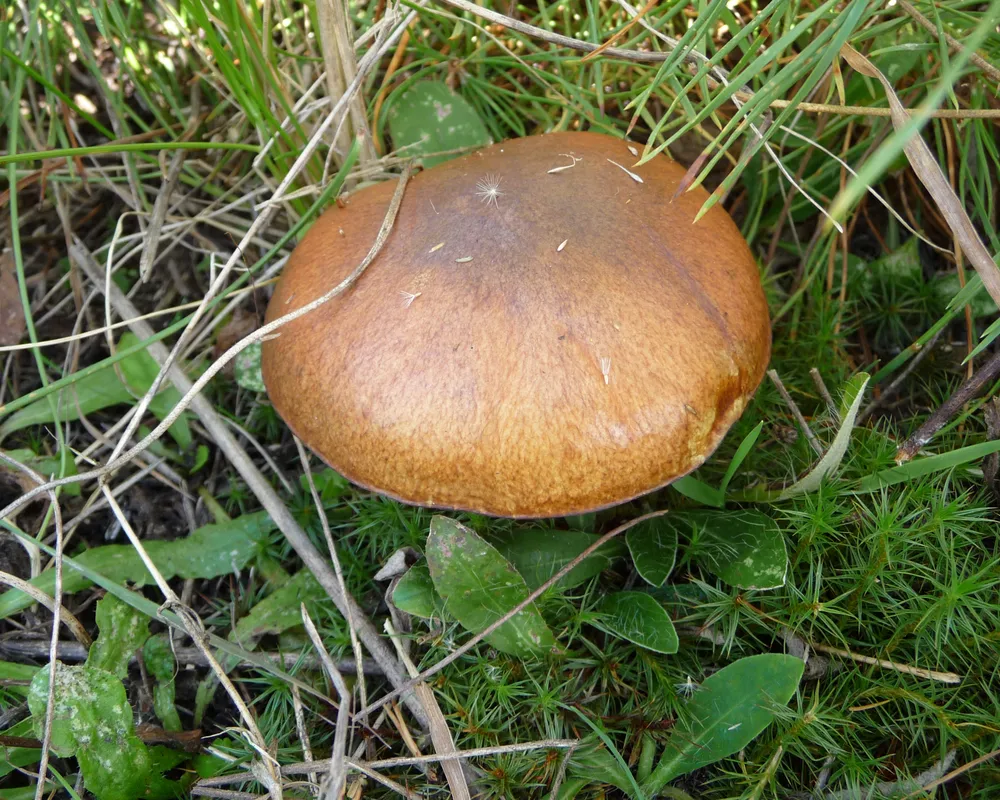
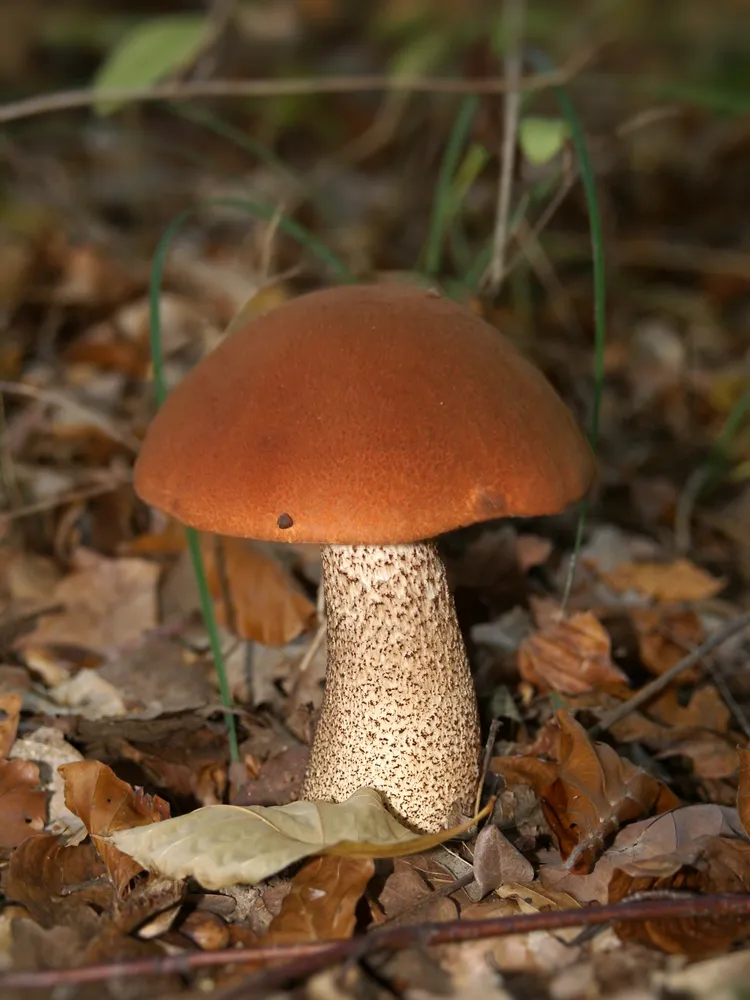
- Brown birch bolete and red-capped scaber stalk. Birch boletes and aspen boletes grow alongside birches and aspens in deciduous and mixed forests. July specimens are still firm, but check the stem for worm holes.
All of them are excellent edible mushrooms, both for frying and for drying.
Brittlegills, Xerocomus boletes and field mushrooms
Besides the main stars, July is generous with "background" mushrooms that are worth not walking past.
- Brittlegills. Probably the most common summer mushrooms, growing just about anywhere — from oak woods to pine forests. Most are edible, but some species are acrid and burning: if the flesh tastes sharply hot, you'd better leave that mushroom.
- Xerocomus boletes. Undemanding pored mushrooms that stay around from June into autumn. Don't be alarmed if one turns blue where it's cut — for this species that's normal and safe.
- Field mushrooms and parasol mushrooms. In July, field mushrooms turn up in meadows and at forest edges, and the parasol mushroom becomes a familiar find. Both have dangerous lookalikes, so check the mushroom comparisons before putting them in your basket.
Where and when to look for mushrooms in July
A few pointers will make your July outing pay off.
- Follow the rain. The best time is two or three days after a good warm rain, when the ground has soaked up moisture. In dry heat it's better to wait for rain than to trample a parched forest.
- Head out at dawn. In the July heat mushrooms are fresher and firmer in the morning, before the forest warms up, and it's easier on you before noon too.
- Check each mushroom for worms. July is insect month. Snap the stem: if it's clean, the mushroom is young and worth the basket.
- Visit different forests. Boletes stick to oaks, birches and pines, chanterelles love moss and damp forest edges, brittlegills grow anywhere. The more varied your route, the fuller your basket.
And most importantly: keep an eye on the weather. Mushrooms can sit out a dry half of July underground, and after the first thunderstorms the forest comes alive within days — and you will catch exactly that moment with the mushroom radar.
Common July foraging mistakes
The height of the season has its pitfalls.
- Going to the forest in the heat without rain. The most common July mistake. Without moisture the mycelium doesn't fruit, no matter how long you wander.
- Taking overripe and wormy mushrooms. In warm weather mushrooms age and get wormy quickly. An old bolete with a sponge that has turned green is better left behind — there's little good in it.
- Waiting for autumn mushrooms. Honey fungus, milk caps and saffron milk caps will come en masse later. In July, bet on chanterelles, boletes and brittlegills instead of looking for what isn't there yet.
- Sticking to a single route. Different mushrooms keep to different trees. Walk through the pine stand, the oak wood and the birch edges — your basket will fill faster.
July rewards attention to the weather: wait for a warm rain, head out in the morning and don't skip different types of forest — and your summer outing will almost certainly be a success.
Sources
- "Vyznachnyk hrybiv Ukrainy" (Key to the Fungi of Ukraine; Kyiv, Naukova Dumka).
- Boletus reticulatus on GBIF, the global biodiversity database.
- Cantharellus cibarius on MycoBank, the international fungal nomenclature database.
- Mushroom hunting on Wikipedia.
Frequently asked questions
Which mushrooms grow in July?
In July chanterelles are in full swing, the summer bolete, slippery jacks, brown birch bolete and red-capped scaber stalk are out, and brittlegills and Xerocomus boletes turn up everywhere.
Are there lots of chanterelles in July?
Yes, July is the chanterelle month. After warm rains they grow in big clusters in mixed and deciduous forests and are almost never wormy.
Why are July mushrooms more often wormy?
In the July heat the forest is full of insects whose larvae spoil mushrooms. So it's worth checking boletes and field mushrooms for worm holes, and the cleanest is always the first flush after rain.
When is the best time to go to the forest in July?
Two or three days after a good warm rain, and ideally at dawn. In dry heat mushrooms sit it out underground, so go by the mushroom radar, which shows the good windows.
Does porcini grow in July?
Yes. The summer bolete, Boletus reticulatus, stays around all July in deciduous and mixed forests under oaks and beeches.
Can you pick slippery jacks in July?
Yes, in July young pine stands produce flushes of slippery jacks after warm rains. Take young, firm mushrooms and check them for worm holes.
Where to look for mushrooms in the July heat?
In damper, shady spots — hollows, north-facing slopes, under dense canopies where the soil holds moisture longer. On open, dry forest edges there are almost no mushrooms in the heat.
Is it dangerous when a Xerocomus bolete turns blue where it's cut?
No, the bluing of Xerocomus boletes is harmless — it's a normal reaction of the flesh to air. Among edible boletes it's a normal trait.
Mushrooms in this article
Related articles
 Recipes & cooking
How to store fresh mushrooms, and for how long
Fresh mushrooms spoil faster than you might think. Here's how long they keep in the fridge, how to store them…
August 21, 2026·4 min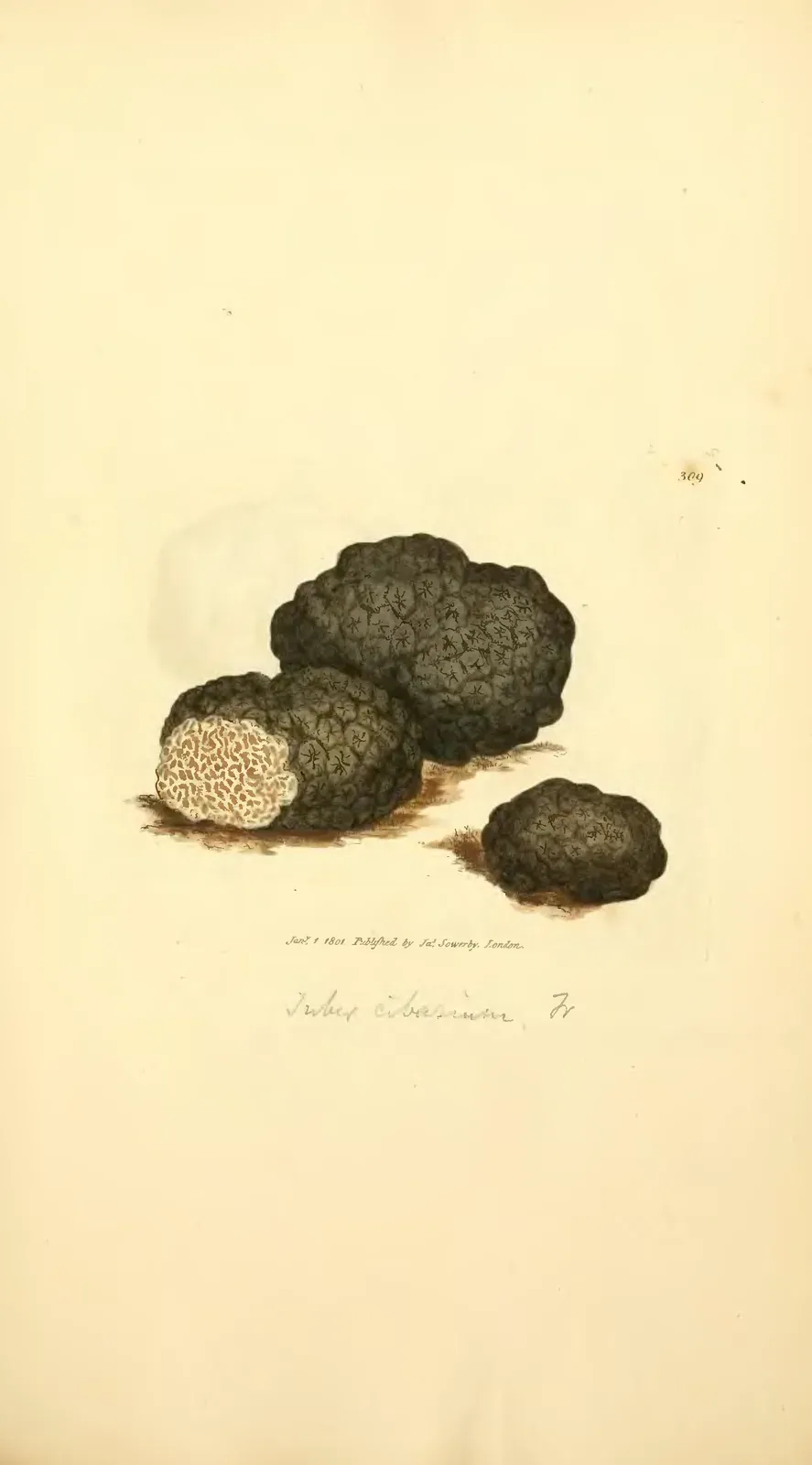 How to identify
Truffles in Ukraine: do they grow here, and where to look
Truffles aren't just a French delicacy. Several species grow in Ukraine too. Here's which ones, where they occ…
August 24, 2026·2 min Recipes & cooking
How long to boil mushrooms
Boiling time depends on the type of mushroom and on what you're cooking next. Here's a clear cheat sheet: how…
August 22, 2026·4 min