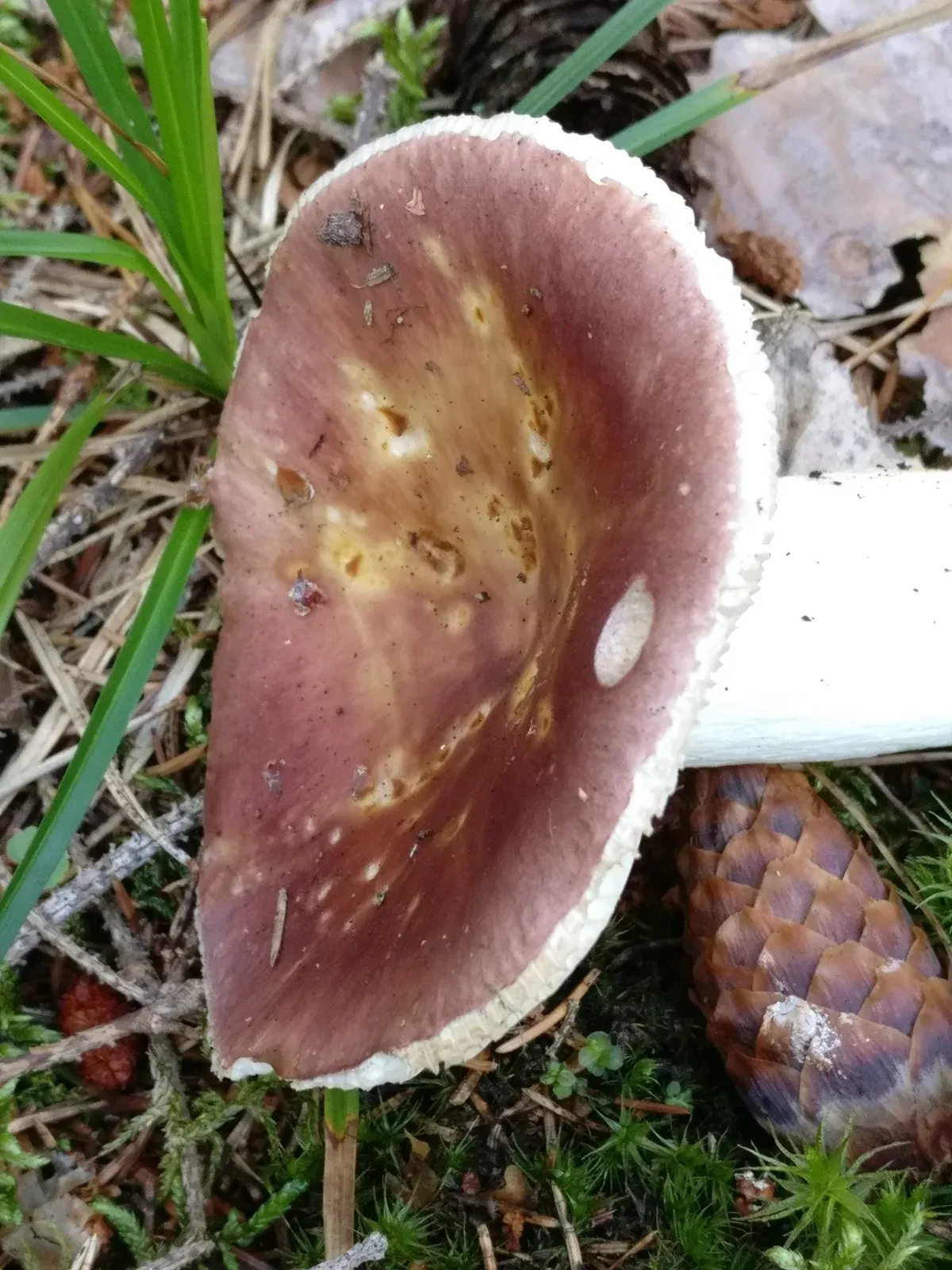
The Ukrainian name of this mushroom, сироїжка, literally means “eat it raw”, and it sounds like permission. It is not, and that is the first thing to know about brittlegills in the kitchen.
And the second thing, the most important one, is probably exactly what you came looking for: there are no deadly poisonous brittlegills in Europe. They can ruin your dinner and your stomach; they cannot kill you.
Let us take it in order: why they are not eaten raw, how to taste-test a mushroom right there in the forest, how long to boil brittlegills and whether you need to peel the cap.
Can you eat brittlegills raw
No. The harmful substances in brittlegills are tied precisely to raw and undercooked flesh, and heat deals with them. That is why brittlegills, whatever the name suggests, are always boiled, fried or salted.
The name most likely came from salting: salted brittlegills “come good” quickly, almost without boiling. But that is salting, not a raw mushroom out of the basket.
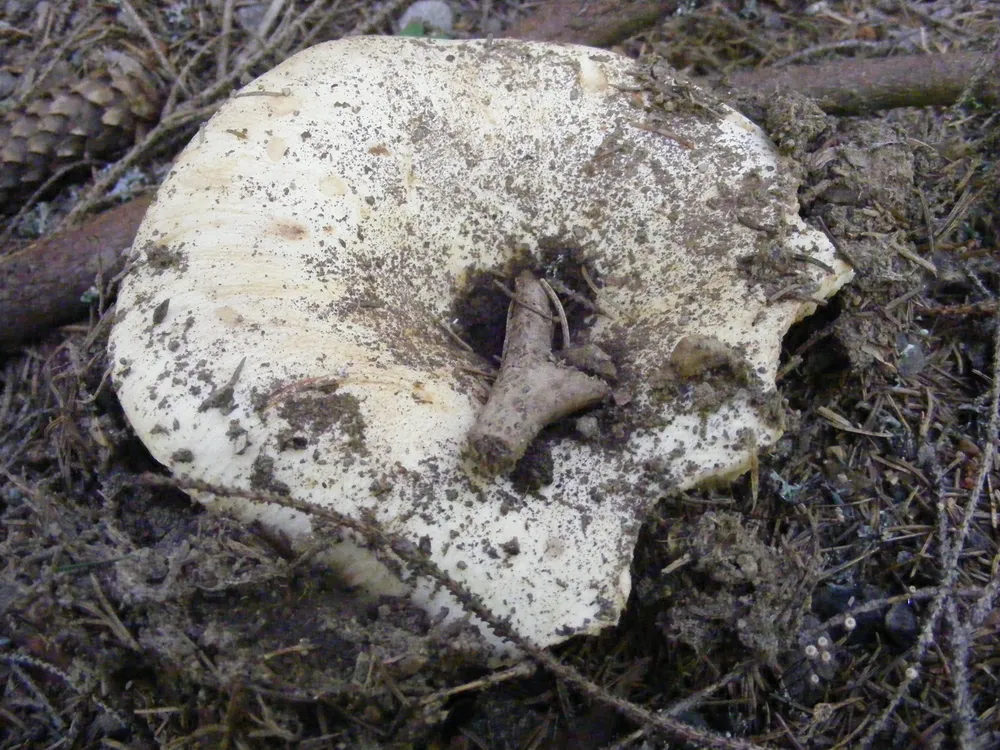
Now about the fear most people bring to brittlegills. The sickener, the best known of the “wicked” ones, is inedible, but not as dangerous as the old mushroom guides described it. It is fiery hot, it can give you an upset stomach, and that is where it ends.
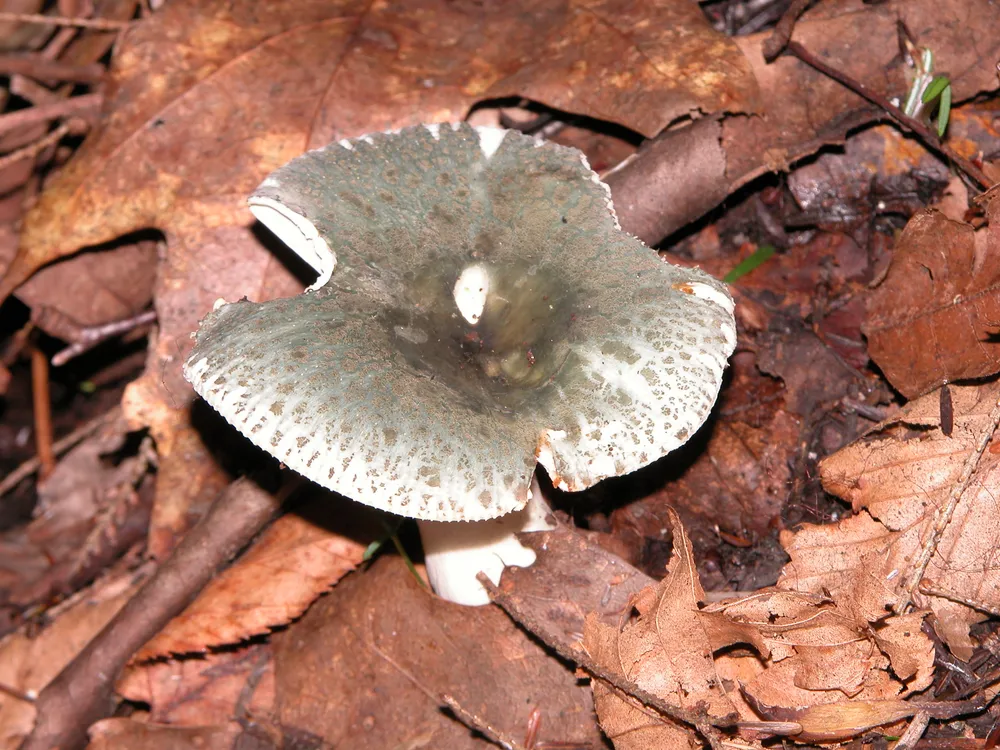
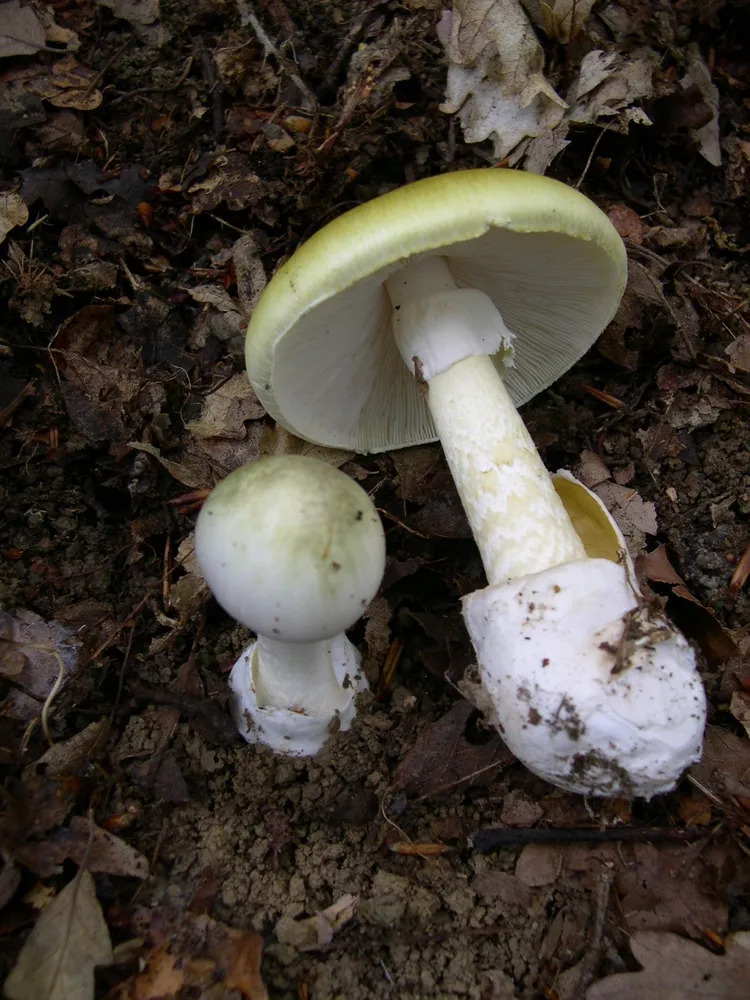
The real danger with brittlegills is a different one: not eating a bad brittlegill, but taking a mushroom from an entirely different family for a brittlegill. The greencracked brittlegill is confused with the death cap, and here the price of a mistake is already lethal. Before you fill your basket it is worth re-reading our death cap and greencracked brittlegill compared and the article on brittlegill lookalikes.
The taste rule: take the mild one, leave the acrid one
German mycological practice has a rule named after these very mushrooms, Täublingsregel, the brittlegill rule. It is short: within three genera, brittlegills (Russula), milkcaps (Lactarius) and Lactifluus, species with a mild taste are edible, while acrid or bitter ones are considered poisonous and/or inedible.
Here is how you check: break off a tiny piece of the cap, chew it with the tips of your teeth and spit it out. You must never swallow it, not even a crumb. Afterwards rinse your mouth well.
If it burns and stings like pepper, the mushroom stays in the forest. If the taste is mild, nutty, slightly sweet, you can take it.
And now two warnings, without which this rule turns into a trap.
First: it works only within those three genera. Carrying it over to any other mushroom means risking severe or fatal poisoning, because plenty of deadly poisonous mushrooms taste perfectly mild, even pleasant. The death cap is neither bitter nor burning, and that is exactly why “it tasted fine” has never saved anyone.
Second: identifying a brittlegill down to the species really is hard. We will say it plainly, as it is: in this genus a reliable identification often takes a microscope, and even experienced foragers stop at “some kind of brittlegill”. So the taste rule is not a species identification, only a “take it or leave it” filter for a mushroom you are already sure is a brittlegill or a milkcap.
### The four exceptions nobody mentions
The rule is a good one, but not absolute, and naming its exceptions honestly matters more than praising it.
- Russula subnigricans. Mild in taste and at the same time potentially deadly. It does not occur in Europe, it is an East Asian species, and that is exactly why the sentence above said “in Europe”. But on its own it shows that taste cannot be the only argument everywhere in the world.
- Russula olivacea, the olive brittlegill. The taste is mild, yet in some people it brings on intolerance reactions.
- Lactarius deterrimus, the false saffron milk cap. Slightly bitter, but edible. Here the rule is too strict and turns down a good mushroom.
- The acrid milkcaps of Eastern European cooking. They are eaten after soaking and boiling, so “acrid” in that tradition does not mean “throw it away” but “give it some work”.
The careful route is simple: the taste rule is added to identifying the mushroom, it does not replace the identifying. If you are not even sure of the genus, taste will not help you, and the mushroom stays in the forest. Which brittlegills are worth knowing by sight is gathered in our guide to brittlegill species, and the fiery and dangerous ones are covered separately: which brittlegills are poisonous.
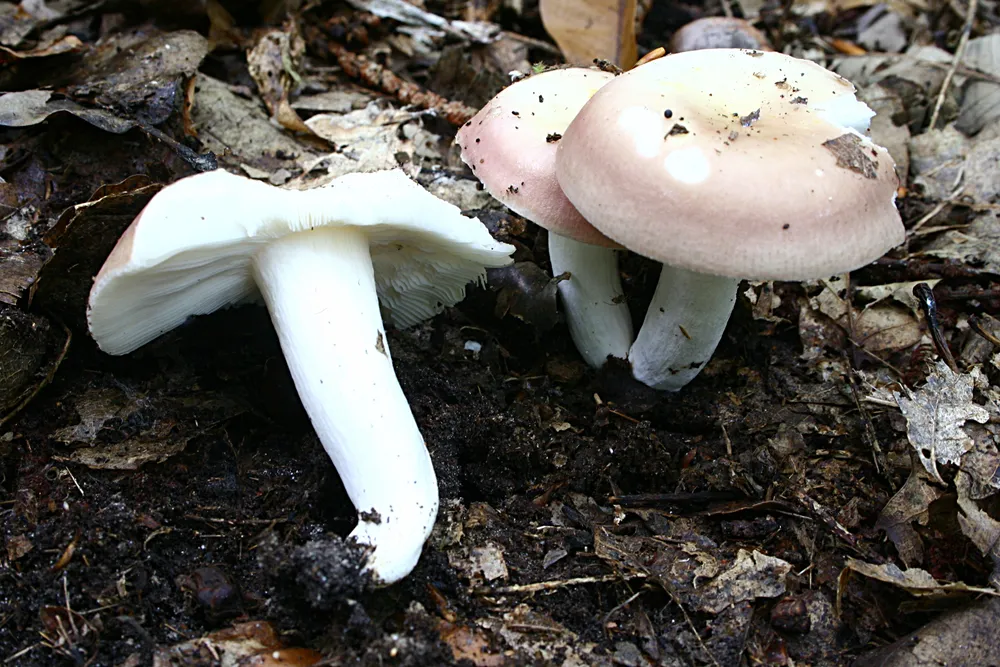
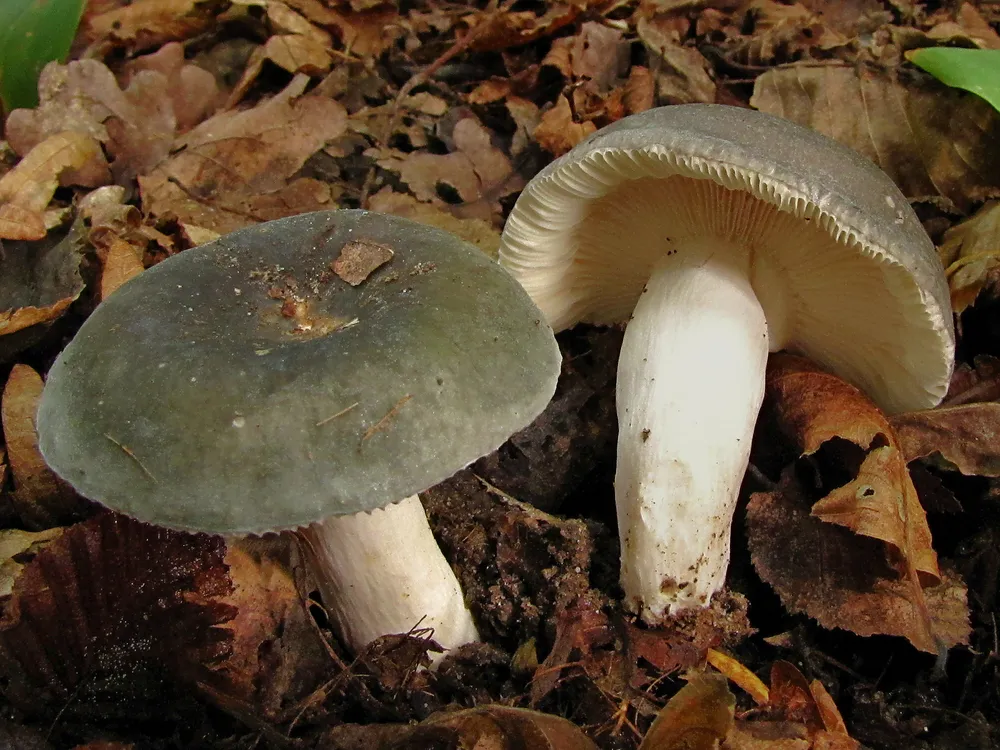
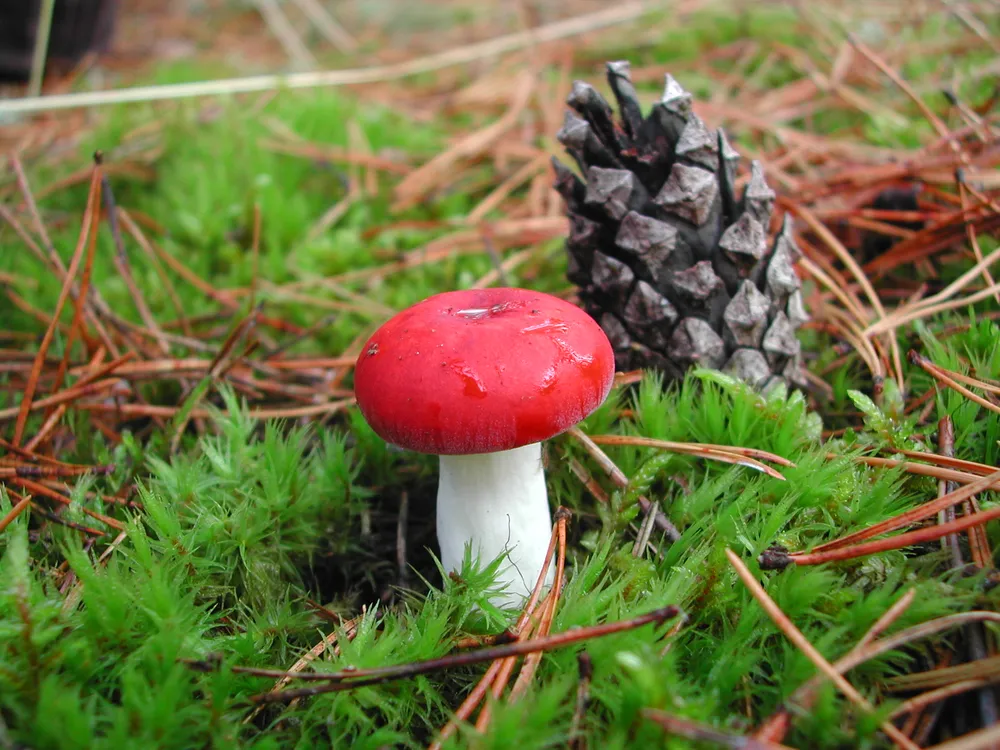
The calmest choices for the basket are the bare-toothed russula and the charcoal burner: both mild, with no bitterness. The milk-white brittlegill is good too, but every whitish mushroom calls for a look at the base of the stem, because that is exactly where a death cap shows itself.
How to clean brittlegills
Brittlegills are fragile, and that is their main kitchen trait. Half the work is not breaking what is already in the basket: lay them caps up and do not pile heavy pored mushrooms on top of them.
- Trim off the bottom of the stem with the soil on it, and take away any dried or nibbled edges of the cap.
- Scrape off leaves, needles and sand with a knife or a brush, they love to pack themselves into the gills.
- Cut the mushroom open and look it over for maggots, brittlegills get colonised readily.
- Rinse them quickly in cold water and do not soak them for long: water makes the flesh even more crumbly.
Old brittlegills with a drooping, cracked cap are better not carried home at all: they fall apart in the colander.
How long to boil brittlegills
We stick to 20–30 minutes from the moment it boils, the same as in our cheat sheet how long to boil mushrooms.
Ukrainian sites quote 5–10 and 15 minutes as well, so the disagreement here is real, and it is worth saying why we stand on the longer time. An overcooked brittlegill costs you texture, it goes softer and breaks more easily. An undercooked one costs you your health, because toxicity in this family is tied precisely to raw and undercooked flesh. When the price of a mistake is that uneven, we choose the safe side.
The sign that they are done is the same as for the rest of the forest mushrooms: cooked mushrooms settle to the bottom of the pot, while undercooked ones are still floating.
The water is poured away after boiling. If some bitter-tasting mushrooms have turned up among the rest, boil them in a separate pot rather than together with the good ones, so they do not hand their bitterness to the whole dish.
Do you need to peel the cap
The short answer: not necessarily. The skin of a brittlegill is not harmful, and for a fried or boiled dish you can happily leave it on.
People take it off for two rather domestic reasons: on big mushrooms it can be a little tough, and on bright ones it also dyes the dish an unappetising colour. The skin comes off a damp cap easily, so it is a matter of a minute and of your own wish.
And here is the more interesting part: how easily it peels is itself a sign about the mushroom. On the sickener the skin strips away almost to the middle of the cap. So when it comes off all the way to the centre, that is not a kitchen convenience but a reason to look at the mushroom more closely and check it by taste.
How to fry and salt brittlegills
After boiling, brittlegills are tipped into a colander and left to drain, otherwise they will release water in the pan.
Then the simplest and the tastiest: onion, oil or butter, fry until the moisture has evaporated and the edges have browned. Salt at the end, and sour cream or herbs are a good addition. Brittlegills are delicate, so stir them rarely and gently, otherwise you will have mushroom mush on the plate.
Salting is the second classic for this family. Salted brittlegills come out crisp, while acrid species are traditionally soaked and boiled first, and only then go into the brine. For beginners it is simpler and wiser to salt only the clearly mild mushrooms.
When to go out for them and where to look is set out in the article where and when to pick brittlegills.
Sources
- Täublingsregel on German Wikipedia, the taste rule for the genera Russula, Lactarius and Lactifluus and its exceptions.
- Russula emetica on Wikipedia, the species description and the peeling of the cap skin.
- Russula on Wikipedia, on how hard it is to identify species in this genus.
- Our own cheat sheet how long to boil mushrooms.
Frequently asked questions
Can you eat brittlegills raw?
No, whatever the name suggests. Toxicity in this family is tied precisely to raw and undercooked flesh, and heat deals with it. Brittlegills are boiled, fried or salted; they are not eaten raw out of the basket.
How long do you boil brittlegills?
20–30 minutes from the moment it boils. You will meet advice to boil them for 5–10 or 15 minutes, but we stand on the longer time: an overcooked brittlegill only loses texture, while an undercooked one is a question of health. Mushrooms that are done settle to the bottom of the pot.
Are any brittlegills deadly poisonous?
There are none among Europe's brittlegills. is inedible and fiery hot, but not as dangerous as the old guides used to write. The only species with a potentially deadly reputation is Russula subnigricans, and it is dangerous precisely because it tastes mild.
How do you taste-test a brittlegill properly?
Break off a tiny piece of the cap, chew it with the tips of your teeth and be sure to spit it out, then rinse your mouth. You must not swallow even a crumb. A burning, acrid taste means the mushroom stays in the forest.
Can you use the taste test on other mushrooms?
Absolutely not. The taste rule works only within the brittlegills (Russula), milkcaps (Lactarius) and Lactifluus. Many deadly poisonous mushrooms, the among them, taste perfectly mild, so outside these genera such a check proves nothing and can cost you your life.
Do you have to peel brittlegills?
Not necessarily, the skin is not harmful. People take it off when the cap is big and the skin is a little tough, or when a bright colour dyes the dish. The interesting part is something else: on the sickener the skin strips away almost to the middle of the cap, and that is a sign worth paying attention to.
Why do brittlegills crumble, and what can you do about it?
Fragility is a family trait. Take young, firm mushrooms, put them in the basket caps up, do not soak them in water, and stir them rarely and gently in the pan. Old drooping caps are better left in the forest.
Do brittlegills need soaking before salting?
Clearly mild species such as or do not need soaking. Acrid mushrooms are traditionally soaked and boiled first, and only then go into the brine. For beginners it is safer to salt only brittlegills that taste mild.
Mushrooms in this article
Related articles
 Recipes & cooking
Should you drain the water after boiling mushrooms?
The answer is not the same for every mushroom: porcini and chanterelles need only one boil, while honey mushro…
October 4, 2026·9 min Recipes & cooking
How to clean and cook tricholomas
Tricholomas are boiled for 15 minutes and the water is poured away: that is how the earthy smell disappears. W…
October 4, 2026·8 min Recipes & cooking
How to store fresh mushrooms, and for how long
Fresh mushrooms spoil faster than you might think. Here's how long they keep in the fridge, how to store them…
August 21, 2026·4 min