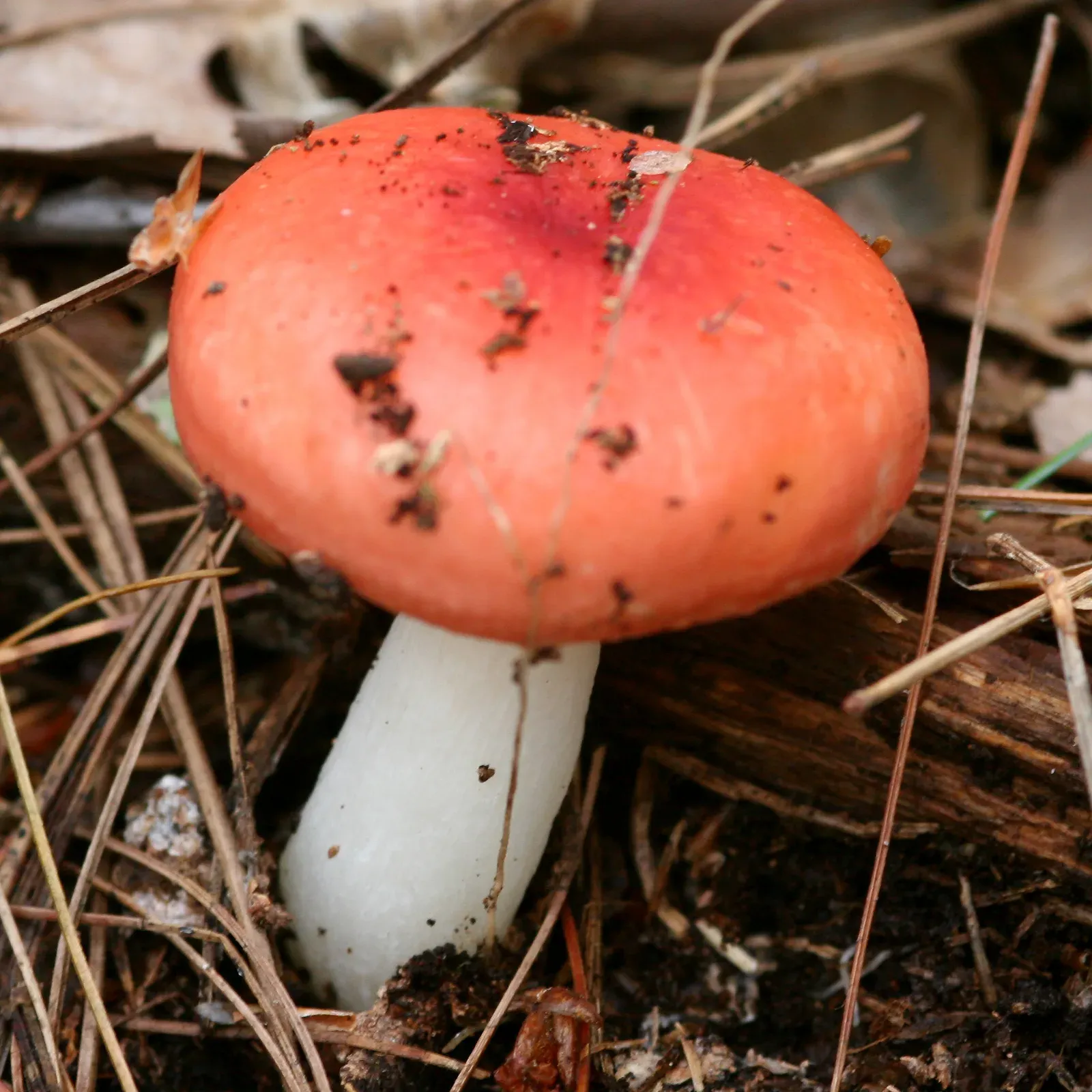
Brittlegills are the largest and most colorful family of mushrooms in our forests. There are dozens of species, from green and blue to bright red, and it's the color that throws people off: a tasty green brittlegill is easy to mix up, and many of the red ones are acrid. So it pays for a forager to know the main species.
Let's look at the main brittlegill species of Ukraine, how they differ and which ones are safe.
Bare-toothed russula
One of the best. The cap is reddish-brown or pink with faded patches, and the flesh is sweetish, with no bitterness. It grows in mixed forests throughout the warm half of the year. The benchmark edible brittlegill, which you can fry right away.
Greencracked brittlegill and charcoal burner
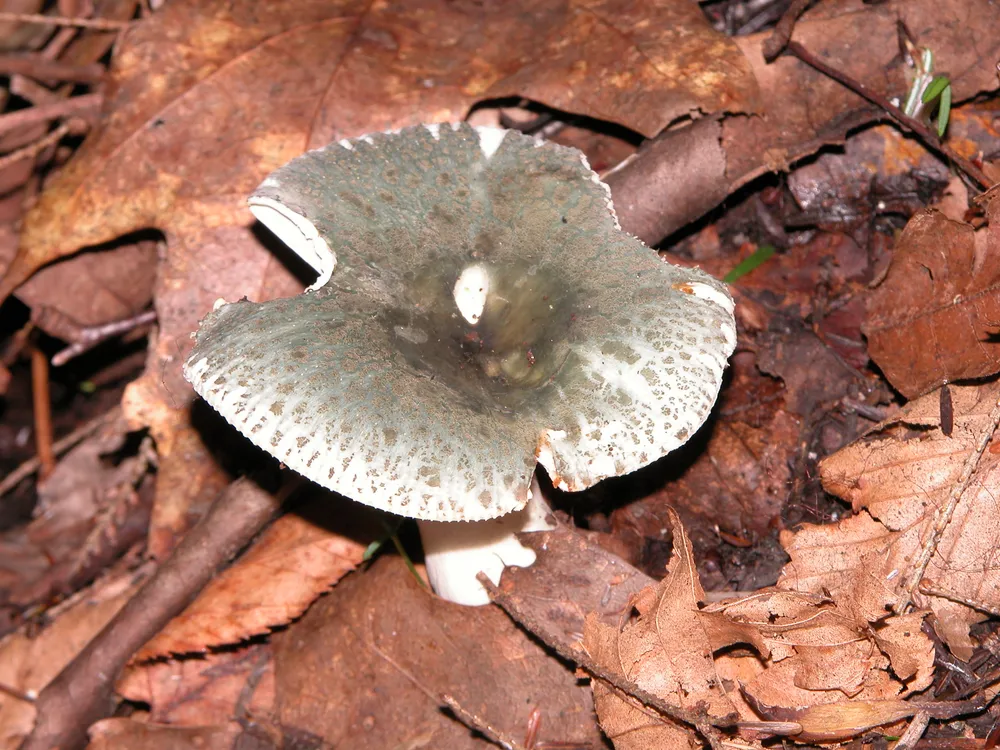
- Greencracked brittlegill — with a pale green cap, soft and tasty, but it's exactly this one that is the easiest to confuse with the death cap; always check the base of the stem.
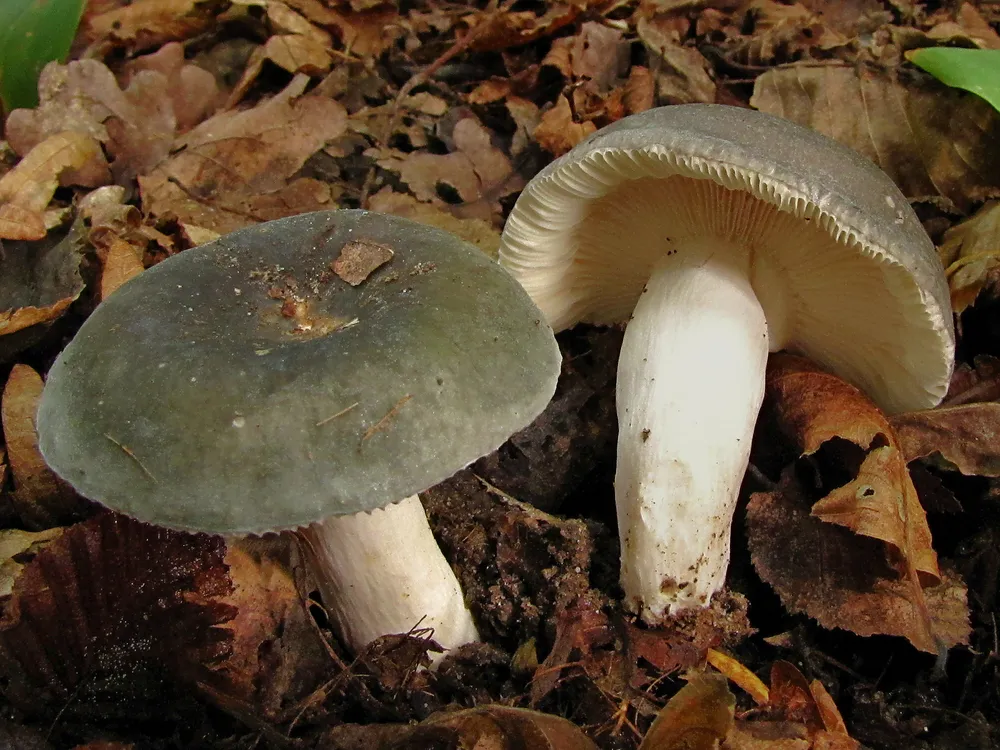
- Charcoal burner — with a bluish-green cap, one of the tastiest, with no bitterness.
Both are prized for their mild flavor, but green color calls for attention.
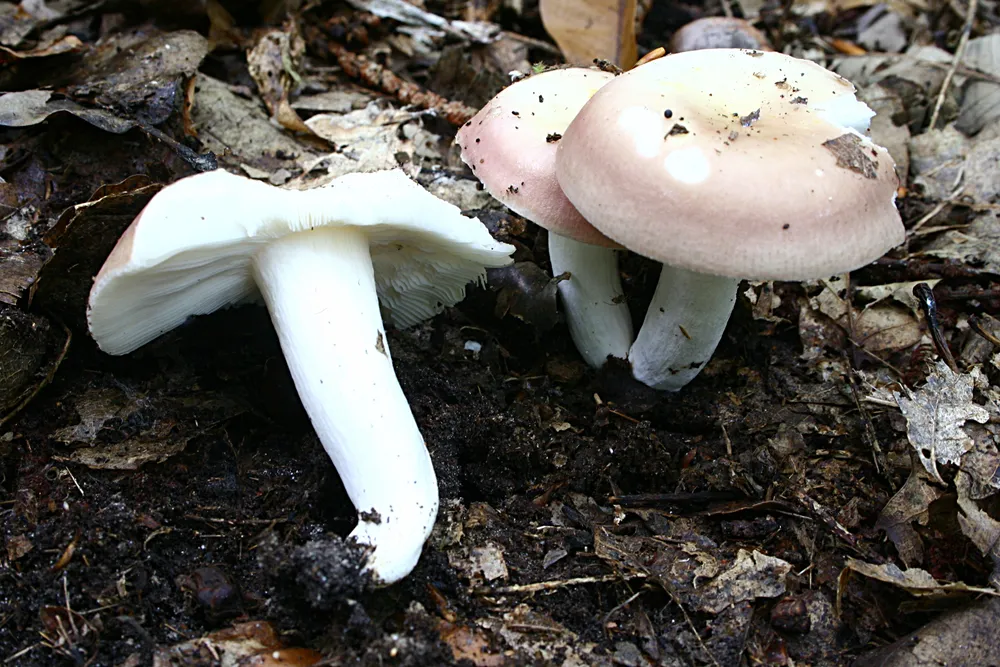
Milk-white brittlegill
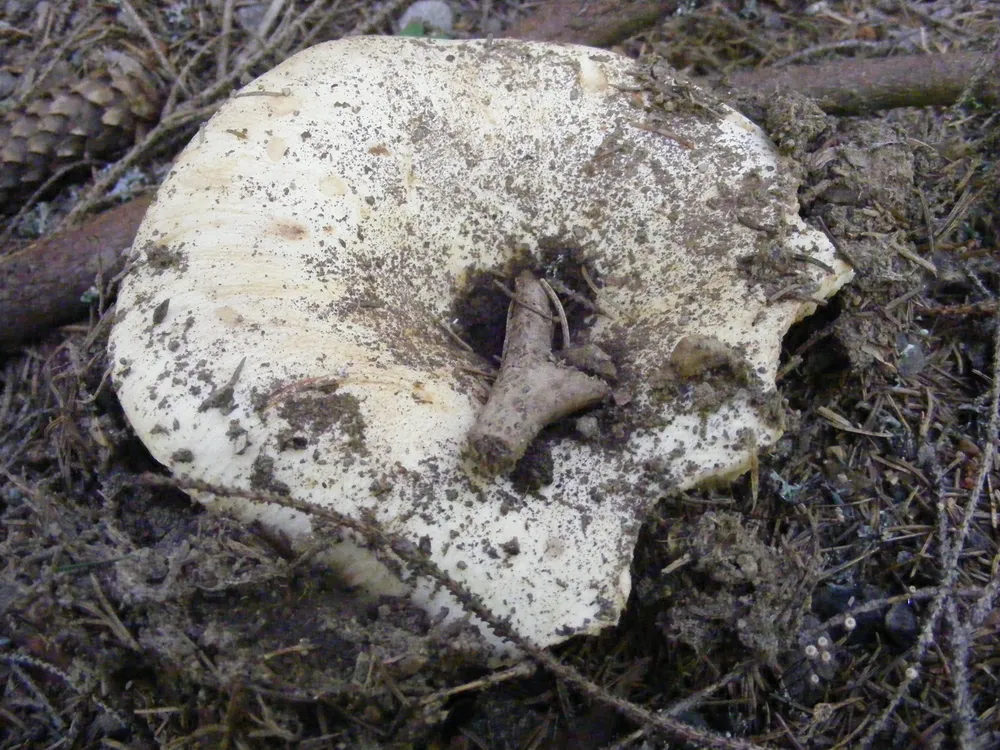
Whitish or cream, firm; found in broadleaf forests. Edible, but it's whitish mushrooms that call for the most caution, because of their resemblance to a young death cap.
Acrid and poisonous brittlegills
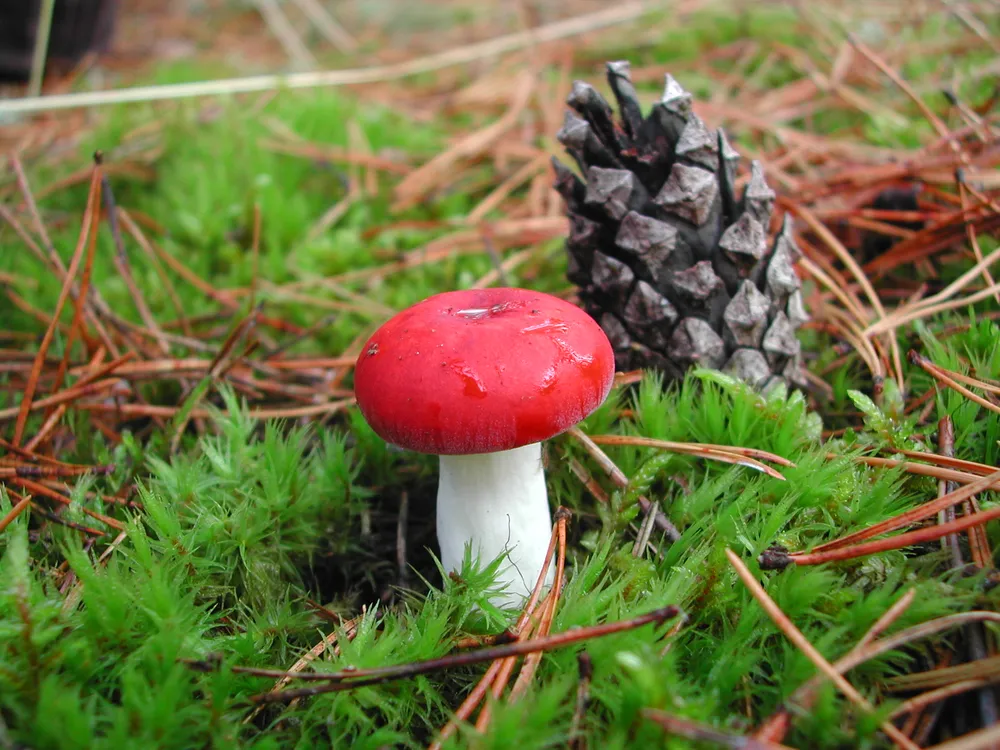
- Sickener — bright red with a white stem, very acrid, causes stomach upset.
- Other bright red brittlegills are often hot and spoil a dish with bitterness.
The safety key is taste: break off a crumb of the cap and touch it to your tongue (without swallowing). Sharply acrid flesh is a reason to leave the mushroom.
How to tell brittlegills apart
- Color: green, blue and lilac ones are more often mild and tasty; bright red ones with a white stem are more often acrid.
- Taste: an acrid crumb is a signal to pass.
- Stem base: always check whitish brittlegills so you don't confuse them with a death cap (it has a bulb and a sac).
For more on when and where to pick brittlegills and which brittlegills are poisonous, see our separate articles.
Sources
- “Identification Guide to the Fungi of Ukraine” (Kyiv, Naukova Dumka publishing house).
- Russula in GBIF, the global biodiversity database.
- Russula in MycoBank, the international fungal nomenclature database.
- Russula on Wikipedia.
Frequently asked questions
What types of brittlegills are there?
Dozens: among the best known are the bare-toothed russula, greencracked brittlegill, charcoal burner, milk-white brittlegill, and the acrid sickener. They differ in cap color and taste.
Which brittlegill is the tastiest?
The most prized are the bare-toothed russula and the charcoal burner — they're mild, sweetish, with no bitterness.
How do you tell an edible brittlegill from an acrid one?
By tasting a crumb of the cap: sharply acrid flesh is a reason to leave the mushroom. Green and lilac ones are more often tasty, bright red ones more often hot.
Are all brittlegills edible?
Most are edible or conditionally edible, but there are acrid species, like the sickener, that spoil a dish and cause stomach upset.
Which brittlegill is easiest to confuse with a poisonous mushroom?
Green and whitish ones — they can be mistaken for the death cap. Always check the base of the stem: the death cap has a bulb and a sac.
Why are brittlegills so colorful?
Cap color depends on the species and its pigments; within the genus it ranges from green to red, which makes identification harder.
Do brittlegills need to be boiled?
Mild, tasty species can be fried right away; acrid ones are boiled to remove the bitterness, or not picked at all.
How do you pick brittlegills safely?
Pick only species you know, taste a crumb, avoid acrid ones, and always check the base of the stem on whitish mushrooms.
Mushrooms in this article
Related articles
 How to identify
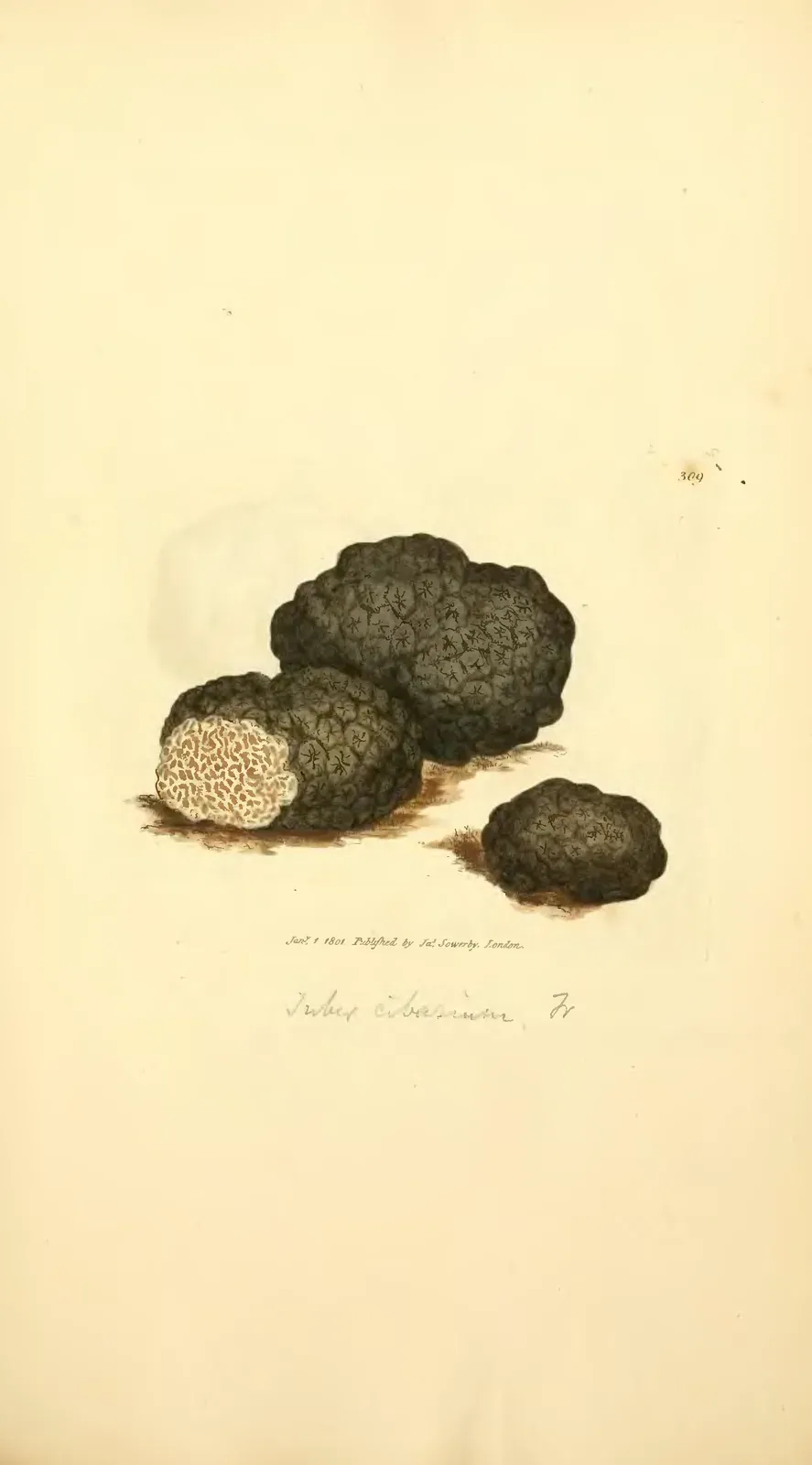
Truffles in Ukraine: do they grow here, and where to look
Truffles aren't just a French delicacy. Several species grow in Ukraine too. Here's which ones, where they occ…
August 24, 2026·2 min Recipes & cooking
How to store fresh mushrooms, and for how long
Fresh mushrooms spoil faster than you might think. Here's how long they keep in the fridge, how to store them…
August 21, 2026·4 min Recipes & cooking
How long to boil mushrooms
Boiling time depends on the type of mushroom and on what you're cooking next. Here's a clear cheat sheet: how…
August 22, 2026·4 min