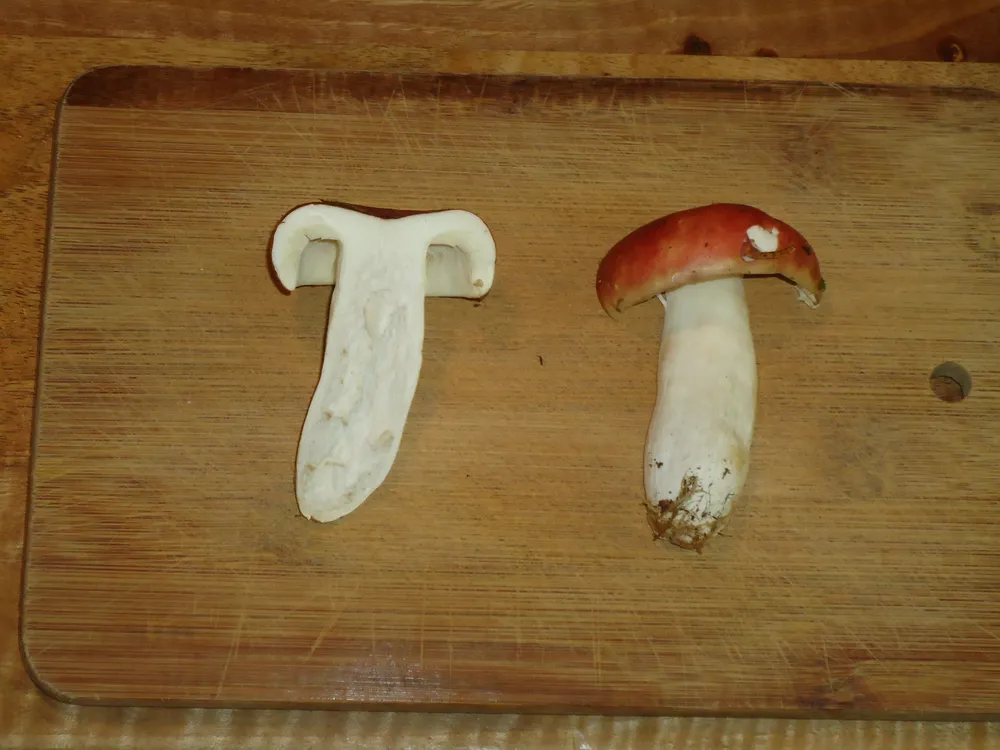
HintapinkRussula paludosa
Expert-verifiedUpdated August 15, 2026
Passport
- Edibility
- Edible
- Season
- Jul — Oct
- Hymenophore
- Gilled
- Cap color
- Red
- Size
- Medium (5–15 cm)
- Smell
- Pleasant
- Reviewed
- Yes ✓
Quick answers
Where to look?
Conifer forest, Mixed forest
When does it appear?
Jul — Oct
Active months: July, August, September, October.
How to recognize it? Three signs
- Cap color: Red, Orange
- Cap shape: Convex
- Smell: Pleasant
Fruiting season
July – October
Description
The hintapink (Russula paludosa) is one of the best edible brittlegills and a close look-alike of the poisonous R. emetica, but with a mild nutty taste and very good culinary quality. The Latin epithet paludosa — "of the marsh" — hints at its favorite habitat: sphagnum bogs, boggy pine woods and damp spruce forests. Cap 5-15 cm across (larger than R. emetica!), bright red, blood-red, orange-red, shiny in wet weather.
An excellent edible mushroom — no mandatory pre-boiling, the flesh is tender with a nutty note, perfect for frying, pickling, salting and drying. Foragers prize it especially in Polissia and the Carpathians, where it often fruits en masse in boggy pine woods at the end of summer. Old Soviet literature rated it "edible, category 2" — one of the highest ratings for a brittlegill.
The main thing is to reliably tell it apart from R. emetica (the poisonous sickener) and other acrid red brittlegills. The essential check is the taste: bite off a tiny piece of the gill edge (1-2 mm), hold it in your mouth for 30 seconds: R. paludosa is mild and sweetish with no burning; R. emetica is burning-acrid within 5 seconds. The tongue test is a guaranteed safeguard.
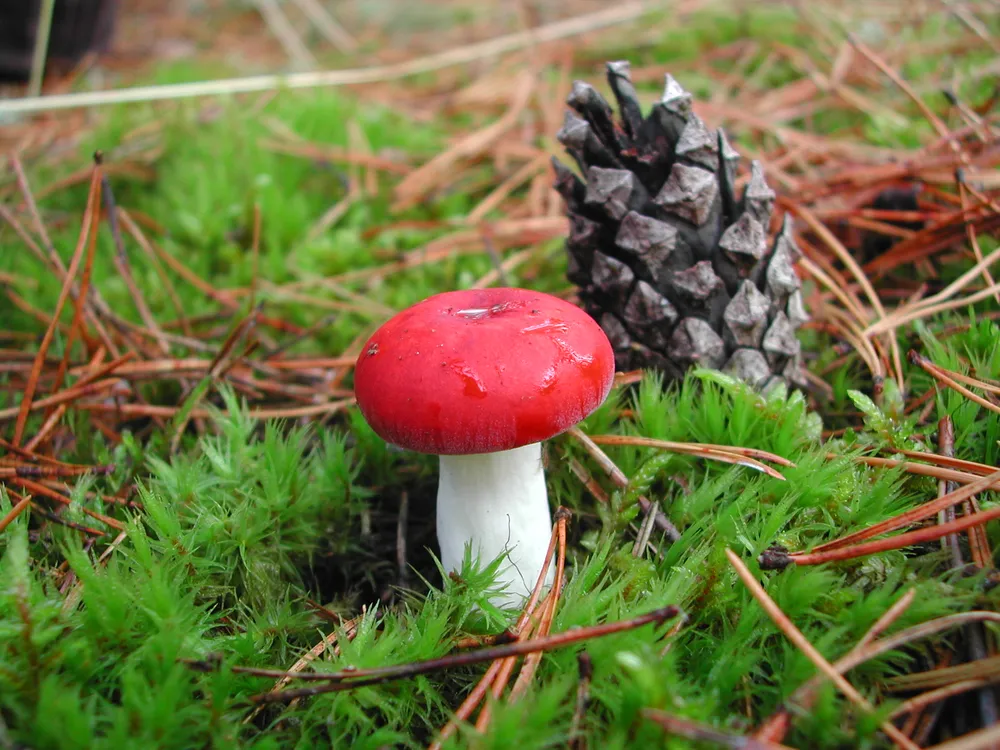
Diagnostic features of Russula paludosa that set it apart from R. emetica: Much larger size (8-15 cm vs. 3-10 cm) Cap with an orange tint (not pure blood-red) Flesh mild and sweetish (not burning) Spore print yellow-cream to ochre (pure white in R. emetica) Stem often with a pink tint (pure white in R. emetica) Distinct, pleasant fruity smell (faint in R. emetica)
In Ukraine, the hintapink is common in boggy pine and spruce-pine forests: the Carpathians, Prykarpattia, Polissia. Especially abundant in the sphagnum pine woods of Polissia (Rivne, Volyn and Zhytomyr regions). Season: July — October, peaking in August-September.
Cap
Cap 5-15 cm across (large, fleshy), when young hemispherical, becoming with age flat and spreading with a slightly depressed center. The cap skin is smooth, shiny and slimy in wet weather, dry and matte in dry weather. Peels 2/3 of the way to the center. Color bright red, blood-red with a distinct orange or ochre tint, richer in the center. In mature caps the edge has fine radial grooves.
Hymenophore
Gilled hymenophore — the gills are attached or free from the stem, crowded, fleshy, brittle. Color whitish at first, becoming cream-yellowish to ochre-cream with age. Spore print yellow-cream to ochre — a diagnostic feature (sets it apart from the white print of R. emetica).
Stem
Stem 5-10 cm tall, 1.5-3 cm thick, firm, fleshy, cylindrical, thickening toward the base. Color whitish, often with a characteristic pink or reddish tint in the lower part — a diagnostic feature. Surface smooth with fine lengthwise wrinkles. No ring.
Flesh
Flesh firm, brittle, white, slowly turns yellow when cut (a reaction typical of the genus Russula). Smell distinctly fruity and pleasant, with a hint of apple in young specimens, taste mild, sweetish-nutty, with no bitterness or acridity at all — a diagnostic feature (tongue test).
Smell
A distinct, pleasant fruity-apple smell, especially in young specimens. No unpleasant notes.
Lookalikes
.webp)
Related species
Mushrooms of the same genus and habitat — to study side by side and never mix up.
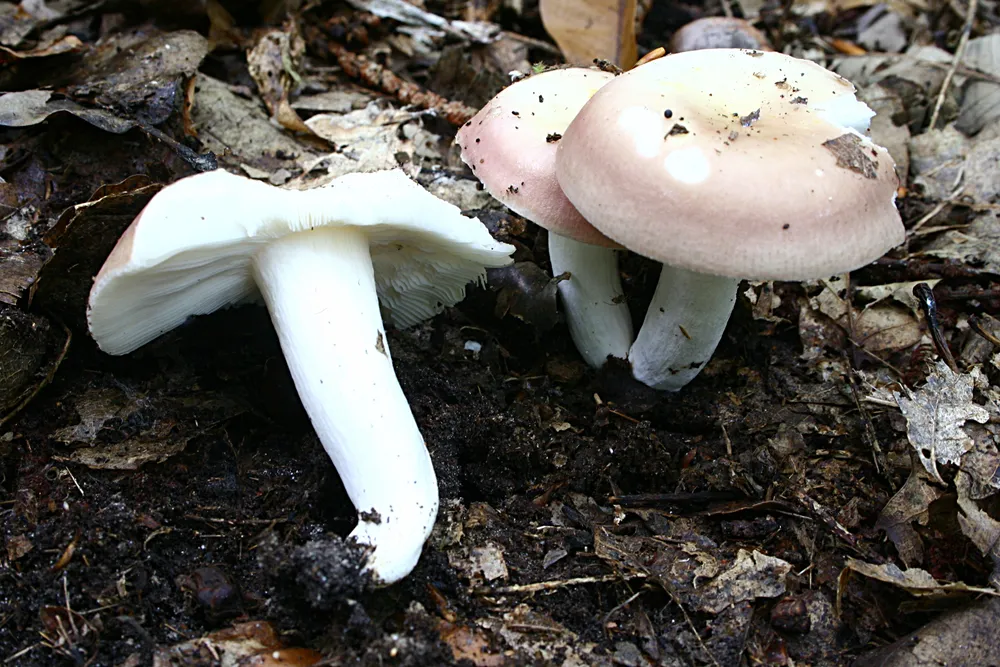
Bare-toothed russula
Russula vesca
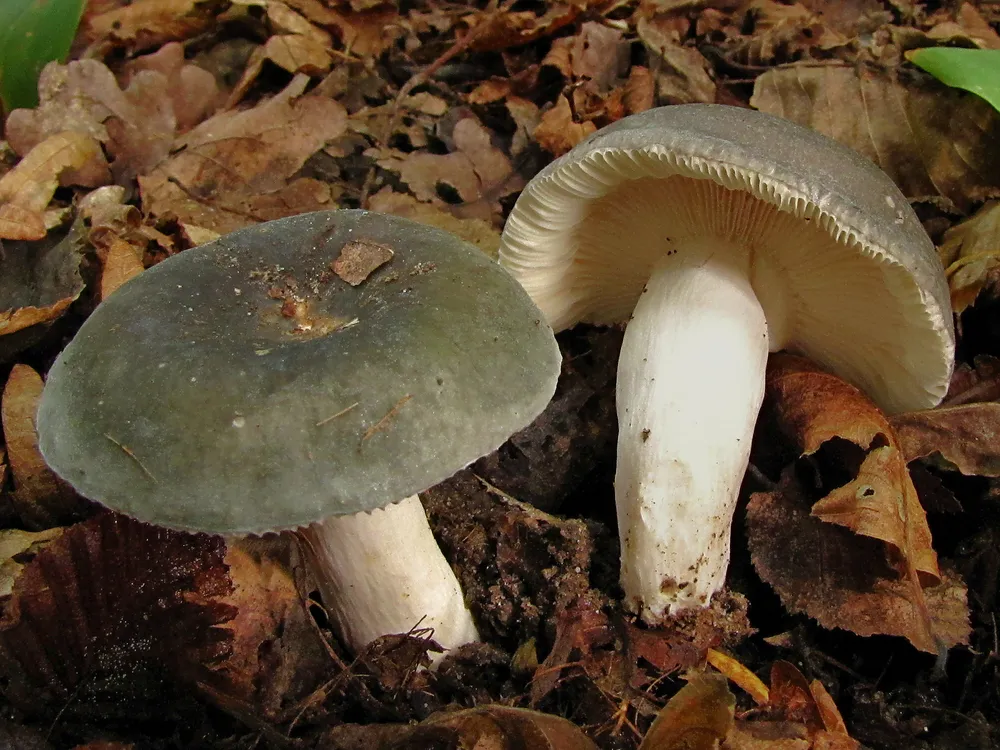
Charcoal burner
Russula cyanoxantha
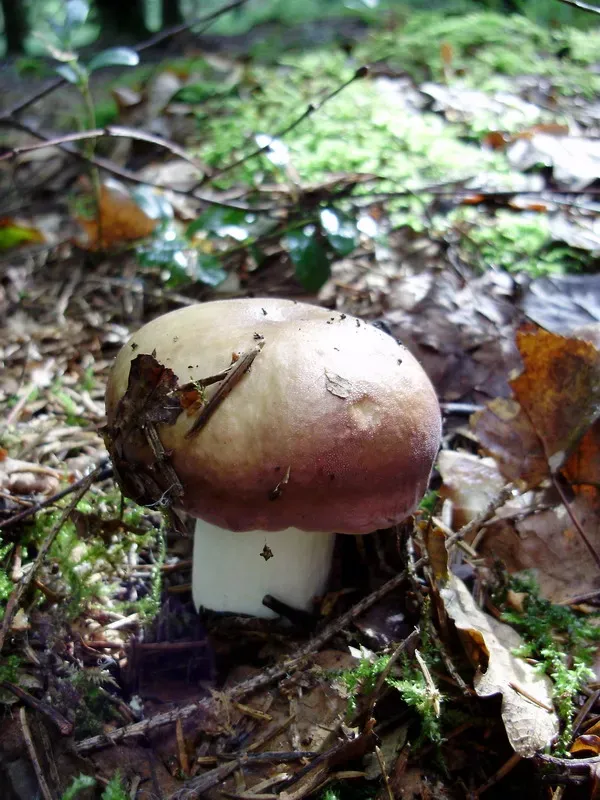
Copper brittlegill
Russula decolorans
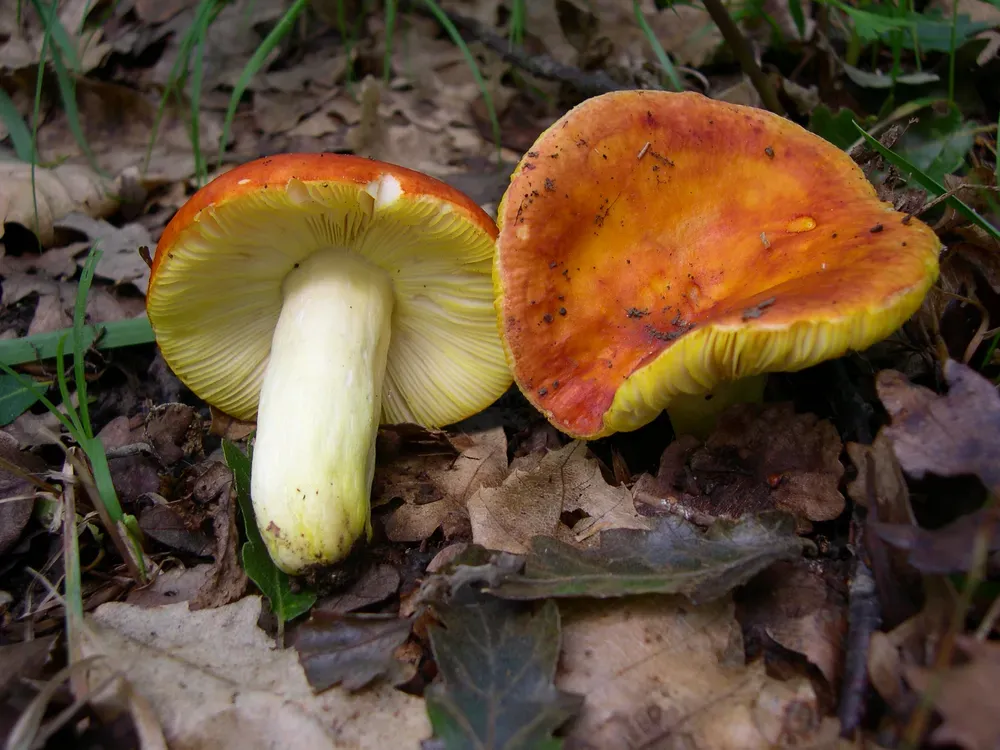
Gilded brittlegill
Russula aurea
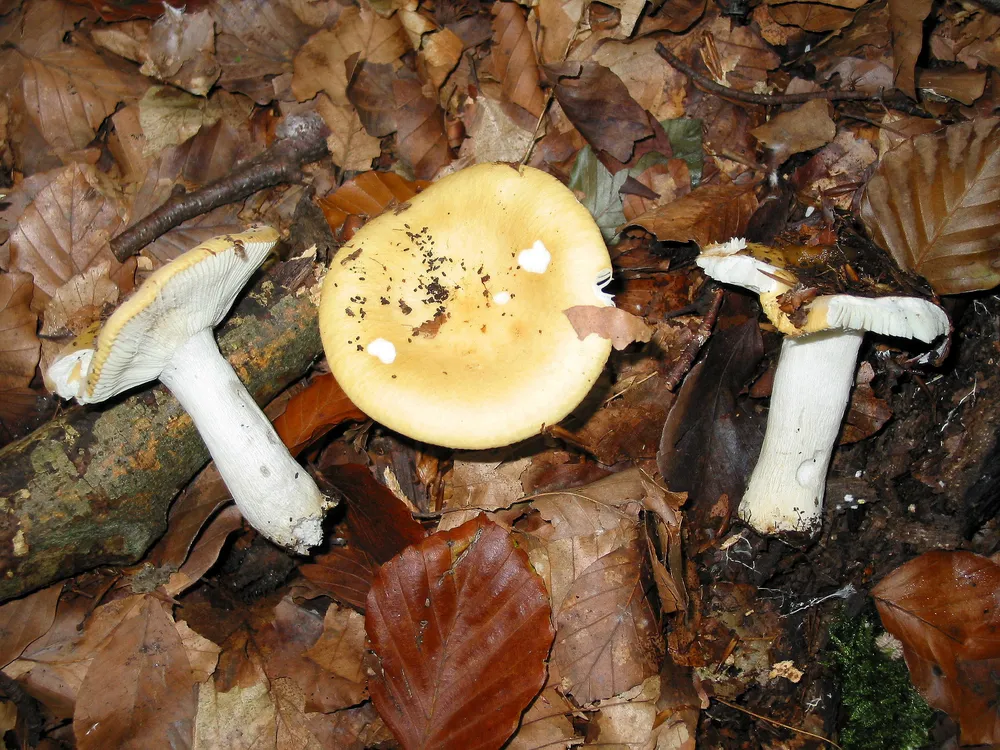
Golden brittlegill
Russula lutea
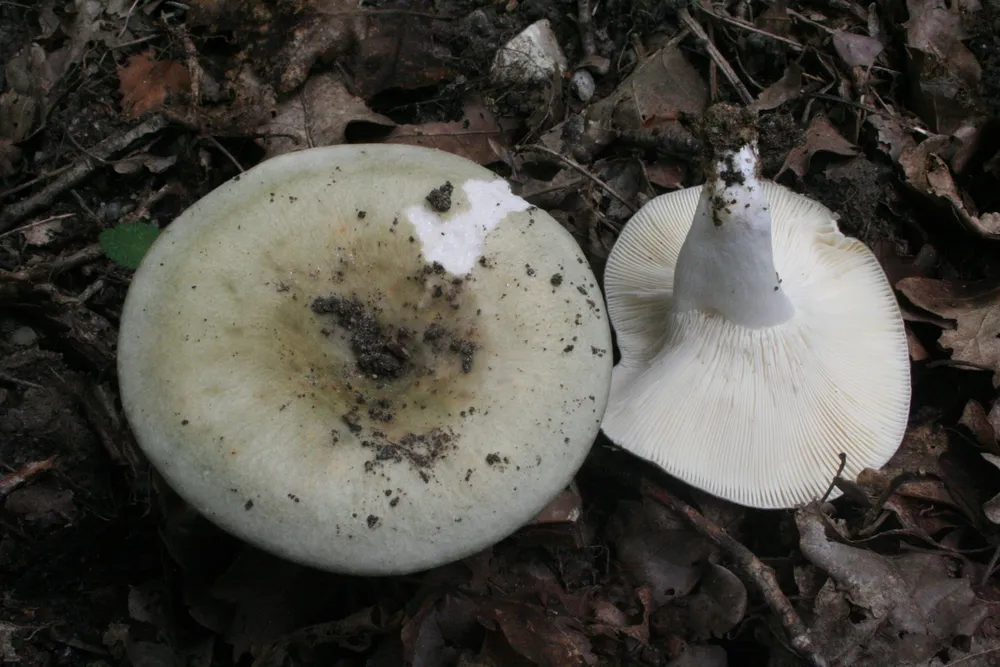
Greasy green brittlegill
Russula heterophylla
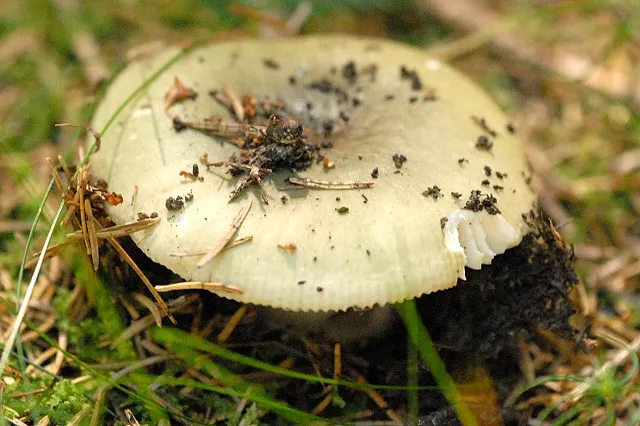
Green brittlegill
Russula aeruginea
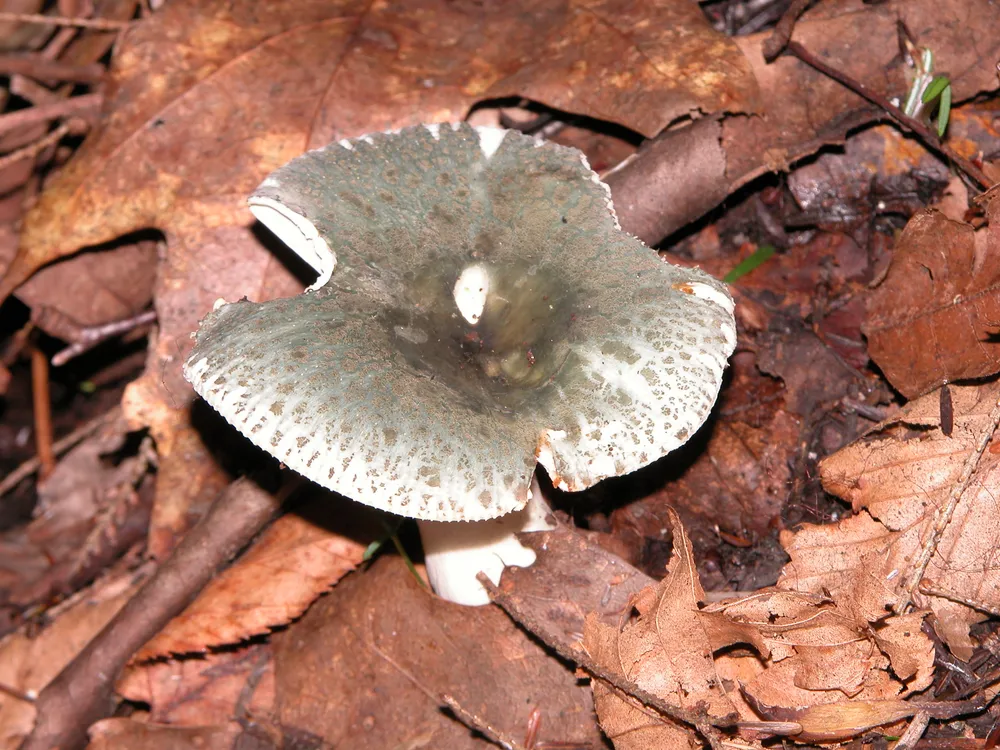
Greencracked brittlegill
Russula virescens
Frequently asked questions
How do you tell it apart from the poisonous R. emetica?
Six differences. (1) Size: R. paludosa is larger (8-15 cm), R. emetica is smaller (3-10 cm). (2) Cap color: R. paludosa has an orange tint, R. emetica is pure red. (3) Taste: R. paludosa mild and sweetish, R. emetica burning-acrid (tongue test within 30 sec!). (4) Spore print: R. paludosa yellow-cream, R. emetica white. (5) Stem: R. paludosa often has a pink tint, R. emetica is pure white. (6) Smell: R. paludosa distinctly fruity, R. emetica faint. The essential check is the tongue test.
Does it need to be boiled first?
Not necessarily — unlike milk-white brittlegills (R. delica), the taste is mild, with no acridity. Young ones can go straight into the pan. Still, if you're a beginner, we recommend a short 5-minute boil for full peace of mind and to remove any possible grit from damp habitats.
How do you cook it?
Excellent culinary quality — fry with onions and cream, stew with potatoes, add to soups, pickle (holds its shape and color beautifully), dry (keeps its aroma). In sauces it gives a rich nutty flavor. The traditional use in Polissia is winter salting with dill, garlic and bay leaf.
Where should you look for it?
In boggy pine and spruce-pine forests, especially on sphagnum cushions and in grass in damp spots. It likes acidic, moist soils. It often fruits en masse at the edges of boggy pine woods and in riverside floodplains.
Which regions of Ukraine is it found in?
Especially abundant in Polissia (Rivne, Volyn and Zhytomyr regions) — in boggy pine woods. Also in the Carpathians, Prykarpattia, and in places the forest-steppe in damp pine woods. Rare in the steppe.
When should you look for it?
July — October, peaking in August-September. One of the earliest brittlegills — it appears right after the first August thunderstorms.
Which mushrooms is it confused with?
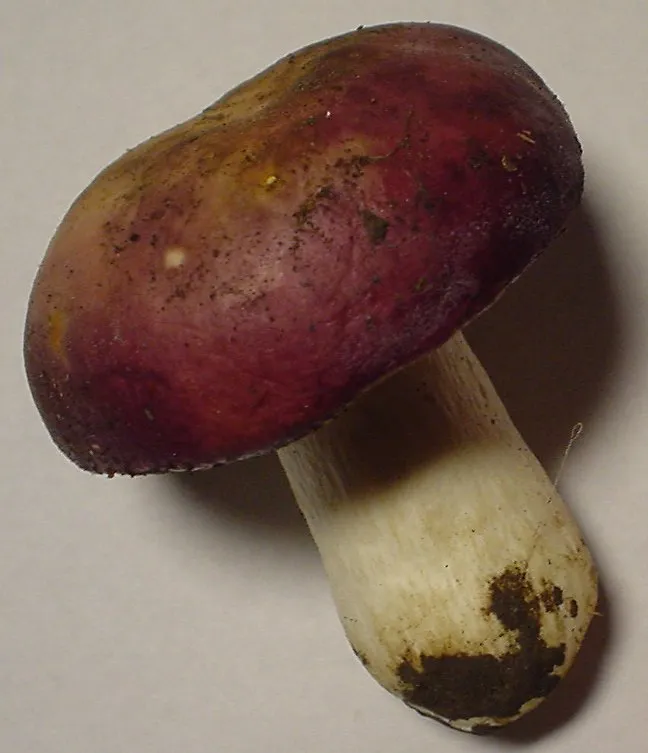
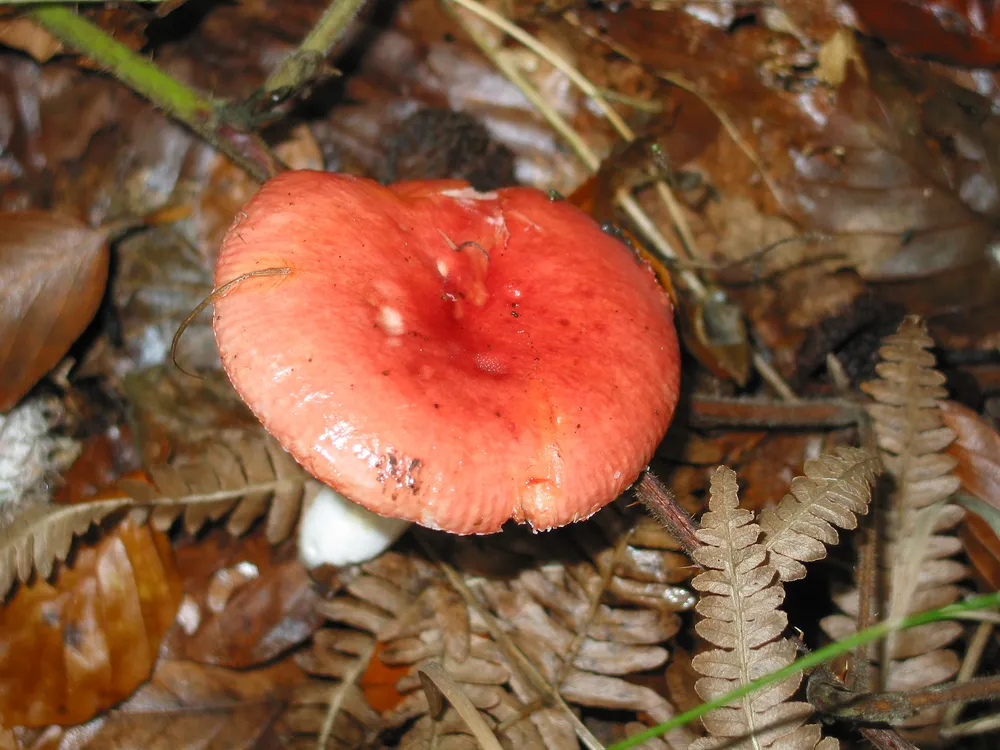
With R. emetica (poisonous!) — burning, smaller, with a white spore print. With R. sanguinaria (bloody brittlegill) — also red, but sharply acrid, inedible. With R. queletii (fruity brittlegill) — violet-wine-colored, acrid. With R. integra — violet-chestnut, in spruce-beech forests. The essential check for all red brittlegills is a 30-second tongue test.
Is Hintapink edible or poisonous?
Does Hintapink have gills or pores?
What does the cap of Hintapink look like?
What does the stem of Hintapink look like?
What do Hintapink smell and taste like?
Sources
- [1]Вікіпедія (українська)
- [2]Атлас грибів України, Зеров Д.К. (1979)
- [3]MycoBank Database
- [4]Index Fungorum
- [5]GBIF
- [6]iNaturalist Ukraine