
Pickled mushrooms are one of the best-loved winter preserves: firm and fragrant, they're wonderful with potatoes or onions. But it's mushroom preserves that carry a serious risk: botulism. That's why mushrooms need to be pickled not just tastily but safely. Luckily, the rules are simple if you know them and don't break them.
Let's go over a basic marinade recipe and the key rules that will keep you safe.
Which mushrooms to pickle
Firm mushrooms that hold their shape are best for pickling.
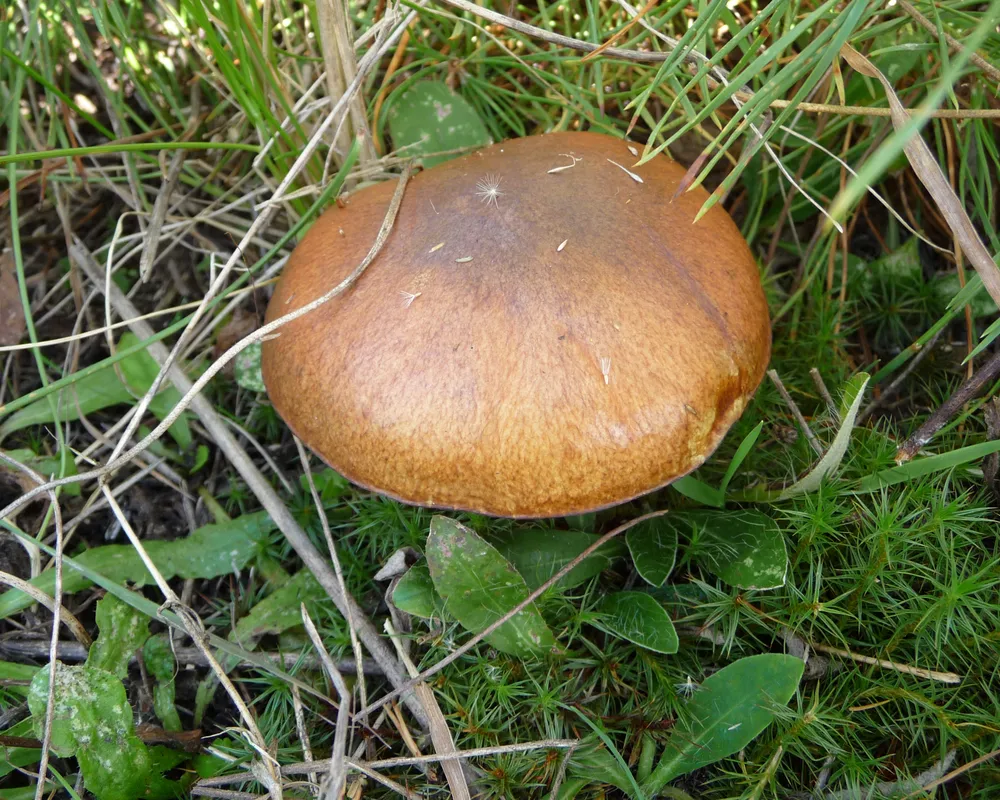
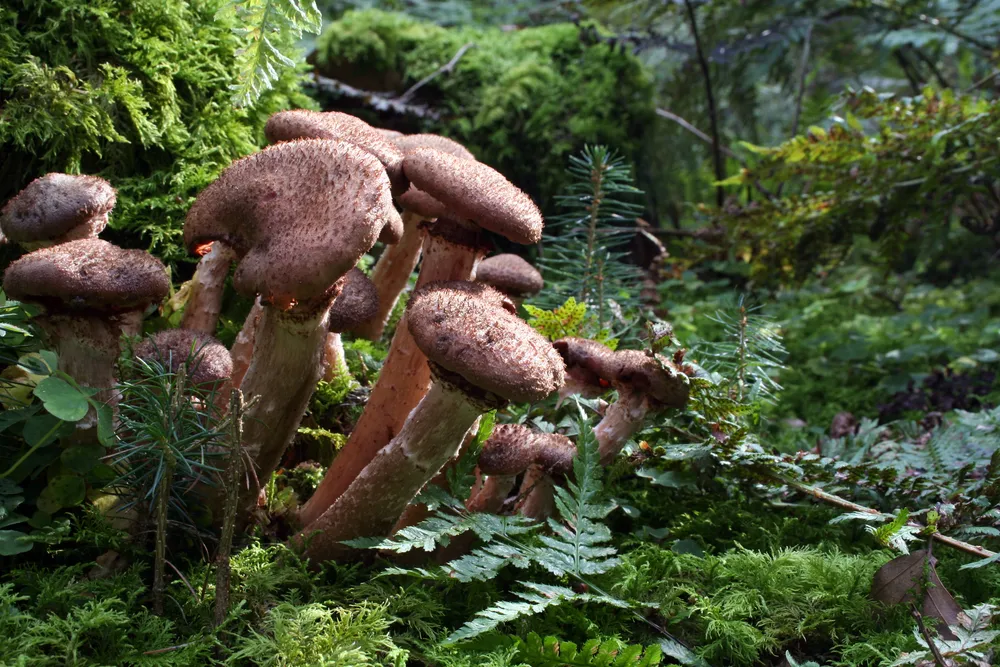
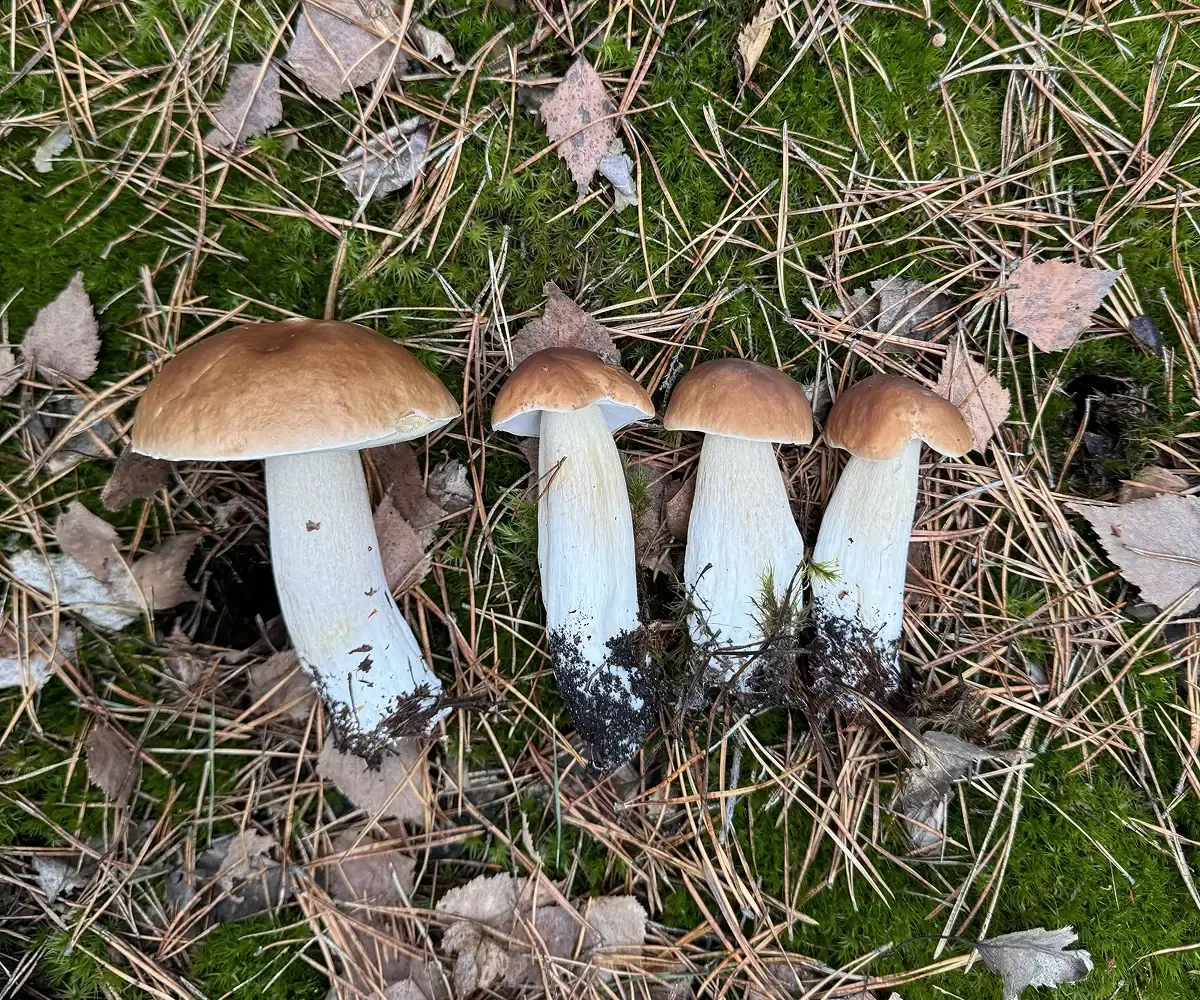
Pored mushrooms pickle best: slippery jacks, porcini, birch boletes, Xerocomus boletes, and among gilled mushrooms, small honey fungus, which look lovely in a jar. Pick young, firm specimens: old ones go mushy in the marinade.
Mushrooms that require boiling, such as honey fungus, must be boiled before pickling. More on this in our article on cleaning and cooking honey fungus.
Basic marinade recipe
The marinade is made from water, salt, sugar, vinegar and spices. Here are tried-and-true proportions per liter of water.
- Prepare the mushrooms. Clean, rinse and boil them for 15-20 minutes in salted water, skim off the foam and drain in a colander.
- Make the marinade. For 1 l of water: 1-1.5 tbsp salt, 1 tbsp sugar, bay leaf, black peppercorns, cloves.
- Add the vinegar. Toward the end of cooking, pour in 2-3 tbsp of 9% vinegar. Acid is the main preservative.
- Simmer the mushrooms in the marinade. Add the boiled mushrooms to the marinade and simmer for another 10-15 minutes.
- Pack into jars. Into clean, sterilized jars, then cover with marinade.
The vinegar here isn't just for flavor: it's the acidic environment that holds back dangerous bacteria.
The main danger: botulism
This is the most important part, the one your safety depends on.
The botulism bacterium thrives without air, precisely in hermetically sealed jars, and produces a deadly toxin. It loves a moist, oxygen-free, low-acid environment, in other words a typical jar of mushroom preserves. The toxin has no smell or taste, and the jar may look perfectly normal.
That's why pickled mushrooms are the riskiest kind of home canning. To stay safe, follow a few unchanging rules.
Rules for safe pickling
These rules aren't a formality but a safeguard for your life.
- Wash mushrooms thoroughly. Botulism gets in with soil particles, so mushrooms must be spotlessly clean.
- Don't seal jars airtight for long-term storage. It's safer to store mushrooms under plastic lids in the fridge rather than in hermetically sealed jars at room temperature.
- Keep them cold. Low temperature holds the bacterium back.
- Don't hesitate to throw out a suspicious jar. A bulging lid, bubbles, cloudiness or an unpleasant smell — straight into the trash, without tasting.
- Stick to the acidity. Don't reduce the amount of vinegar in the recipe: acid is your protection.
Pickled mushrooms are wonderful when made wisely. Other, safer ways of preserving are covered in our articles on how to dry mushrooms and how to freeze mushrooms.
Sources
- “Identification Guide to the Fungi of Ukraine” (Kyiv, Naukova Dumka publishing house).
- Suillus luteus in GBIF, the global biodiversity database.
- Fungi in MycoBank, the international fungal nomenclature database.
- Botulism on Wikipedia.
Frequently asked questions
Which mushrooms are best for pickling?
Firm ones that hold their shape: , , birch boletes, Xerocomus boletes and small . Choose young specimens, since old ones go mushy in the marinade.
Do you need to boil mushrooms before pickling?
Yes. Mushrooms are boiled for 15-20 minutes in salted water, skimming off the foam. And those that must be boiled, like honey fungus, all the more so. It's about both safety and the quality of the preserve.
Why add vinegar to the marinade?
Vinegar is the main preservative: an acidic environment holds back dangerous bacteria, including the one that causes botulism. So the amount of vinegar in the recipe is never reduced, even if you'd like a less sour taste.
Why are mushroom preserves dangerous?
Because of the risk of botulism. The bacterium thrives without air, in sealed jars, and produces a deadly toxin with no smell or taste. Mushroom preserves are the riskiest home preserve.
How do you avoid botulism when pickling?
Wash mushrooms spotlessly, don't reduce the vinegar, store them cold and don't seal jars airtight for long. It's safer to keep mushrooms under plastic lids in the fridge.
How can you tell a jar of mushrooms has gone bad?
By a bulging lid, bubbles, cloudy marinade or an unpleasant smell. Throw such a jar away immediately, without tasting: the botulism toxin has no taste, so trying it is dangerous.
Can you pickle mushrooms without vinegar?
Better not. Without enough acidity, the main protection against botulism is gone. If you'd like a less sour taste, it's better to choose another way of preserving: drying or freezing.
What is the safest way to preserve mushrooms?
and : they don't create an oxygen-free environment, so they carry no risk of botulism, unlike sealed pickles.
Mushrooms in this article
Related articles
 Recipes & cooking
How to store fresh mushrooms, and for how long
Fresh mushrooms spoil faster than you might think. Here's how long they keep in the fridge, how to store them…
August 21, 2026·4 min Recipes & cooking
How long to boil mushrooms
Boiling time depends on the type of mushroom and on what you're cooking next. Here's a clear cheat sheet: how…
August 22, 2026·4 min How to identify
Truffles in Ukraine: do they grow here, and where to look
Truffles aren't just a French delicacy. Several species grow in Ukraine too. Here's which ones, where they occ…
August 24, 2026·2 min