
Drying, the oldest way to preserve mushrooms, is still one of the best. Dried mushrooms don't just keep for a long time, they also have a concentrated aroma, richer than fresh ones. A handful of dried porcini can fill a whole pot of soup with fragrance. But for mushrooms to dry well and not go moldy, it's worth knowing a few simple rules.
Let's look at which mushrooms to dry, how to prepare them, what temperature to dry them at, and where to store them.
Which mushrooms to dry
Not all mushrooms are equally suited to drying.
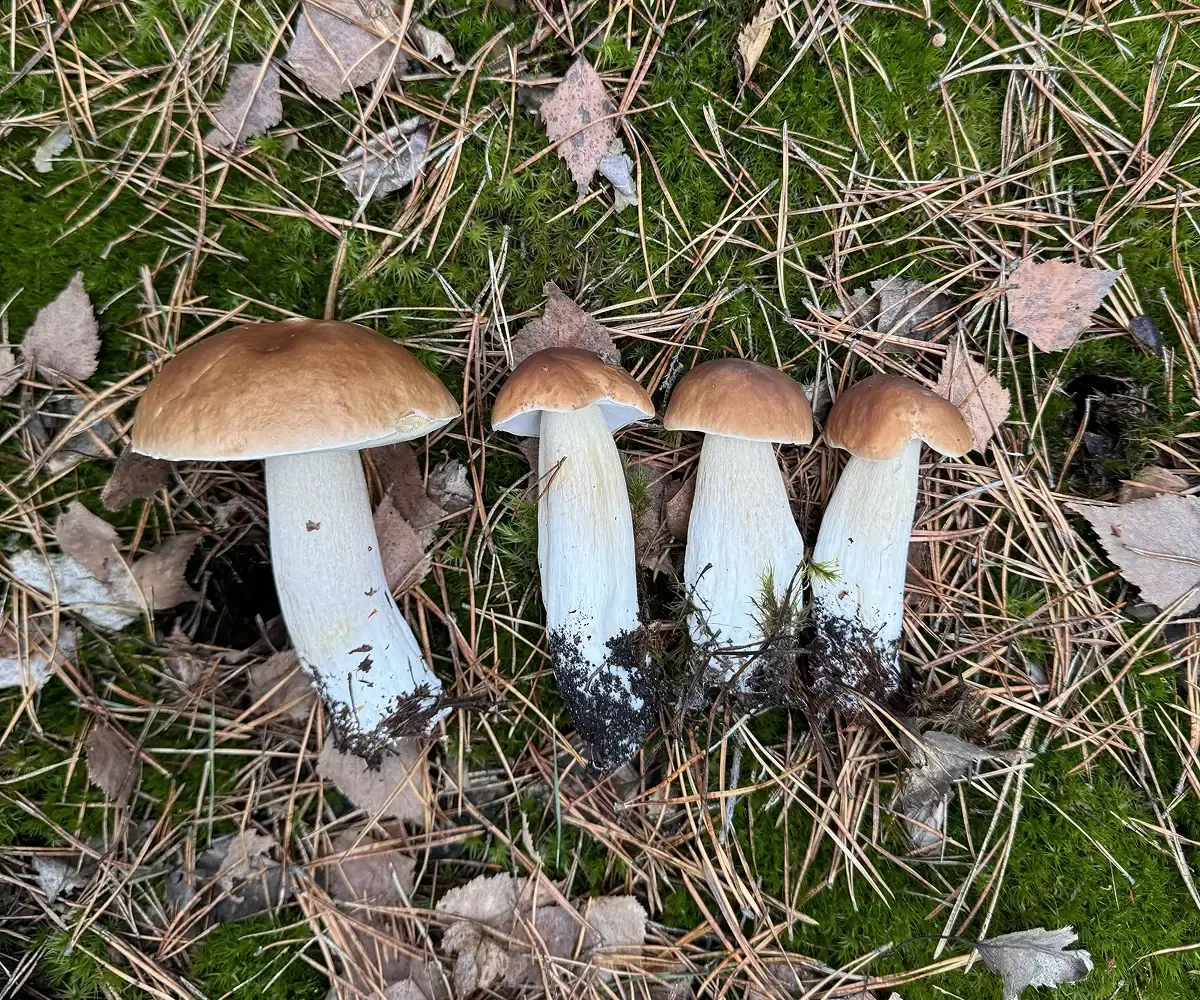
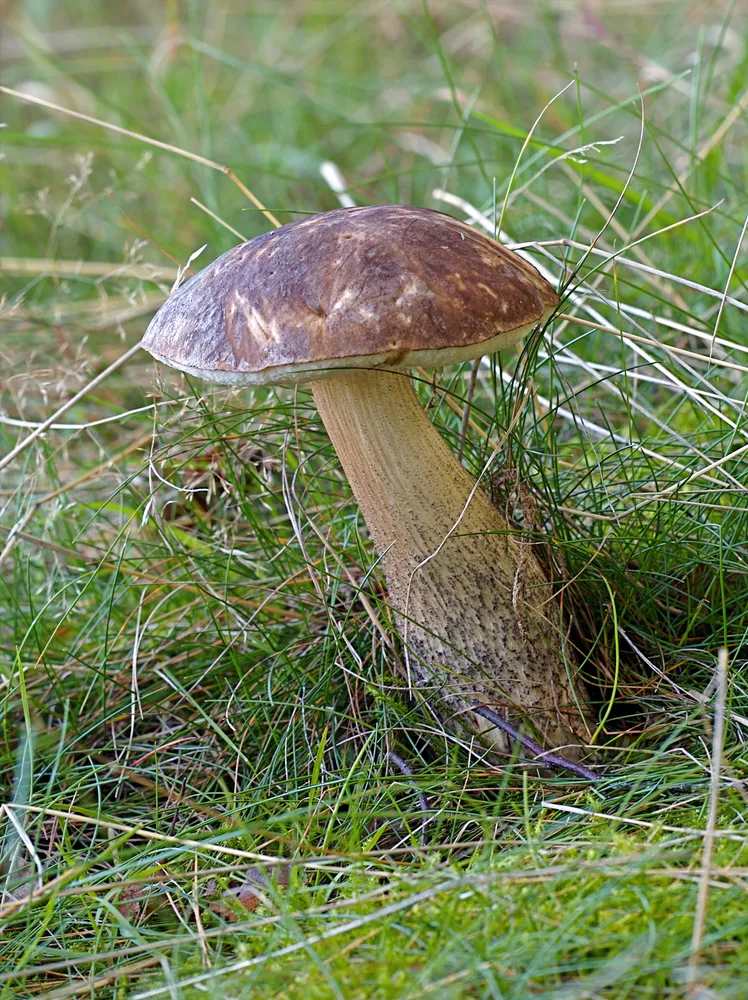
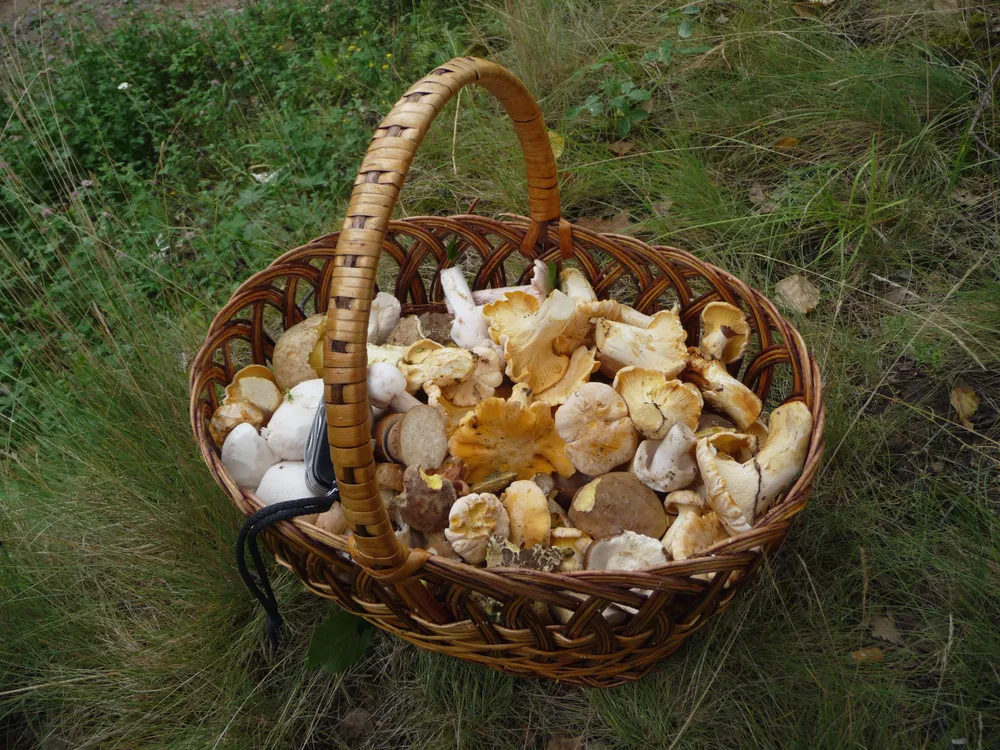
Pored (tubed) mushrooms dry best: porcini, brown birch bolete, orange-cap boletes (Leccinum), Xerocomus boletes. They keep their aroma and don't turn bitter. The chanterelle dries well too, though it gets a little tougher.
But gilled mushrooms that need parboiling (honey fungus, Tricholoma) and mushrooms with acrid milk (milk caps, woolly milk caps) aren't suitable for drying: they're salted or pickled instead. Conditionally edible mushrooms that require boiling aren't dried either.
How to prepare mushrooms
The main rule when preparing for drying: don't wash the mushrooms.
- Clean them dry. Brush or scrape off dirt, needles and leaves with a brush or knife. Moisture interferes with drying and encourages mold.
- Take young, clean ones. Old, maggoty or soggy mushrooms aren't worth drying.
- Cut them into even slices. Large mushrooms, into slices 0.5-1 cm thick. Small ones can be dried whole.
- Sort by size. Pieces of the same size dry evenly.
The thinner the mushrooms are sliced, the faster and more evenly they dry.
How to dry
You can dry mushrooms in several ways; the key is a moderate temperature and moving air.
- In a dehydrator. The most convenient: lay the mushrooms out in a single layer and dry at 45-55 °C, gradually raising it to 60-70 °C toward the end.
- In the oven. Dry at 50-70 °C with the door slightly open so moisture can escape, on a rack or a baking sheet lined with parchment.
- In the open air. String the mushrooms on a thread and hang them in a dry, warm, well-ventilated place, away from dust.
A mushroom is properly dried if it bends and then snaps, but doesn't crumble to dust and doesn't stay damp and soft. Over-dried mushrooms aren't a problem either: you can grind them into mushroom powder.
How to store dried mushrooms
Proper storage is half the battle.
Keep dried mushrooms in a dry place, in glass jars, paper bags or cloth pouches. The main enemy is humidity: mushrooms that get damp go moldy quickly. Check your stock from time to time, and at the first sign of moisture, dry the mushrooms again.
Before cooking, dried mushrooms are soaked in water, and the soaking liquid goes into the dish, since it's full of aroma too. We cover other ways of preserving in our articles on how to pickle mushrooms and how to freeze mushrooms. And for an example with a specific species, see the article on drying porcini.
Sources
- “Key to the Fungi of Ukraine” (Kyiv, Naukova Dumka publishing house).
- Boletus edulis in GBIF, the global biodiversity database.
- Fungi in MycoBank, the international fungal nomenclature database.
- Drying (food) on Wikipedia).
Frequently asked questions
Which mushrooms are best for drying?
Pored ones: , , orange-cap boletes (Leccinum), Xerocomus boletes. They keep their aroma and don't turn bitter. The dries well too, though it gets tougher.
Do you need to wash mushrooms before drying?
No. Mushrooms for drying aren't washed but cleaned with a dry brush or a knife. Moisture interferes with drying and encourages mold, so water has no place here.
What temperature should you dry mushrooms at?
Moderate: start at 45-55 °C and raise it to 60-70 °C toward the end. Too high a temperature right from the start “bakes” the mushrooms on the outside, leaving moisture inside.
How can you tell the mushrooms are dry?
A properly dried mushroom bends and then snaps, but doesn't crumble to dust and doesn't stay damp or soft. Under-dried mushrooms will go moldy, so it's better to over-dry them a little.
Which mushrooms shouldn't be dried?
Mushrooms with acrid milk (milk caps, woolly milk caps) and those that need parboiling (honey fungus, conditionally edible species). These are salted or pickled, not dried.
How do you store dried mushrooms?
In a dry place, in glass jars, paper bags or cloth pouches. The main thing is to avoid moisture: mushrooms that get damp go moldy. It's worth checking your stock from time to time.
What do you do with over-dried mushrooms?
You can grind them into mushroom powder, a wonderful seasoning for soups and sauces. So over-dried mushrooms don't go to waste, they become a concentrated mushroom spice.
How do you cook dried mushrooms?
They're soaked in water, and the soaking liquid goes into the dish, since it's full of aroma too. Then the mushrooms are boiled or fried just like fresh ones. For an example, see the article on .
Mushrooms in this article
Related articles
 Recipes & cooking
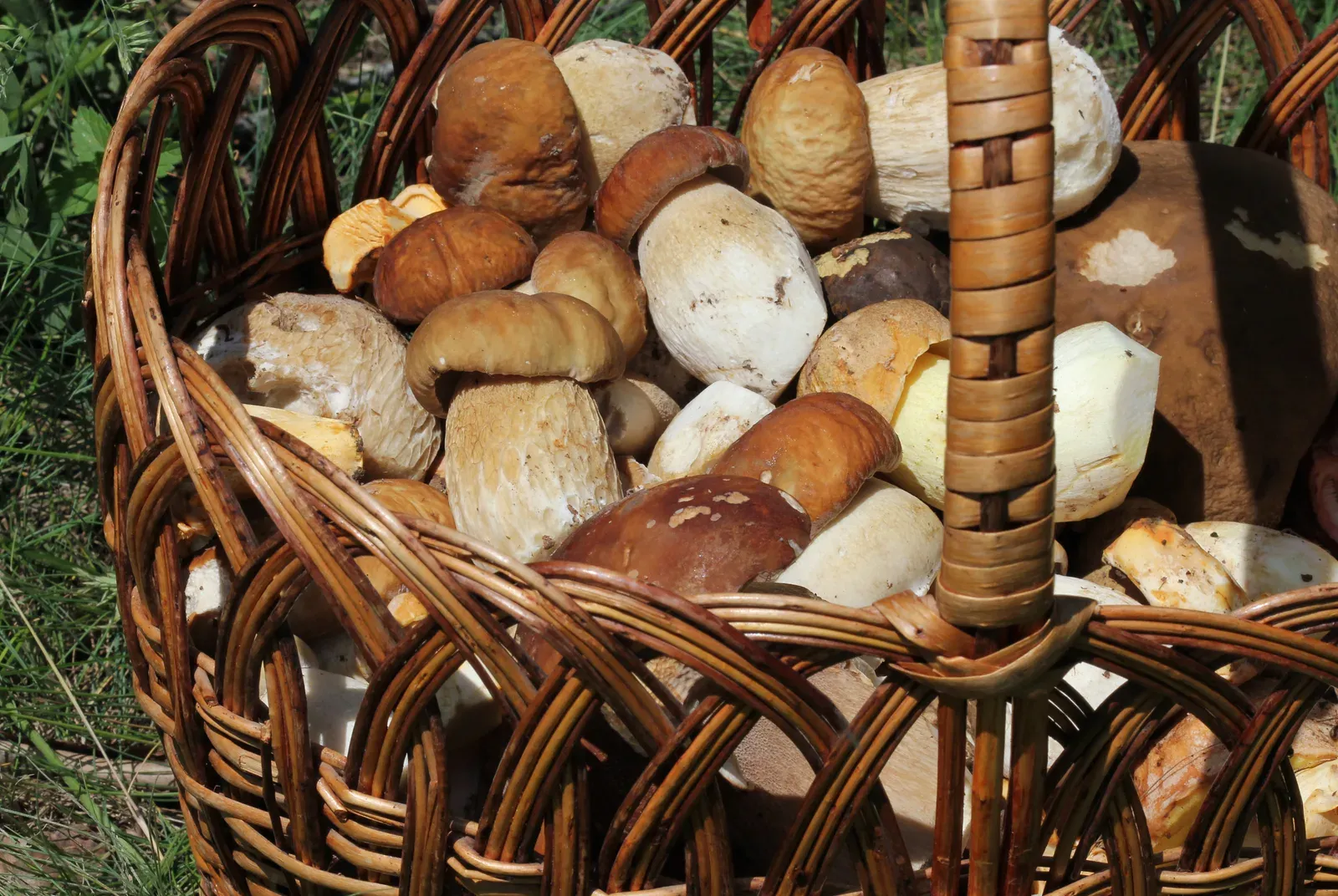
How to store fresh mushrooms, and for how long
Fresh mushrooms spoil faster than you might think. Here's how long they keep in the fridge, how to store them…
August 21, 2026·4 min Recipes & cooking
How long to boil mushrooms
Boiling time depends on the type of mushroom and on what you're cooking next. Here's a clear cheat sheet: how…
August 22, 2026·4 min How to identify
Truffles in Ukraine: do they grow here, and where to look
Truffles aren't just a French delicacy. Several species grow in Ukraine too. Here's which ones, where they occ…
August 24, 2026·2 min