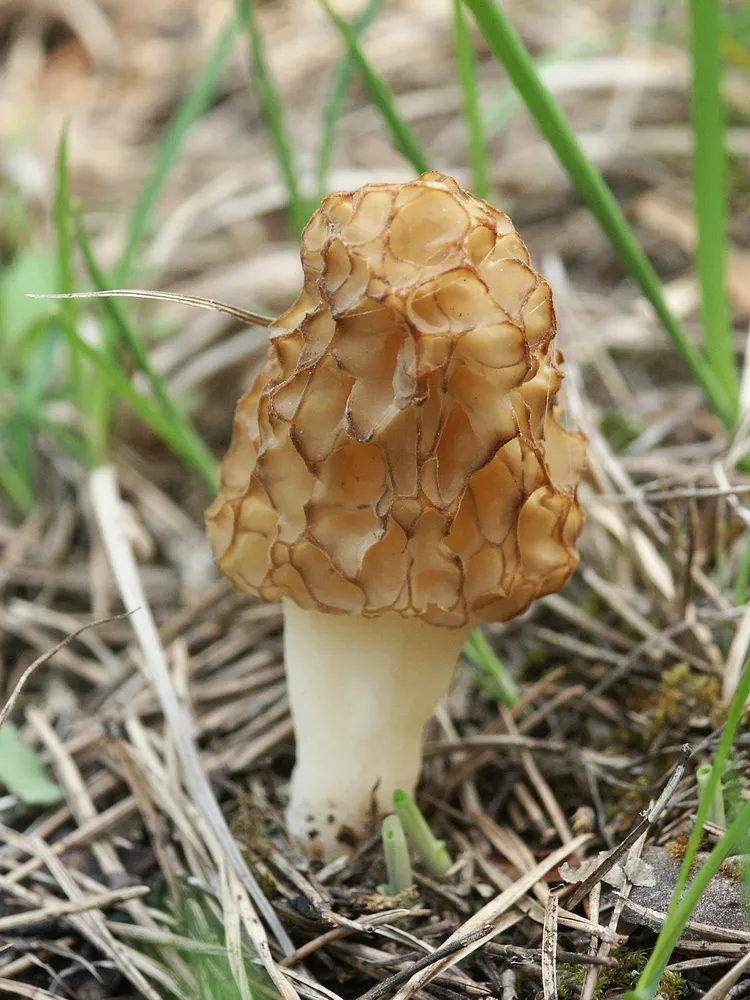
Common morelMorchella esculenta
Expert-verifiedUpdated October 3, 2026
Passport
- Edibility
- Conditionally edible
- Season
- Apr — May
- Hymenophore
- Chambered
- Cap color
- Brown
- Size
- Medium (5–15 cm)
- Smell
- Pleasant, mushroomy
- Reviewed
- Yes ✓
Quick answers
Where to look?
Deciduous forest, Mixed forest
When does it appear?
Apr — May
Active months: April, May.
How to recognize it? Three signs
- Cap color: Brown, Yellow, Chestnut
- Cap shape: Umbonate
- Smell: Pleasant, mushroomy
Fruiting season
April – May
Description
The common morel (Morchella esculenta) is a spring delicacy, one of the first mushrooms to appear after the snow melts. It grows in broadleaf forests, orchards and shrubland on well-moistened soils, often under ash, apple and poplar.
It fruits for a short time — from March to May. Together with black morels (Morchella conica), the common morel is one of the most prized early-spring mushrooms in Slavic and French cuisine.
Conditionally edible: always boil it for at least 15 minutes and pour off the water — the raw mushroom contains heat-sensitive toxins that are destroyed by cooking (hydrazine toxins such as gyromitrin are typical of false morels, not true morels). After cooking it is completely safe.
Cap
The fruiting body consists of a cap and a stem. Cap 4–12 cm tall and 3–8 cm wide, egg-shaped or irregularly egg-shaped. The surface is covered with irregular pits and ridges that form a honeycomb-like, spongy structure — a hallmark of the genus. Color ranges from pale yellow to brownish ochre.
Hymenophore
The hymenophore sits in the pits of the cap: the spore-bearing layer (hymenium) lines the walls of the pits. This is an atypical ascomycete hymenophore, not tubes or gills. The entire surface of the cap is spore-bearing.
Stem
Stem 4–10 cm tall, 2–5 cm thick, hollow, broad, almost cylindrical or slightly narrowing toward the base. The surface is irregularly ribbed or wavy, white or creamy white. Inside it is hollow, continuous with the cap.
Flesh
Flesh delicate, waxy, brittle, hollow inside. Whitish or cream in color. The taste is pleasant and delicate after boiling. Raw, it may contain toxins.
Smell
Smell pleasant, earthy, gently mushroomy, with a light floral note. One of the most soulful spring mushroom aromas. When boiled, the aroma passes into the broth, which is why morel broth is valued in its own right.
Lookalikes
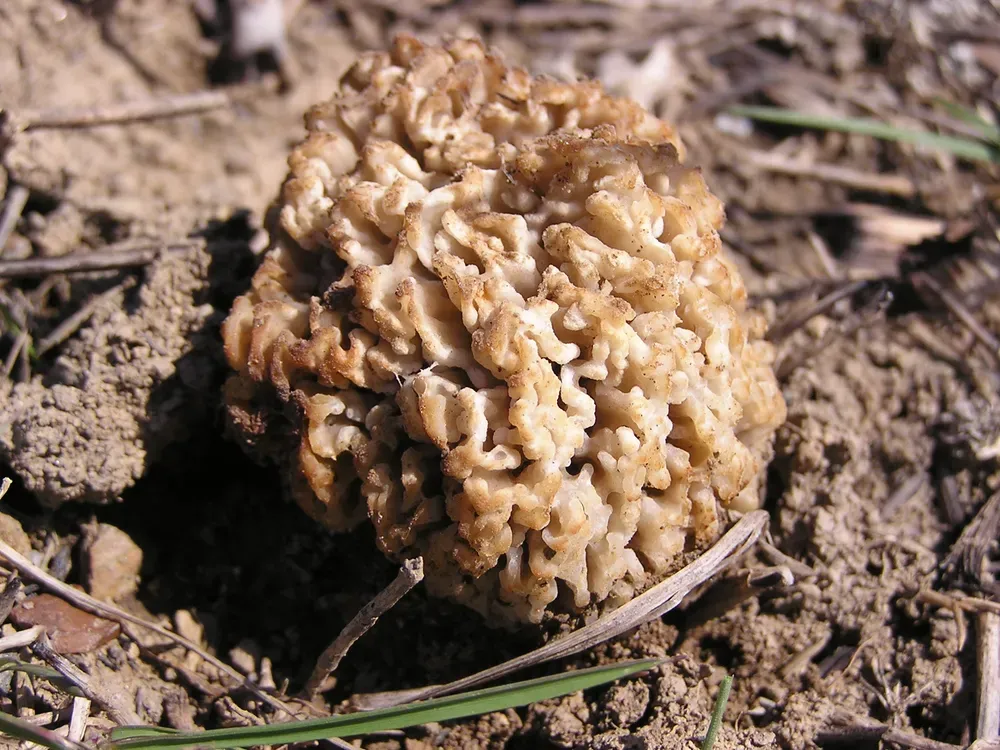
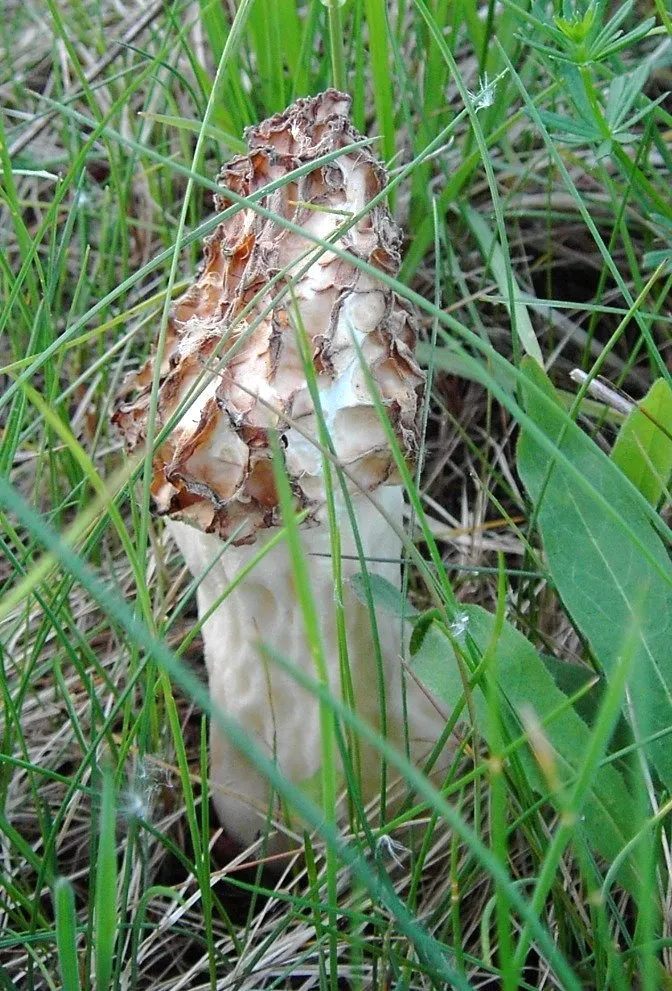
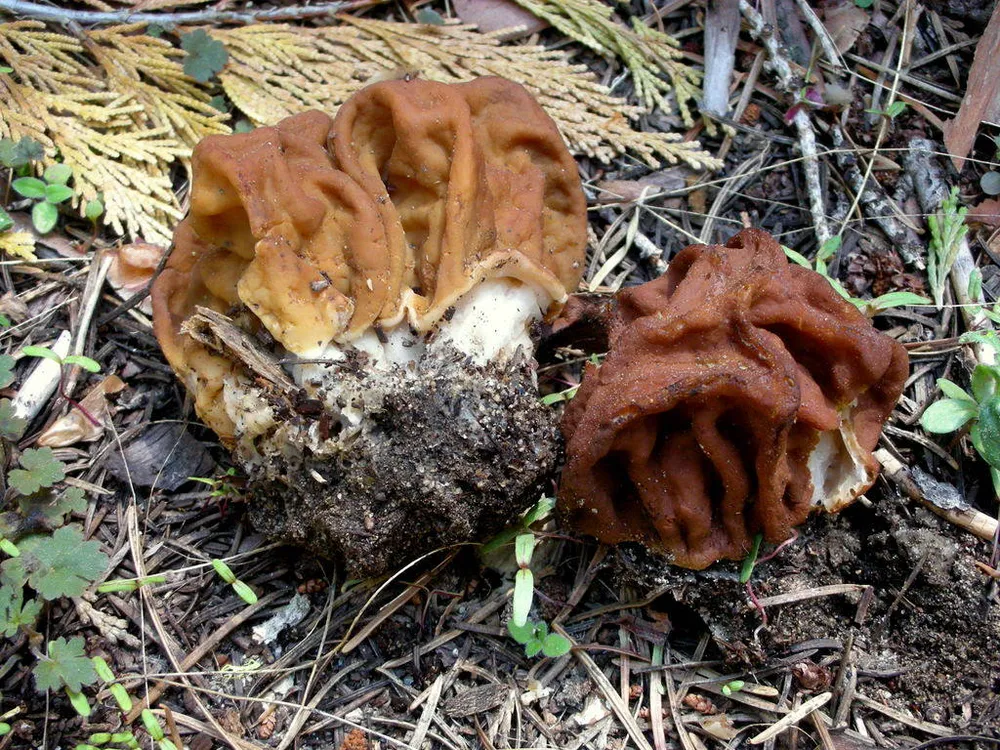
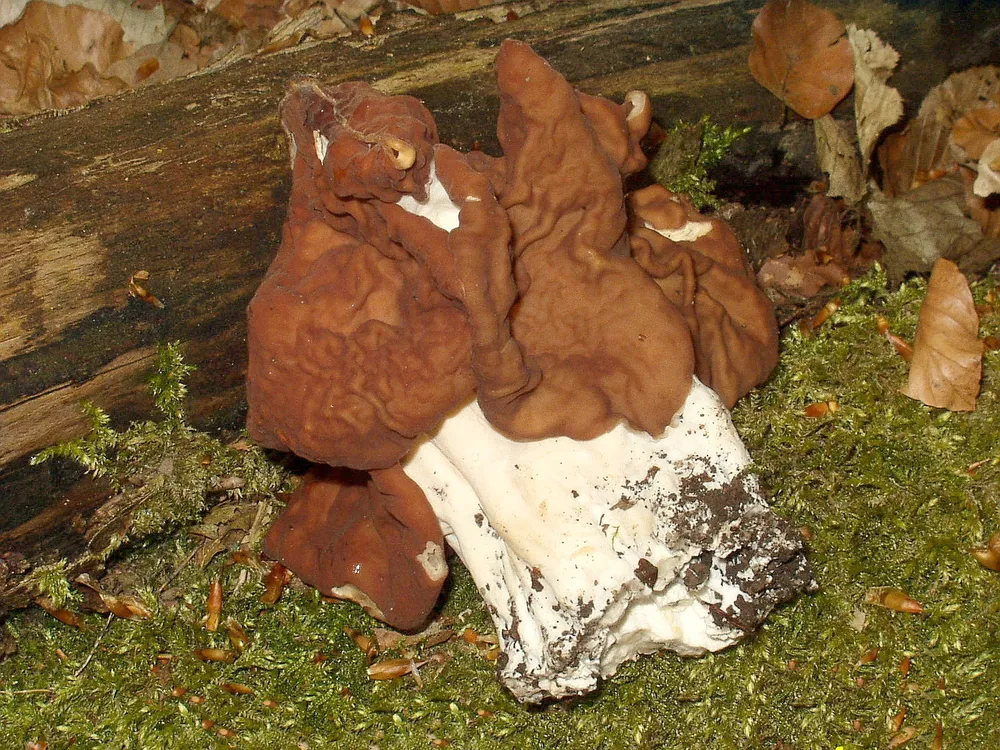
Related species
Mushrooms of the same genus and habitat — to study side by side and never mix up.
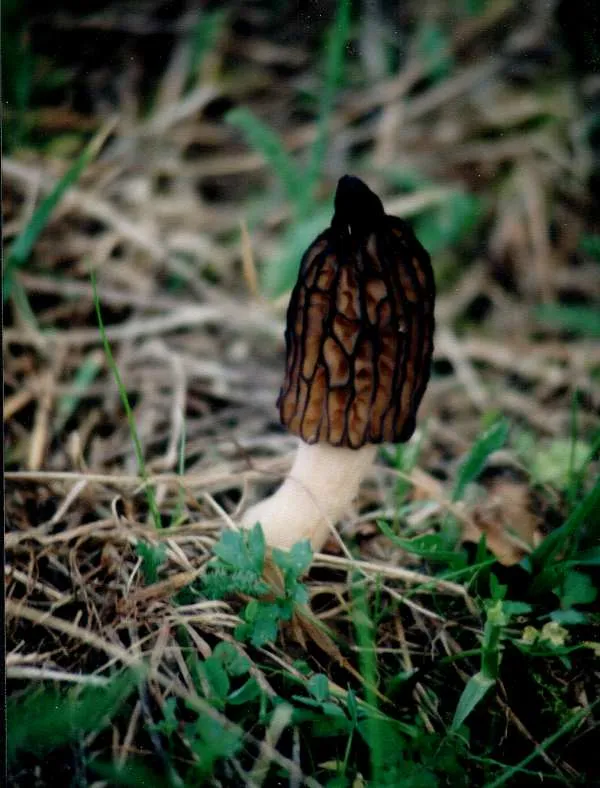
Black morel
Morchella conica
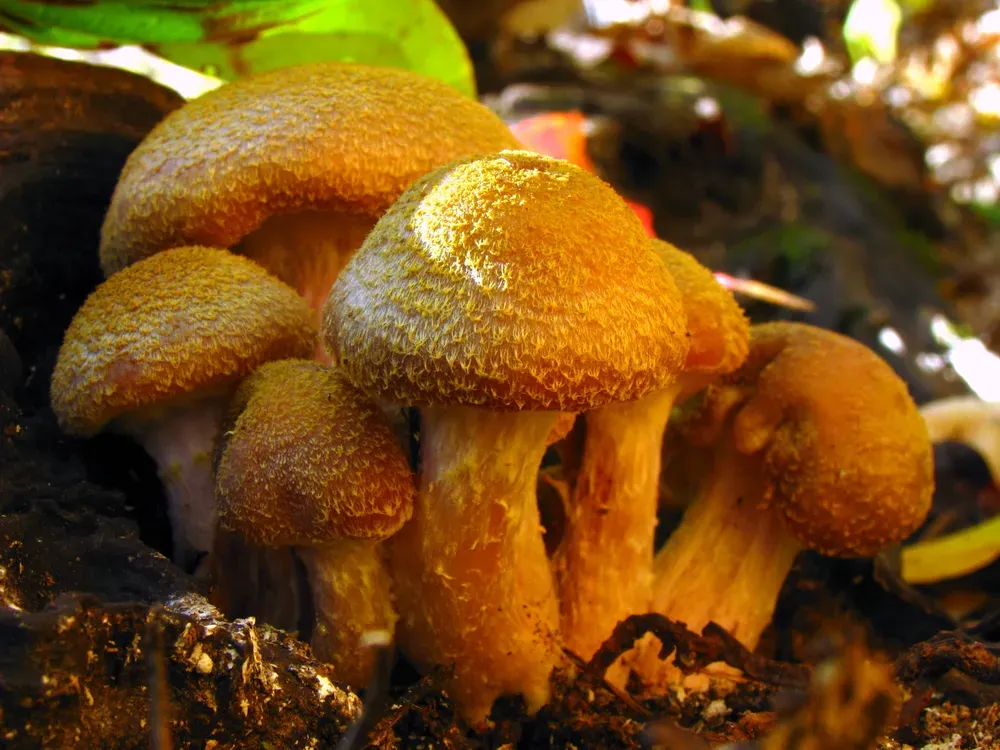
Bulbous honey fungus
Armillaria gallica
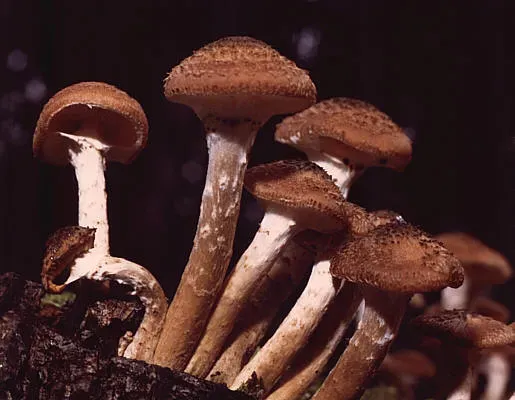
Dark honey fungus
Armillaria ostoyae
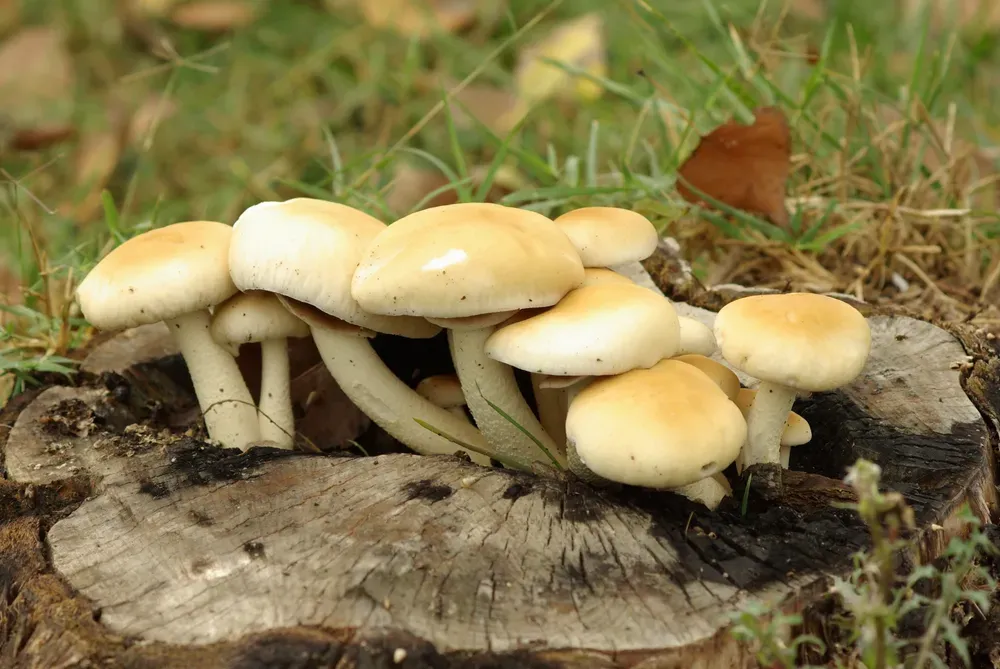
Poplar fieldcap
Cyclocybe aegerita
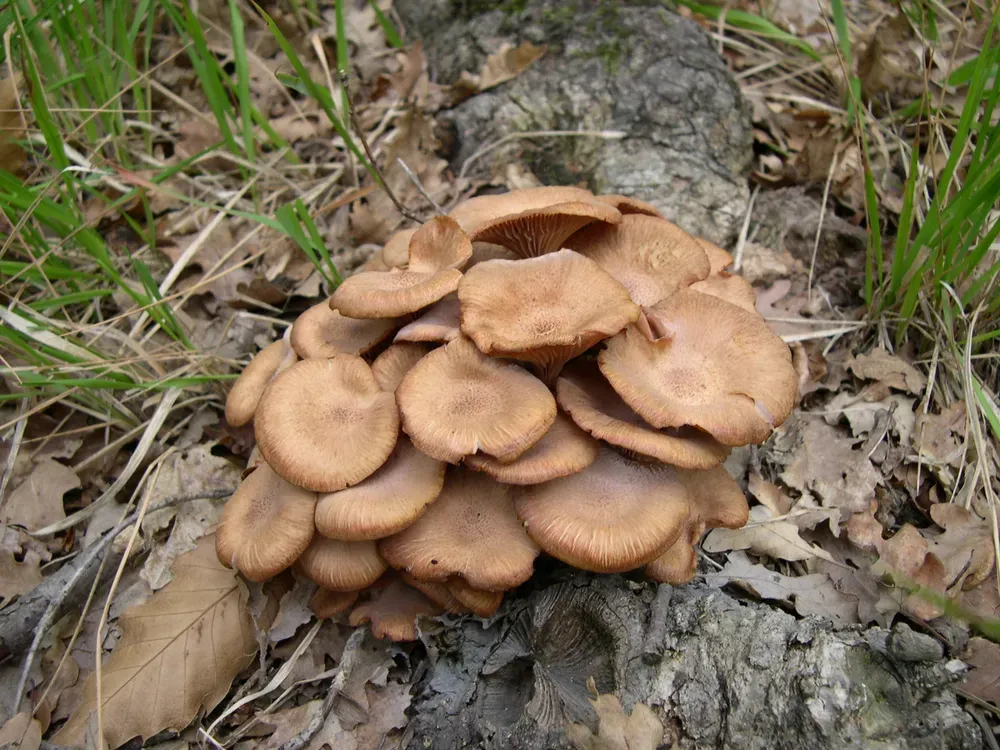
Ringless honey fungus
Desarmillaria tabescens
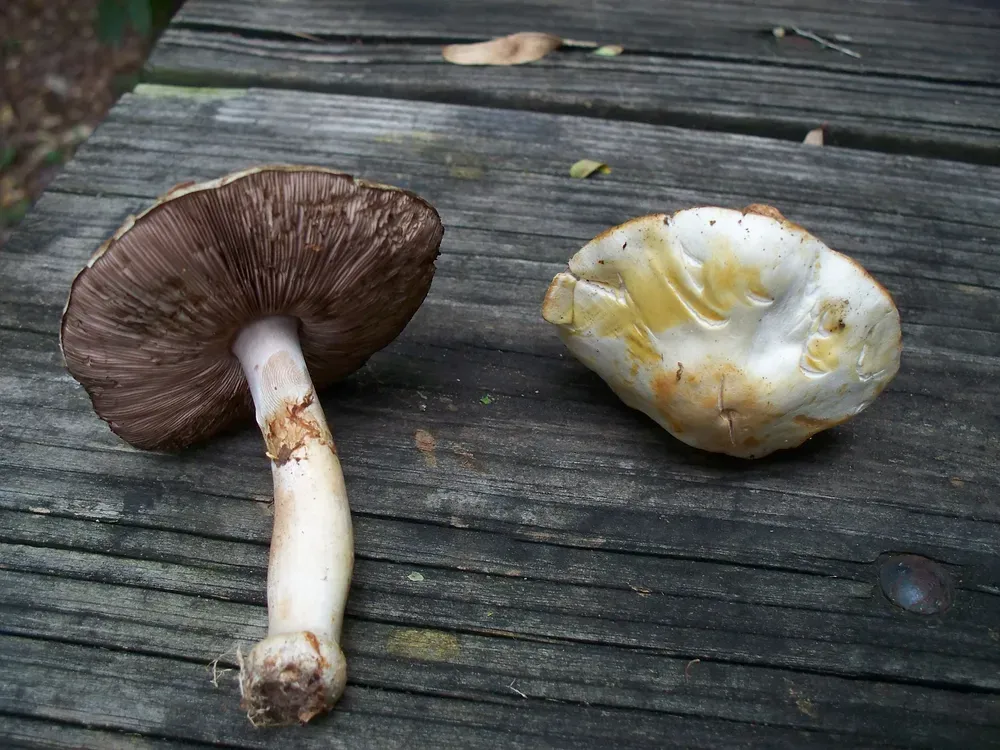
Agaricus abruptibulbus
Agaricus haemorrhoidarius
Agaricus haemorroidarius
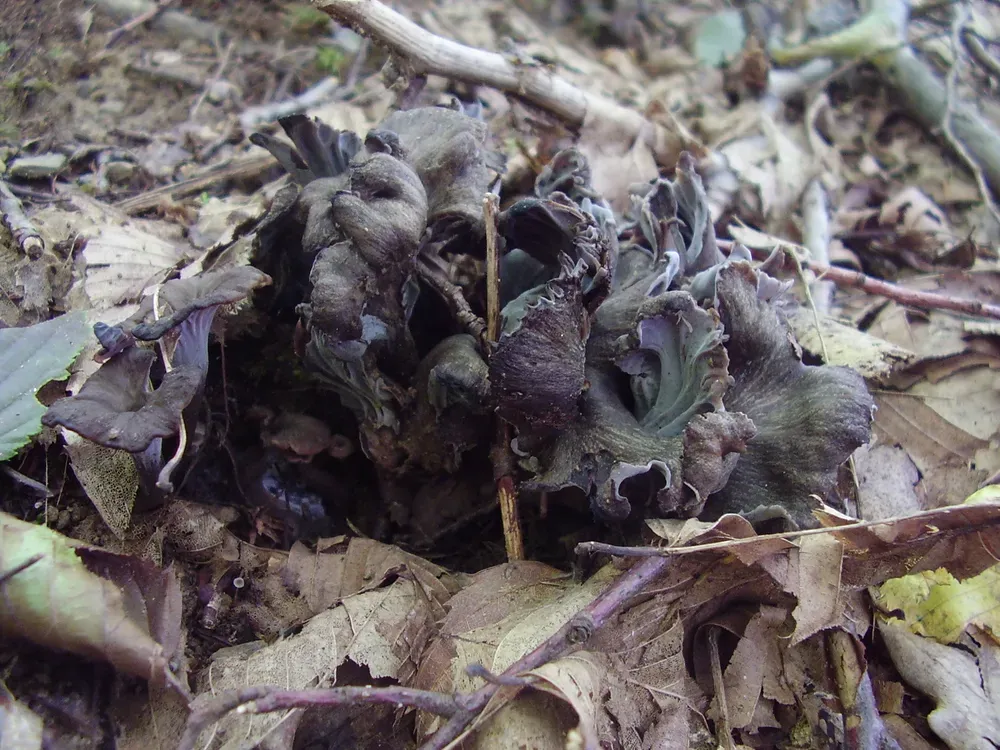
Ashen chanterelle
Cantharellus cinereus
Related reading
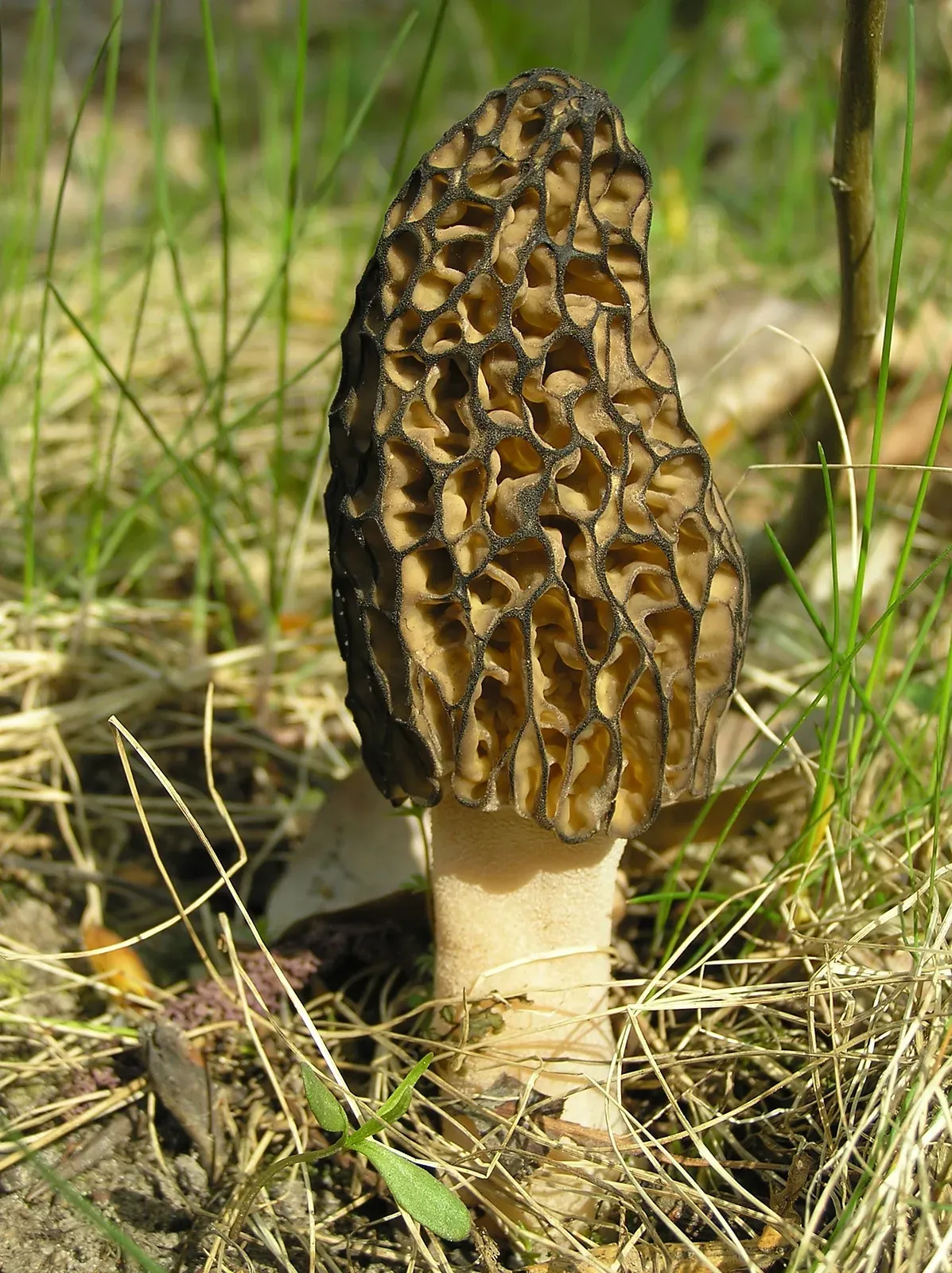 Where & when to forage
When to pick morels and false morels, the first spring mushrooms
As soon as the snow melts, morels appear in the woods — the first mushrooms of the year. Here's when and where…
August 18, 2026·3 min Where & when to forage
Ukraine's mushroom calendar: what to pick each month
The mushroom season lasts almost all year; you just need to know when to go looking for what. Here's Ukraine's…
August 12, 2026·3 min._Locatie,_De_Kruidhof_Buitenpost_01.webp) How to identify
How to identifyEdible mushrooms of Ukraine: photos and names
A catalog of the best-known edible mushrooms of Ukraine, with photos, names and quick field marks. We explain…
May 30, 2026·6 min
Frequently asked questions
Is Common morel edible or poisonous?
What kind of spore-bearing surface does Common morel have?
What does the cap of Common morel look like?
What does the stem of Common morel look like?
What do Common morel smell and taste like?
Where does Common morel grow?
Which trees does Common morel grow under?
When should you pick Common morel?
What can Common morel be confused with?
How do you cook Common morel?
Can you dry Common morel?
What is the scientific name of Common morel?
Sources
- [1]Атлас грибів України, Зеров Д.К. (1979)
- [2]GBIF