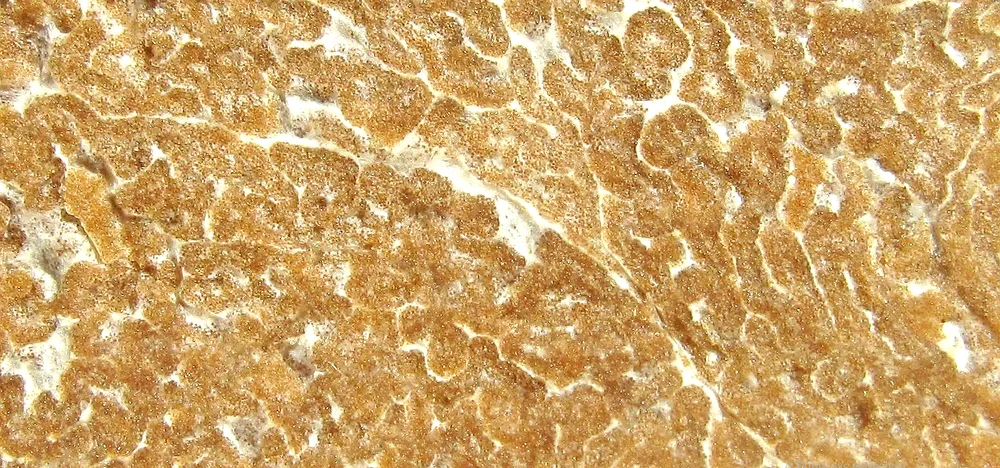
Summer truffleTuber aestivum
Expert-verifiedUpdated October 3, 2026
Passport
- Edibility
- Edible
- Season
- Jun — Dec
- Hymenophore
- Chambered
- Cap color
- Black
- Size
- Small (up to 5 cm)
- Smell
- Pleasant
- Reviewed
- Yes ✓
Quick answers
Where to look?
Deciduous forest, Mixed forest
When does it appear?
Jun — Dec
Active months: June, July, August, September, October, November, December.
How to recognize it? Three signs
- Cap color: Black, Brown
- Cap shape: Irregular
- Smell: Pleasant
Fruiting season
June – December
Description
The summer truffle, or black summer truffle (Tuber aestivum; synonym — Tuber uncinatum for the autumn form; in Europe also known as "Burgundy truffle") — an underground delicacy with a distinctive aroma, prized by European cooks and selling for 200-800 euros per kilogram depending on grade and freshness. The Latin epithet aestivum means "summer" — a hint at the harvest season (June-September for T. aestivum, autumn for the T. uncinatum form).
The fruiting body is underground, globose to irregularly globose, 2-10 cm across, fully buried in the soil (usually 5-25 cm below the surface), often close to the roots of its symbiotic trees. The outer surface is blackish-brown with characteristic hard pyramidal warts (like the skin of a black pineapple). The inner flesh is creamy white, with a characteristic marbled pattern of dark and light veins.
A delicacy of outstanding culinary quality — a distinctive, characteristic aroma with notes of nuts, earth, agar, burnt chocolate and a faint whiff of decay. In the kitchen: shaved into thin slices and added to pasta, omelets, risotto, foie gras, sauces, cheese and preserves. The aroma only comes through when fresh (it keeps 5-7 days in the fridge in an airtight box with rice to absorb moisture). Dried or preserved, it is much weaker.
Classic uses: Tagliatelle with truffle (pasta + cream + thin shavings) Truffle omelet (beat with the eggs and let it infuse for 12 h) Truffle risotto Beef tartare with truffle Cheese boards (truffle brings out the aroma of hard cheeses)
Diagnostic features of Tuber aestivum: Underground, globose fruiting body 2-10 cm, fully buried in the soil Blackish-brown outer surface with hard pyramidal warts Creamy white inner flesh with a marbled pattern of dark veins Distinctive aroma with notes of earth, nuts and coffee Spore print dark brown Symbiosis with the roots of oak, beech, hazel and hornbeam (mycorrhizal partner) Harvested only with trained dogs or pigs (because it grows underground)
In Ukraine it's uncommon, but present in limestone soils of the Carpathians, Prykarpattia, western Podillia and parts of Podillia. It often grows in oak and beech forests on carbonate soils. An active search has been underway since the 2010s — several truffle plantations have been set up (mycorrhizal oak seedlings), especially in the Lviv, Ternopil and Zakarpattia regions. In the wild it is rare; you may stumble on it by chance at the edges of oak woods.
How to look: for amateur searching, watch for these signs: (1) "truffle flies" (Suillia fuscicornis) hovering just above the ground over a ripe truffle; (2) small bumps and hollows in the leaf litter of oak and beech woods on limestone soils; (3) "rooting poisonpie" (Hebeloma radicosum) — indicator ground-dwelling mushrooms that grow next to truffle mycelium. Most effective of all — a trained dog (the Lagotto Romagnolo is a specialized breed) or a pig (banned in Europe because of the risk of damage).
Cap
The fruiting body is underground, globose to irregularly globose, 2-10 cm across (sometimes up to 15 cm). Fully buried in the soil, with no distinct above-ground part. The surface is hard, blackish-brown to blackish, with characteristic hard pyramidal (5-7 mm) warts that resemble the skin of a black pineapple or the scales of a carp. The warts are 5-6-sided, with fine radial cross-lines at the tip.
Hymenophore
An ascomycete — spores form in sacs (asci) in the inner chambers of the fruiting body. The gleba (inner tissue) in mature specimens is blackish-brown with white marbled veins (sterile tissue). Spore print: dark brown to blackish.
Stem
No stem. The fruiting body is attached to the symbiotic roots by thin rhizomorphs.
Flesh
Flesh (gleba): dense, marbled, creamy white in young ones; with age it turns brown-black-cream with a characteristic pattern of thin white veins between the dark brown spore-bearing chambers. Smell: distinctly aromatic, intense, with notes of earth, nuts, agar and burnt chocolate — a diagnostic feature and its main value. Taste: intense, complex, earthy and nutty.
Smell
A distinctive, characteristic, intense aroma with notes of earth, nuts, agar, coffee, burnt chocolate and a faint whiff of decay — the basis of its culinary value.
›Scientific synonyms (10)
Lycoperdon aestivum Wulfen, Tuber aestivum (Wulfen) Pers., Rhizopogon aestivus (Wulfen) Fr., Hymenangium aestivum (Wulfen) Rabenh., Tuber culinare var. aestivum (Wulfen) Zobel, Tuber blotii Eudes-Desl., Aschion nigrum Wallr., Tuber gallicum Corda, Tuber bohemicum, Tuber culinare Zobel
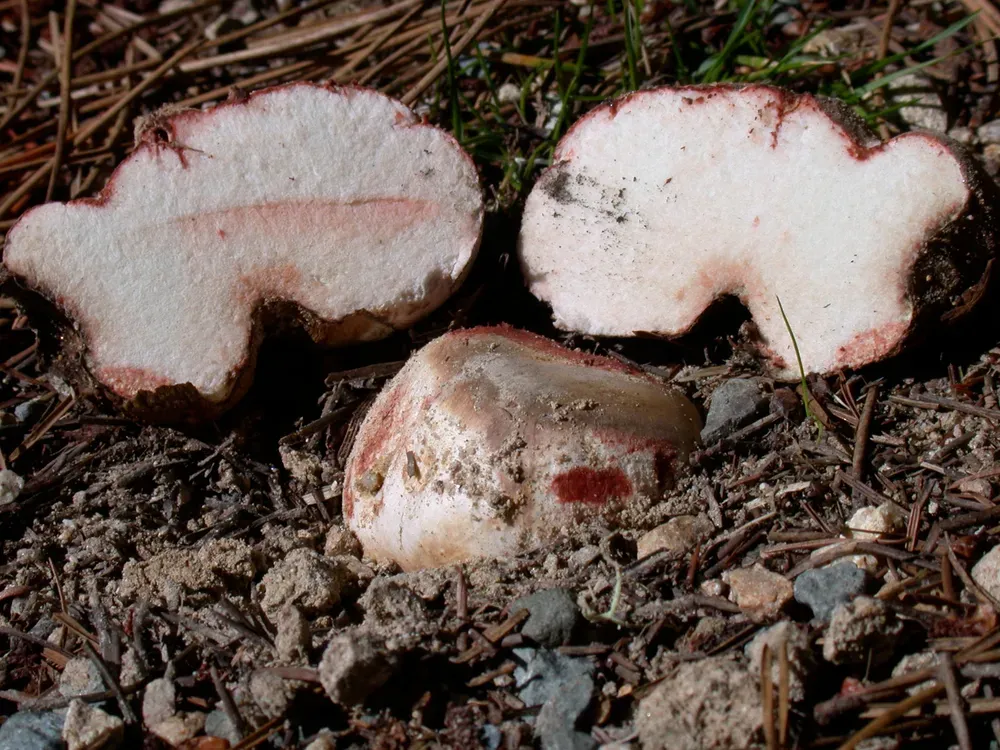
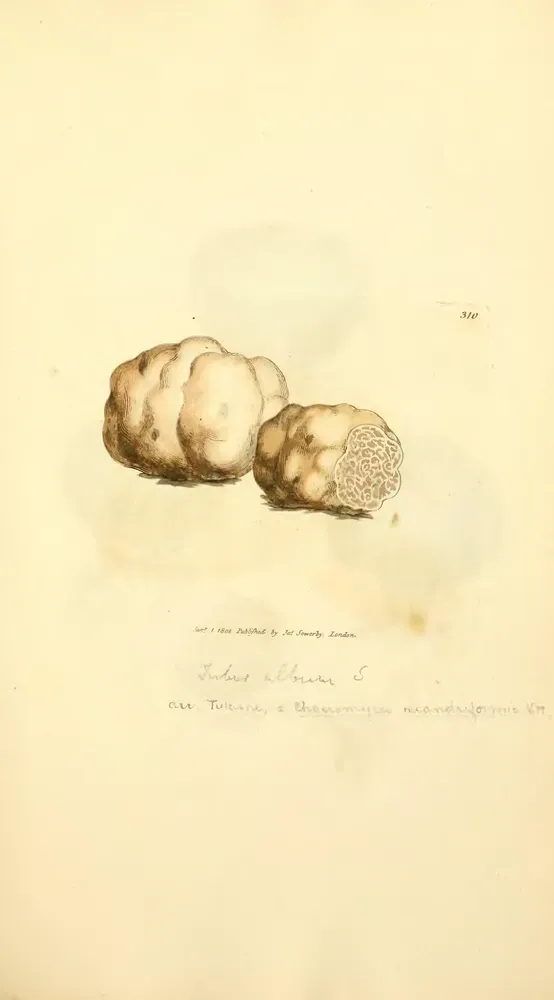
Lookalikes
Related species
Mushrooms of the same genus and habitat — to study side by side and never mix up.
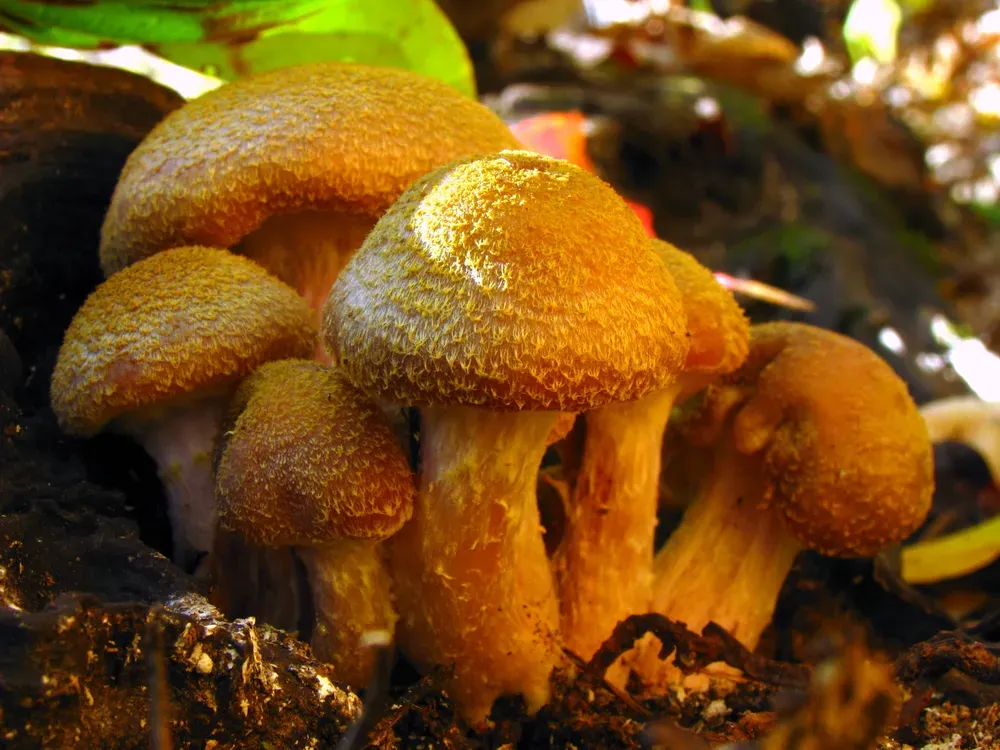
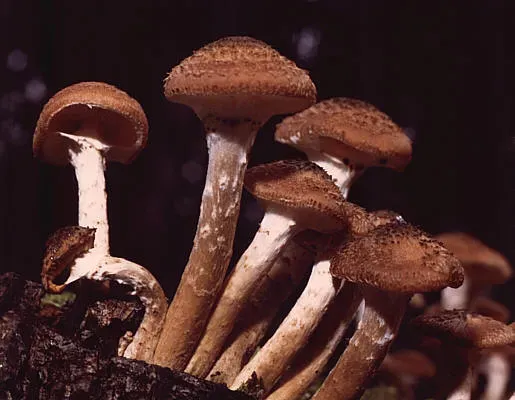
Bulbous honey fungus
Armillaria gallica
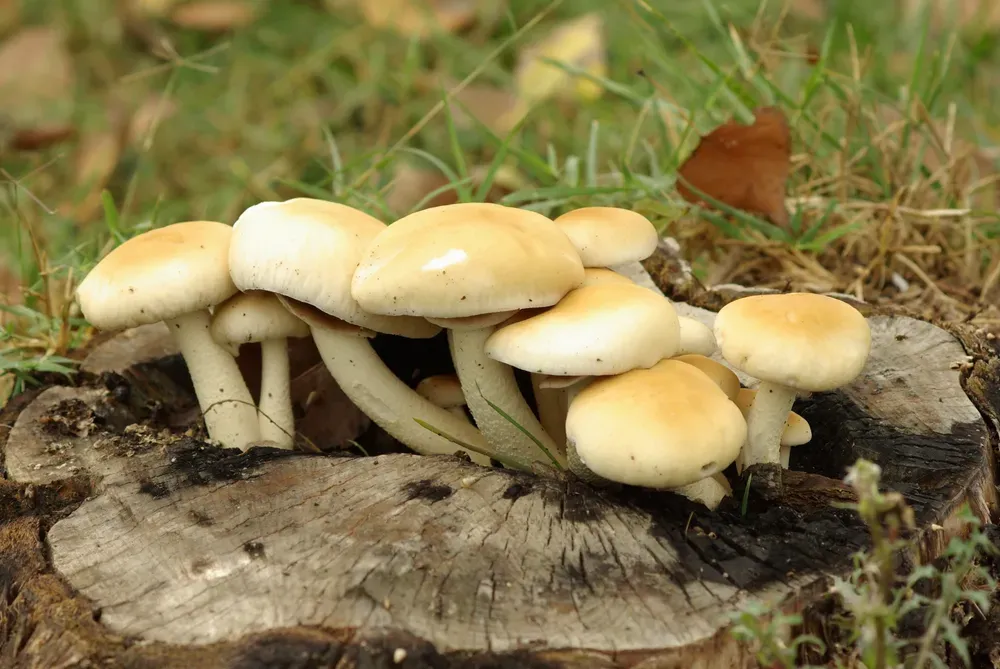
Dark honey fungus
Armillaria ostoyae
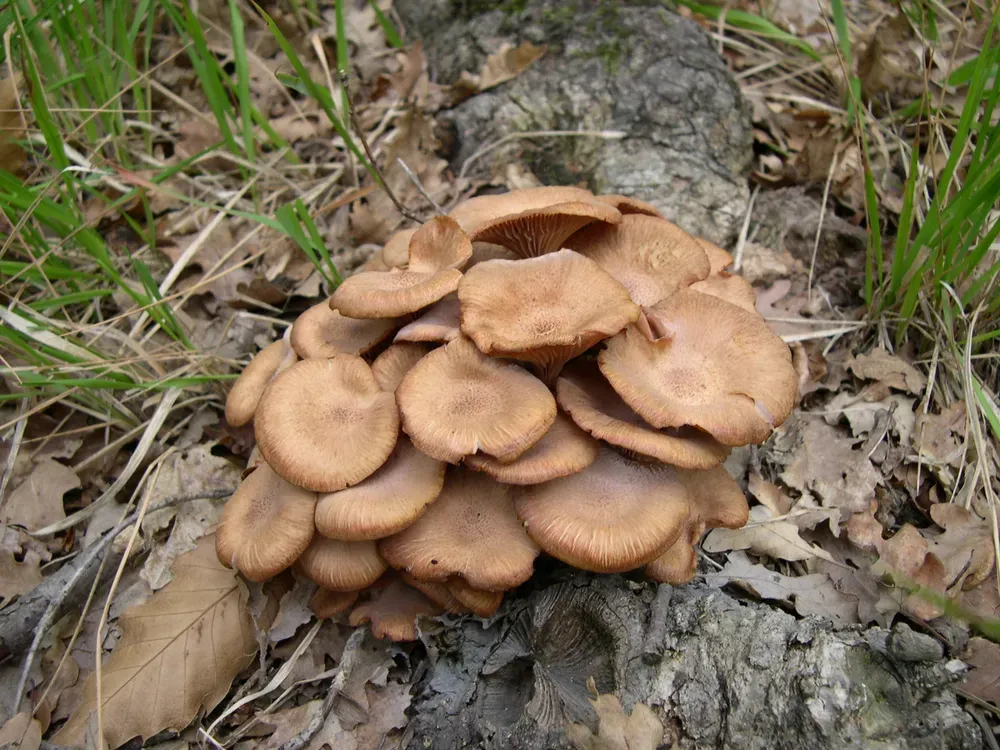
Poplar fieldcap
Cyclocybe aegerita
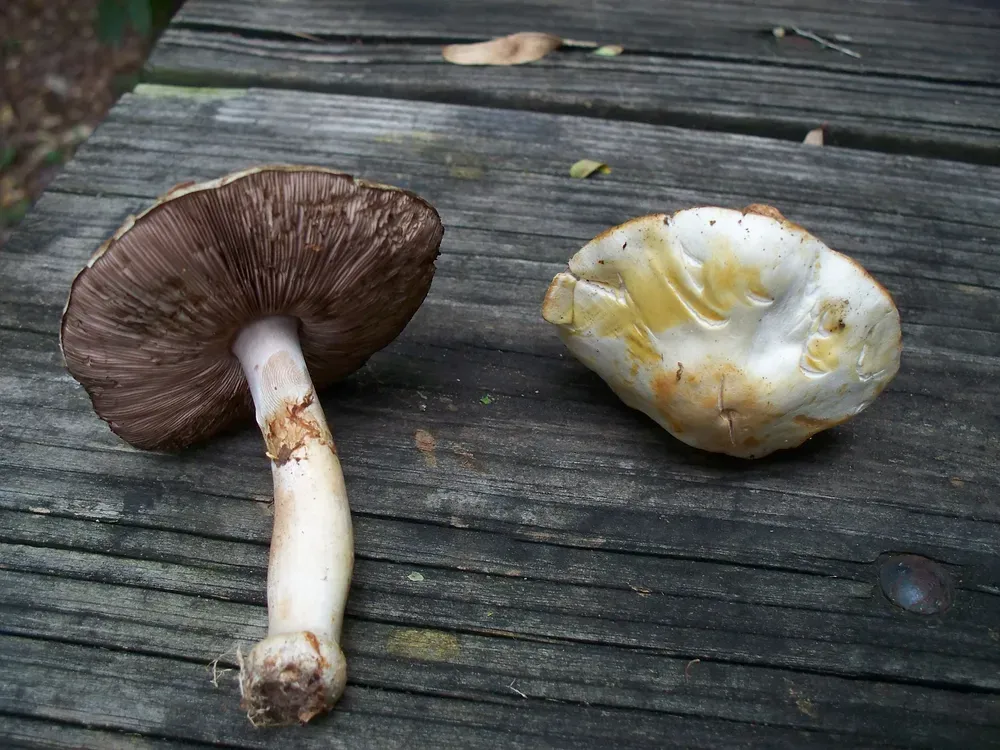
Ringless honey fungus
Desarmillaria tabescens
Agaricus abruptibulbus
Agaricus haemorrhoidarius
Agaricus haemorroidarius
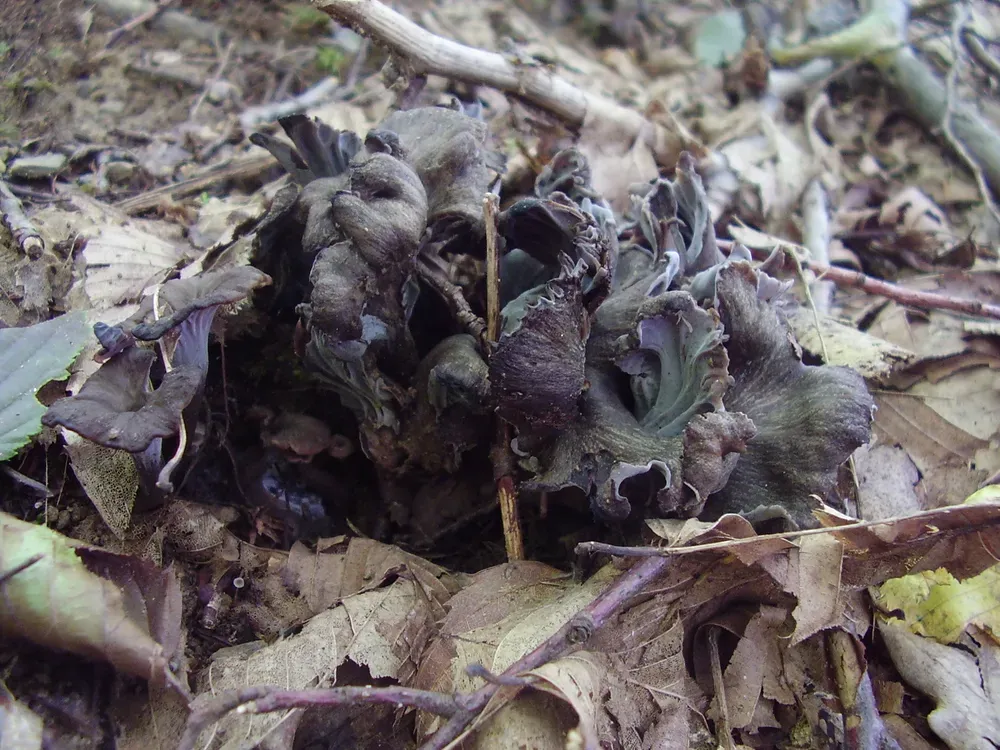
Ashen chanterelle
Cantharellus cinereus
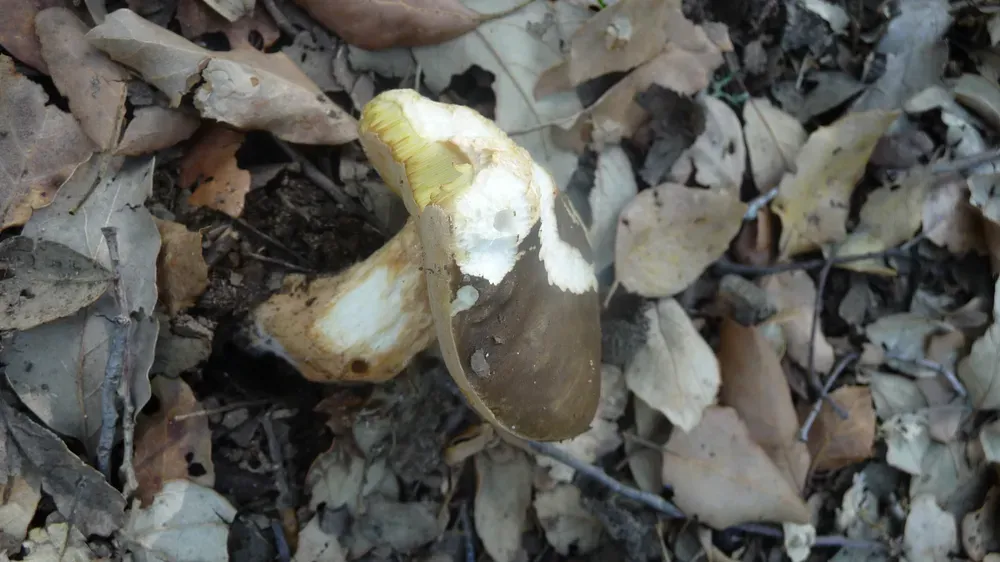
Blushing bolete
Leccinum roseofractum
Frequently asked questions
How can an amateur find one?
Four approaches: (1) A trained dog (the Lagotto Romagnolo is a specialized breed) — the most effective; (2) Watching for "truffle flies" (Suillia fuscicornis) — they hover just above the ground over ripe truffles; (3) Looking for bumps and hollows in the leaf litter of oak woods on limestone soils; (4) Indicator ground-dwelling mushrooms — Hebeloma radicosum often grows next to truffle mycelium. Without a trained dog, a find is a rare event.
How do you cook it?
The aroma only comes through when it's FRESH. The classic way: shave it into very thin petals with a truffle slicer and add it at the very end of cooking (truffle is never boiled or fried, so the aroma doesn't evaporate). Serve on tagliatelle with cream, omelets, risotto, baked potatoes, foie gras, cheese boards. Store for 5-7 days in the fridge in an airtight box with rice to absorb moisture. Don't wash it before use — just brush off the dirt.
Does it grow in Ukraine?
Yes, though not often — in the limestone soils of the Carpathians, Prykarpattia and western Podillia (Lviv, Ternopil, Zakarpattia, Khmelnytskyi and Chernivtsi regions). In the wild it is rare; in cultivation, several truffle plantations have been set up with mycorrhizal oak seedlings. The active search began in the 2010s.
Can it be cultivated?
Yes — but it's a long-term project. You plant mycorrhized seedlings of oak, beech or hazel on limestone soils. The first fruiting bodies appear after 6-10 years, full fruiting after 15-30 years. The Lviv and Ternopil regions have several commercial truffle plantations (since 2015-2018).
How is it different from the black Périgord truffle?
The Périgord truffle (Tuber melanosporum) is the most expensive French delicacy (1500-3000 euros/kg) and fruits in winter (December-February). The summer truffle (Tuber aestivum) is cheaper (200-800 euros/kg) and fruits in summer and autumn (June-November). The key difference is the inner gleba: T. melanosporum — black-violet with white veins, T. aestivum — cream-brown with white veins. The aroma of T. melanosporum is more intense.
Where should you look for it?
In broadleaf and mixed forests on LIMESTONE or carbonate soils — mostly under oak, beech, hazel and hornbeam. At forest edges, in young plantings, on slopes. It likes light, well-drained soils with a neutral to slightly alkaline pH. It doesn't grow on acidic pine-forest soils.
Which regions of Ukraine is it found in?
Uncommon: the Carpathians, Prykarpattia, western Podillia — in the wild. The best finds: Lviv region (Hrabovets oak forest), Ternopil region (Kremenets Hills, Tovtry), Zakarpattia (Uholka-Shyrokyi Luh reserve), Chernivtsi region (Khotyn Upland). It is actively cultivated on some farms.
When should you look for it?
June — November (T. aestivum form) and October — January (T. uncinatum, the autumn form). Two seasons that partly overlap. Peak finds — August-October. In warm autumns, until the first hard frosts.
What mushrooms is it confused with?
With Tuber melanosporum (Périgord truffle) — pricier, darker inside, a winter species. With Tuber brumale (winter truffle) — also a winter species, but less aromatic. With Choiromyces venosus (a pale-fleshed truffle) — less aromatic. With false truffles (Elaphomyces granulatus) — a different family, inedible, with a powdery black spore mass inside (like an earthball).
Is Summer truffle edible or poisonous?
What kind of spore-bearing surface does Summer truffle have?
What does the cap of Summer truffle look like?
Sources
- [1]Вікіпедія (українська)
- [2]Атлас грибів України, Зеров Д.К. (1979)
- [3]MycoBank Database
- [4]Index Fungorum
- [5]GBIF
- [6]iNaturalist Ukraine