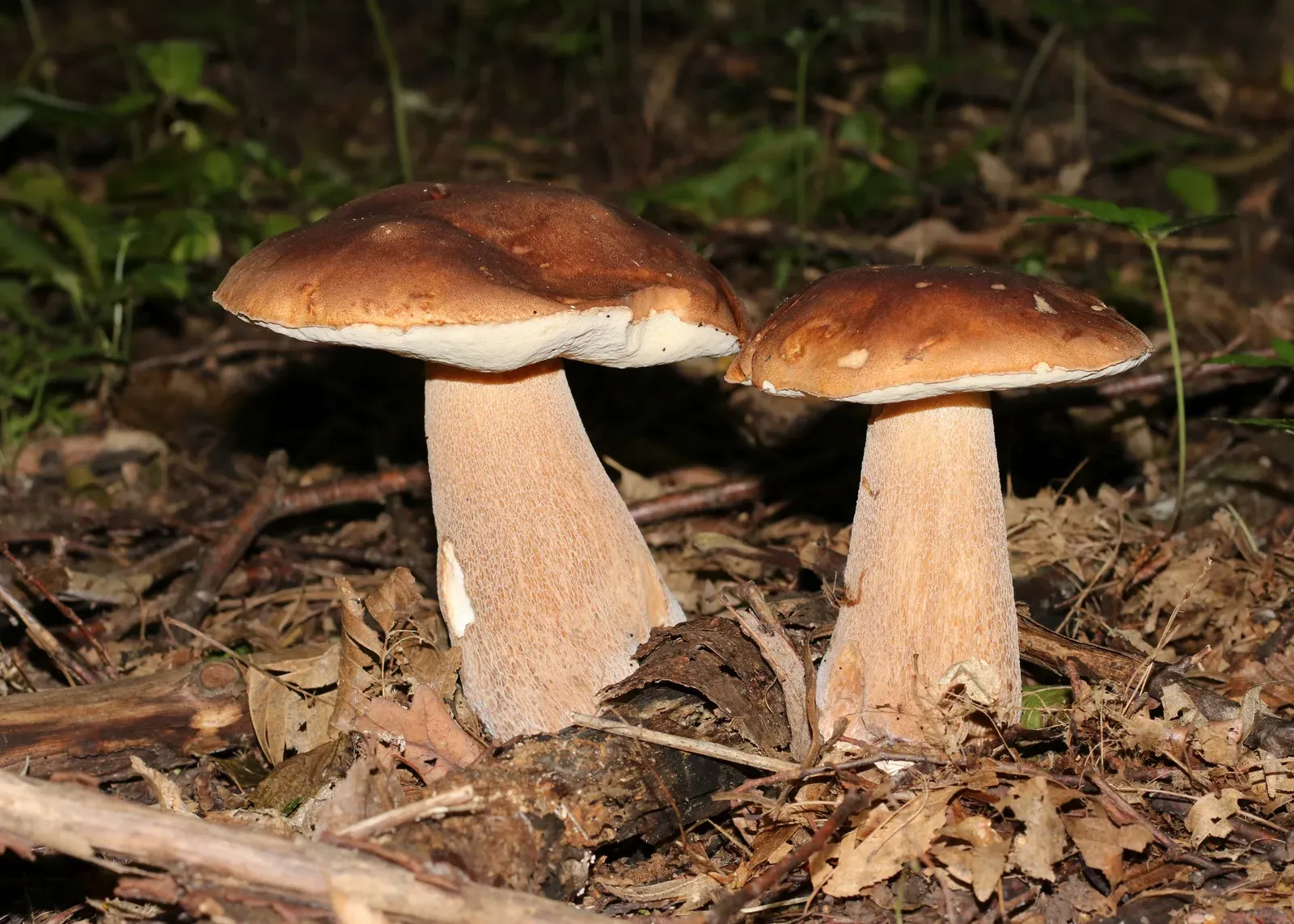
The first thing an experienced forager does with an unfamiliar mushroom is turn the cap over and look underneath. That's where the key identification feature hides: the hymenophore — the layer where spores mature. In most mushrooms it comes in one of two types: pored (tubes) or gilled. Learning to tell them apart is the basic skill that safe foraging starts with.
Let's look at the difference and why it matters so much.
What is a hymenophore
The hymenophore is the underside of the cap that “sows” spores. To increase its area and spread as many spores as possible, nature made it folded rather than smooth. The two main versions of this “folding” gave us two big groups of mushrooms.
Pored mushrooms (boletes)
In pored mushrooms, the underside of the cap is made of countless tiny tubes that look like a sponge or honeycomb with tiny pores.
- What it looks like: a porous, spongy surface; the tubes separate easily from the cap flesh.
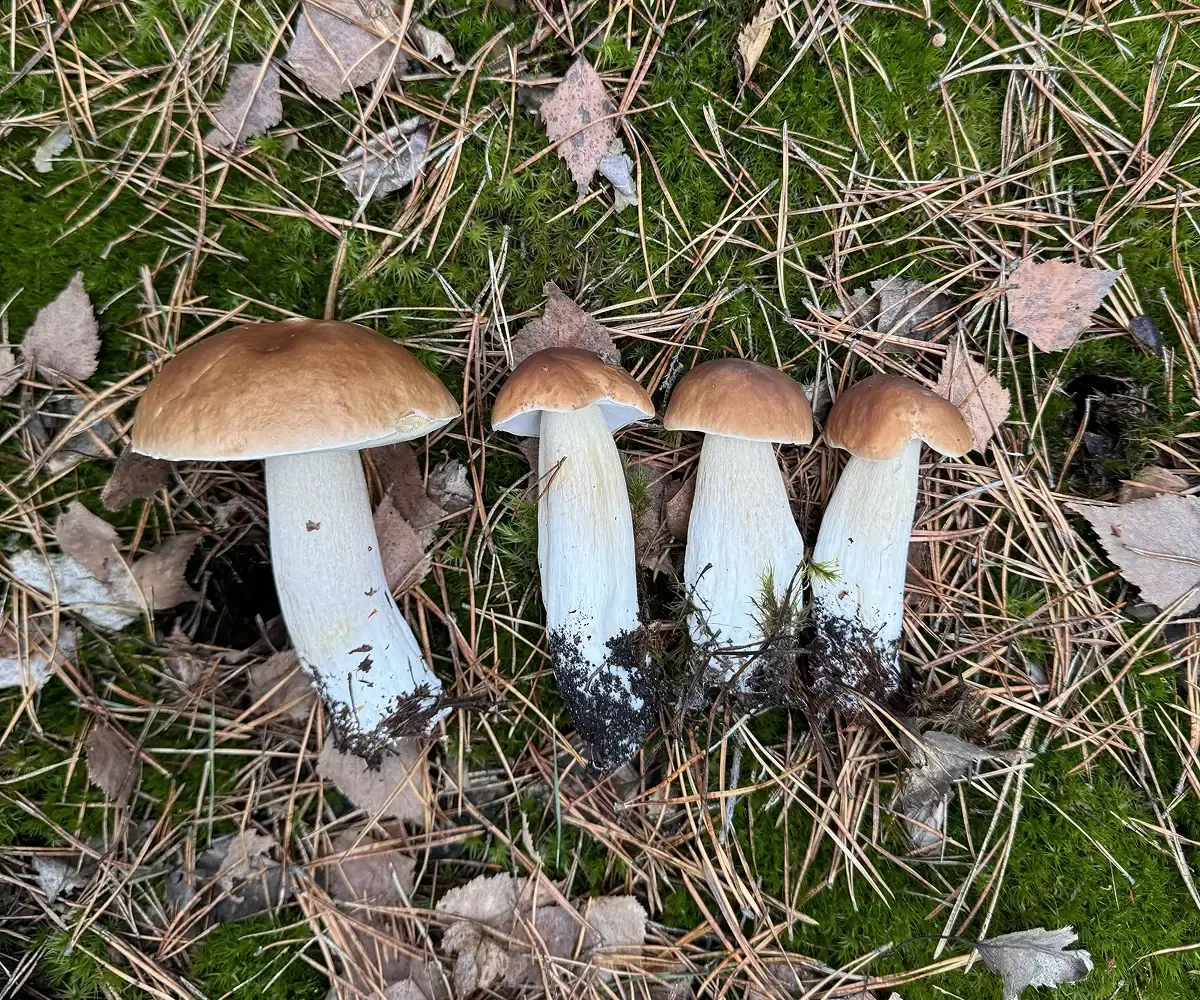
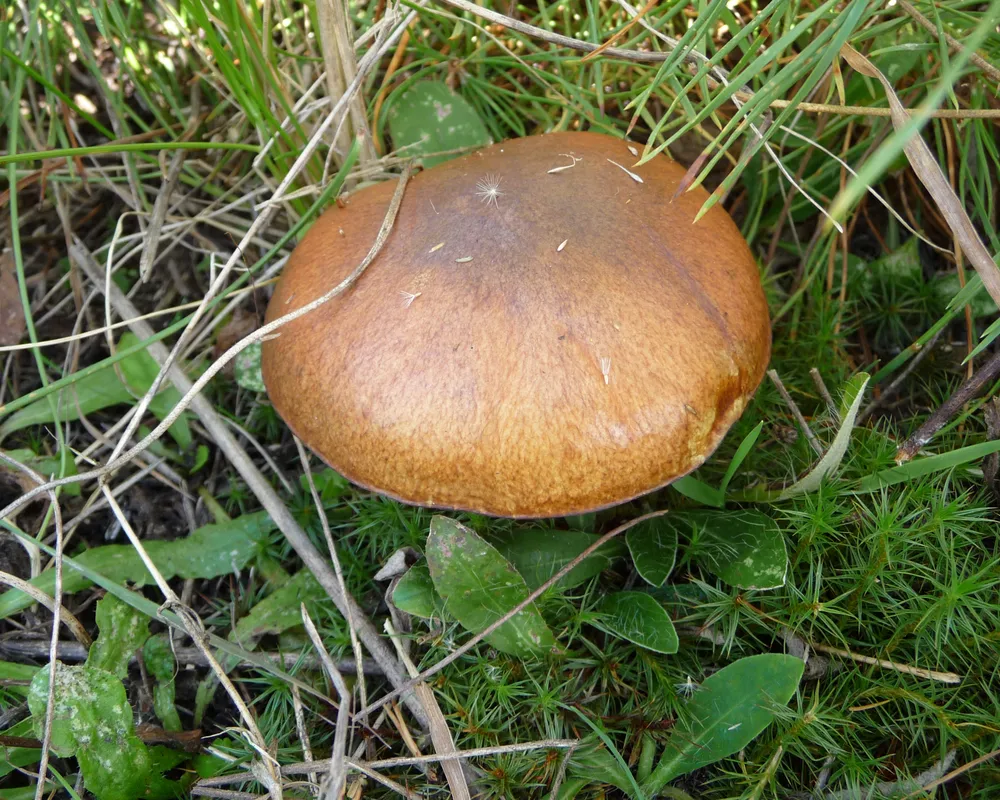
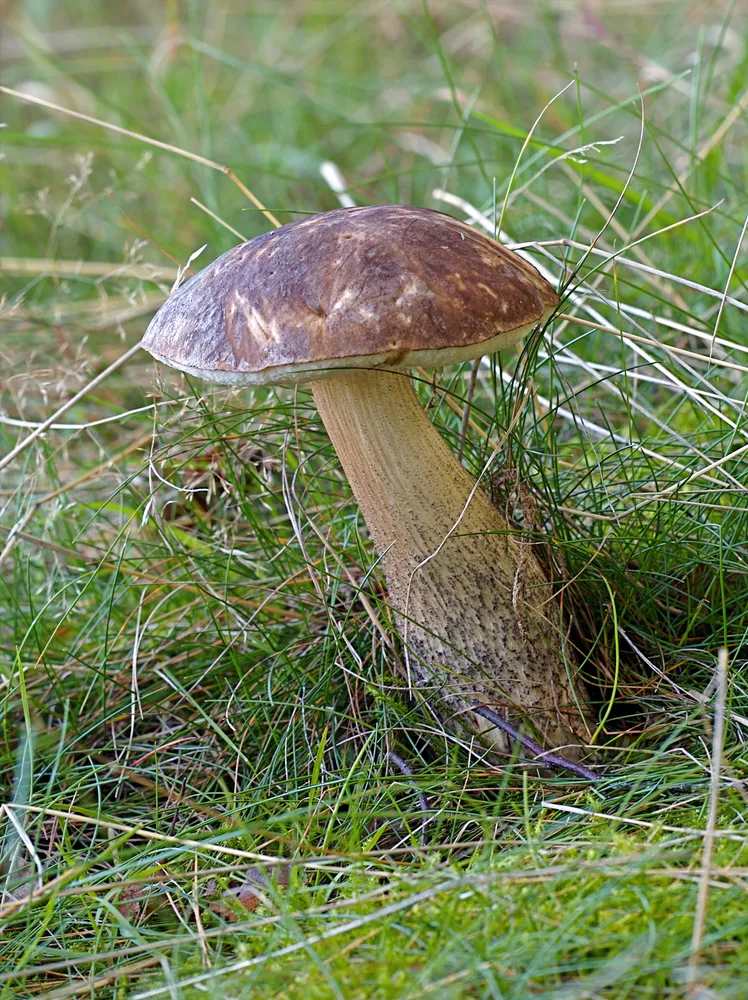
- Examples: porcini, slippery jack, brown birch bolete, red-capped scaber stalk, Xerocomus boletes, bovine bolete, bay bolete — the whole “noble” bolete family.
- Good news for beginners: in Ukraine there are almost no deadly poisonous species among pored mushrooms. The dangerous exceptions are the bitter bolete (Tylopilus felleus) and the devil's bolete, but they aren't deadly. That's why boletes are considered a safer group for a beginner.
Gilled mushrooms
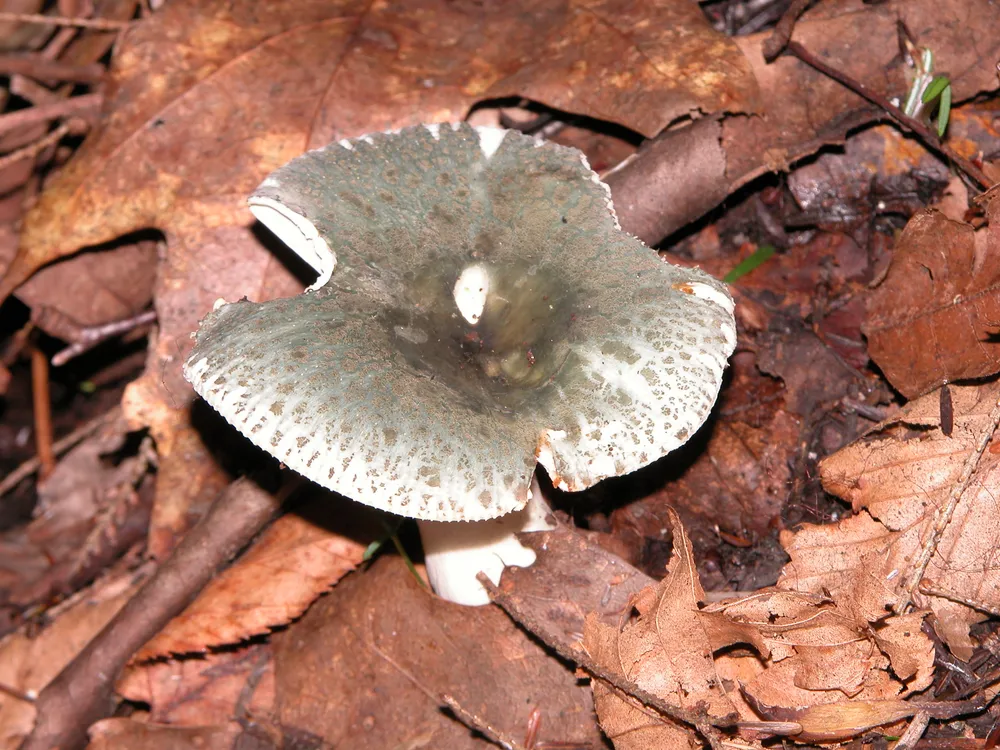
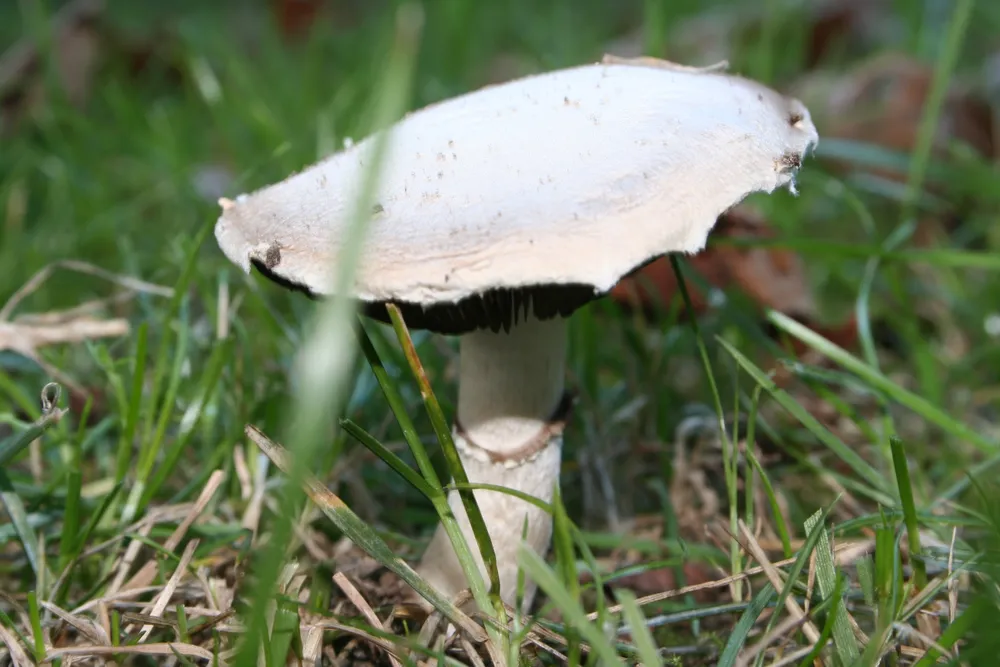
In gilled mushrooms, the underside of the cap is formed by thin radial gills (like spokes in a wheel) running from the stem to the edge.
- What it looks like: even, blade-like plates arranged like rays.
- Examples: brittlegill, Agaricus, honey fungus, Tricholoma (knights), oyster mushroom, yellow knight — and, sadly, the most dangerous mushrooms too.
- Careful: it's among gilled mushrooms that the deadly death cap, amanitas and poisonous Agaricus lookalikes hide. So gilled mushrooms call for extra care when identifying.
A special case: false gills
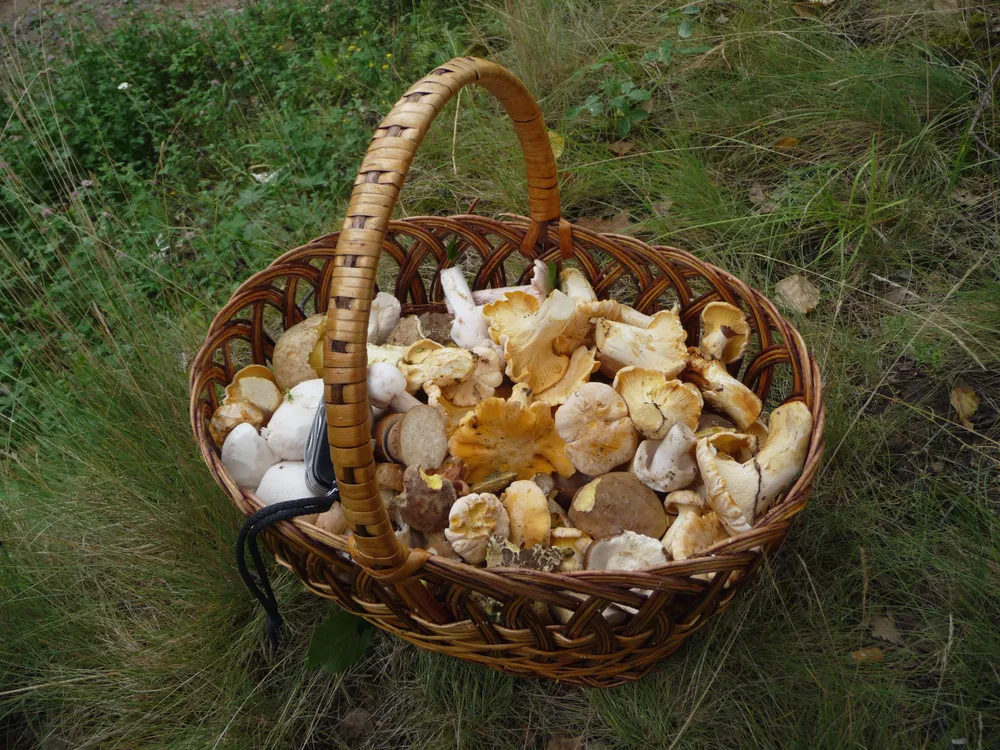
Some mushrooms look gilled underneath, but what you're actually seeing are ridges — thick, forked, running far down the stem. The classic example is the chanterelle. Its “gills” don't come away and merge into the stem. This feature saves you from the false chanterelle. We've written separately about chanterelle lookalikes — the true and the false.
Why it's the first thing to check
The hymenophore type instantly cuts your search in half. See a sponge under the cap — it's a bolete, and you immediately rule out all gilled species, including the death cap and its kin. See gills — it's time to be especially careful and check the species thoroughly.
But the hymenophore type alone is no guarantee of edibility. It's only the first filter. Next you check the color, how the cut flesh changes, the smell, the stem, the ring and the base. Never eat a mushroom unless you're 100% sure of its identification.
Sources
- “Identification Guide to the Fungi of Ukraine” (Kyiv, Naukova Dumka publishing house).
- Hymenophore on Wikipedia.
- Boletales and Agaricales in GBIF, the global biodiversity database.
Frequently asked questions
How do you tell a pored mushroom from a gilled one?
Turn the cap over. Pored mushrooms are spongy underneath, made of tiny tubes and pores; gilled ones have thin radial plates fanning out like rays.
Which is safer, pored or gilled mushrooms?
Pored mushrooms (boletes) are considered safer: in Ukraine there are almost no deadly species among them. The most dangerous mushrooms, including the death cap, are gilled.
Is porcini pored or gilled?
Pored. The underside of its cap is spongy, white, later yellowish-greenish. It's a bolete of the genus Boletus.
Is a slippery jack pored or gilled?
Pored. Under the slippery jack's slimy cap is a finely porous yellowish sponge.
Is the brown birch bolete pored or gilled?
Pored. Like all boletes, the brown birch bolete has a spongy cap underside, not gills.
Which type is the chanterelle?
Neither of the “classic” ones: the chanterelle has false gills — thick, forked ridges running down the stem. That's its telltale feature.
Does pored mean edible?
No. The hymenophore type is only the first step of identification. There are inedible boletes too (bitter bolete, devil's bolete). Always check the species fully.
Why are gilled mushrooms more dangerous?
Because that's where the deadly death cap, amanitas and poisonous lookalikes of Agaricus and honey fungus grow. Gilled mushrooms need more careful identification.
Mushrooms in this article
Related articles
 How to identify
Truffles in Ukraine: do they grow here, and where to look
Truffles aren't just a French delicacy. Several species grow in Ukraine too. Here's which ones, where they occ…
August 24, 2026·2 min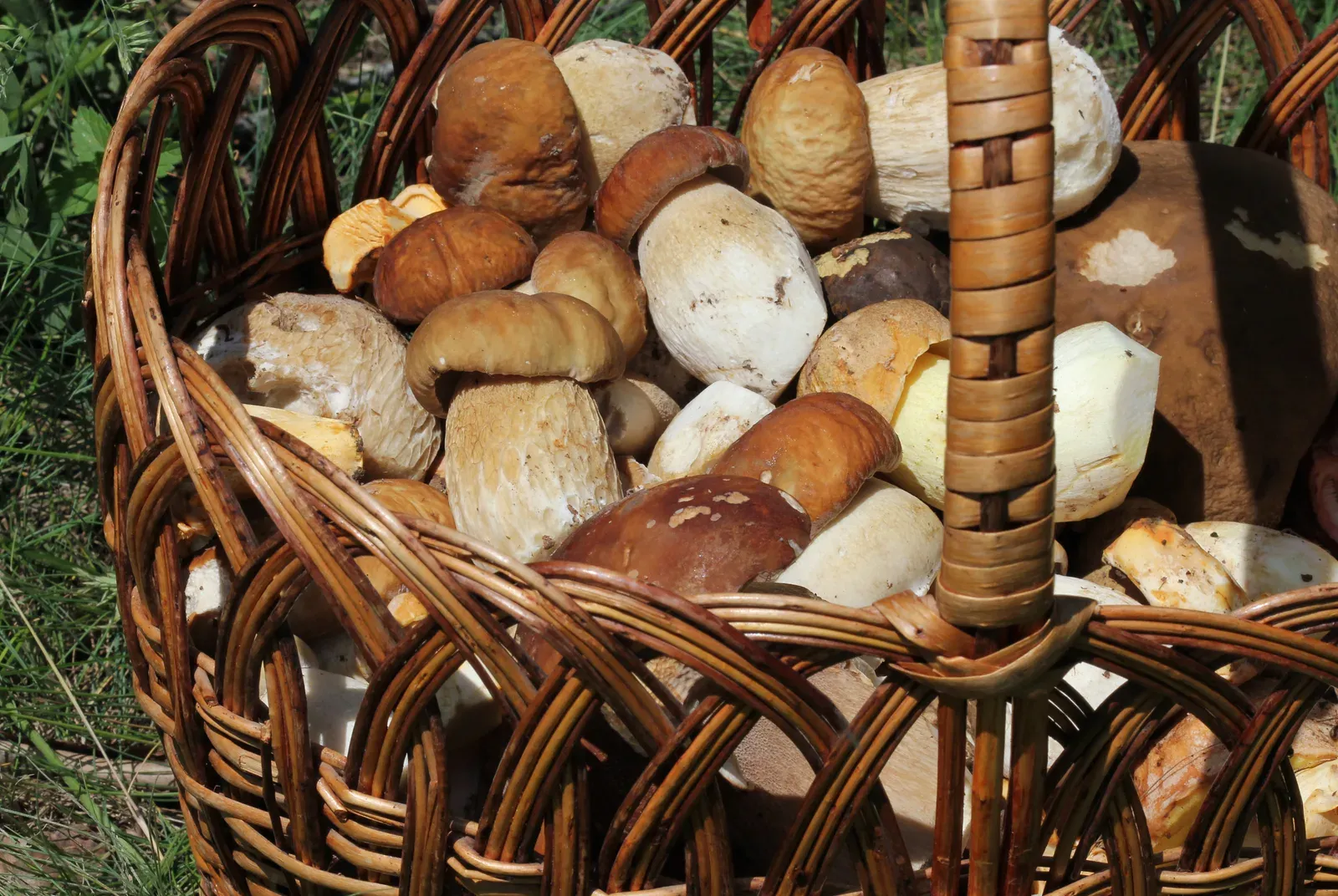 Recipes & cooking
How to store fresh mushrooms, and for how long
Fresh mushrooms spoil faster than you might think. Here's how long they keep in the fridge, how to store them…
August 21, 2026·4 min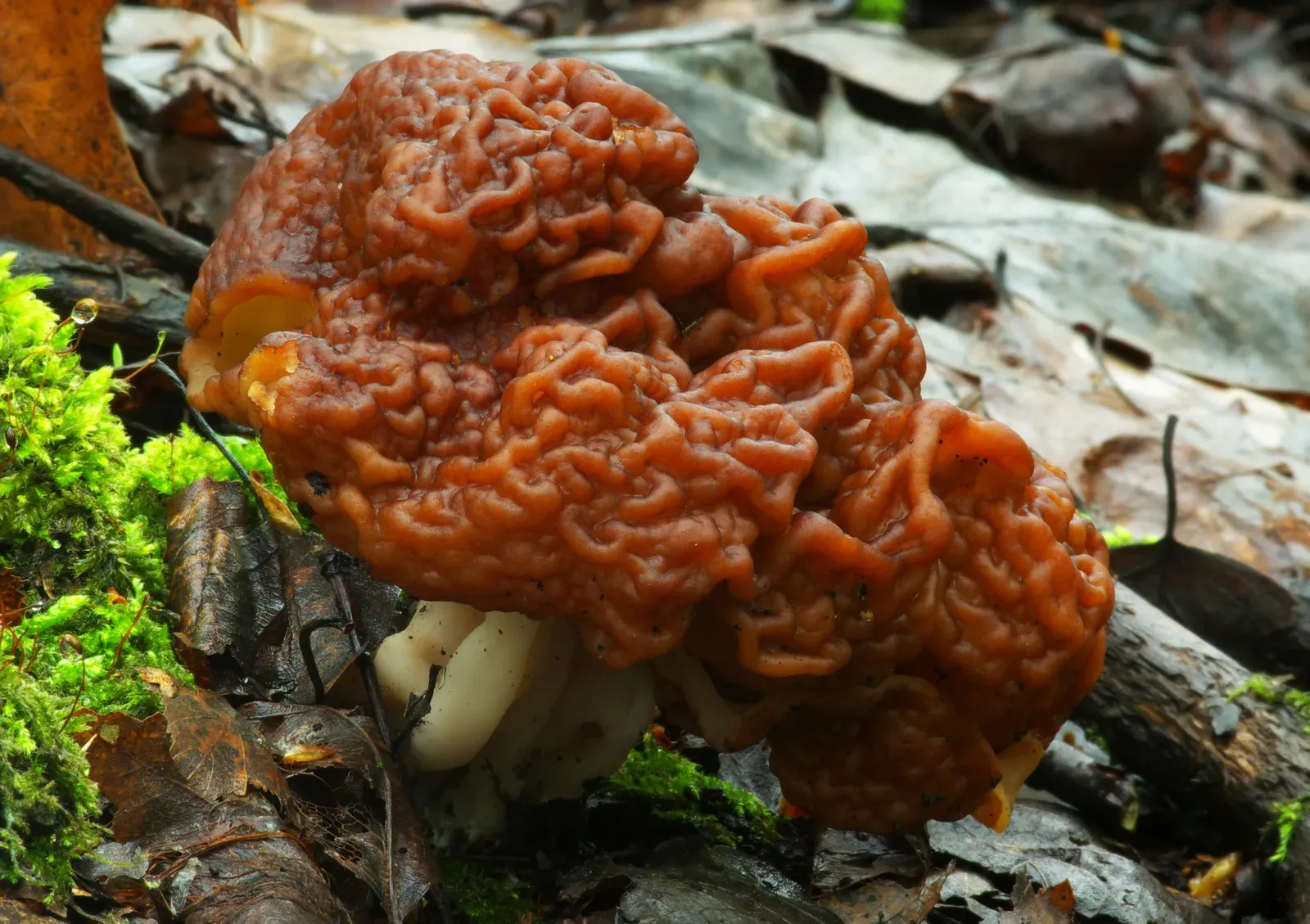 Safety
False morel: why this spring mushroom is dangerous
The false morel looks like a morel, but it contains a poison. Here's how to recognize it, why it's dangerous a…
August 24, 2026·2 min