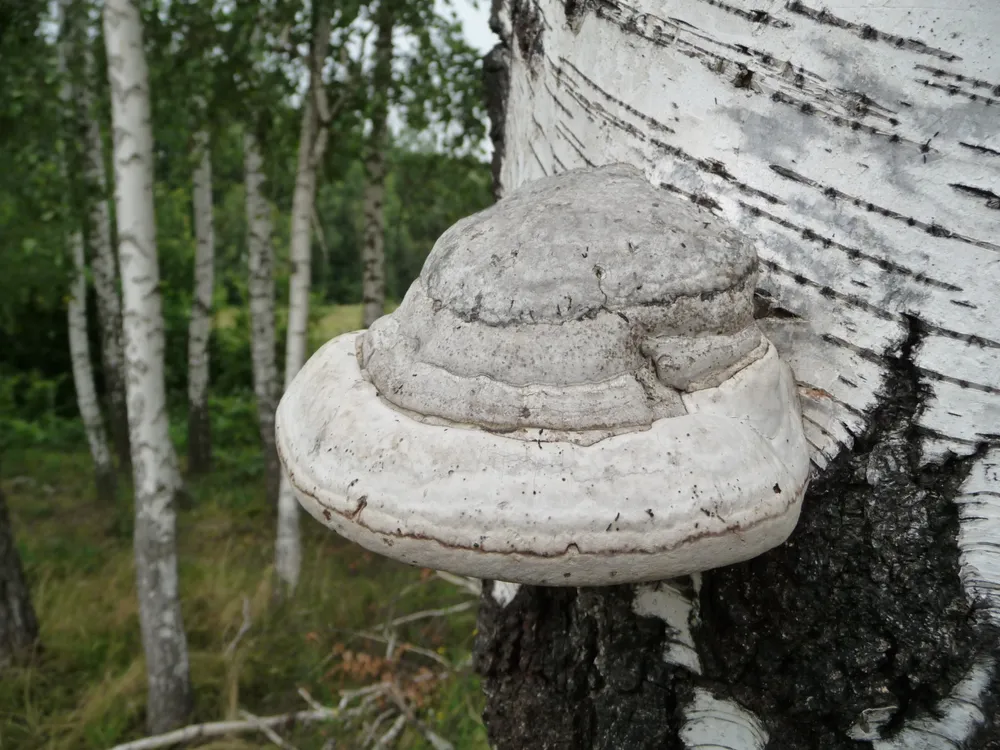
Tinder fungusFomes fomentarius
Expert-verifiedUpdated October 3, 2026
Passport
- Edibility
- Inedible
- Season
- Jan — Dec
- Hymenophore
- Pored
- Cap color
- Grey
- Size
- Giant (>25 cm)
- Smell
- Odorless
- Reviewed
- Yes ✓
Quick answers
Where to look?
Deciduous forest, Mixed forest
When does it appear?
Jan — Dec
Active months: January, February, March, April, May, June, July, August, September, October, November, December.
How to recognize it? Three signs
- Cap color: Grey, Brown
- Cap shape: Convex
- Smell: Odorless
Fruiting season
January – December
Description
The tinder fungus (Fomes fomentarius, known in English-speaking countries as "tinder fungus" — literally a "tinder mushroom" — or "hoof fungus" — a "hoof-shaped mushroom") is one of the most historic mushrooms in Europe, with a thousands-of-years-old tradition of use as fire-starting material and for making "amadou felt". The Latin epithet fomentarius comes from fomes — "tinder, kindling" — for millennia this mushroom was humanity's main source of easily flammable material, until matches were invented.
The fruiting body is large, hoof-shaped, perennial — 5-50 cm across (old specimens up to 70+ cm), attached sideways to the trunk of a broadleaf tree, with no stem. Its shape strongly resembles the hoof of a horse or a large deer. Color: gray-brown to blackish gray, with distinct concentric zones of annual growth. A hard, corky crust. The fruiting body lives 5-30 years, adding a new growth zone every year.
Inedible — the flesh is very tough, corky-fibrous, leathery and hard as wood. No culinary value.
Historical and traditional uses: Fire-starting — the tinder layer (the flesh), boiled in ash and dried, made an easily flammable "tinder" to catch sparks struck from flint and steel. This use goes back to the Neolithic. In the pouch of the legendary "Iceman" Ötzi (5300 years ago) prepared tinder from Fomes fomentarius was found! "Amadou felt" (Amadou) — the flesh was boiled with lye and beaten with a hammer to get a flexible fabric for making hats, patches and medical dressings (antiseptic properties!); in fly fishing, for drying flies Folk medicine — used to stop bleeding, as an antiseptic compress Modern biotechnology — being studied for making biomaterials (mycelium textiles, leather substitutes)
Diagnostic features of Fomes fomentarius: Hoof-shaped fruiting body on broadleaf trees Perennial (5-30 years) Gray-brown corky crust with concentric zones Underside with small, pale gray-brown pores (3-4 pores/mm) Flesh tough, corky-fibrous, rusty brown Smell faint, nothing distinctive Grows on beech, oak and birch, less often on poplar and maple
In Ukraine, Fomes fomentarius is common in broadleaf and mixed forests: the Carpathians, Prykarpattia, Polissia, the forest-steppe. Especially abundant in the beech forests of the Carpathians. Year-round.
Cap
The fruiting body is 5-50 cm across (sometimes up to 70+), hoof-shaped to semi-hoof-shaped, attached sideways to the substrate. No stem. The upper surface is hard and corky, with distinct concentric zones of annual growth, each zone marking a separate year of life. Color: gray-brown, gray, olive-gray; in old ones dark gray to blackish. Old fruiting bodies often have cracks in the crust.
Hymenophore
Tube layer — fine, pale gray-brown pores on the underside (3-4 pores/mm). Color: gray-brown to brown. Spore print: white to pale cream.
Stem
No stem.
Flesh
Flesh: very tough, corky-fibrous, rusty brown, leathery, hard as wood. Useless in the kitchen. Smell: faint, neutral.
Smell
Faint and neutral, nothing distinctive.
›Scientific synonyms (4)
Boletus fomentarius L. 1753, Polyporus fomentarius (L.) Fr. 1821, Fomes griseus Lázaro Ibiza 1916, Ungulina fomentaria (L.) Pat. 1900
Lookalikes
_(d.j.b.)_02.webp)
Related species
Mushrooms of the same genus and habitat — to study side by side and never mix up.
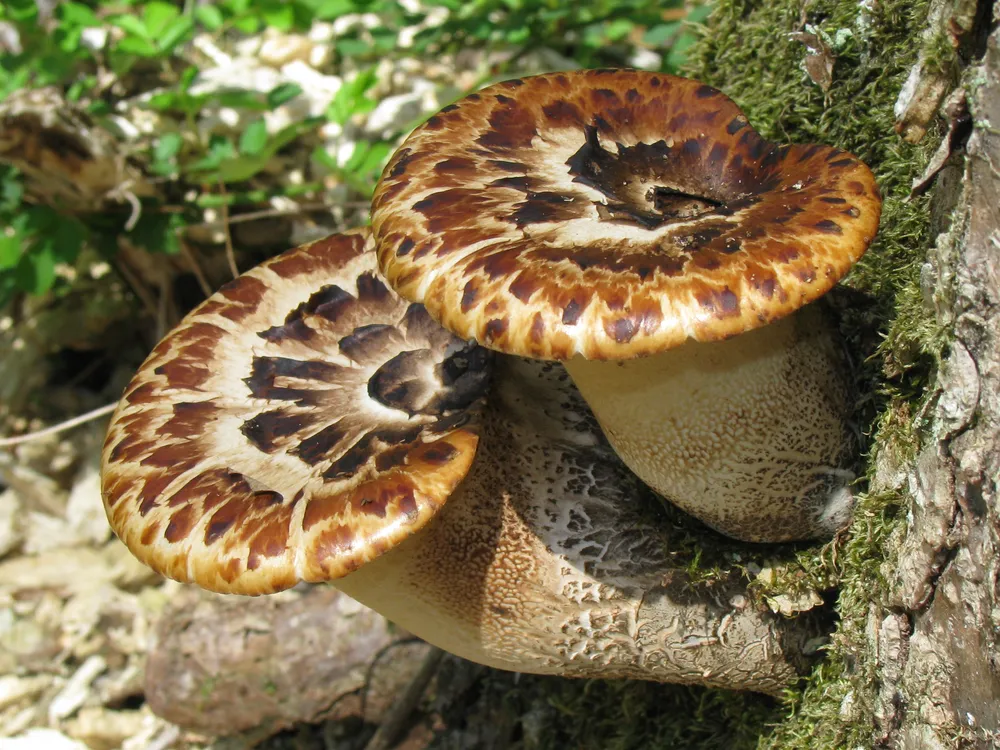
Dryad's saddle
Cerioporus squamosus
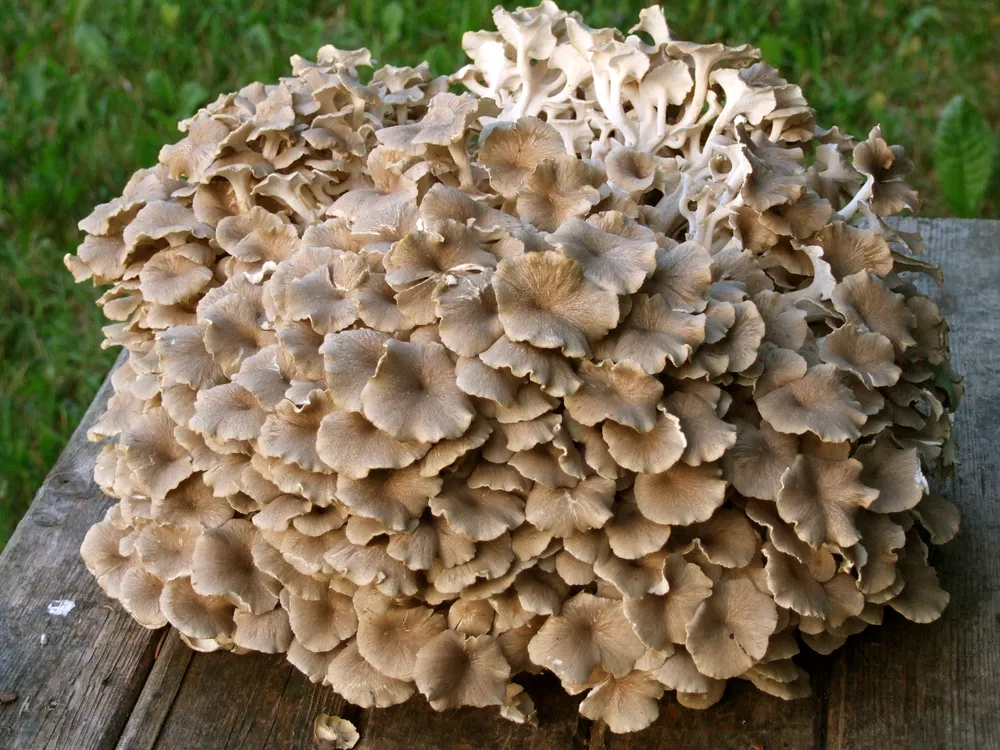
Umbrella polypore
Polyporus umbellatus
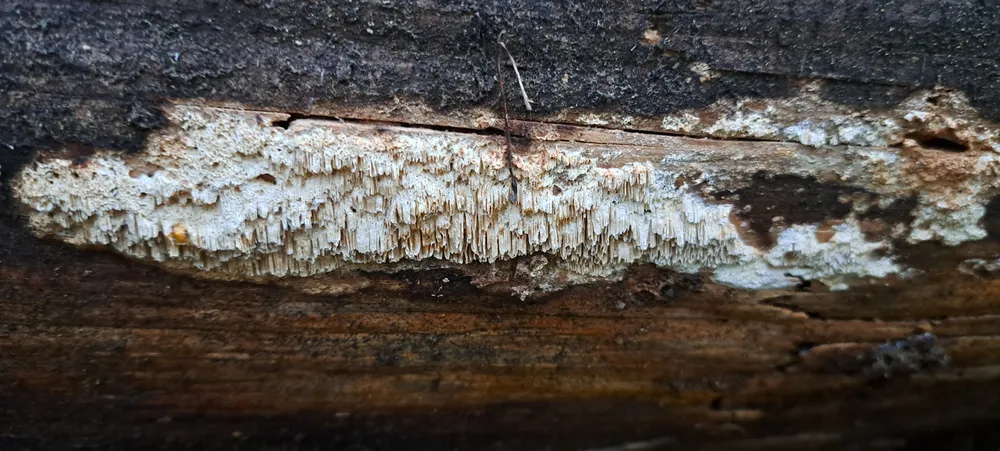
Amyloporia sinuosa
.webp)
Aurantiporus fissilis
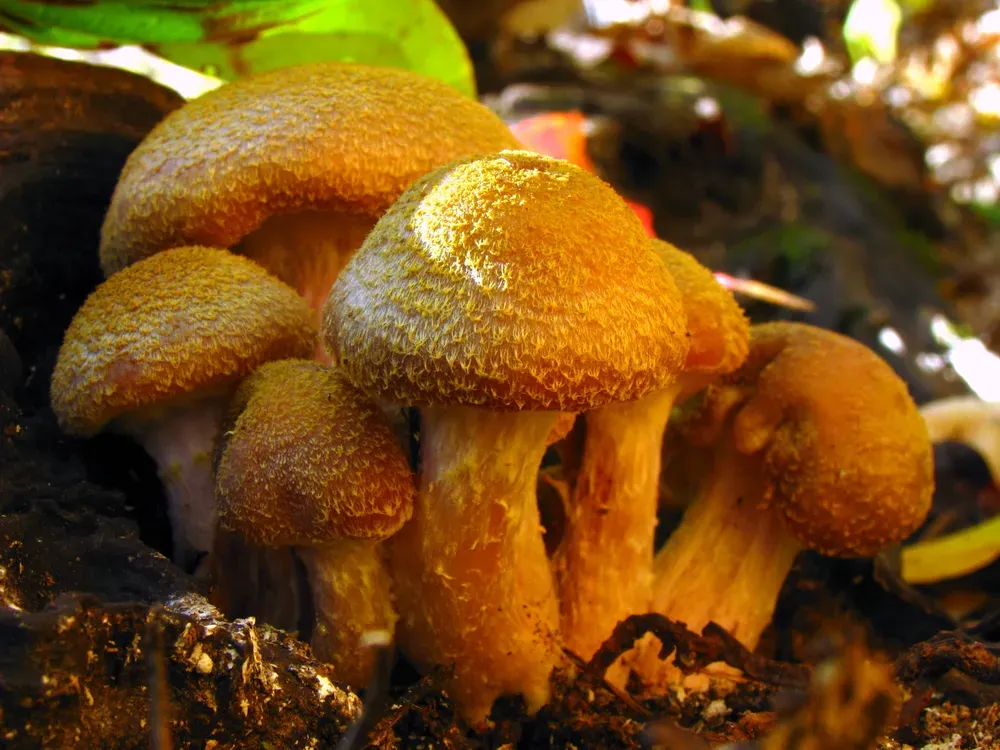
Bulbous honey fungus
Armillaria gallica
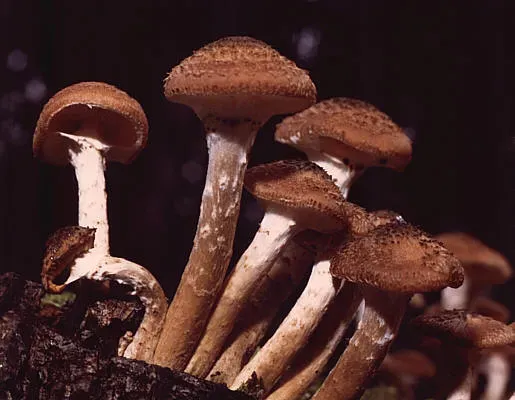
Dark honey fungus
Armillaria ostoyae
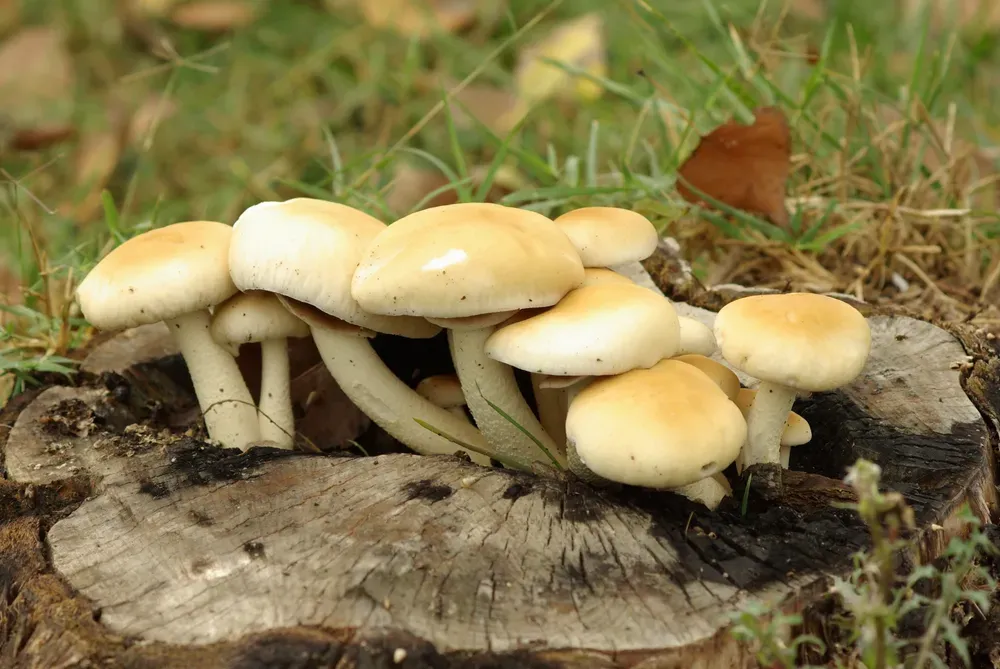
Poplar fieldcap
Cyclocybe aegerita
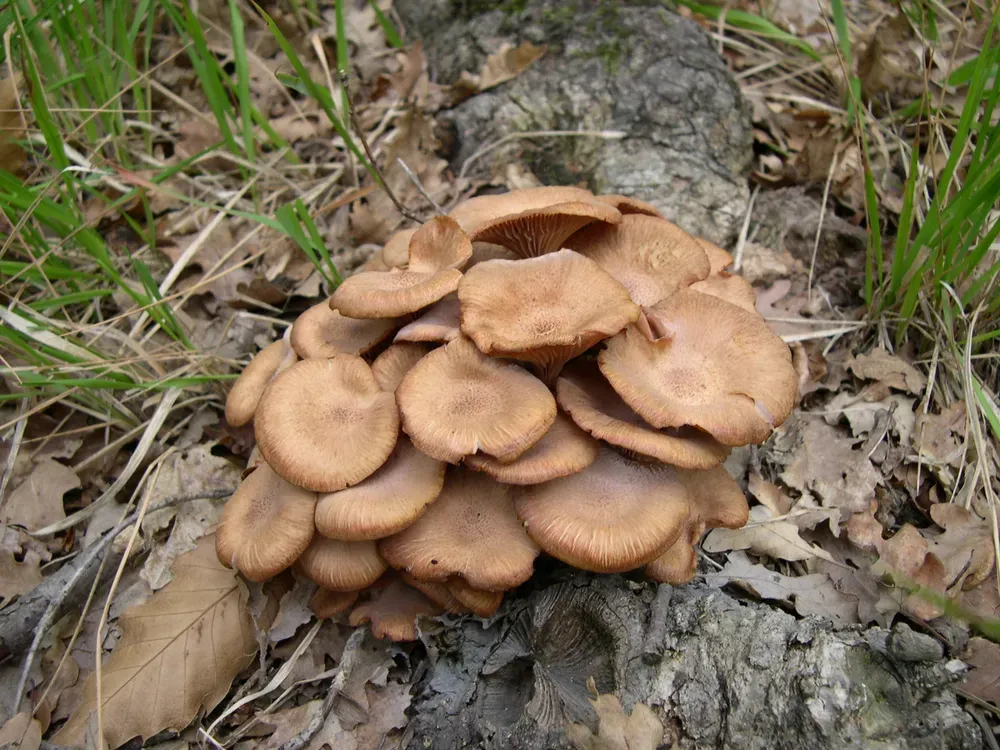
Ringless honey fungus
Desarmillaria tabescens
Frequently asked questions
Can you eat it?
No — the flesh is as tough as wood and useless in the kitchen. Not poisonous, but inedible.
Is it true this is the mushroom found with Ötzi the Iceman?
Yes! The pouch of the famous "Iceman" Ötzi (Tyrol, Italy; a mummy from 5300 years ago) contained prepared tinder from Fomes fomentarius — probably for lighting fires. It is one of the oldest documented examples of humans using mushrooms.
How do you make tinder from it?
Cut out the flesh layer from beneath the hard crust (the brown inner part), boil it in ash or lye for 2-3 hours, air-dry it for 1-2 weeks, beat it with a hammer until soft and spongy. Finished tinder catches sparks from flint and steel. Today its use is more cultural and historical than practical.
Where should you look for it?
On the trunks of living weakened and dead broadleaf trees — especially beech, oak, birch, poplar. In forests, parks and shelterbelts. Often 1-10 m above the ground. Year-round — the perennial fruiting body lives 5-30 years.
Which regions of Ukraine is it found in?
Common throughout the forest zone: the Carpathians (especially abundant in beech forests), Prykarpattia, Polissia, the forest-steppe. In the steppe — in planted shelterbelts and parks.
When can you find it?
Year-round — the fruiting body is perennial. One of the most constant mushrooms you can observe.
What mushrooms is it confused with?
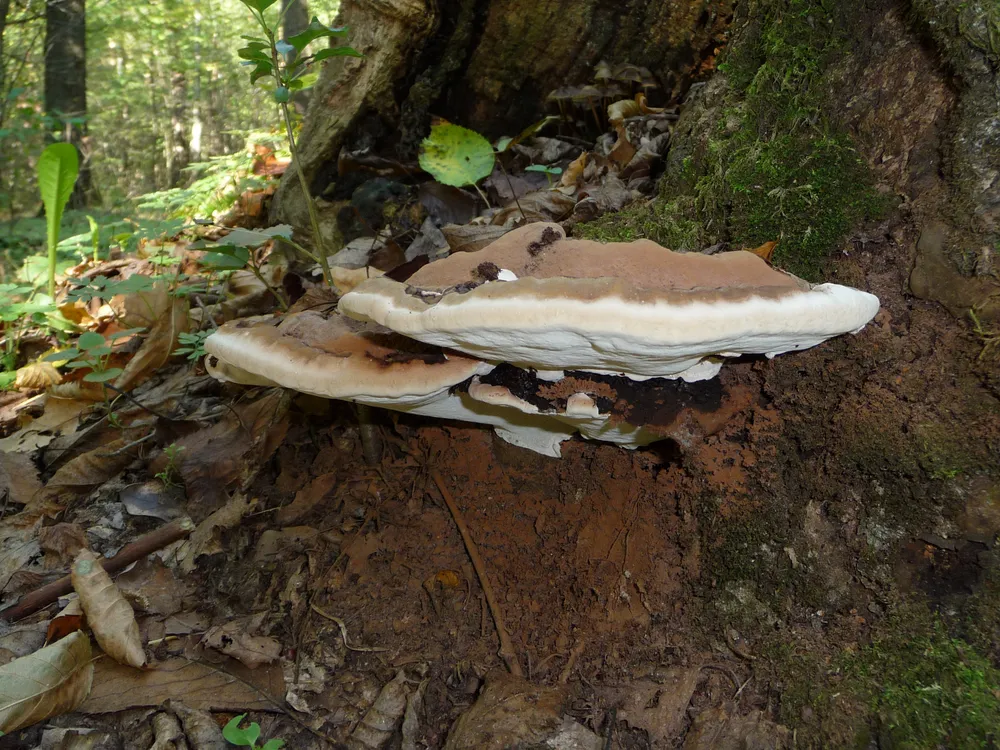
With Ganoderma applanatum (Artist's bracket, "artist's conk") — flat, not hoof-shaped; the underside darkens when pressed. With Phellinus igniarius (willow bracket) — also hoof-shaped, but darker, blackish, without distinct zones. With Inonotus obliquus (chaga) — on birches, black and irregular in shape.
Is Tinder fungus edible or poisonous?
Does Tinder fungus have gills or pores?
What does the cap of Tinder fungus look like?
What does the stem of Tinder fungus look like?
What do Tinder fungus smell and taste like?
Sources
- [1]Вікіпедія (українська)
- [2]Атлас грибів України, Зеров Д.К. (1979)
- [3]MycoBank Database
- [4]Index Fungorum
- [5]GBIF
- [6]iNaturalist Ukraine