THIS DATA HAS NOT BEEN VERIFIED BY AN EXPERT. Use at your own risk.
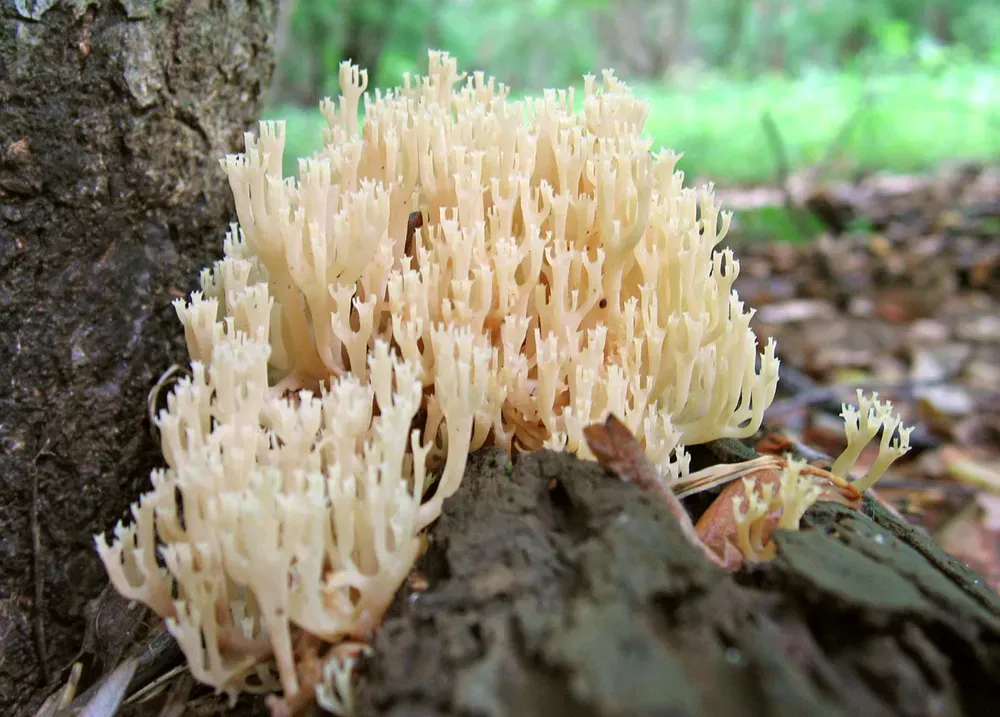
Candelabra coralArtomyces pyxidatus
Under reviewUpdated October 3, 2026
Passport
- Edibility
- Edible
- Season
- Jun — Sep
- Hymenophore
- Smooth
- Cap color
- White
- Size
- Medium (5–15 cm)
- Smell
- Pleasant
- Reviewed
- Under review
Quick answers
Where to look?
Deciduous forest, Mixed forest
When does it appear?
Jun — Sep
Active months: June, July, August, September.
How to recognize it? Three signs
- Cap color: White, Cream, Yellow
- Cap shape: Irregular
- Smell: Pleasant
Fruiting season
June – September
Description
The candelabra coral, known to science as Artomyces pyxidatus (formerly Clavicorona pyxidata), is a whimsical coral fungus whose tree-like branches are topped with tiny cup-shaped crowns that look like little toothed wreaths. It is these crown-like tips that gave the mushroom its name. It has neither the usual cap nor a stem; instead it grows in small clumps right on the dead wood of broadleaf trees — fallen trunks, stumps and branches, which it breaks down as a saprotroph.
In Ukraine, the candelabra coral turns up in deciduous and mixed forests with plenty of fallen wood — on rotting trunks of aspen, poplar, willow, birch and other hardwoods. Its fruiting season is long, from early summer into autumn, June through September; the mushroom appears singly or in groups on the same trunk.
In terms of edibility, the candelabra coral counts as an edible mushroom, but only young, pale specimens are edible. Their flesh has a pleasant, somewhat peppery taste that turns bitter with age. It is fried or added to dishes, but because it is not very fleshy and older fruiting bodies are bitter, it is more of an interesting extra in your basket than the main prize. Old, yellowed specimens become tough and unfit for the table.
Cap
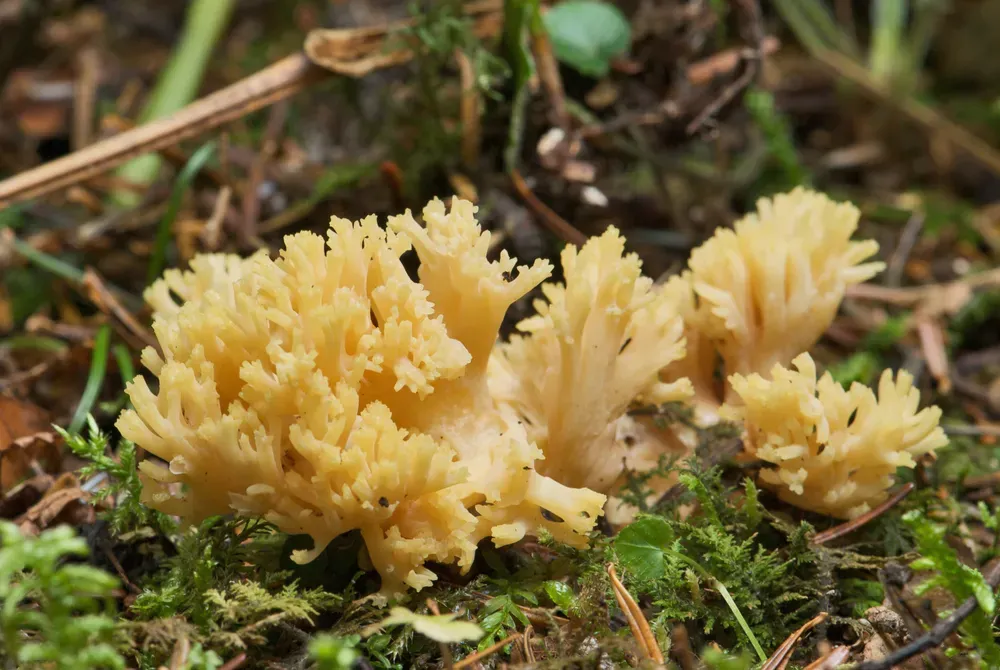
There is no true cap. The fruiting body is coral-like and bushy, 4 to 10 centimeters tall, made up of numerous upright branching twigs. Its most distinctive feature is the branch tips, which bear small crown-like cups with several toothed points around the rim, like tiny wreaths. When young it is white, cream or pale ochre; with age it turns yellow, and it browns when handled and as it ages.
Hymenophore
The spore-bearing surface is smooth and covers the whole surface of the branches. Spores form on the outer surface of the branches, with no gills or tubes. The spore print is white. The characteristic crown-like toothed branch tips are the key diagnostic feature that sets this mushroom apart from other coral fungi.
Stem
There is no distinct stem; the fruiting body attaches to the wood by a short shared base from which the branches fan out. The base is whitish, sometimes with felty mycelium. The whole structure is springy and fairly firm, like a brittle little shrub.
Flesh
The flesh is white, springy-fibrous and fairly firm. In young mushrooms the taste is mild with a distinct peppery or slightly acrid note that grows into bitterness with age. When cut, the color barely changes; only old fruiting bodies turn yellow and brown overall. Only young, pale specimens are good for the table.
Smell
The smell is faint and mushroomy, with no sharp notes. Aroma is not a defining feature; the mushroom is recognized above all by its coral-like shape with crown-like toothed branch tips and by its growth on dead hardwood.
›Scientific synonyms (3)
Clavicorona pyxidata (Pers.) Doty (1947), Clavaria pyxidata Pers. (1794), Clavaria coronata Schwein. (1832)
Lookalikes
_Pers_58068_crop.webp)
Related species
Mushrooms of the same genus and habitat — to study side by side and never mix up.
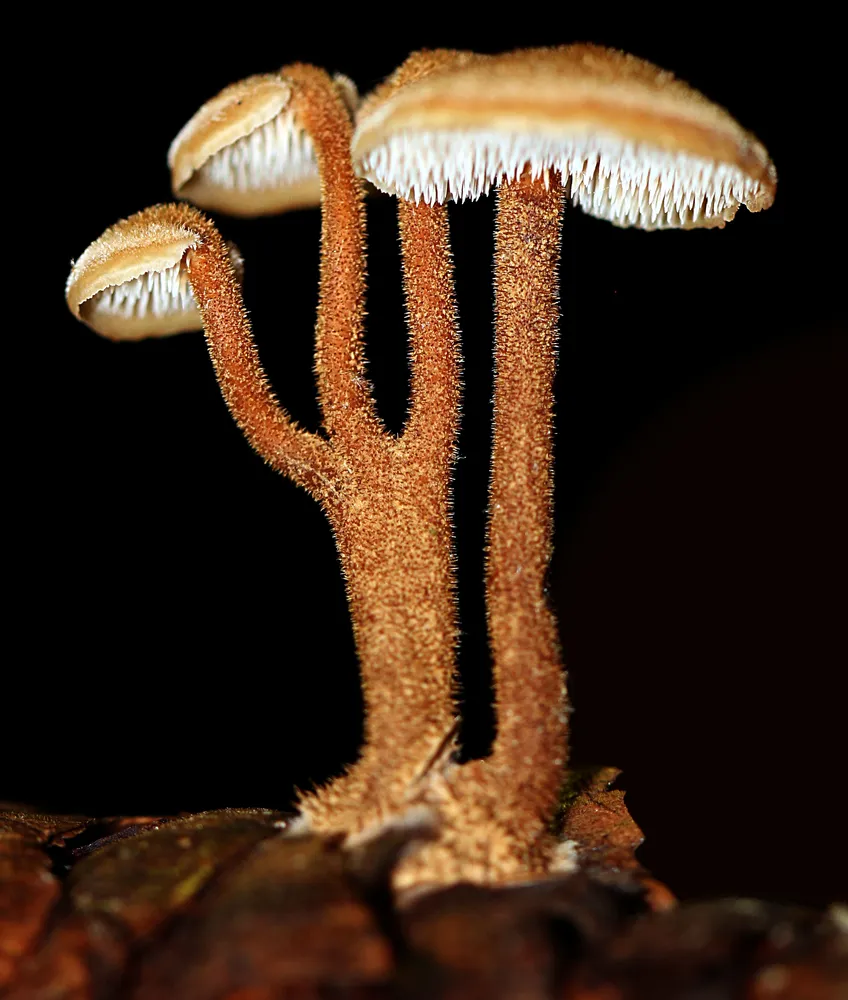
Earpick fungus
Auriscalpium vulgare
Bulbous honey fungus
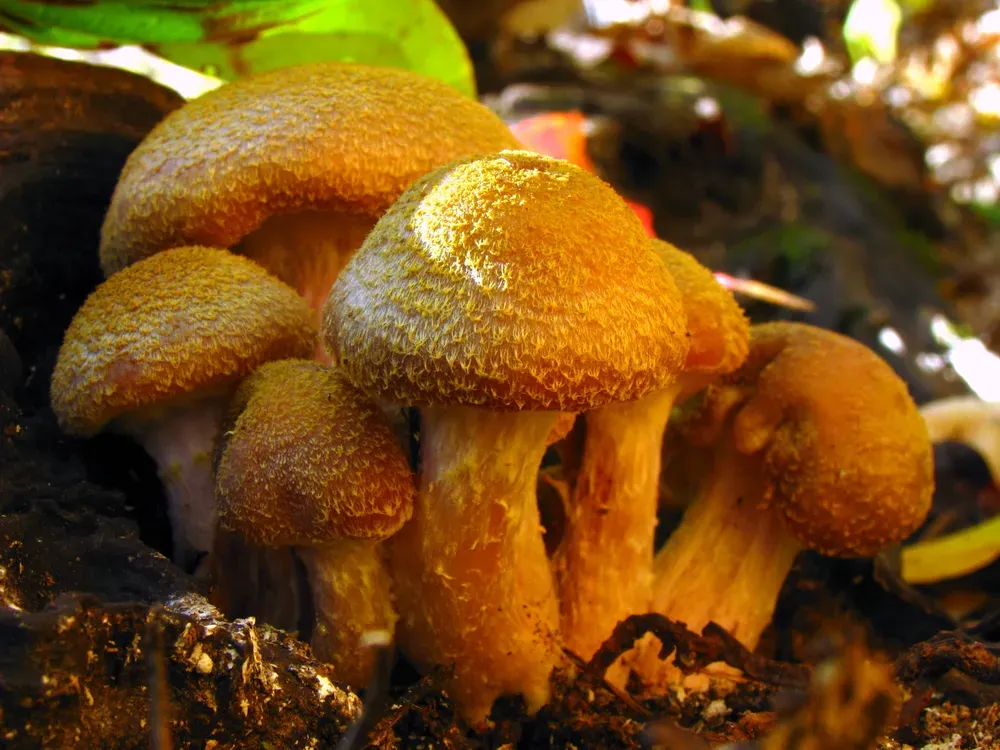
Armillaria gallica
Dark honey fungus
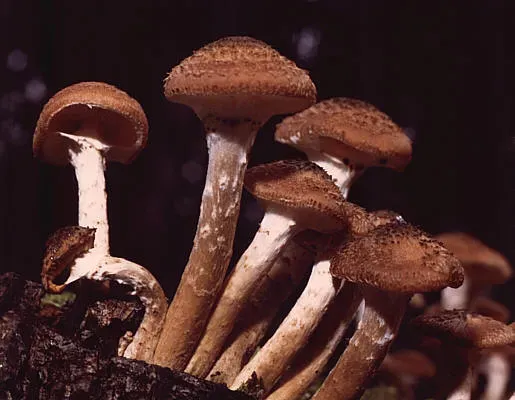
Armillaria ostoyae
Poplar fieldcap
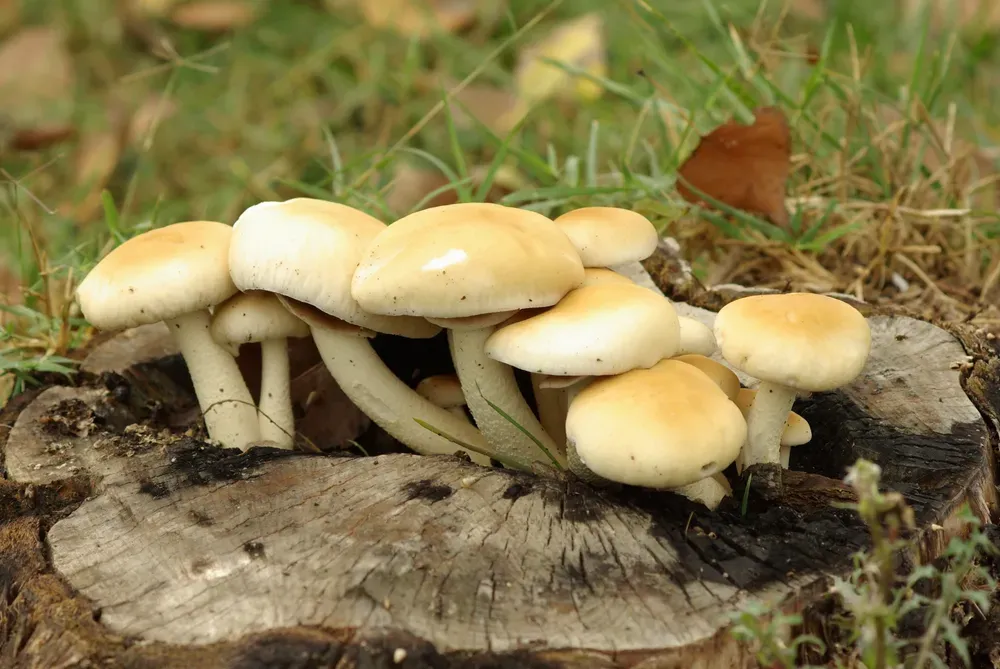
Cyclocybe aegerita
Ringless honey fungus
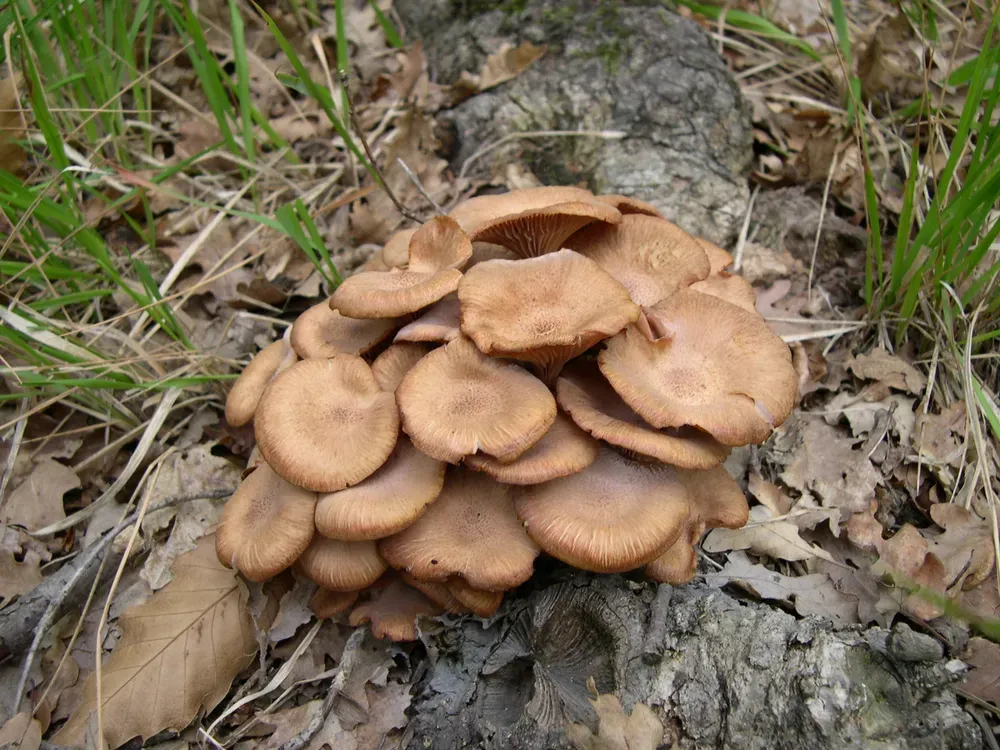
Desarmillaria tabescens
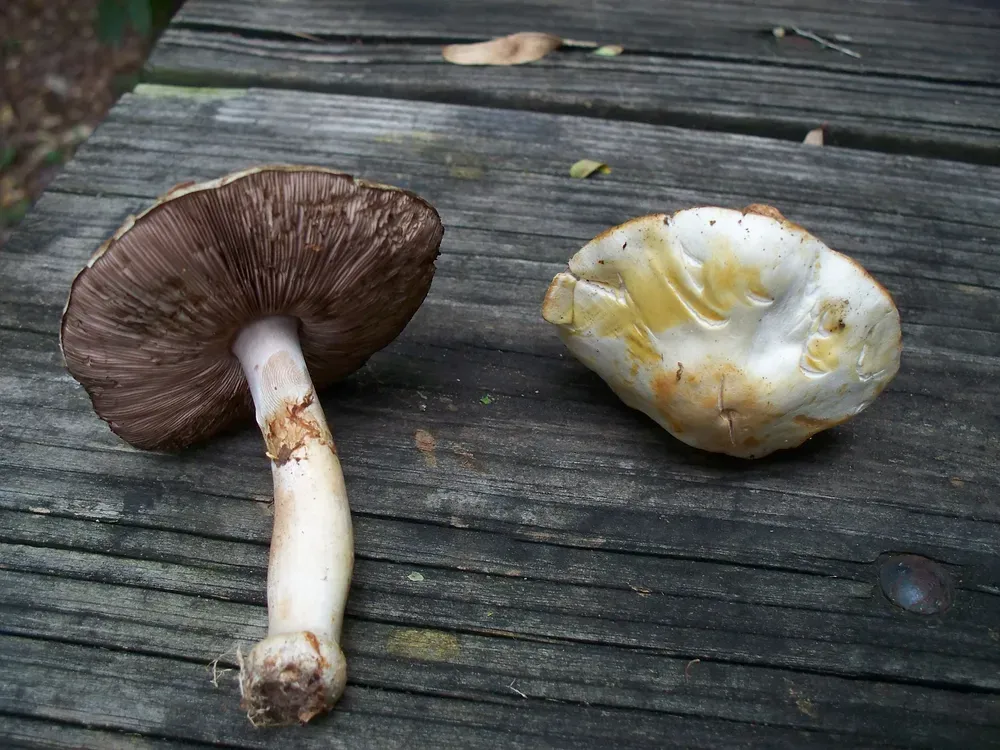
Agaricus abruptibulbus
Agaricus haemorrhoidarius
Agaricus haemorroidarius
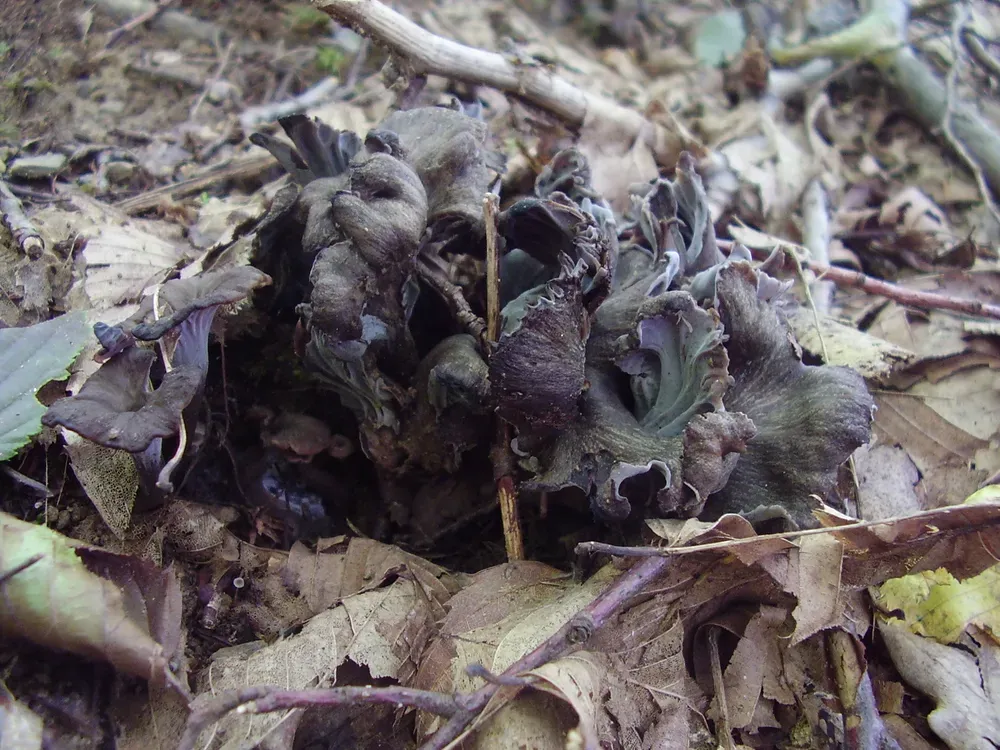
Ashen chanterelle
Cantharellus cinereus
Frequently asked questions
Is Candelabra coral edible or poisonous?
What kind of spore-bearing surface does Candelabra coral have?
What does the cap of Candelabra coral look like?
What does the stem of Candelabra coral look like?
What do Candelabra coral smell and taste like?
Where does Candelabra coral grow?
Which trees does Candelabra coral grow under?
When should you pick Candelabra coral?
What can Candelabra coral be confused with?
How do you cook Candelabra coral?
Can you dry Candelabra coral?
What is the scientific name of Candelabra coral?
Sources
- [1]Вікіпедія (українська)
- [2]Атлас грибів України, Зеров Д.К. (1979)
- [3]MycoBank Database
- [4]Index Fungorum
- [5]GBIF
- [6]iNaturalist Ukraine