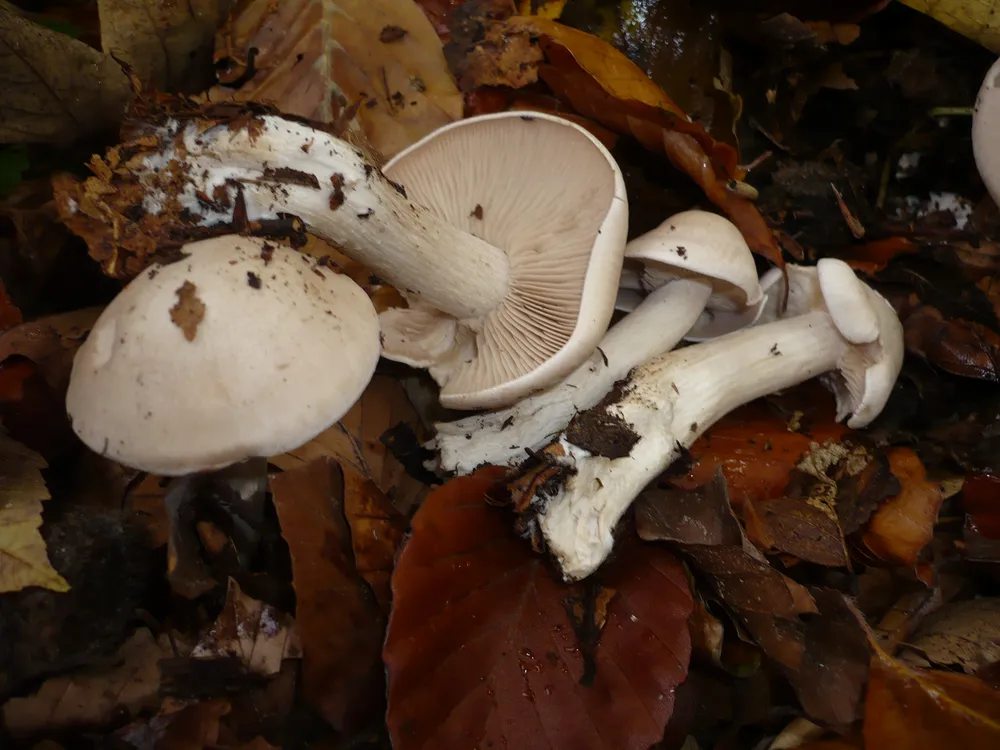
Flowery blewitLepista irina
Expert-verifiedUpdated August 15, 2026
Passport
- Edibility
- Edible
- Season
- Sep — Nov
- Hymenophore
- Gilled
- Cap color
- Cream
- Size
- Medium (5–15 cm)
- Smell
- Pleasant
- Reviewed
- Yes ✓
Quick answers
Where to look?
Deciduous forest, Mixed forest
When does it appear?
Sep — Nov
Active months: September, October, November.
How to recognize it? Three signs
- Cap color: Cream, Pink, White
- Cap shape: Convex
- Smell: Pleasant
Fruiting season
September – November
Description
Flowery blewit (Lepista irina) — a less conspicuous relative of the wood blewit, lacking the striking violet color but with the fruity, perfumed aroma typical of the genus. The cap is creamy-whitish or pale pinkish, with a silky matte sheen, on a sturdy cylindrical stem. Its Ukrainian name, meaning "violet", refers not to the color (the color is precisely not violet) but to the smell — some authors describe the aroma as "fresh violets" or "talcum powder". One of the most pleasant scents of the late-autumn forest.
This is a good edible mushroom with firm, meaty flesh and a delicate fruity, perfumed flavor. Young ones are best for cooking: dense flesh, a subtle pleasant aroma, and they hold their shape well. It is cooked after a short 10-minute boil in salted water (standard for all Lepista). Classic ways to serve it: fried with onions and cream, in soups, salted. Less known than the wood blewit, but every bit its equal in the kitchen.
In Ukraine it occurs in the forest-steppe and forest zones: in broadleaf and mixed forests, at forest edges, in parks and gardens. A saprotroph. It likes rich alkaline soils with a thick layer of leaf litter. Season September-November, peaking in October. It often grows in groups of 10-30 fruiting bodies, sometimes in rings. One of the last "warm" mushrooms of the autumn season — it fruits until the first lasting frosts.
Cap
Cap 5-12 cm across, hemispherical to convex with an inrolled margin when young, later flattening out with a thin wavy margin. Color cream, pale pinkish, with a silky matte sheen, slightly darker in wet weather. No distinct violet tones. Surface smooth, margin often wavy.
Hymenophore
Gilled hymenophore. Gills crowded, thin, notched at the stem, easily detached. Color whitish to pale pinkish when young, pale pink to cream with age. Spore print pale pinkish-cream (typical of the genus Lepista).
Stem
Stem sturdy: 5-10 cm tall, 1-2 cm thick, cylindrical, thickened toward the base. Color white to cream, with no violet tint (which sets it apart from the field blewit and the wood blewit). Surface lengthwise fibrous, with whitish mycelial down at the base. No ring.
Flesh
Flesh thick, white to cream, dense, meaty when young. Does not change color when cut. Has a pleasant fruity, perfumed aroma.
Smell
Strong, fruity and perfumed, described as "fresh violets", "talcum powder" or ripe fruit — typical of the genus Lepista, but more pronounced and complex than in L. nuda. One of the most memorable scents of the late-autumn forest. Taste mild, delicate.
Lookalikes
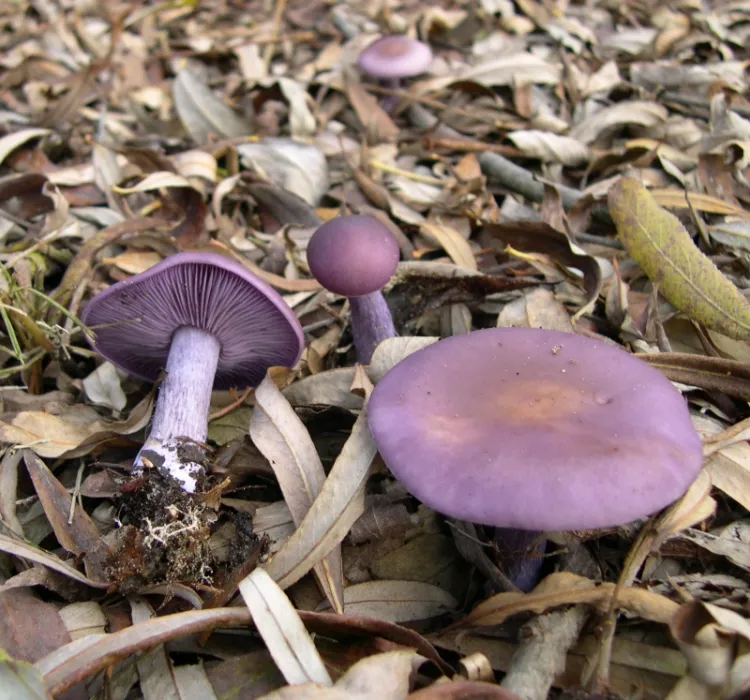
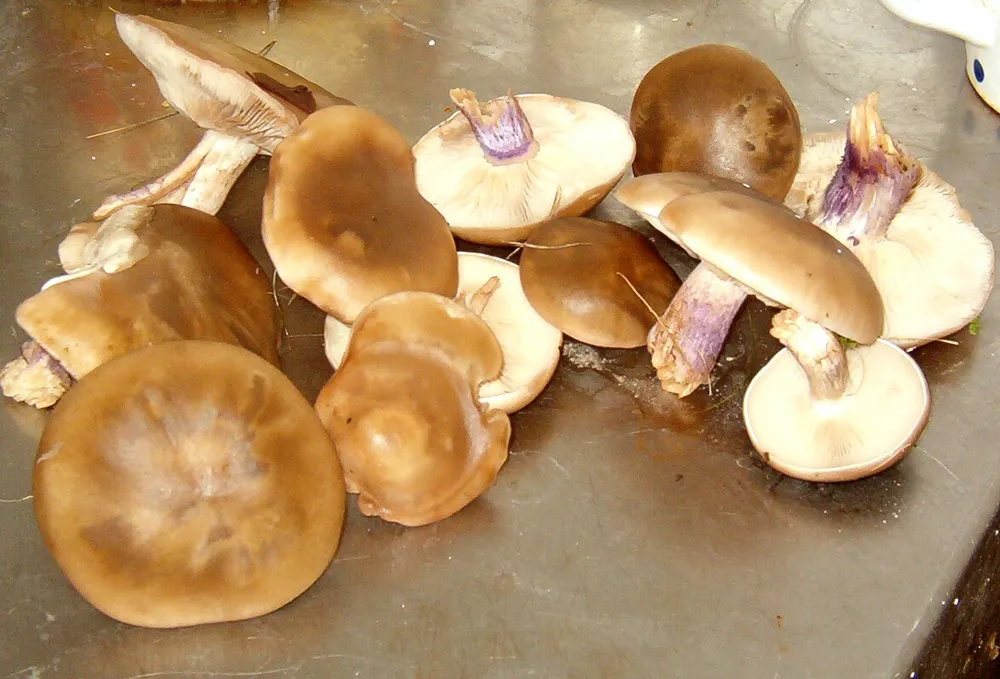
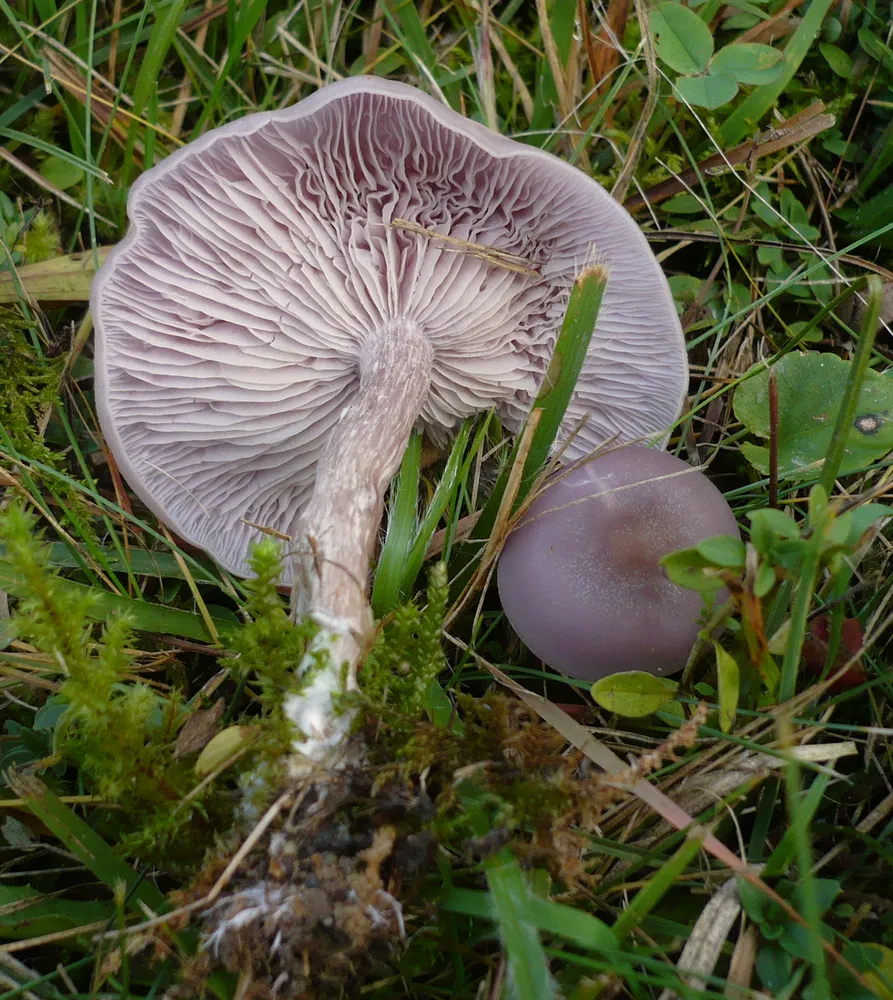
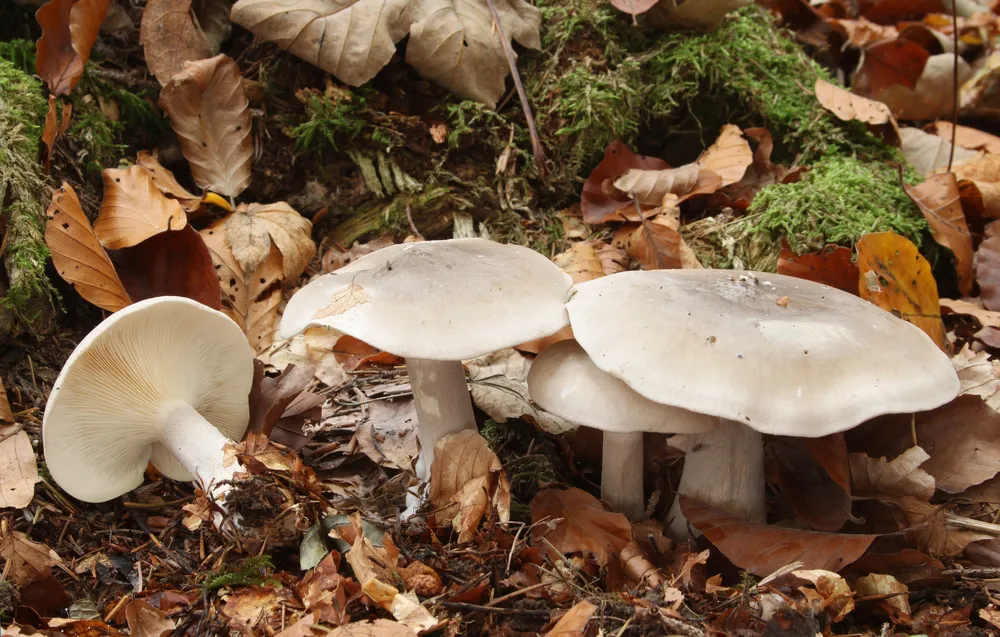
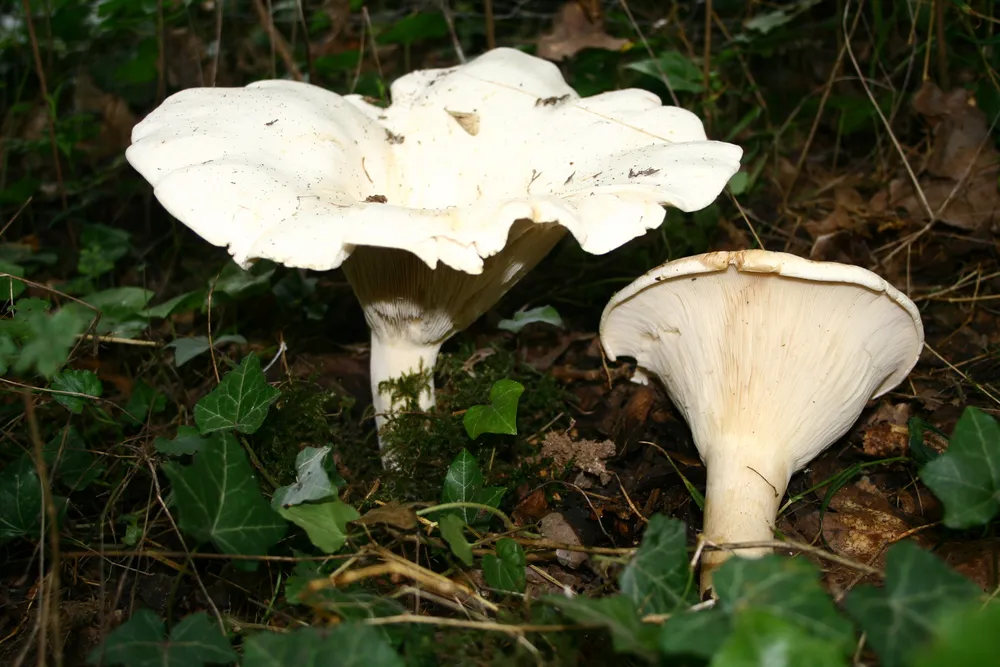
Related species
Mushrooms of the same genus and habitat — to study side by side and never mix up.
_Ricken_185798.webp)
Booted knight
Tricholoma focale
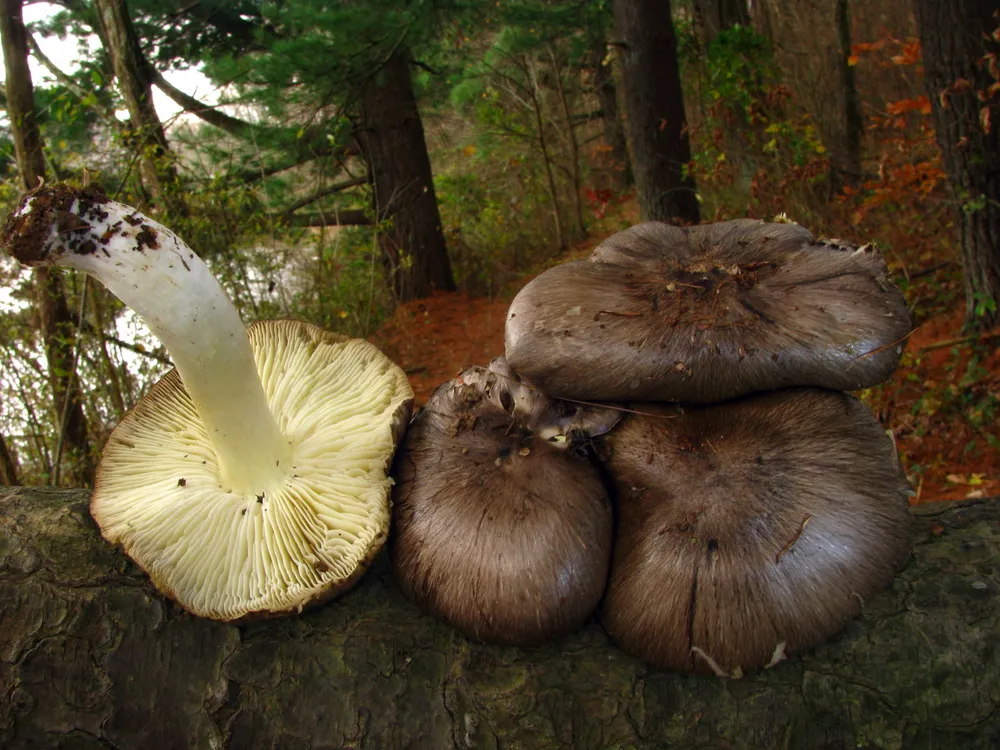
Charbonnier
Tricholoma portentosum
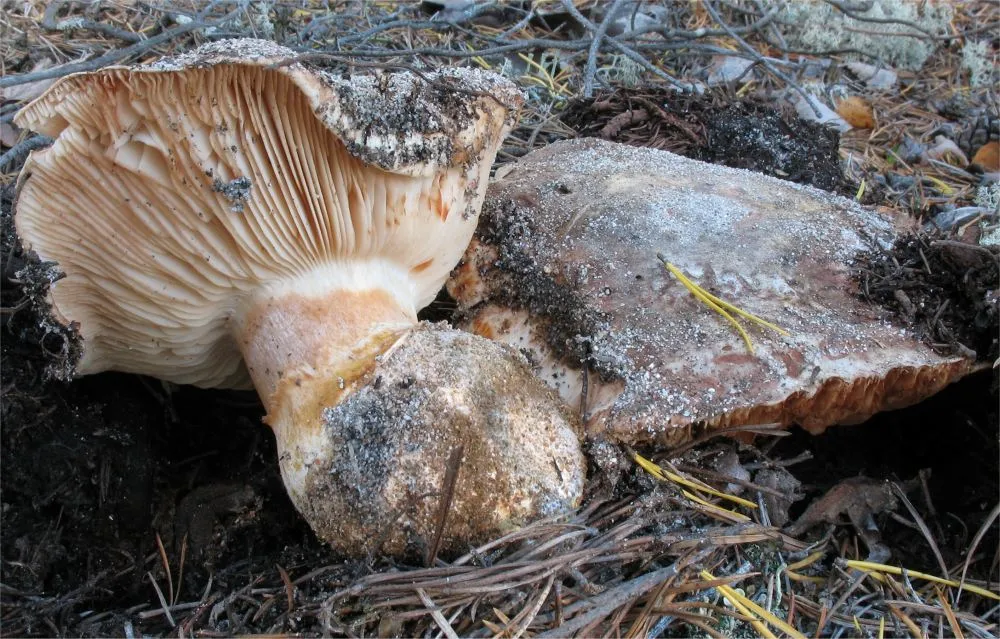
Giant knight
Tricholoma colossus
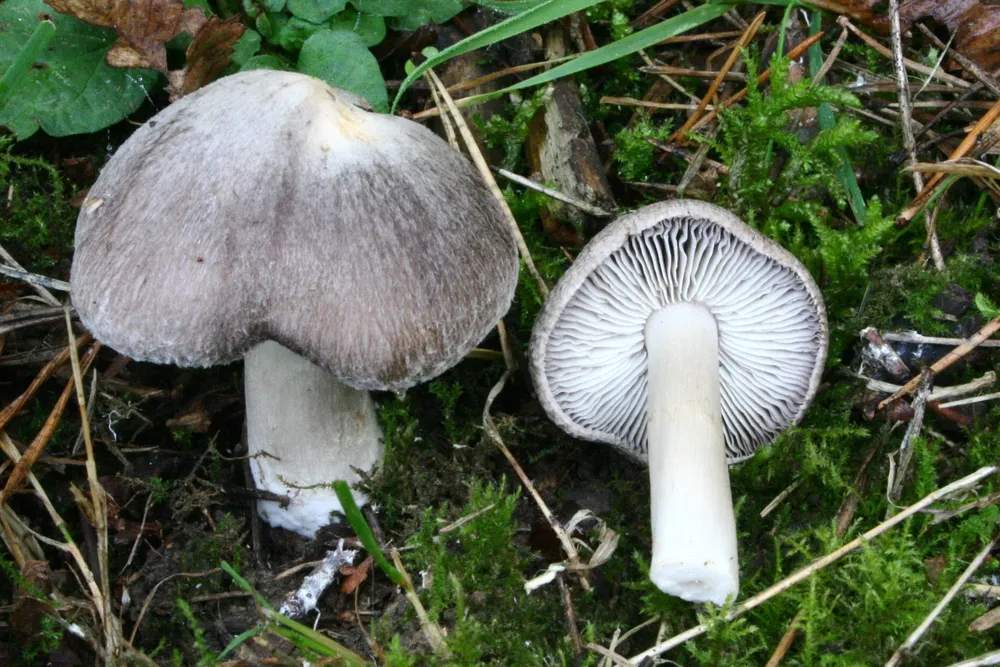
Grey knight
Рядовка наземна
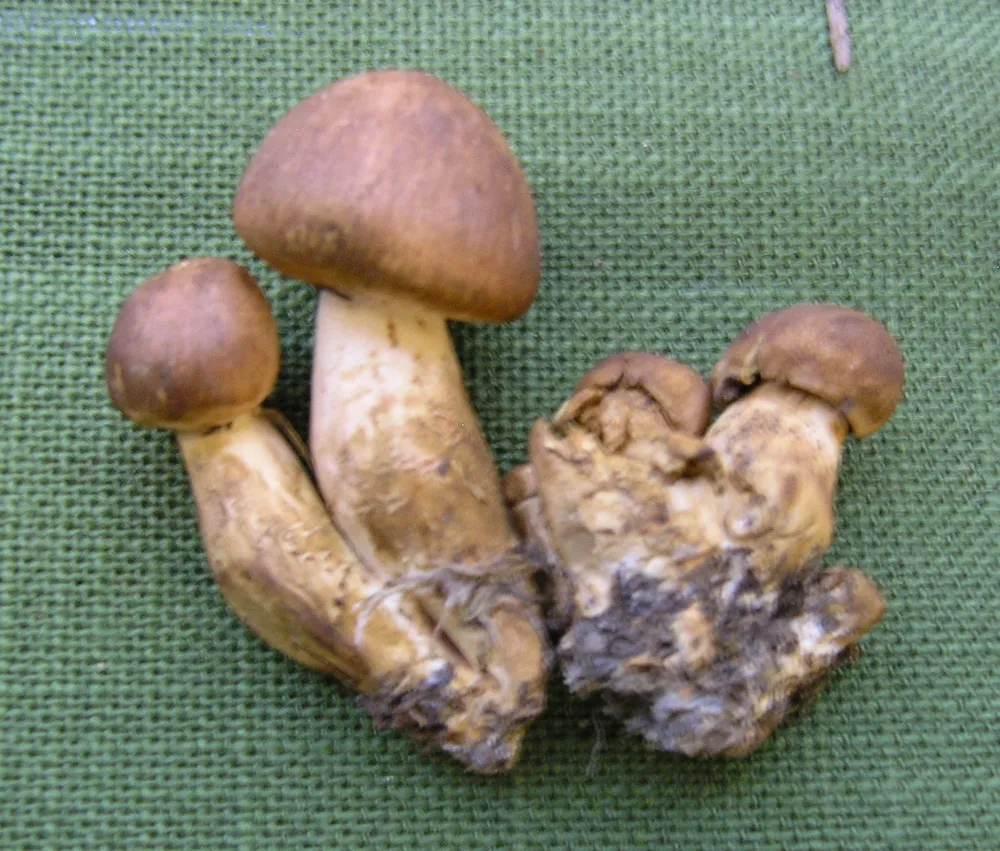
Matt knight
Tricholoma imbricatum
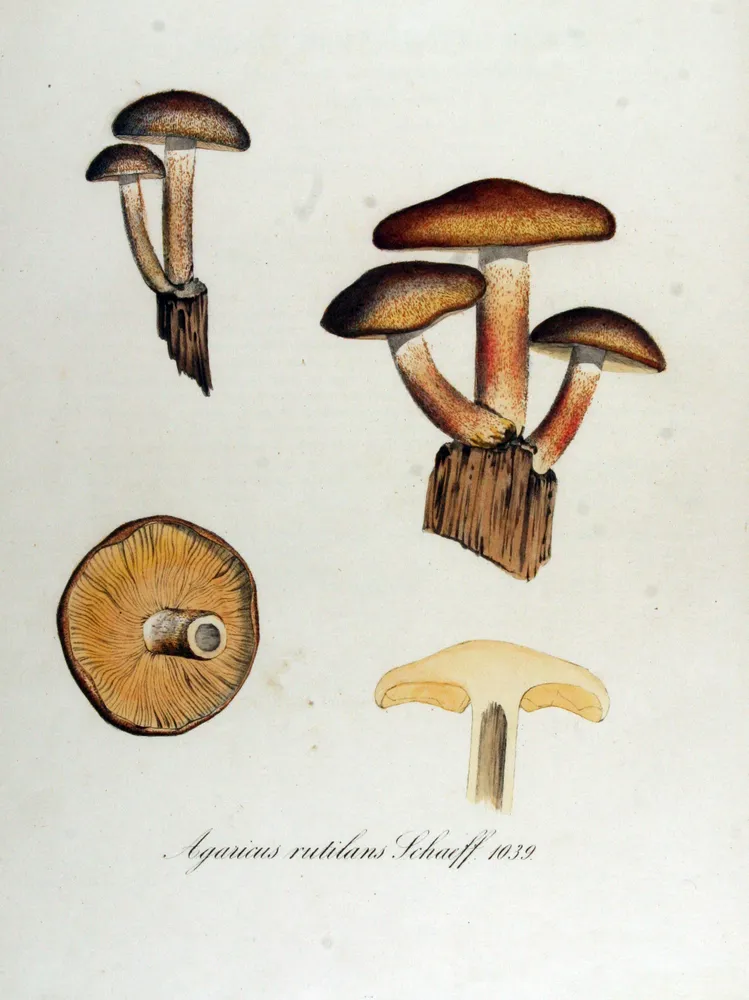
Plums and custard
Рядовка червона
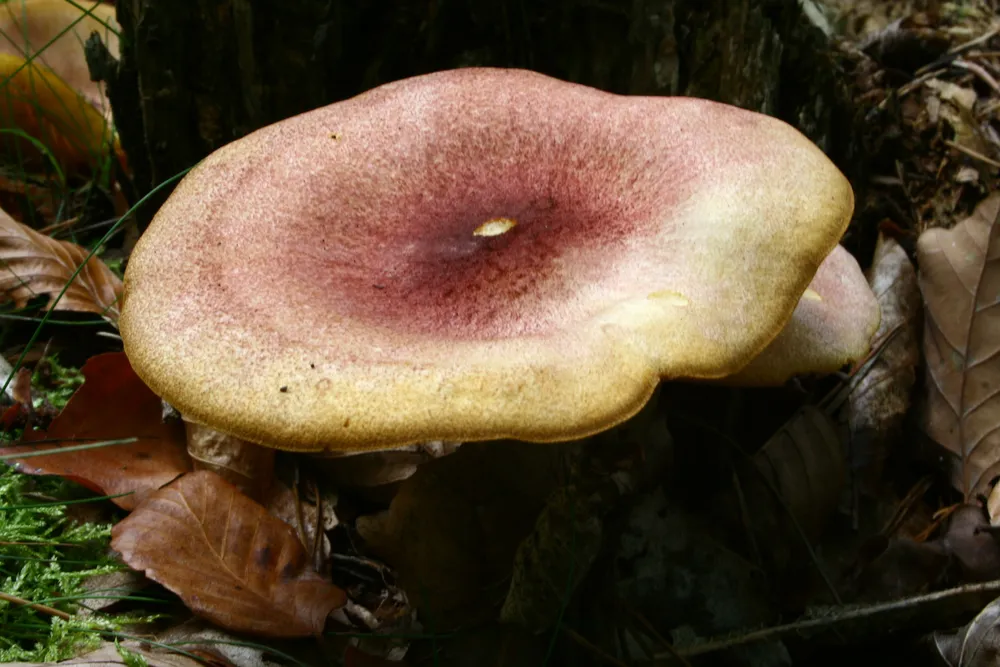
Plums and custard
Tricholomopsis rutilans
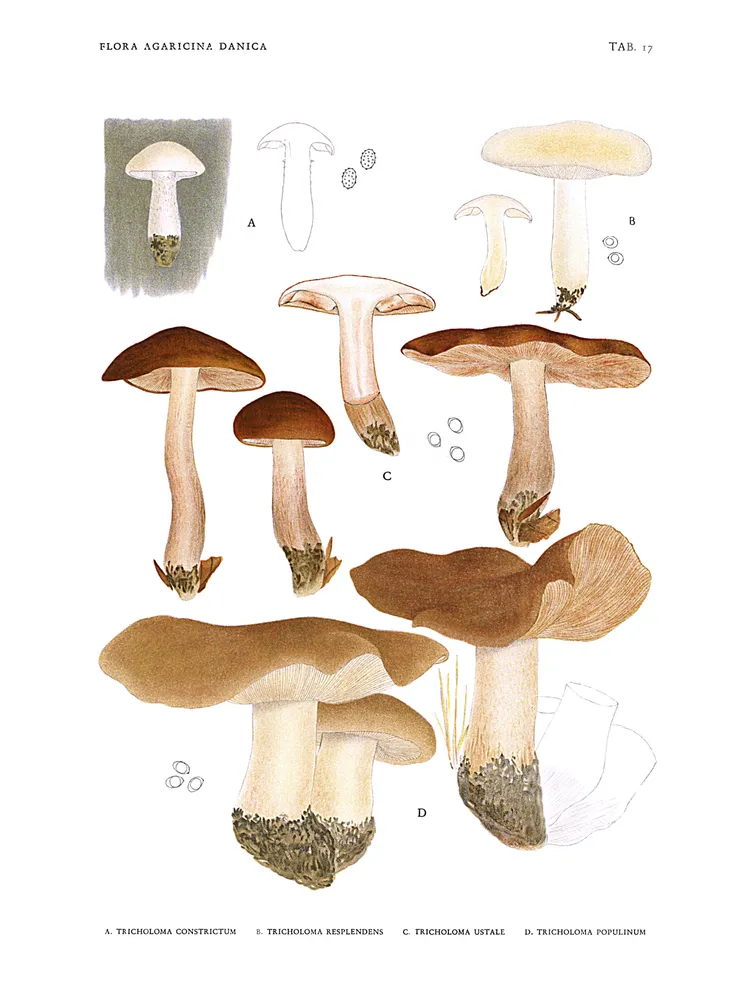
Poplar knight
Рядовка тополева
Frequently asked questions
Is it safe to eat?
Yes, this is a good edible mushroom. There are no seriously poisonous lookalikes with the same combination (cream cap + fruity, perfumed aroma + pinkish-cream spore print). It's recommended to boil it for 10 minutes before cooking — standard for all Lepista.
How should you cook it?
Clean and slice. Boil for 10 minutes in salted water and discard the water. Then fry with onions and cream, stew with potatoes, or add to soups. It pickles and salts well. Drying is less common but possible — dried, it keeps its pleasant aroma.
Can you give it to children?
From age 4-5, in small portions as part of cooked dishes (stew, sauce, soup). A mushroom with a clear reputation. Always cook it with a preliminary boil. Children under 3 should not be given any mushrooms at all.
Where should you look for it?
In broadleaf and mixed forests — mainly under oak, beech, hornbeam and birch. It likes rich alkaline soils with a thick layer of leaf litter, forest edges, and the slopes of wooded ravines. Also in parks and gardens with fertilized soil. It often grows in groups of 10-30 fruiting bodies, sometimes in rings.
Which regions of Ukraine is it found in?
Throughout the forest and forest-steppe zones: the Carpathians, Prykarpattia, Polissia, and all three forest-steppe belts. In the steppe — in ravine (bairak) forests and park woodlands. Uncommon overall, but found regularly.
When should you look for it?
September — November, peaking in October. It likes a damp, cool autumn with moderate temperatures of +10..+15°C. It tolerates the first light frosts. One of the last mushrooms of the season to appear in numbers.
What is it confused with?
With the wood blewit (Lepista nuda) — a close relative, but with a distinct violet tone. With the field blewit (L. personata) — another relative, with a lilac stem. All Lepista are edible and similar in taste. The key feature of L. irina specifically is the absence of any violet tint combined with the typical Lepista aroma. Among the potentially dangerous: young Cortinarius with cream caps — those have a cobwebby veil and a brown spore print.
How can you identify it for sure?
Three features together: (1) cream or pale pinkish cap with no violet tone; (2) a distinct fruity and perfumed aroma; (3) pinkish-cream spore print. If all three match, it's Lepista irina. The aroma is the most distinctive marker, hard to confuse with other forest mushrooms.
Is Flowery blewit edible or poisonous?
Does Flowery blewit have gills or pores?
What does the cap of Flowery blewit look like?
What does the stem of Flowery blewit look like?
Sources
- [1]Вікіпедія (українська)
- [2]Атлас грибів України, Зеров Д.К. (1979)
- [3]MycoBank Database
- [4]Index Fungorum
- [5]GBIF
- [6]iNaturalist Ukraine