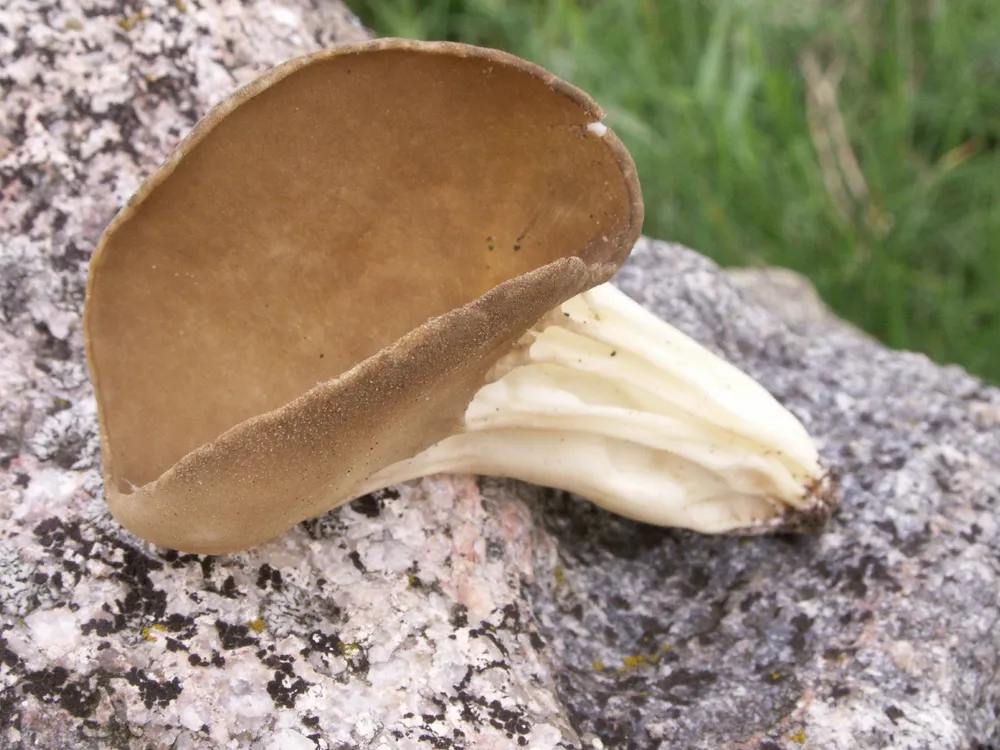
Vinegar cupHelvella acetabulum
Expert-verifiedUpdated October 3, 2026
Passport
- Edibility
- Conditionally edible
- Season
- May — Jul
- Hymenophore
- Smooth
- Cap color
- Yellow
- Size
- Medium (5–15 cm)
- Smell
- Odorless
- Reviewed
- Yes ✓
Quick answers
Where to look?
Conifer forest, Deciduous forest, Mixed forest
When does it appear?
May — Jul
Active months: May, June, July.
How to recognize it? Three signs
- Cap color: Yellow, Brown, Grey
- Cap shape: Depressed
- Smell: Odorless
Fruiting season
May – July
Description
The Vinegar cup is a spring ascomycete with an elegant cup shape. It looks like a shallow round bowl on a short ribbed stem, like a tiny saucer on a stand. Its color ranges from yellowish brown to grayish brown, and the stem bears distinctive raised lengthwise ribs that fan out.
This is a conditionally edible mushroom, but with a serious caveat: its flesh contains gyromitrin-type compounds — toxins shared by spring ascomycetes (morels, false morels, Verpa, Helvella). It must not be eaten without mandatory boiling for 15-20 minutes and pouring off the water — otherwise there's a risk of acute poisoning. Its culinary value is low, so for most foragers this is a mushroom for photos, not for the basket.
In Ukraine it grows on sandy soils in deciduous and coniferous forests, at forest edges and among moss. It's on the Red List of Kherson Oblast — the species is unevenly distributed. The season is spring to summer: May–July. Its particular charm is the striking cup shape.
Cap
Fruit body up to 8 cm across, cup- or saucer-shaped, 2-4 cm deep. Outer surface yellowish brown, finely warty; inner surface (where the hymenium lies) smooth, yellowish gray-brown, with a silky sheen. Margins thin, often split in mature cups, with an uneven outline.
Hymenophore
Smooth hymenium on the inner surface of the cup. Spores mature in asci within the hymenial layer. Spore print whitish to cream, spores elliptical, smooth. Chemically, a typical ascomycete.
Stem
Stem short, 2-4 cm tall, 1-2 cm thick, with sharply defined lengthwise ribs that run up to the base of the cup and continue onto its outer surface. Color cream or whitish. This is the key diagnostic feature of the species.
Flesh
The flesh is thin, waxy and brittle, whitish. Doesn't change color when cut. Fragile texture, like in all Helvella.
Smell
No pronounced smell, faintly mushroomy. We don't taste it — the mushroom is potentially toxic when raw.
›Scientific synonyms (8)
Peziza acetabulum L. (1753), Octospora acetabulum (L.) Timm (1788), Peziza sulcata Pers. (1801), Macroscyphus acetabuliforme Gray (1821), Acetabula sulcata (Pers.) Fuckel (1870), Acetabula vulgaris Fuckel (1870), Paxina acetabulum (L.) Kuntze (1891), Paxina sulcata (Pers.) Kuntze (1891)
Lookalikes
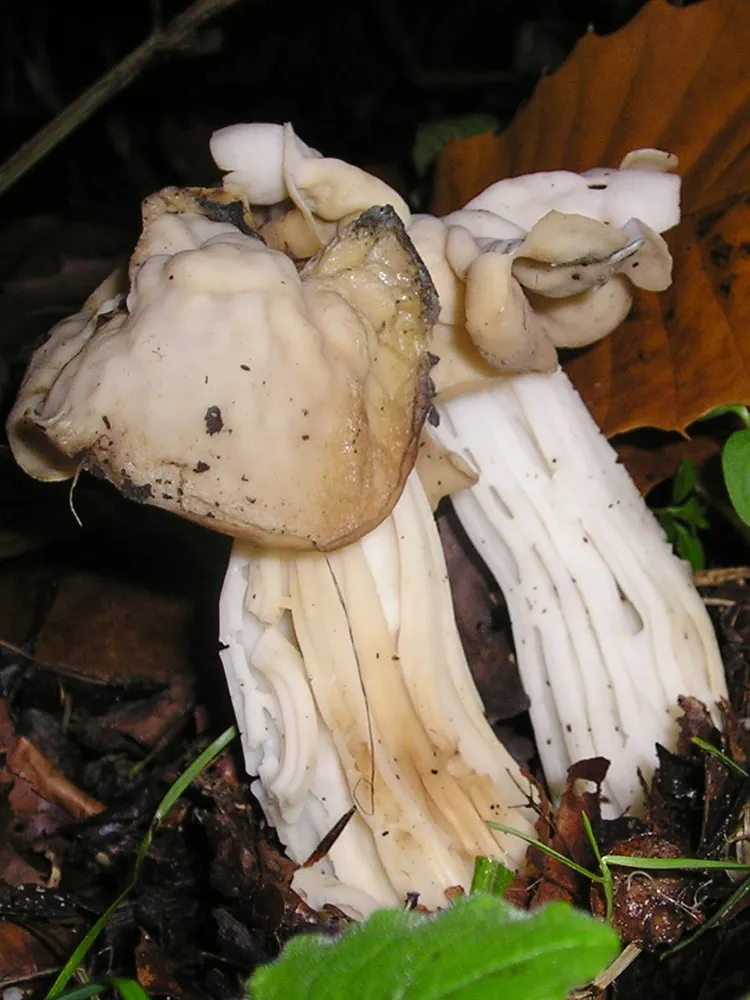
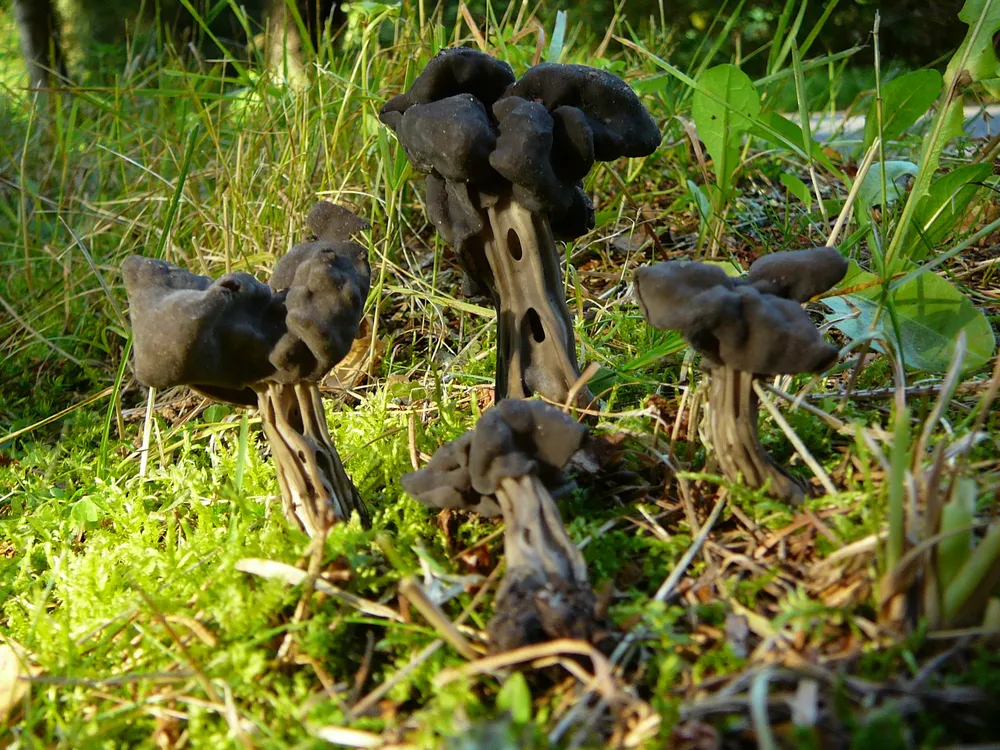
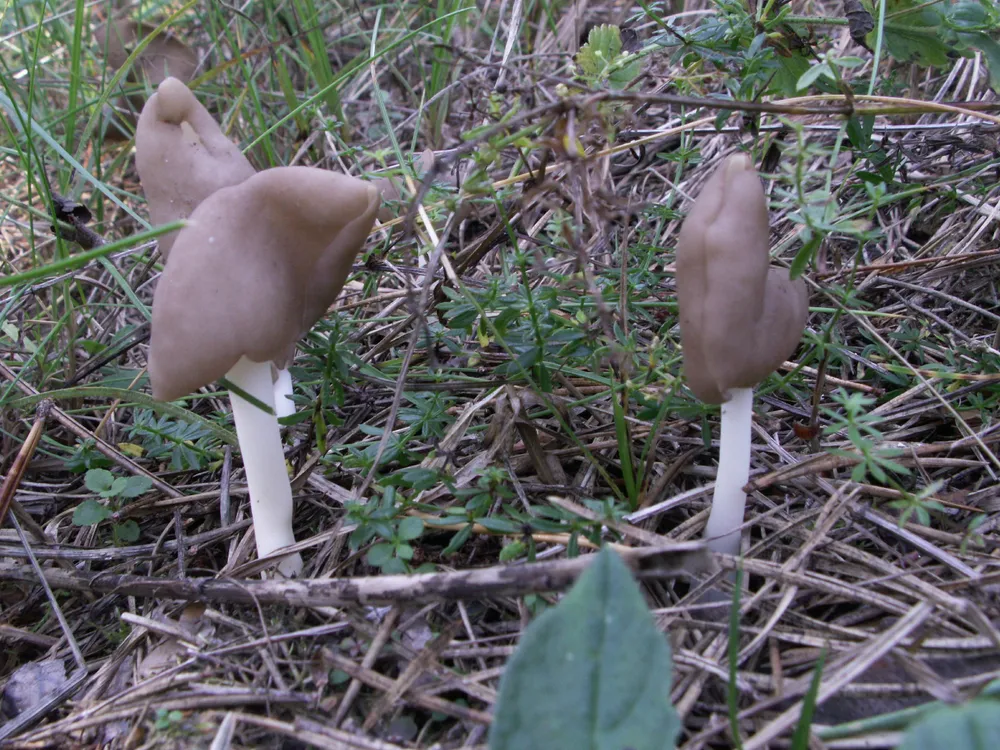
Related species
Mushrooms of the same genus and habitat — to study side by side and never mix up.
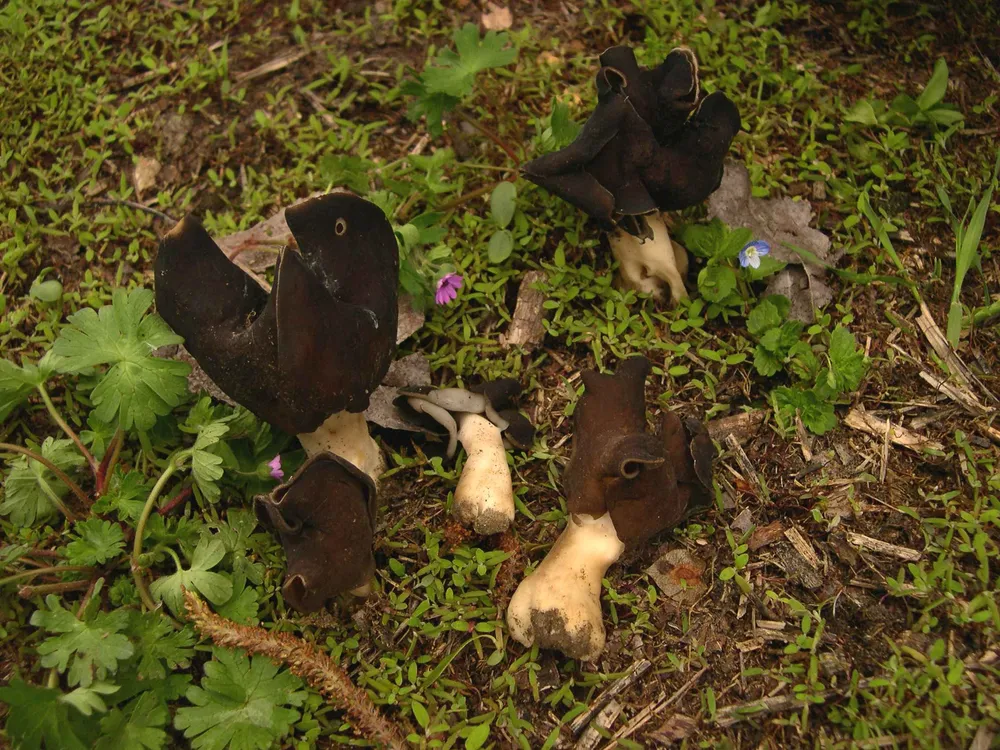
Helvella monachella
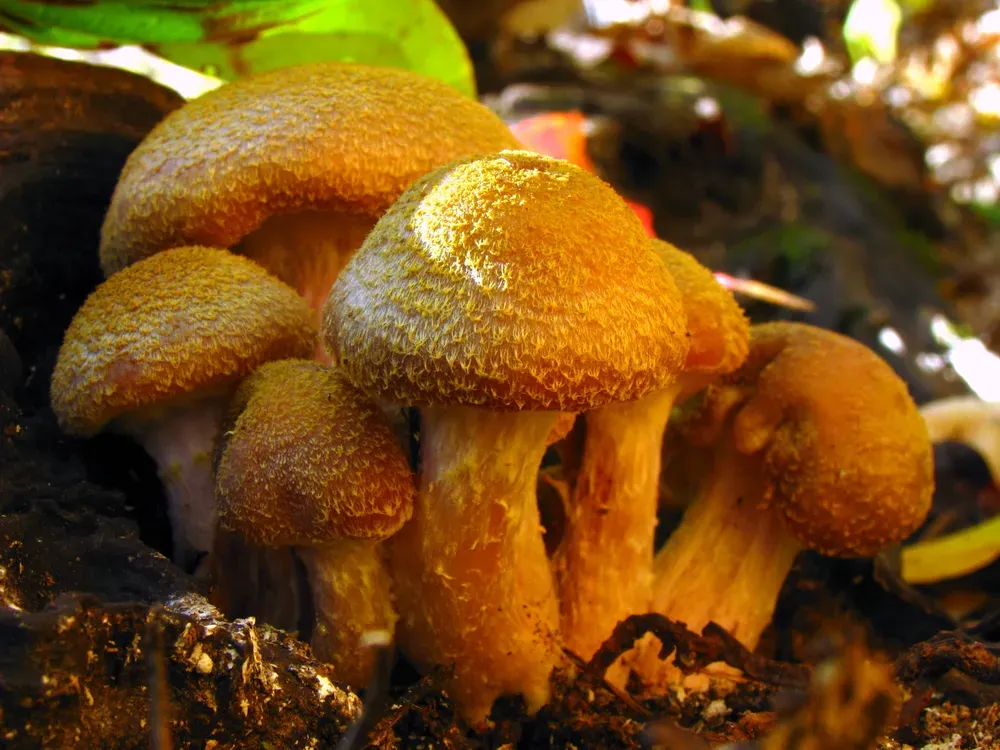
Bulbous honey fungus
Armillaria gallica
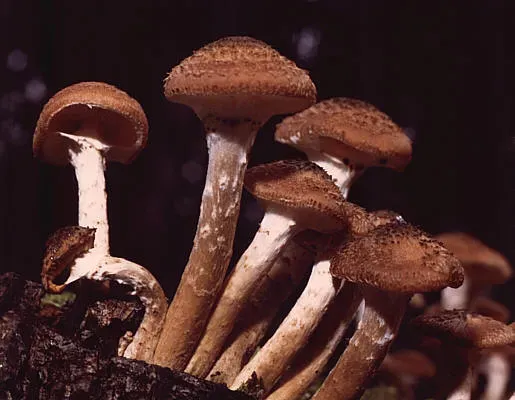
Dark honey fungus
Armillaria ostoyae
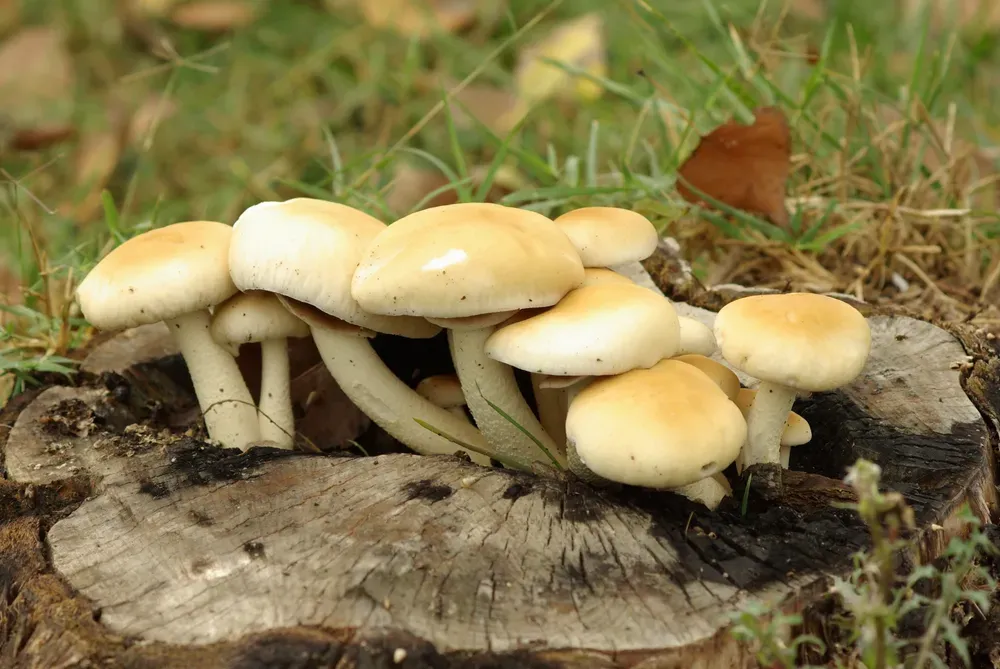
Poplar fieldcap
Cyclocybe aegerita
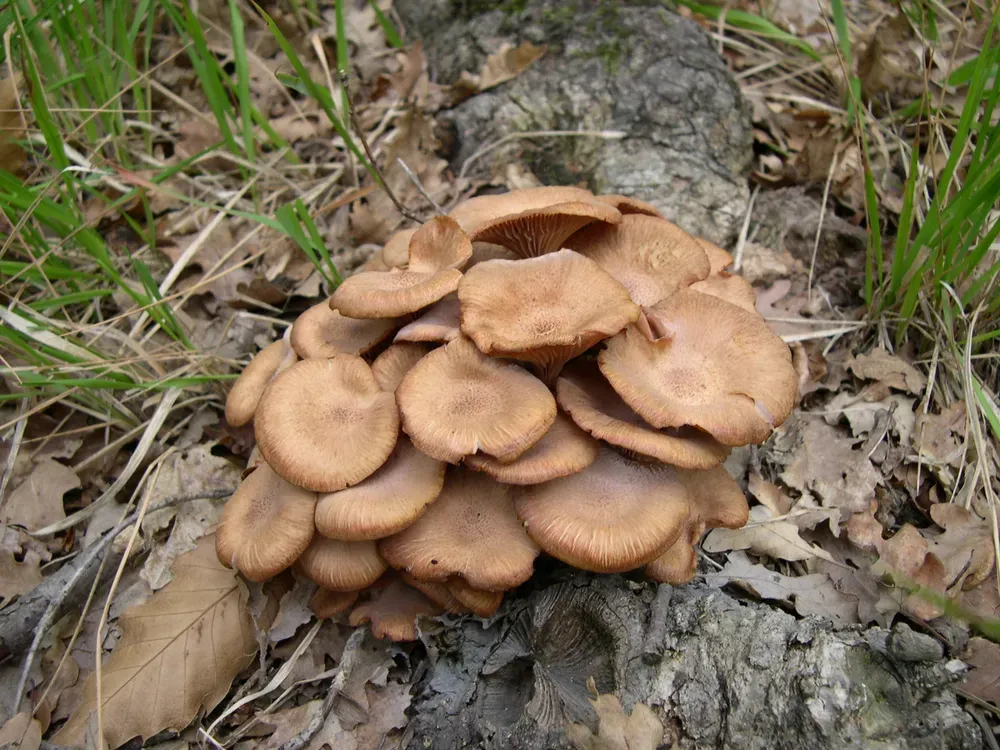
Ringless honey fungus
Desarmillaria tabescens
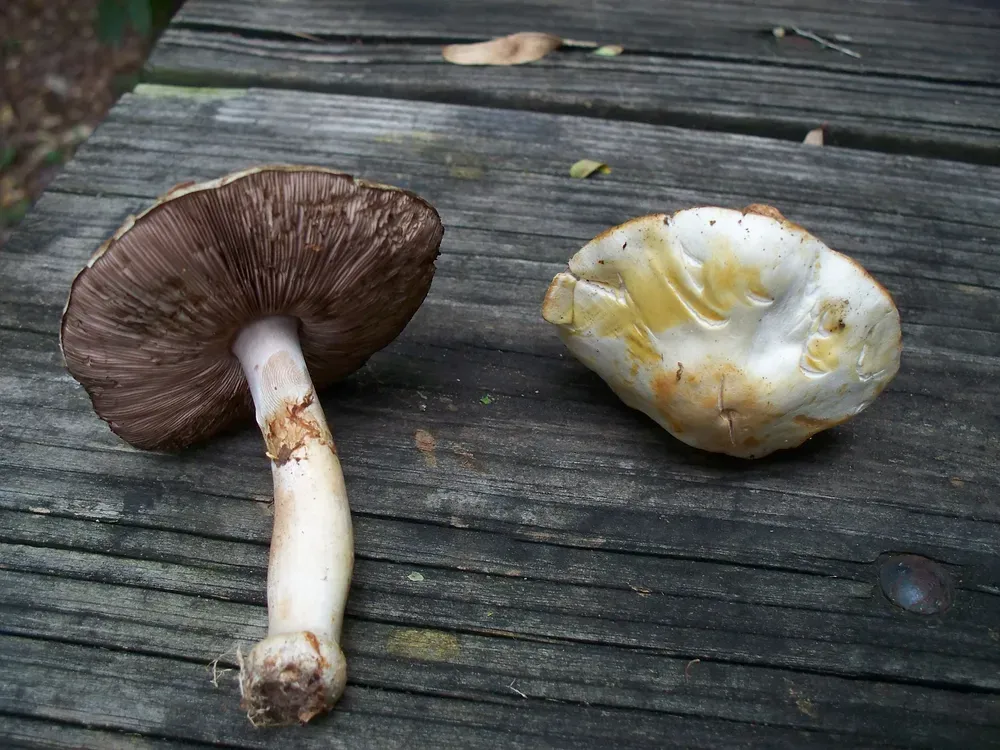
Agaricus abruptibulbus
Agaricus haemorrhoidarius
Agaricus haemorroidarius
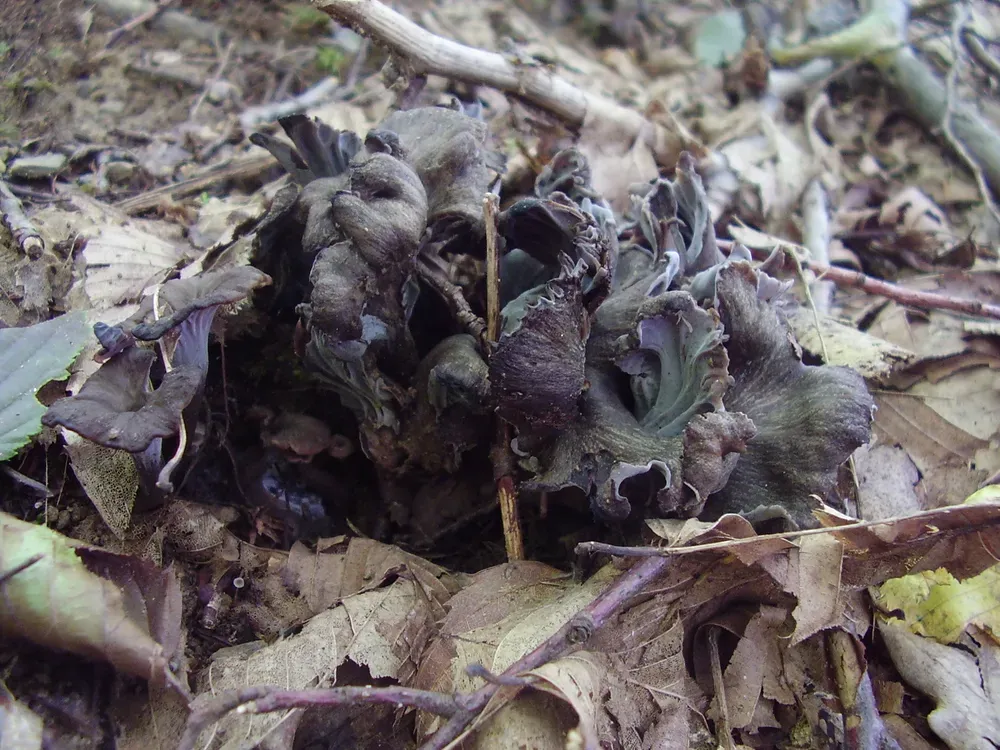
Ashen chanterelle
Cantharellus cinereus
Frequently asked questions
Can you eat it?
Technically yes — after mandatory boiling for 15-20 minutes with the water poured away. BUT we don't recommend it: its culinary value is low, and the risk of poisoning with insufficient treatment is real. The flesh contains gyromitrin-type compounds, as in false morels.
Why does it have to be boiled?
The flesh of all Helvella and false morels contains gyromitrin-like compounds — toxins that destroy red blood cells. They break down with prolonged boiling and pass into the water. Without boiling, the mushroom can cause acute poisoning 6-12 hours after eating.
Where should you look for it?
On sandy soils in deciduous and coniferous forests, at forest edges, among moss and leaf litter. It likes bright spots, small clearings, the edges of forest roads. Singly or in small groups.
Which regions of Ukraine does it grow in?
Sporadically across the forest and forest-steppe zones, on sandy patches. It's on the Red List of Kherson Oblast and protected there. Finds are recorded in the Carpathians, Polissia, Podillia and the Left-Bank Forest-Steppe.
When does it appear?
May–July. It's a spring to early-summer species. In hot years the season can shrink to May–June. Unlike other Helvella (lacunosa, for example), it doesn't fruit in autumn.
How long does a single fruit body last?
One cup lasts 1-2 weeks. Young ones are firm, with a clean-edged rim; old ones sag and their margins tear. The best time to find it is 3-7 days after a good rain.
What is it confused with?
With other Helvella — Helvella queletii (no pronounced ribs on the stem), H. costifera (with sharper ribs), H. griseoalba (grayish). They're hard to tell apart — you need a microscope. The kitchen rule: treat ALL Helvella the same way; ALL are conditionally edible and come with risk.
Can it be confused with a morel?
Only superficially — both are spring ascomycetes. But a morel's cap is honeycombed (with pits and ridges), while the Vinegar cup is clearly cup-shaped and smooth inside. The silhouettes are completely different.
Is Vinegar cup edible or poisonous?
What kind of spore-bearing surface does Vinegar cup have?
What does the cap of Vinegar cup look like?
What does the stem of Vinegar cup look like?
Sources
- [1]Вікіпедія (українська)
- [2]Атлас грибів України, Зеров Д.К. (1979)
- [3]MycoBank Database
- [4]Index Fungorum
- [5]GBIF
- [6]iNaturalist Ukraine