The pot has come to the boil, the kitchen smells of mushrooms, and your hand stops over the colander: pour this water away, or keep it. Recipe sites answer with one sentence for every case, and that is exactly where they get it wrong.
The short answer: it depends on the species and on why you are boiling it. For porcini, birch boletes and chanterelles one boil is enough, and you do not have to pour the broth away. But honey mushrooms, blewits, milkcaps and the rest of the conditionally edible mushrooms are boiled in two waters, and the first water is poured off after 5–10 minutes.
Now in more detail, because the difference between these two cases is not about tradition but about what the mushroom actually gives up to the water.
When the first water must go
There are a few situations where the first water goes straight down the sink, and “but it feels like a waste” does not apply.
- Conditionally edible mushrooms. These are the ones you never eat fresh: honey mushrooms, blewits, milkcaps. For them the first boil is not a formality but part of cooking.
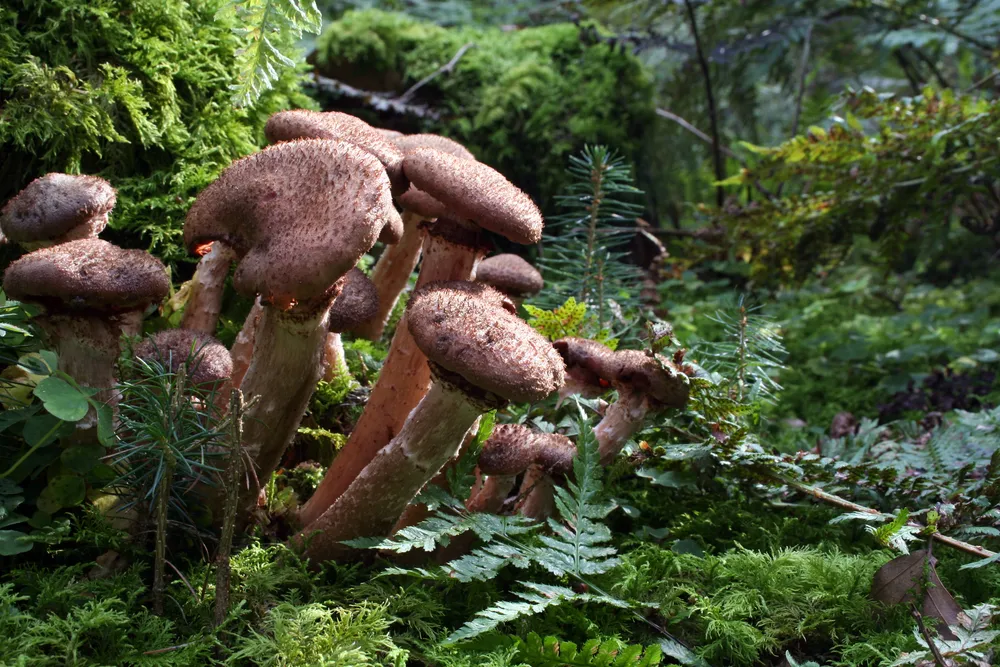
- Honey mushrooms. At least 30 minutes: pour off the first water after 5–10 minutes and finish cooking in fresh water.
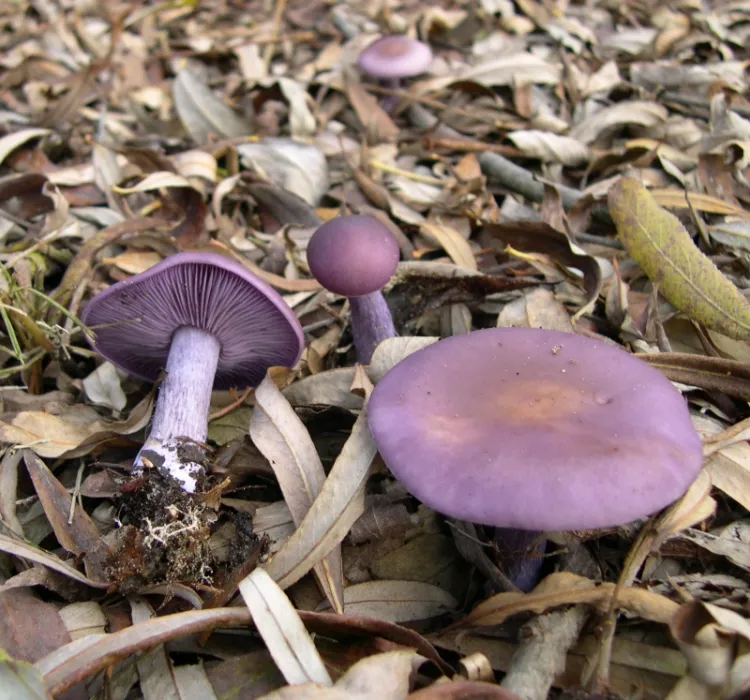
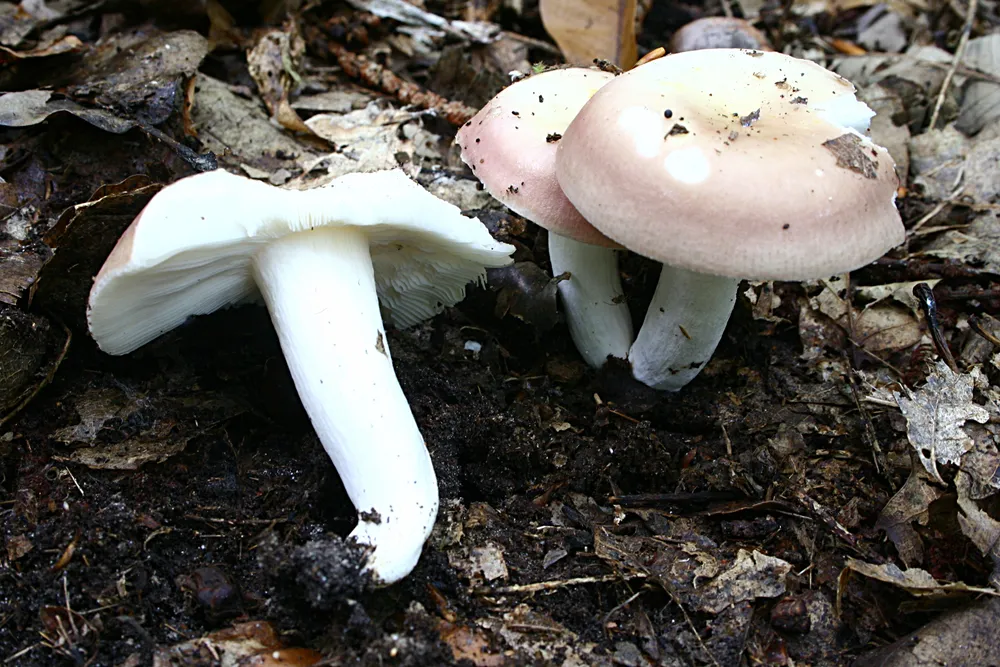
- Blewits. One 15-minute boil, and pour the broth away completely. Two waters are not needed here. And one more thing: if these are your first honey mushrooms of the season, keep the first portion small. Even well-cooked honey mushrooms do not sit equally well in every stomach.
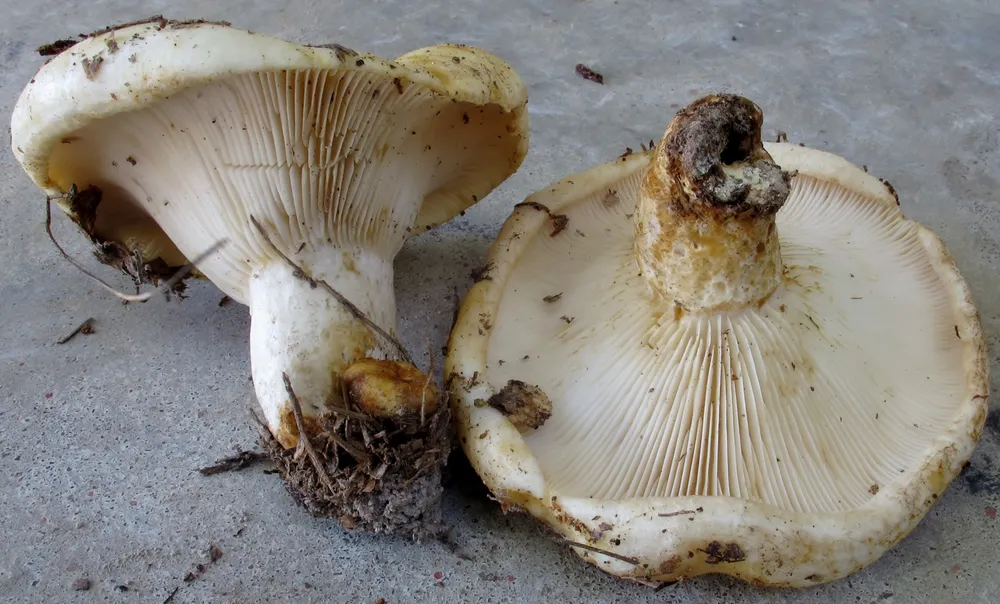
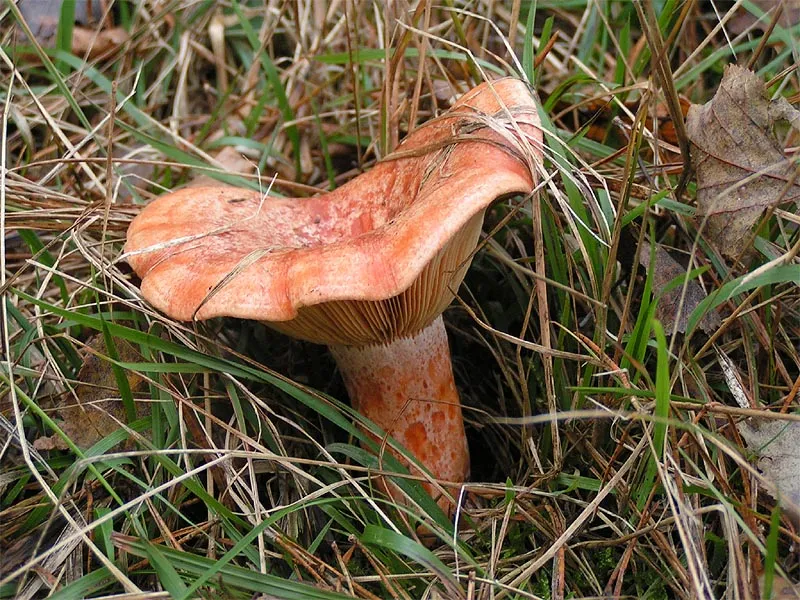
- Milkcaps for hot-brine salting. Peppery milkcaps and woolly milkcaps are boiled and the broth is thrown away, because some of the acrid milk and forest debris leaves with the water. We wrote about the mushrooms themselves in more detail in saffron milkcap and peppery milkcap, the mushrooms for salting.
- Mushrooms from places where radioactive contamination is possible. Here the broth always goes, and below we explain why.
- When the broth is dark and smells of forest litter. Classic with blewits: the water takes that same earthy smell with it, so it is not used for soup. The full story is in how to clean and cook blewits.
- Before freezing and pickling. Thin-fleshed mushrooms are boiled, the water is poured off, the mushrooms are cooled and only then divided into portions. There is a separate article about this: how to freeze mushrooms for winter.
When it is better to keep the water
And now the other side, which recipe sites somehow forget: with a noble mushroom, the broth is the flavour of the dish.
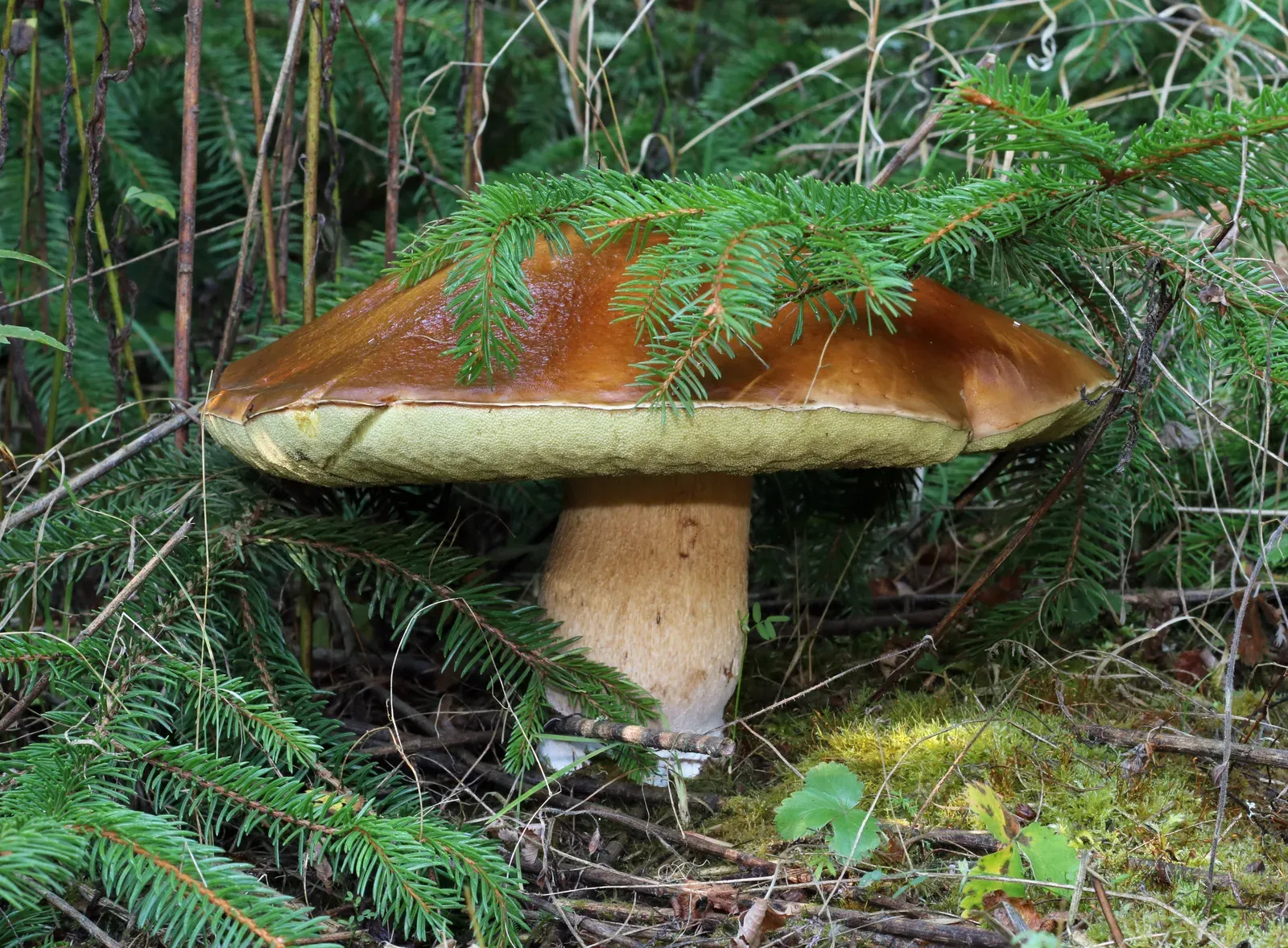
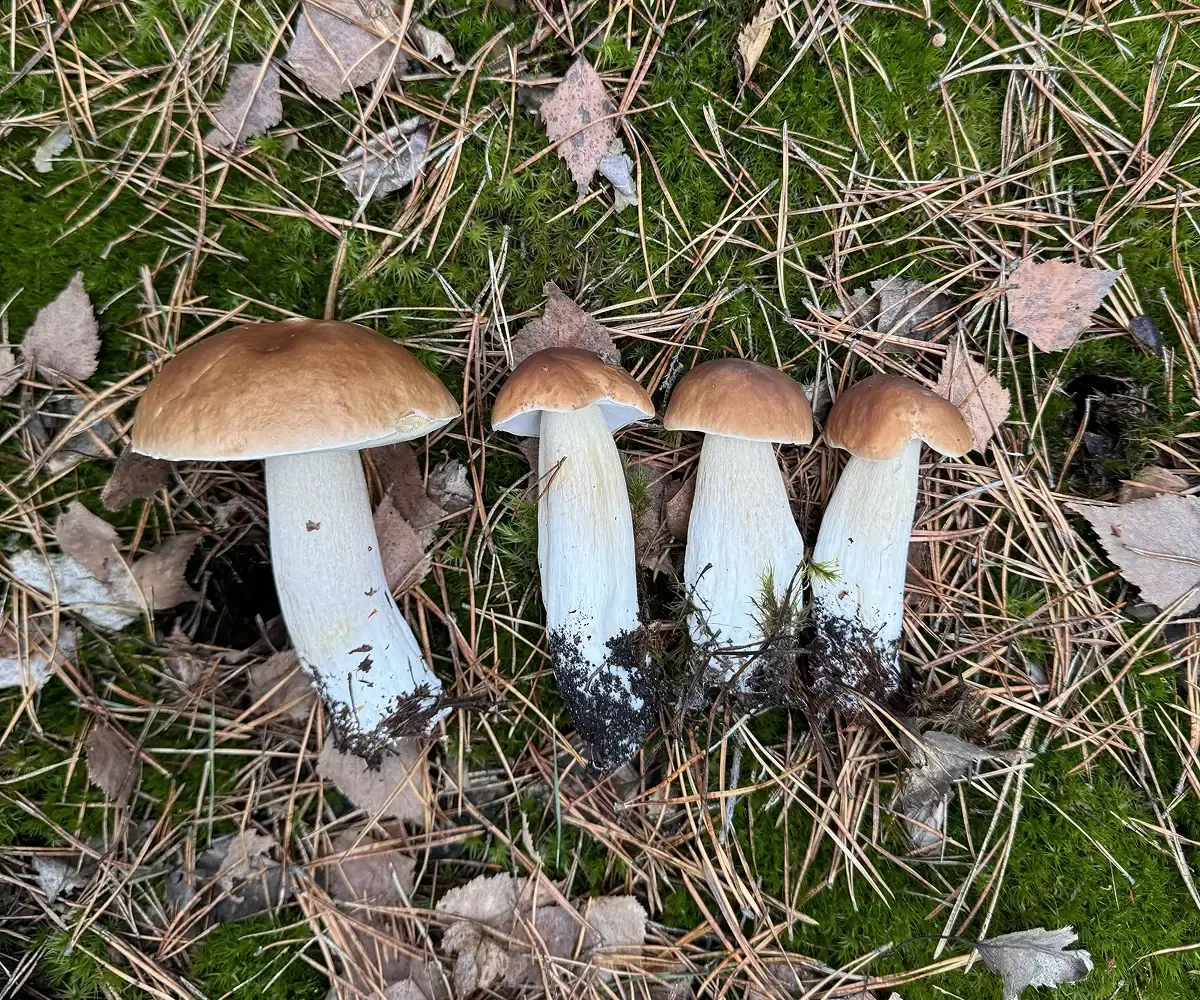
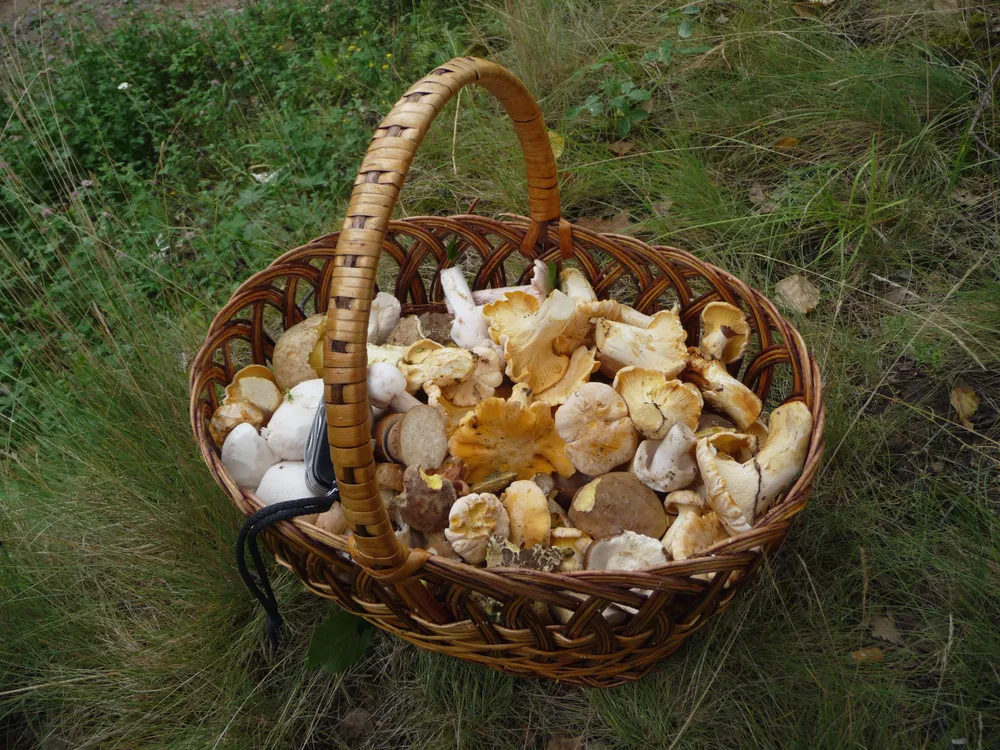
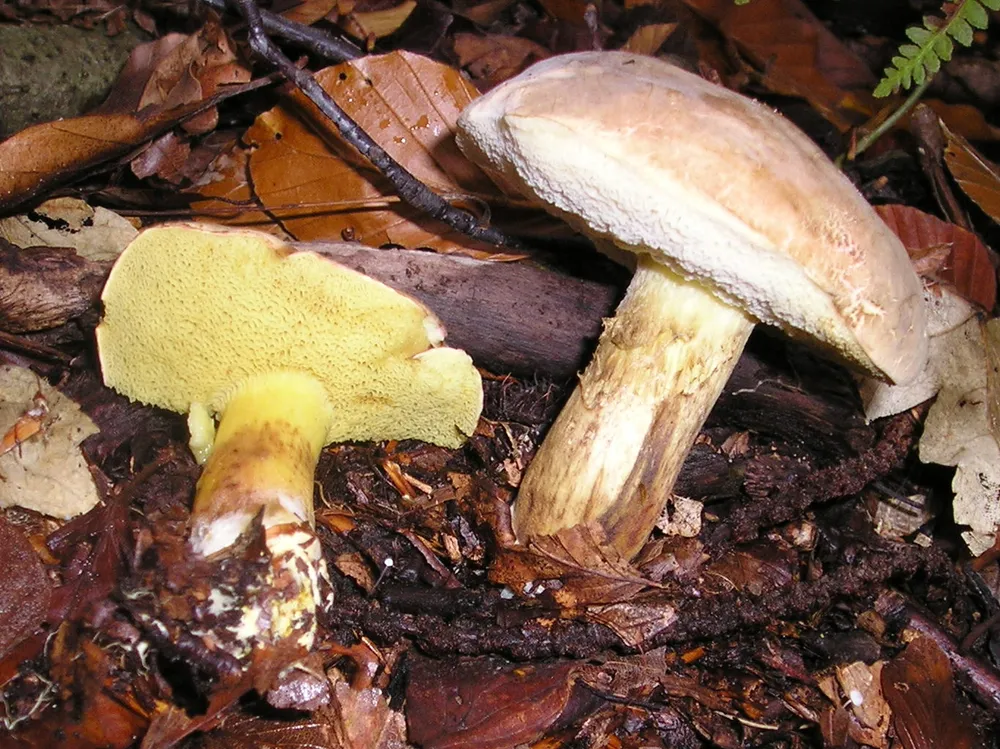
For porcini, birch boletes and chanterelles one boil is enough. If you poured that water away, you poured away the aroma you went to the forest for. Porcini broth is the base of a soup and a sauce, and keeping it here is wiser than pouring it out “just in case”.
The clean water left from soaking dried mushrooms is a shame to throw out too: it holds the densest aroma of anything in the kitchen.
And a saffron milkcap for dry salting is not boiled at all, you only layer it with salt. Its milk is not bitter, so you can do without water entirely.
The main thing is not to confuse “you do not have to” with “you must not”. If the mushrooms came from a roadside, from an unfamiliar forest, or are simply very dirty, the first water will do no harm. You will lose some of the aroma and nothing more.
What the broth really takes away
It helps to understand what exactly you are pouring the water away for. There are three different things in there, and they behave differently.
The taste of the forest. Grit, pine needles, the earthy smell of the litter. This is the easy part: water takes it away readily, and after the first boil the mushroom smells of mushroom rather than of a cellar.
Acrid milky juice. Some of it passes into the water, but it is not worth overstating. The traditional and reliable route for peppery milkcaps is a different one: soaking in cold water for several days with changes of water, which is what the field guides advise, and our own article on why mushrooms taste bitter. Boiling does not always help with milkcaps. The rufous milkcap, for instance, stays acrid even after boiling, and Swedish reference descriptions of this mushroom say so outright. So “I will boil it and the bitterness will go” is an unreliable promise.
Radiocaesium. This is where pouring the water away does the most concrete work. Guidance on reducing caesium-137 in wild mushrooms recommends boiling them for 10 minutes in plenty of water, one part mushrooms to three parts water, then pouring the water off and rinsing the mushrooms in cold water. One important detail: this scheme comes from radiological guidance, not from advice about bitterness. Do not carry it over to questions of taste.
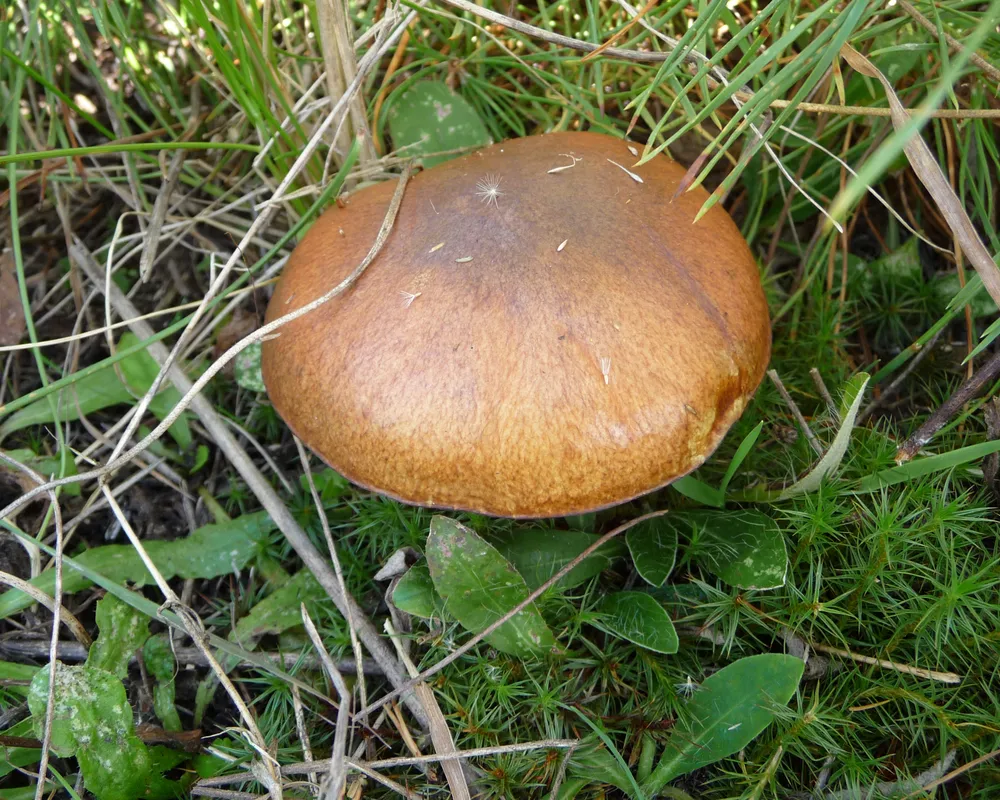
A separate word about the slippery jack. Here two official sources contradict each other outright: the Finnish Food Authority puts it in the group of mushrooms with low caesium uptake, while Ukraine’s State Forest Resources Agency, on the contrary, names the slippery jack among the strongest accumulators. We go with the Ukrainian one, because its measurements were taken in Ukrainian forests. In practice this means: boil slippery jacks in plenty of water and pour the broth away.
And one more mushroom that frightening texts circulate about. The ugly milkcap (чорний груздь, Lactarius necator) is found to contain a compound called necatorin, 3–20 mg per kilogram of mushroom. A short blanching cuts it to roughly a quarter, but it survives boiling itself and breaks down only in an acidic medium, around pH 5. Blogs in Ukraine often call this mushroom a “powerful carcinogen”, and that is an exaggeration: its mutagenicity was shown in a bacterial test, part of that 1991 literature was later corrected because of an artefact of the test itself, and we found no genotoxicity studies in mammals. The calm conclusion is simple: blanch the ugly milkcap, pour the water away, and do not make it an everyday dish.
What the broth does not remove
This is the most important part of the article, and exactly the part that usually goes unwritten.
The poisons of deadly mushrooms. Boiling does not destroy death cap toxins, and no number of poured-off waters will make such a mushroom edible. Only mushrooms you are sure of go into the pot.
The dangerous honey mushroom lookalike. In late autumn the funeral bell (Galerina marginata), a deadly poisonous mushroom, turns up right alongside them. What tells them apart is not the look of the cap, and certainly not frost tolerance, but the substrate: if your “honey mushrooms” are sitting on conifer wood, that is where you stop. No amount of boiling will fix this mistake.
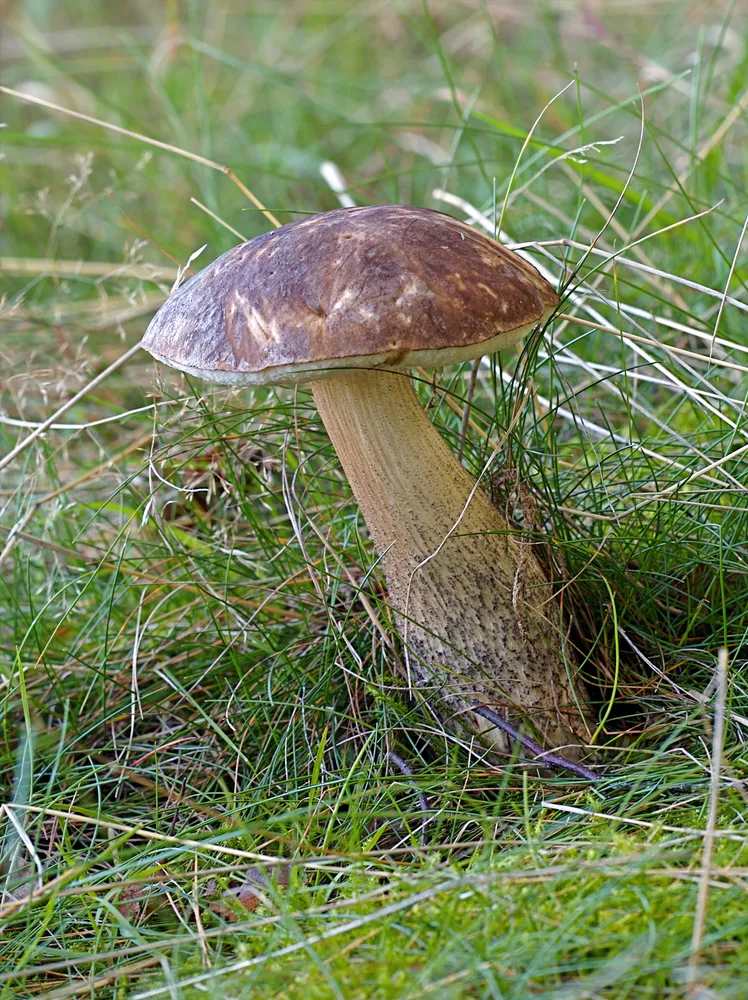
The bitterness of the bitter bolete. The bitter bolete only turns more bitter from boiling, and one such mushroom ruins the whole pot no matter how many waters you poured off.
The risk of botulism in sealed jars. Boiled mushrooms screwed down under a metal lid remain a favourable environment for the botulism bacterium. The strength of the marinade decides everything here, so do not go by numbers from memory, take a tested recipe: we set ours out in how to pickle mushrooms. It is safer to rely on an acidic marinade and cold storage than on an airtight seal.
Frost-bitten and thawed mushrooms. If a porcini or a birch bolete has been caught by frost and the mushroom has then thawed, you do not take it at all. Thawed flesh is a ready-made medium for bacteria and mould. To be honest: we saw this mechanism in the Czech popular press, it is not a measured laboratory result, so we pass it on as a cautious piece of advice rather than as a fact.
Folk “tests”. A silver spoon, an onion in the pot, “animals eat them, after all”, bright colour, pleasant taste, and the most popular one of all, “boiling neutralises any poison”. Not one of these signs works, and every one of them has already sent somebody to hospital.
How long to boil for the broth to mean anything
Pouring the water off is not enough if the mushroom has not heated through properly.
A benchmark for any mushroom dish: at least 15 minutes, and more reliably 15–20 minutes at a steady 70–80 °C right through the flesh. That same temperature, 70 °C, kills the Echinococcus eggs that a mushroom carries in from the forest on its surface.
In practice this means: keep a steady boil, not a barely noticeable bubbling under the lid. Cut large pieces smaller, because what has to heat through is the middle, not the surface.
We have gathered the time for each species separately in the cheat sheet how long to boil mushrooms. And one last figure, no less important: Ukraine’s Public Health Centre advises eating no more than 200–250 g of wild mushrooms per adult per week, and not giving them to children under 12 at all. No amount of boiling cancels that limit.
Sources
- Recommendations of the Public Health Centre of Ukraine’s Ministry of Health on eating wild mushrooms.
- Recommendations of Germany’s Federal Institute for Risk Assessment (BfR) and the German Mycological Society (DGfM) on the heat treatment of wild mushrooms.
- Consumer guidance from the German state of Hesse on heating mushrooms to 70 °C and Echinococcus eggs.
- Recommendations of Ukraine’s State Forest Resources Agency (Держлісагентство) on the mushrooms that accumulate radiocaesium most strongly.
- Guidance from the Finnish Food Authority (Ruokavirasto) on caesium uptake by different mushroom species, where Suillus luteus is placed in the low-uptake group.
- Guidance on reducing caesium-137 in wild mushrooms, the source of the 10-minute boil at a 1:3 ratio for peppery and woolly milkcaps.
- Publications on necatorin in Lactarius necator, in particular the 3–20 mg/kg content, the drop to about 25% after blanching, and the correction of part of this 1991 literature because of a test artefact.
- Swedish reference descriptions of Lactarius rufus, which note that the mushroom stays acrid even after boiling.
- Wood blewit in Ukrainian Wikipedia, the source of the advice to boil it and pour the broth away.
- Reports in the Czech popular press on the danger of frost-bitten and thawed boletes.
Frequently asked questions
Do you need to drain the water after boiling mushrooms?
It depends on the mushroom. For , birch boletes and one boil is enough, and the broth can be kept for soup. But , blewits, milkcaps and the rest of the conditionally edible mushrooms are boiled in two waters, and the first water is poured off after 5–10 minutes.
Do you drain the water after boiling porcini?
Not necessarily. Porcini does not need a second water, and its broth is the flavour of the soup or sauce to come. Pour it away only when the mushrooms are very dirty or were picked somewhere questionable.
How long do you boil honey mushrooms, and when do you pour off the first water?
The first water is poured off after 5–10 minutes, then they finish cooking in fresh water, at least 30 minutes in total. The full timings for each species are gathered in the cheat sheet . If honey mushrooms are new to you this season, keep the first portion small.
Can you use mushroom broth for soup?
From porcini, birch boletes and chanterelles you can, and that is exactly what is done with the tastiest broths. The broth from honey mushrooms, blewits and milkcaps is thrown away: the water carries off both the earthy taste and whatever the mushroom took up from the soil.
Does boiling remove the bitterness from milkcaps?
Do not count on it. Some of the acrid milk does pass into the water, but the reliable route is a different one: soaking in cold water for several days with changes of water. The rufous milkcap, for instance, stays acrid even after boiling. More on the causes of bitterness in .
Does boiling reduce the caesium content of mushrooms?
It reduces it, but does not remove it. Radiological guidance recommends boiling mushrooms for 10 minutes in plenty of water, one part mushrooms to three parts water, then pouring the water off and rinsing them in cold water. For this step is always worth taking: Ukraine’s State Forest Resources Agency ranks them among the strongest accumulators.
Does boiling make poisonous mushrooms safe?
No. The toxins of the death cap and of other deadly poisonous mushrooms are resistant to boiling, and however many waters you pour off, the mushroom will not become edible. Boiling helps only with conditionally edible species, that is, the ones that are fit to eat after processing anyway.
How many mushrooms can you eat in a week?
The advice is no more than 200–250 g of wild mushrooms per adult per week, because mushrooms are hard to digest and take up whatever is in the soil. Ukraine’s Public Health Centre advises not giving wild mushrooms to children under 12 at all.
Mushrooms in this article
Related articles
 Recipes & cooking
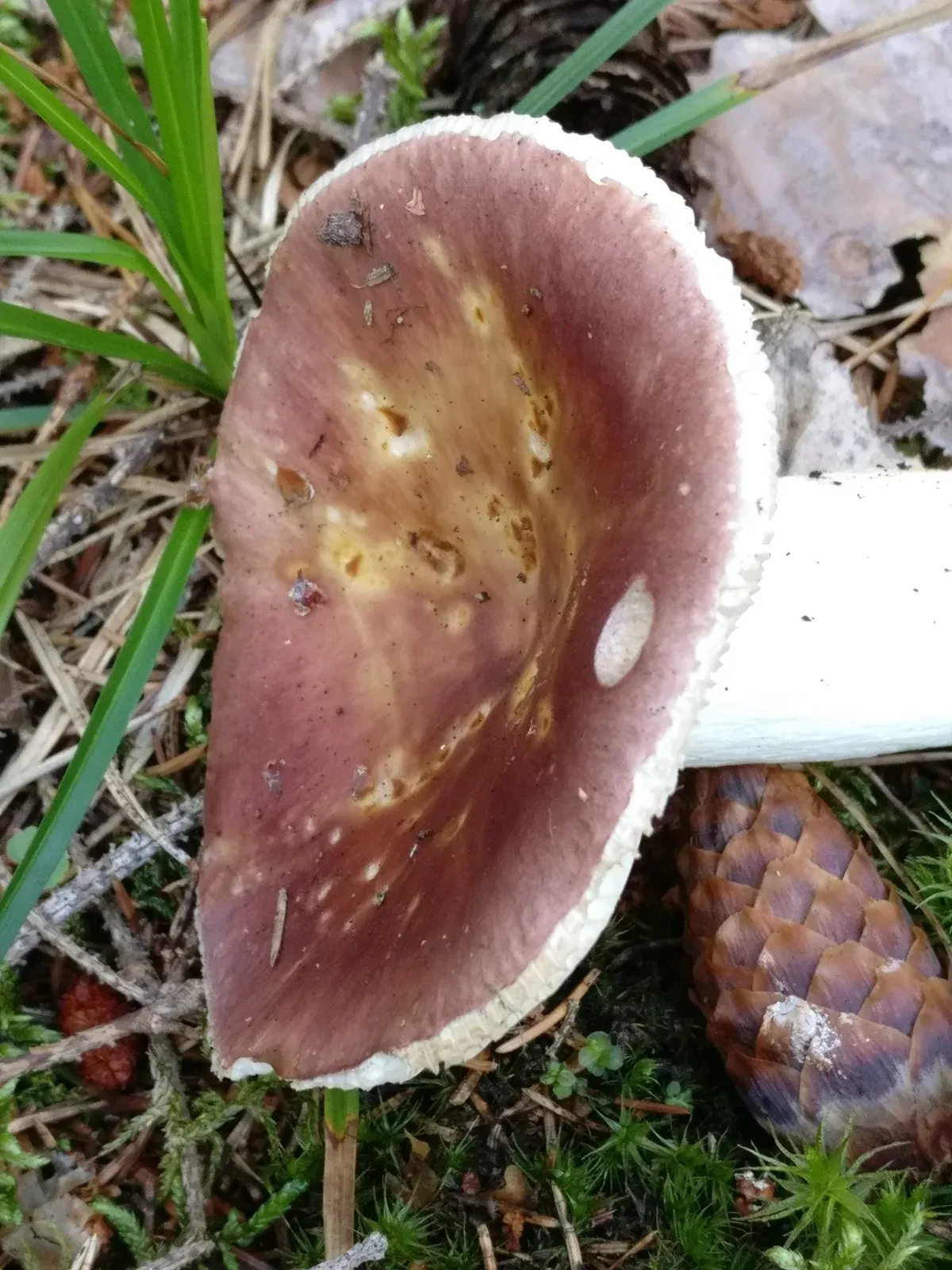
How to clean and cook brittlegills
Despite a Ukrainian name that literally says “eat it raw”, brittlegills are never eaten raw. Here is how to ta…
October 4, 2026·8 min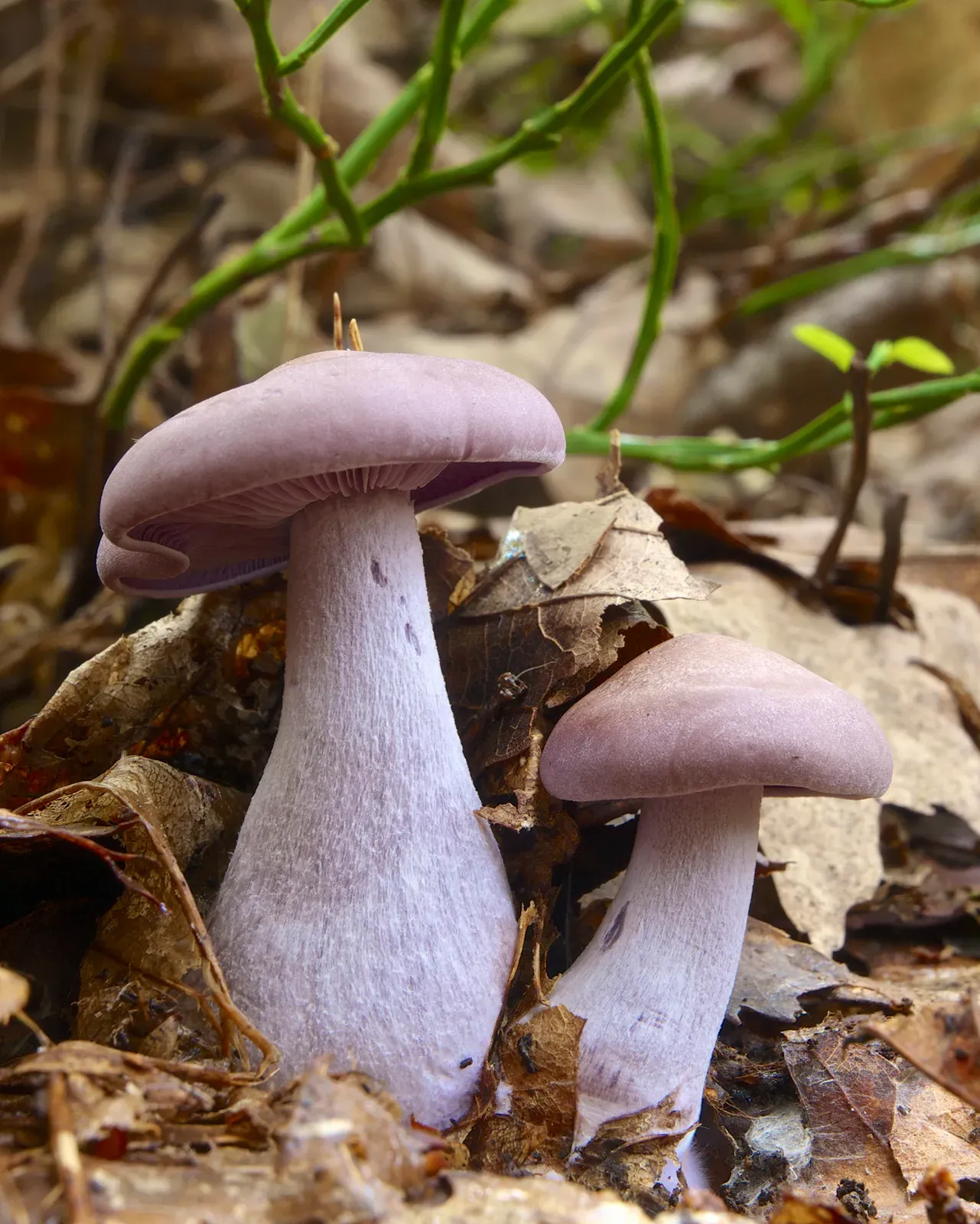 Recipes & cooking
How to clean and cook tricholomas
Tricholomas are boiled for 15 minutes and the water is poured away: that is how the earthy smell disappears. W…
October 4, 2026·8 min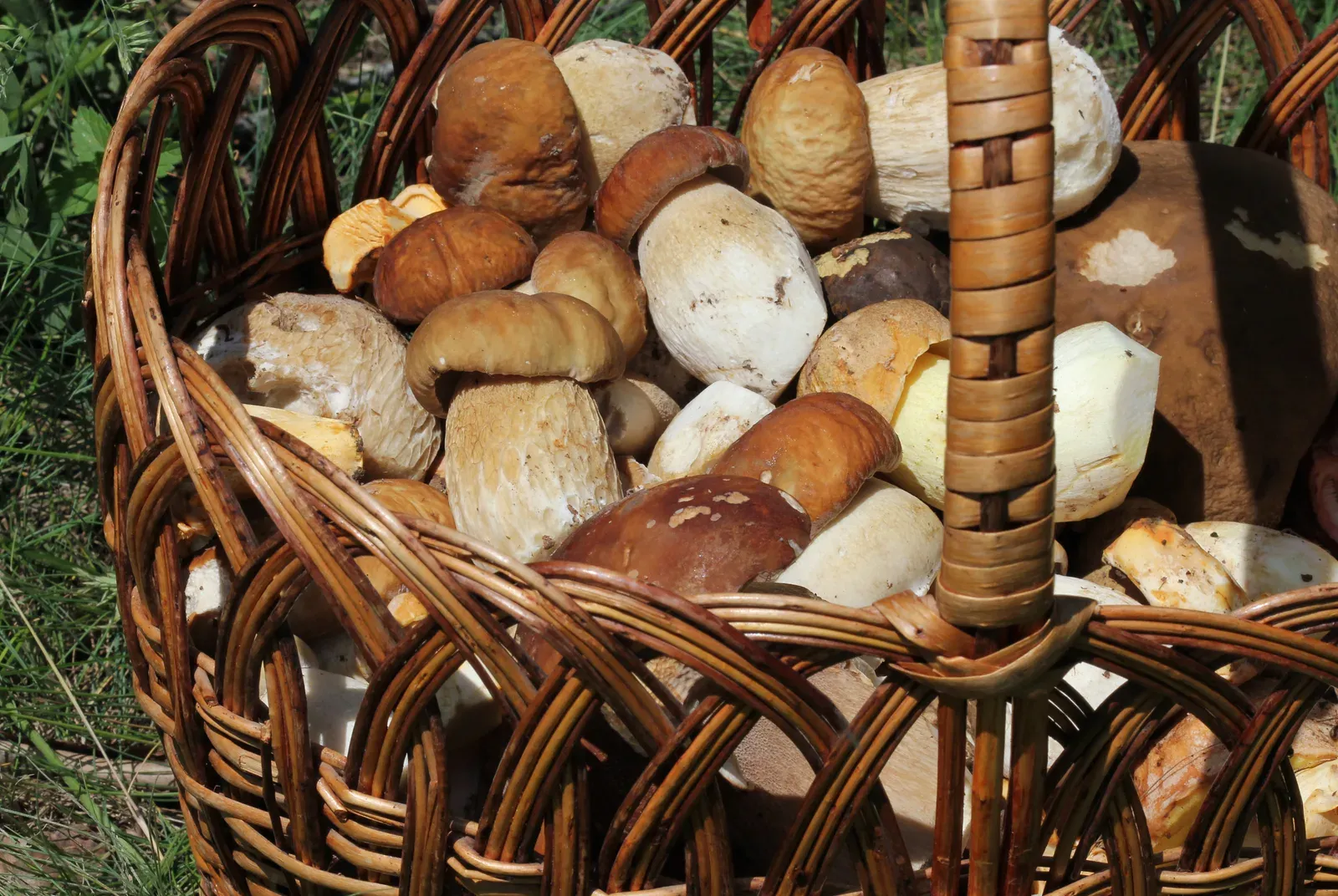 Recipes & cooking
How to store fresh mushrooms, and for how long
Fresh mushrooms spoil faster than you might think. Here's how long they keep in the fridge, how to store them…
August 21, 2026·4 min