GrisetteAmanita vaginata
Expert-verifiedUpdated October 3, 2026
Passport
- Edibility
- Conditionally edible
- Season
- Jul — Oct
- Hymenophore
- Gilled
- Cap color
- Grey
- Size
- Medium (5–15 cm)
- Smell
- Odorless
- Reviewed
- Yes ✓
Quick answers
Where to look?
Deciduous forest, Mixed forest
When does it appear?
Jul — Oct
Active months: July, August, September, October.
How to recognize it? Three signs
- Cap color: Grey
- Cap shape: Convex
- Smell: Odorless
Fruiting season
July – October
Description
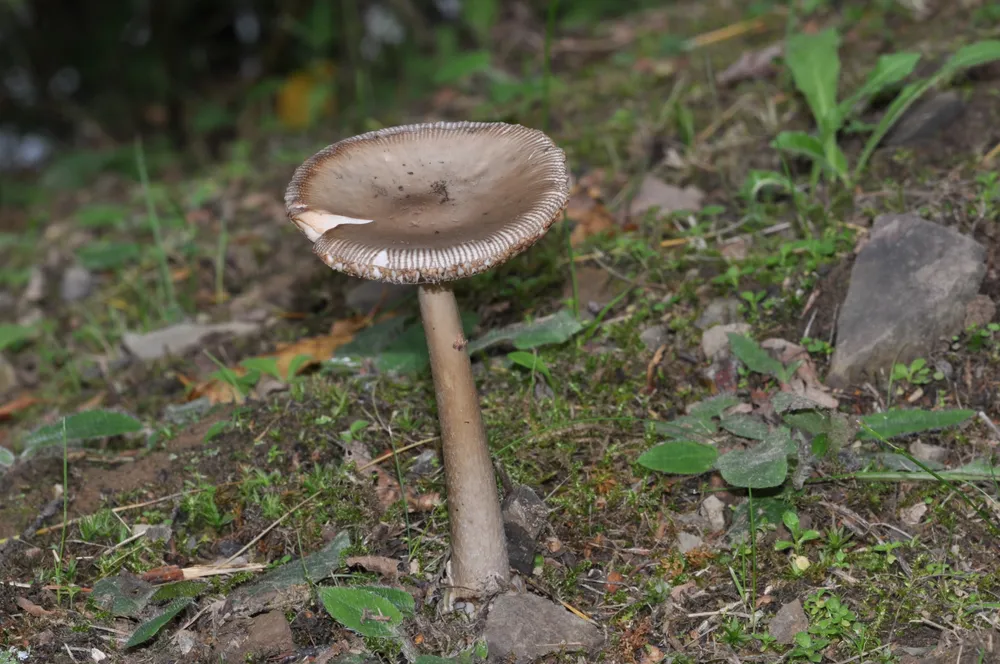
The grisette (Amanita vaginata) is the "type species" of section Vaginatae in the genus Amanita: an amanita with no ring, with a grayish cap marked by distinct radial grooves at the margin and a sac-like volva at the base of the stem. The Latin epithet vaginata means "sheathed," referring to the volva that looks like a sheath for the stem. Ukrainian folk names include "gray pestle" or simply "gray float."
Technically edible after mandatory boiling, and a traditional culinary mushroom in some Western European cuisines. But in Ukraine we recommend NOT picking it: the risk of confusing it with its deadly poisonous relatives (A. virosa, A. phalloides) is too high, and its culinary value is modest. Raw, it is poisonous because of heat-labile hemolysins.
In Ukraine it is widespread in deciduous and mixed forests: the Carpathians, Prykarpattia, Polissia, and the forest-steppe. It forms mycorrhiza with oak, beech, hornbeam, and birch. Season: July to October. It often grows singly among moss and fallen leaves. One of the most common "grisettes" in Ukrainian forests.
Cap
Cap 5-10 cm across, hemispherical to egg-shaped when young, later becoming convex-flat with a low umbo. Color gray, ash-gray, mouse-gray, darker at the center. Surface smooth, slightly slimy in wet weather. The cap margin has characteristic radial grooves (like the ribs of an umbrella), a diagnostic feature of section Vaginatae. Whitish patches of veil remnants may stay on the cap.
Hymenophore
Gilled hymenophore: the gills are free, crowded, pure white. Spore print white.
Stem
Stem 10-18 cm tall, 0.8-1.5 cm thick, thin, slender, tall, slightly thickened toward the base. Color whitish, sometimes with fine grayish fibers or a zigzag pattern. No ring. At the base: a sac-like, eggshell volva, just like the destroying angel's.
Flesh
Flesh thin, soft, white. When cut, it does not change color. Smell faint and neutral.
Smell
Faint, neutral, mushroomy, with no distinctive notes.
›Scientific synonyms (5)
Amanita vaginata var. vaginata, Agaricus vaginatus Bull., Vaginata livida Gray, Amanitopsis vaginata (Bull.) Roze, Amanitopsis vaginatus (Bull.) Roze (1876)
Lookalikes
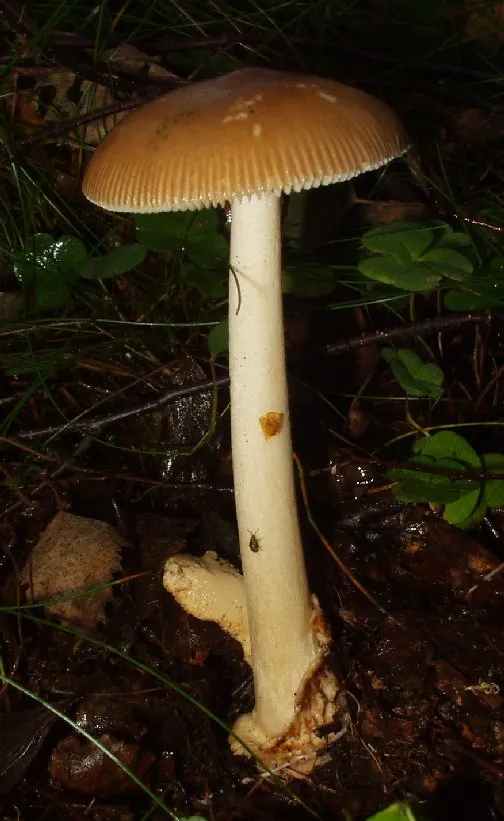
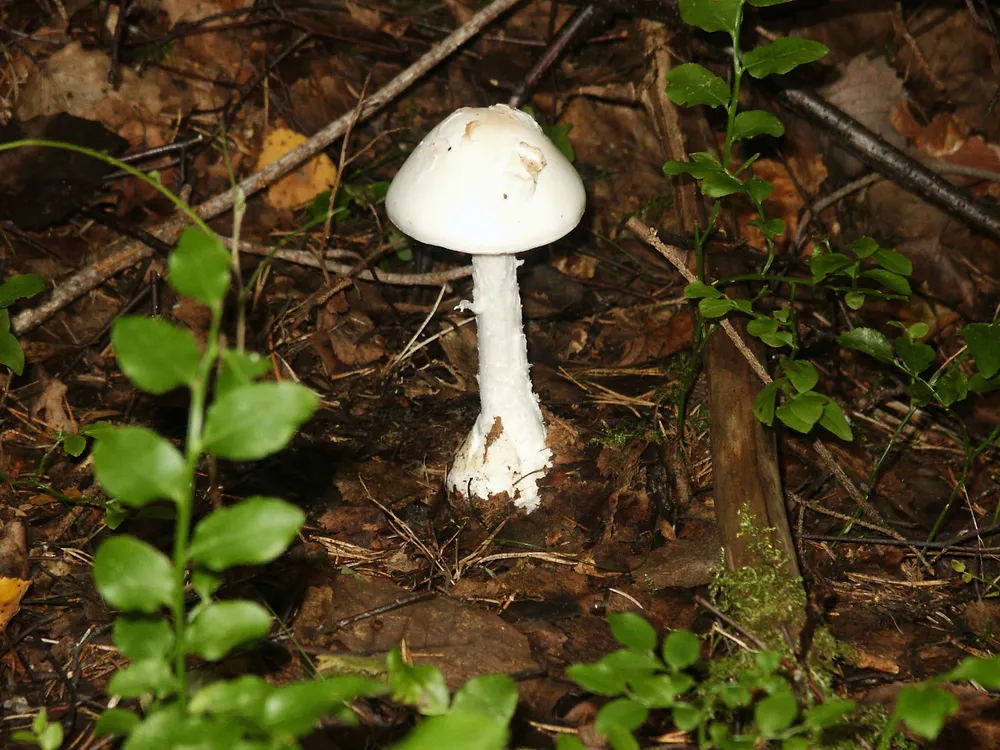
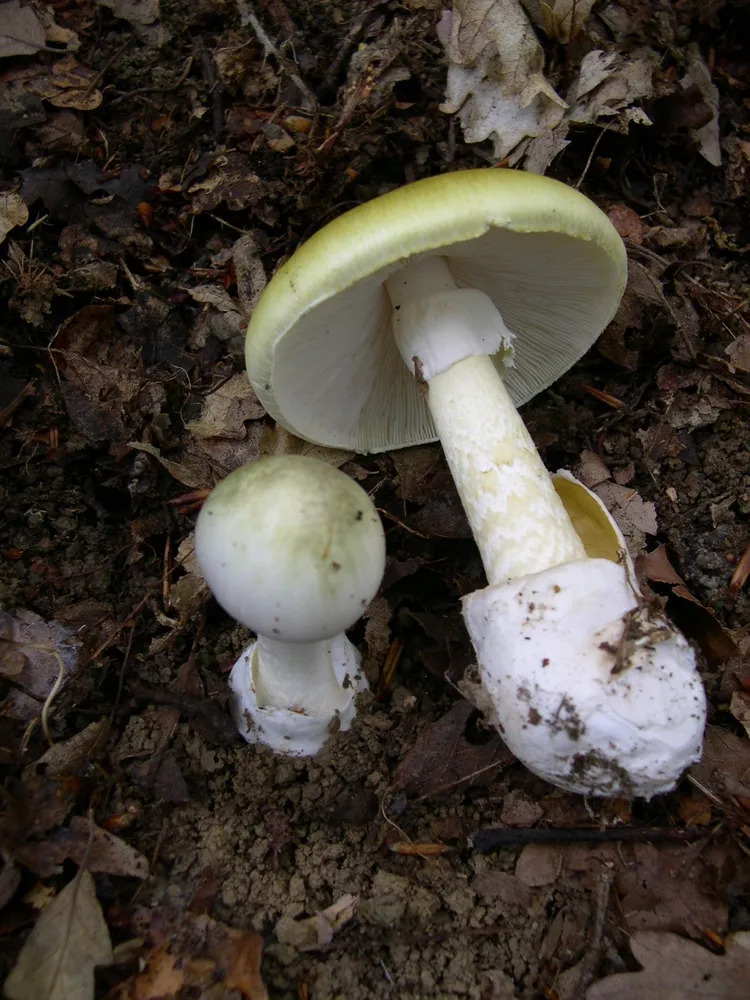
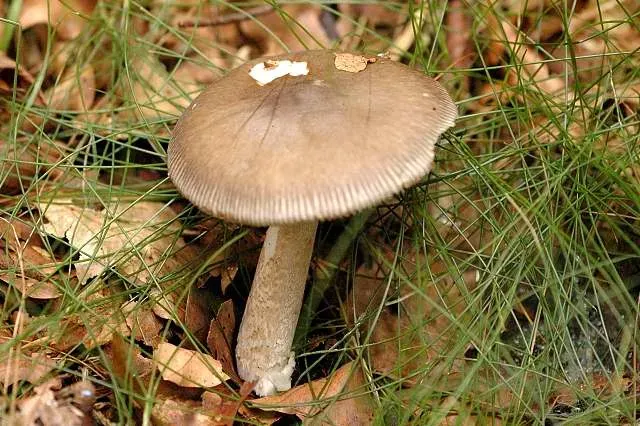
Related species
Mushrooms of the same genus and habitat — to study side by side and never mix up.
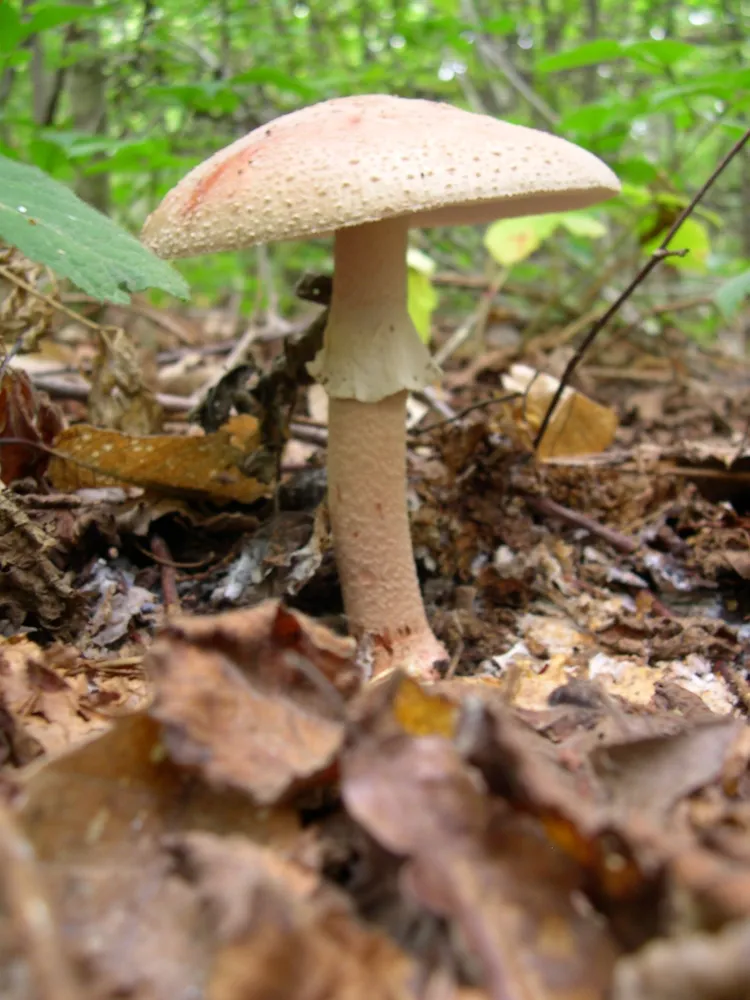
Blusher
Amanita rubescens
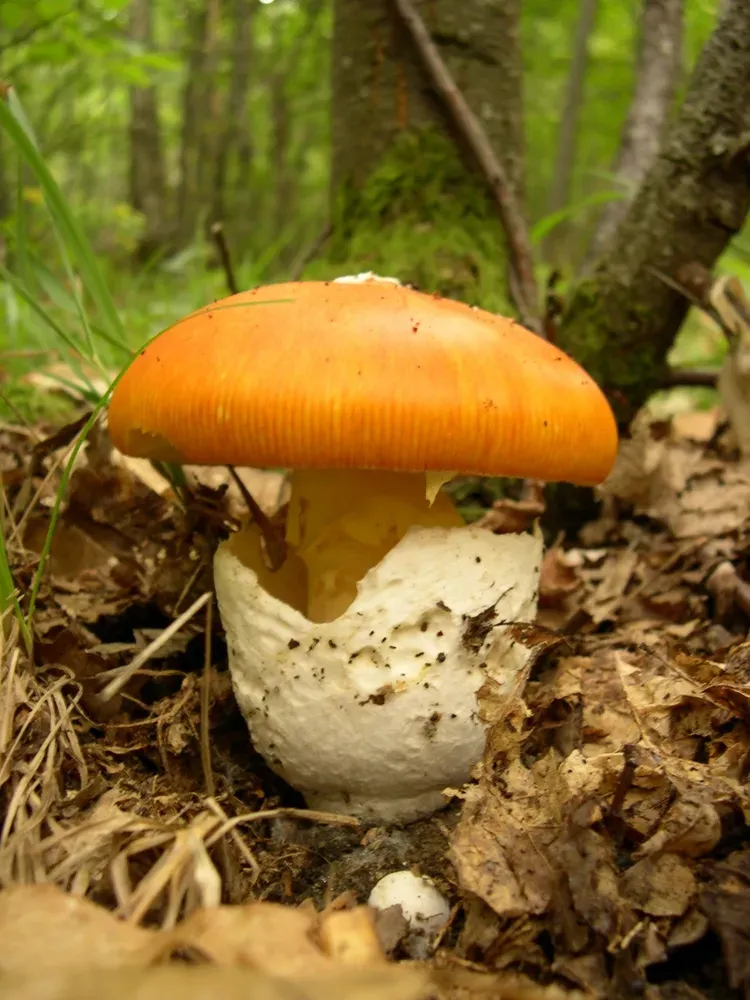
Caesar's mushroom
Amanita caesarea
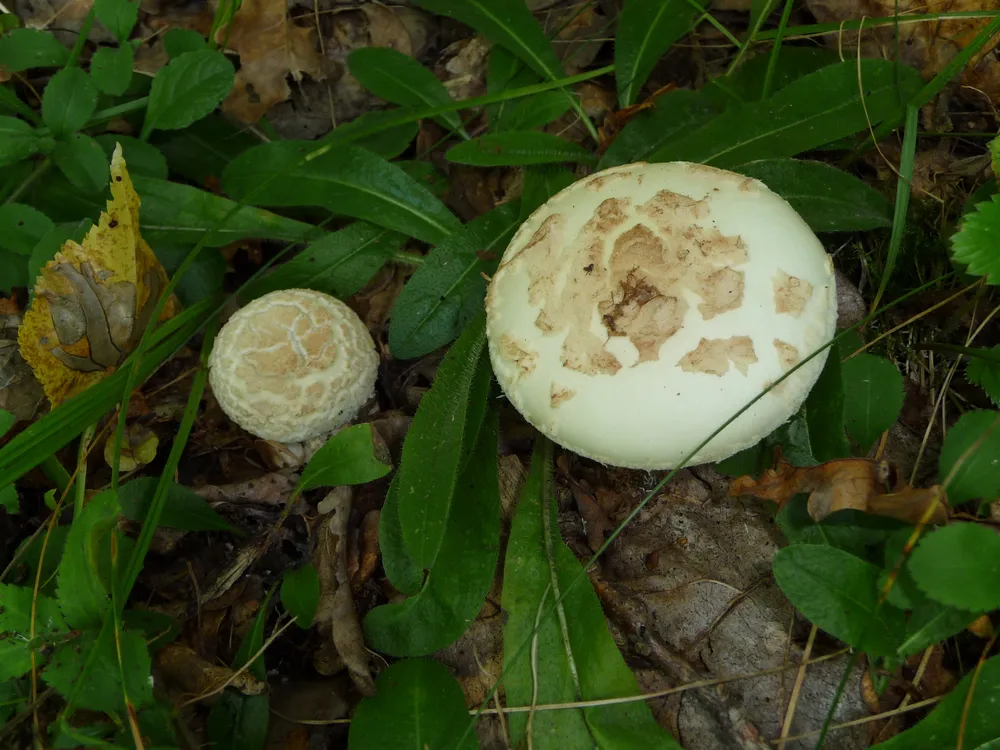
False death cap
Amanita citrina
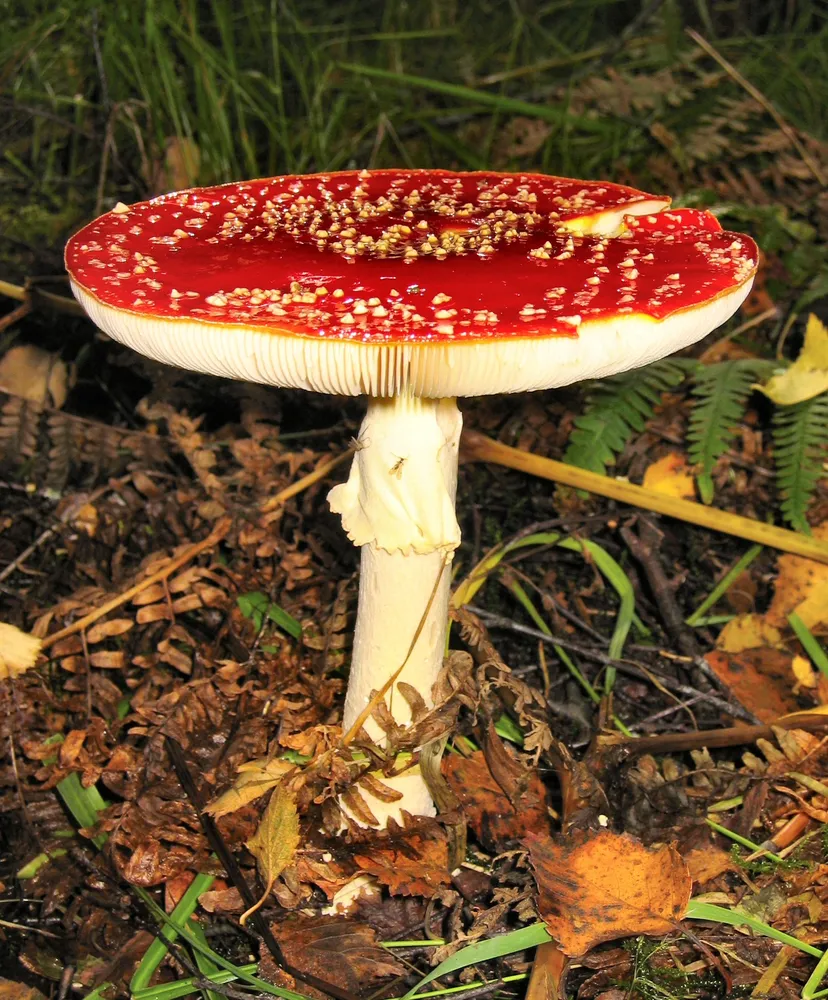
Fly agaric
Amanita muscaria
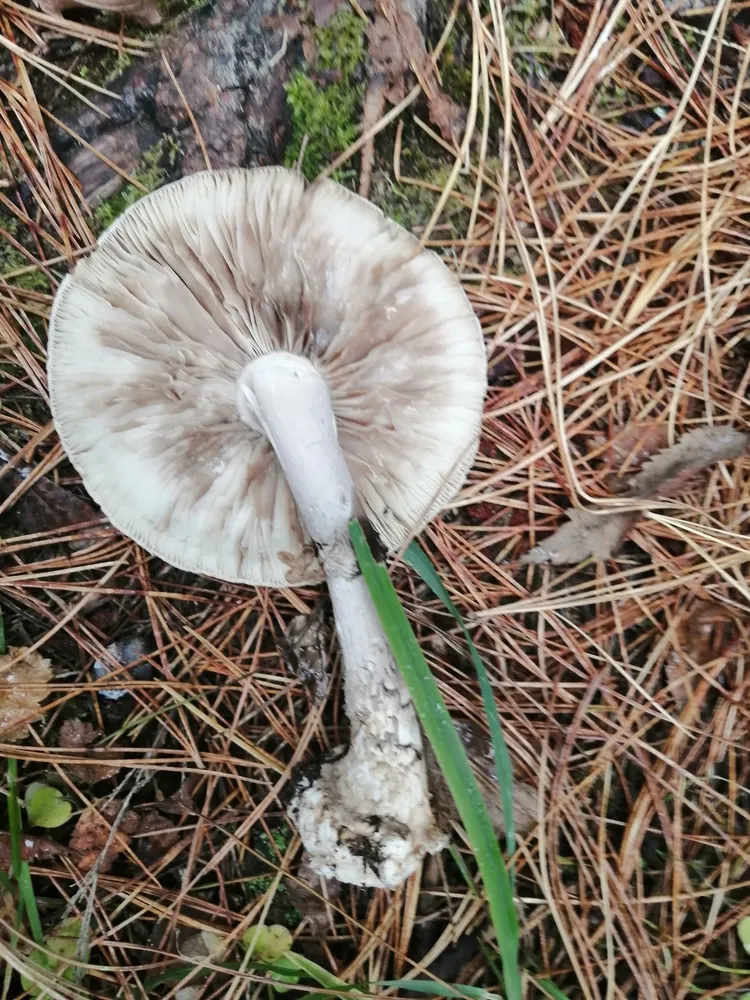
Grey veiled amanita
Amanita porphyria
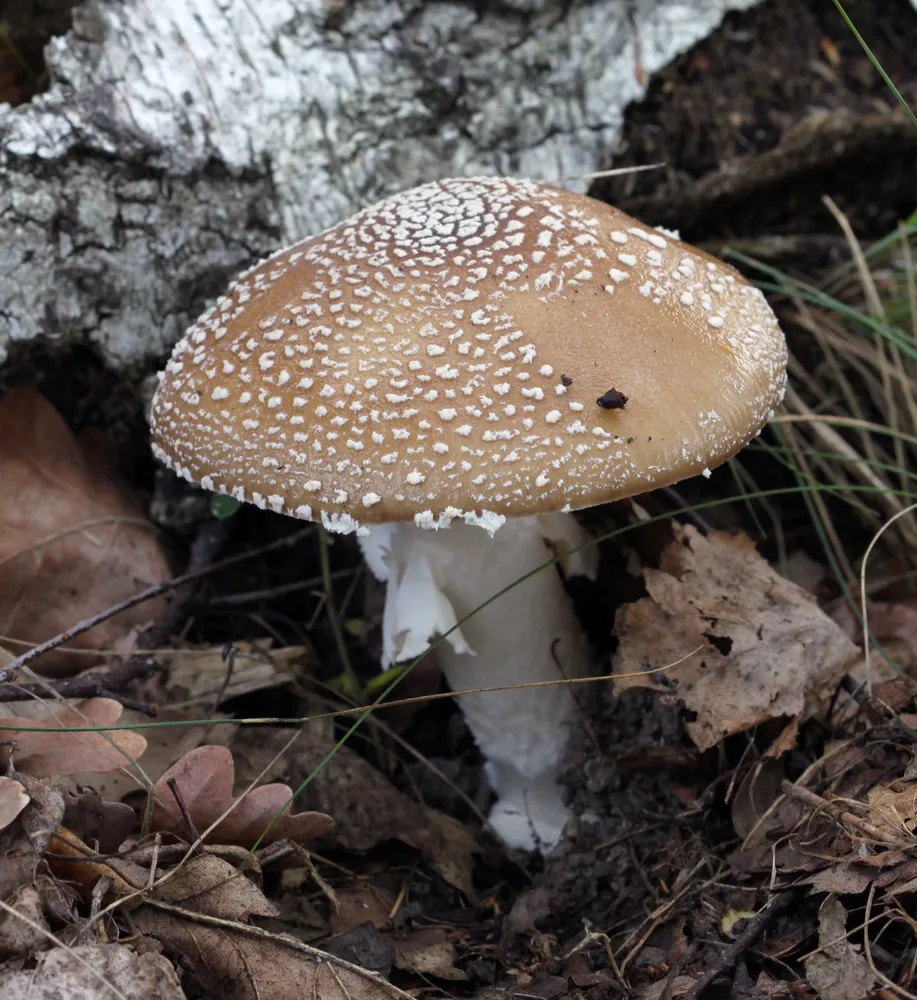
Panther cap
Amanita pantherina
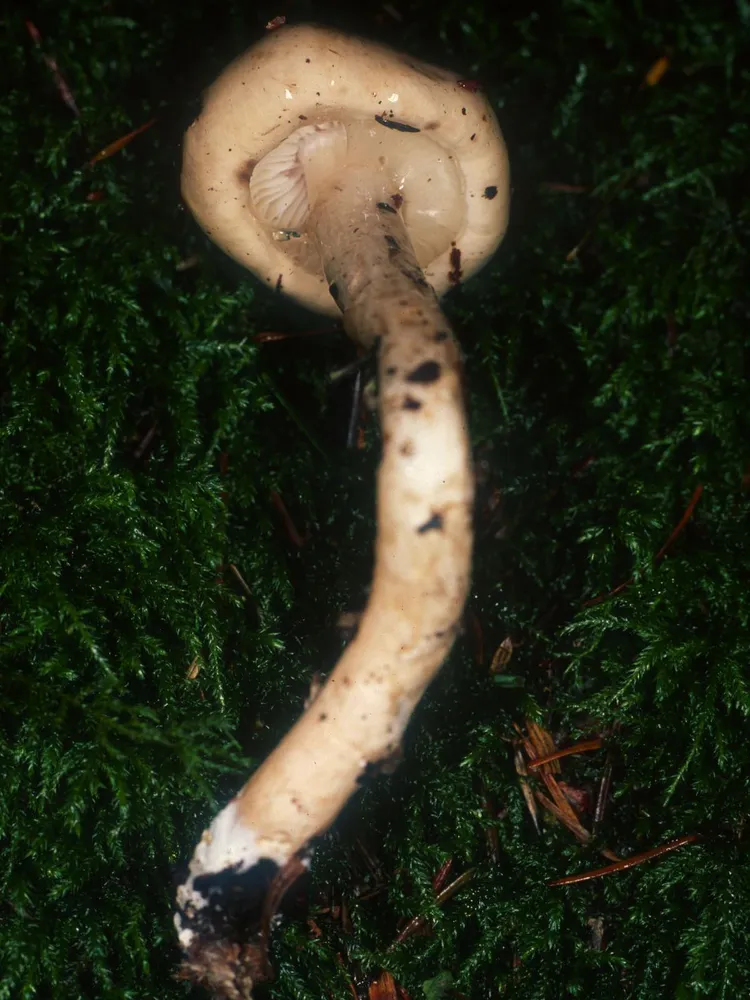
Dripping slimecap
Limacella illinita
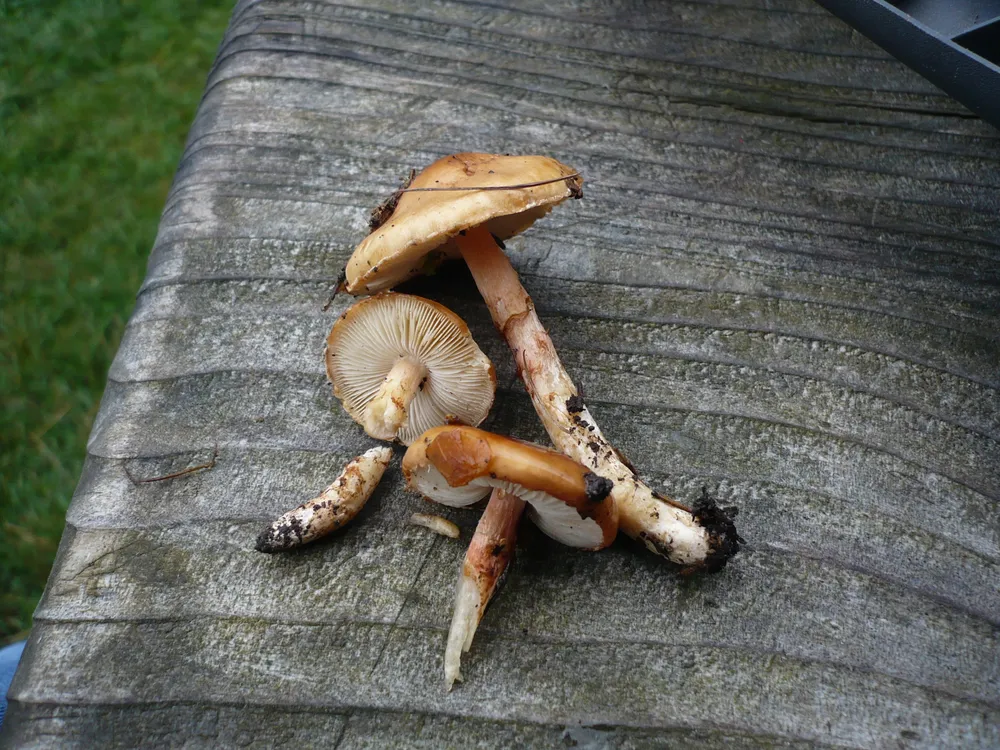
Limacella delicata
Frequently asked questions
Can you eat it?
Technically yes, after boiling for 15-20 min. In practice, we do NOT recommend it because of the risk of confusing it with its deadly relatives in the genus Amanita. Its culinary value is modest.
How do you tell it from the destroying angel?
Two features. (1) Cap color: the grisette is gray, ash-gray. The destroying angel is completely white. (2) Ring on the stem: the destroying angel has a distinct white ring. The grisette has none. But young amanitas can have a hidden ring, so the rule is: any mushroom with a sac-like volva gets left behind.
What if I want to try it?
Better not. If you do decide to, boil it for 15-20 min, pour off the water, then cook as usual. But here's a serious rule: try exotic species at a restaurant that specializes in mushroom cuisine instead of picking them yourself in the forest. There are dozens of better, safe alternatives to this species.
What happens if you get it wrong?
If you mistake it for a destroying angel or a death cap, about half of those poisoned die without treatment because of amatoxins; symptoms appear after 6-24 hours (most often 8-12), and without timely treatment, acute liver failure follows. It's not worth it.
Where should you look for it?
In deciduous and mixed forests, mostly under oak, beech, and hornbeam, less often with birch. It likes mossy forest edges and shady slopes.
Which regions of Ukraine is it found in?
Throughout the forest and forest-steppe zones: the Carpathians, Prykarpattia, Polissia, and the forest-steppe. In the steppe, in floodplain oak groves.
When should you look for it?
More like "when to recognize it and walk on by." July to October, peaking in August-September.
Which mushrooms is it confused with?
With other grisettes (A. fulva, tawny; A. crocea, saffron), all ringless amanitas, technically edible. The real danger is confusing it with young deadly amanitas (A. virosa, A. phalloides). The rule: no mushroom with a volva goes in the basket.
Is Grisette edible or poisonous?
Does Grisette have gills or pores?
What does the cap of Grisette look like?
What does the stem of Grisette look like?
Sources
- [1]Вікіпедія (українська)
- [2]Атлас грибів України, Зеров Д.К. (1979)
- [3]MycoBank Database
- [4]Index Fungorum
- [5]GBIF
- [6]iNaturalist Ukraine