Rosso coralRamaria botrytis
Expert-verifiedUpdated October 3, 2026
Passport
- Edibility
- Edible
- Season
- Aug — Oct
- Hymenophore
- Smooth
- Cap color
- White
- Size
- Large (over 15 cm)
- Smell
- Pleasant
- Reviewed
- Yes ✓
Quick answers
Where to look?
Deciduous forest, Mixed forest
When does it appear?
Aug — Oct
Active months: August, September, October.
How to recognize it? Three signs
- Cap color: White, Cream, Pink
- Cap shape: Irregular
- Smell: Pleasant
Fruiting season
August – October
Description
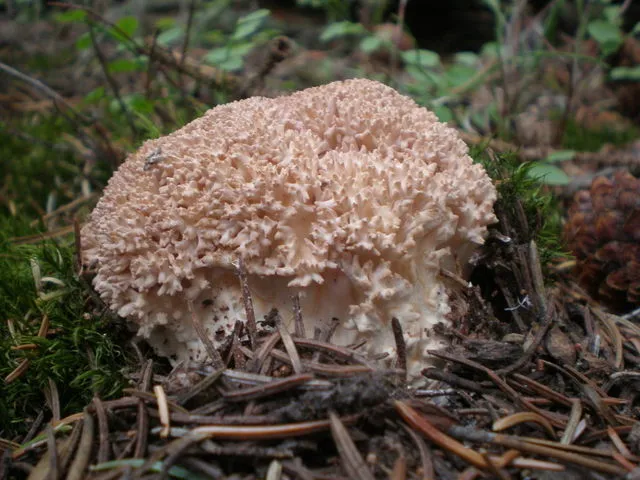
Rosso coral (Ramaria botrytis) is the best-known and tastiest of the coral mushrooms. The Latin epithet botrytis means "grape-cluster-like" — and that describes its shape exactly: a dense coral-like cluster of many branching "fingers" with pink or wine-red tips. In a young mushroom the cluster is compact and fleshy, up to 20 cm tall and 30 cm across, resembling a head of cauliflower.
Among the corals, this is the one for the table. The flesh is firm, white, with a pleasant fruity smell (sometimes with a hint of radish), the taste mild, sweetish in young ones. Young ones only, with white or pale pink "finger" tips — older ones get tough, turn bitter and can have a laxative effect. It's cooked as a fried or stewed dish, in soups, or pickled; drying works less well, the flesh turns glassy.
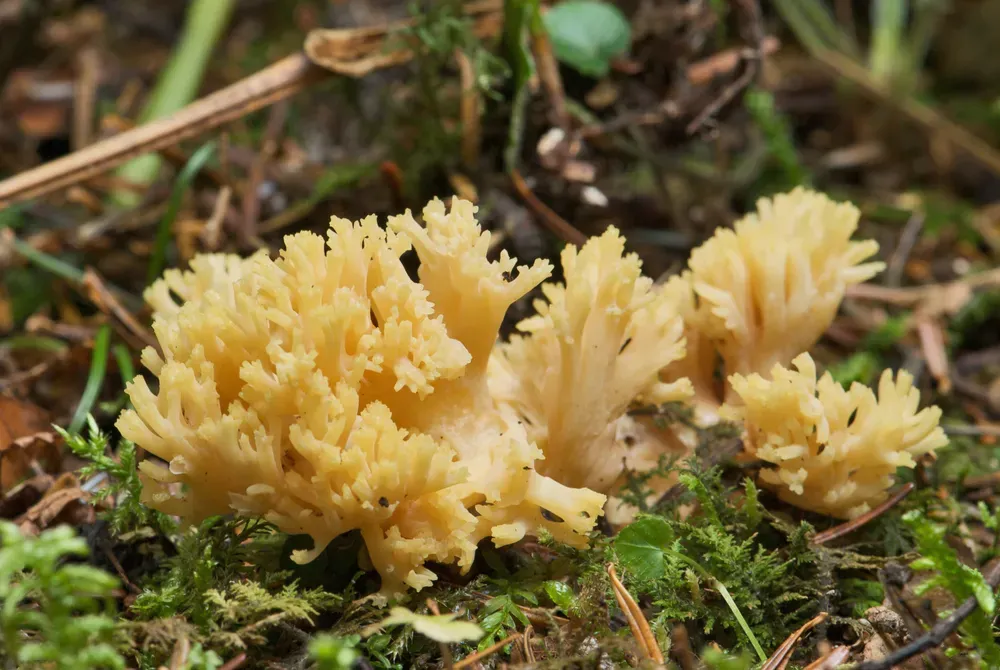
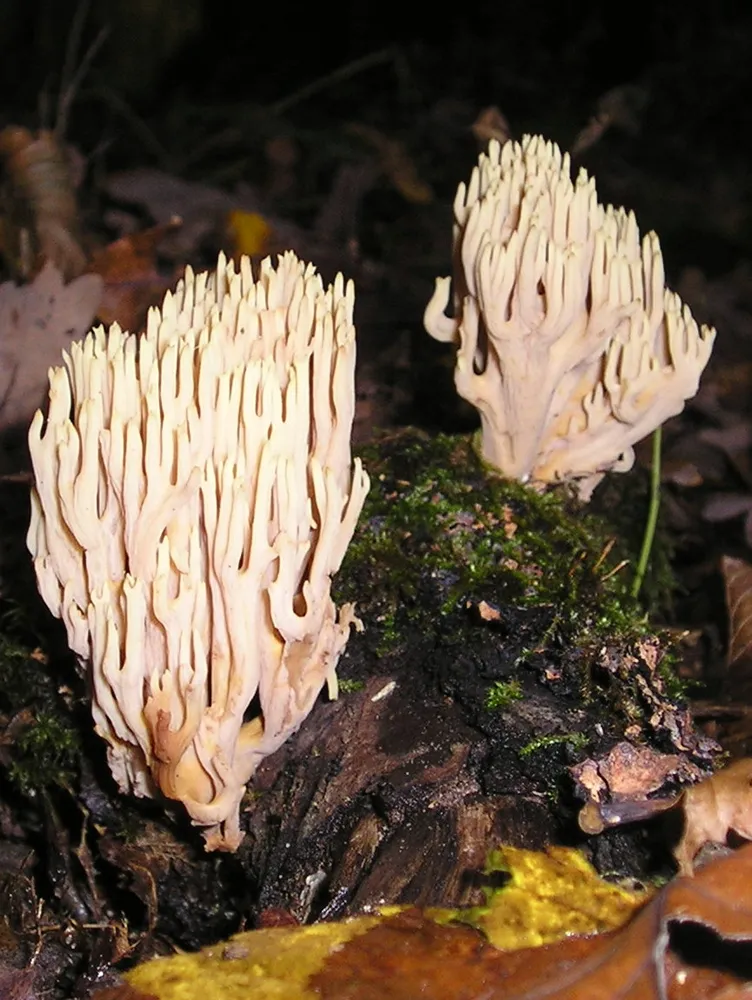
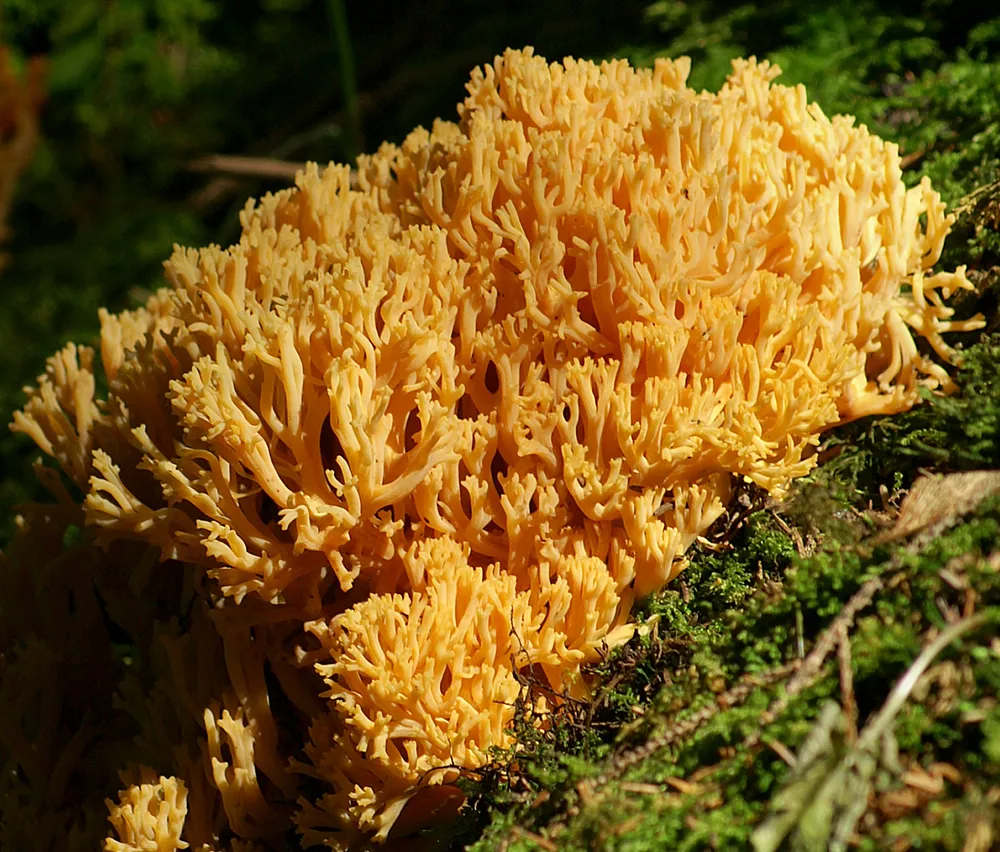
The key thing is not to confuse it with inedible ramarias: R. stricta (upright coral) — thinner, yellowish "fingers" with a bitter taste; R. formosa — salmon-orange, causes severe diarrhea; R. pallida — pale, also laxative. The defining features of the edible R. botrytis: pinkish-red tips on pale "fingers", a very dense compact shape, flesh that doesn't darken when damaged.
In Ukraine, Rosso coral is rare to uncommon in the beech, oak and fir forests of the Carpathians, Prykarpattia and western Podillia. In Polissia and the forest-steppe it's sporadic, mainly in old deciduous forests on limestone bedrock. Season: August — October. It forms mycorrhiza with beech and oak, less often with fir.
Cap
There's no cap in the usual sense — the mushroom forms a bushy, coral-like fruiting body. Overall size: 10-20 cm tall, 15-30 cm across, shape compact and rounded to cushion-like. It consists of a thick shared trunk at the bottom and numerous branching "fingers" (branchlets) on top. The base is white to cream, the branchlets pale cream with characteristic pinkish-red or wine-purple tips — a diagnostic feature.
Hymenophore
The spore-bearing layer covers the surface of the "fingers" (no gills or pores). Spore print ochre to yellowish.
Stem
The shared base of the cluster is thick, fleshy, white, 3-8 cm tall, 4-6 cm across. Upward it divides into numerous branches, then into smaller branchlets with pink tips. The surface of the base is smooth, white, yellowing with age.
Flesh
Flesh firm, white, marbled, becoming rather tough and fibrous. It doesn't change color when cut — an important diagnostic feature (toxic ramarias may darken). Smell pleasant, fruity, sometimes with a hint of radish.
Smell
Pleasant, fresh, fruity-mushroomy, with a hint of radish in young ones. Not sharp, no chemical notes.
›Scientific synonyms (3)
Clavaria botrytis Pers. (1797), Corallium botrytis (Pers.) G.Hahn (1883), Clavaria botrytis var. alba A.Pearson (1946)
Lookalikes
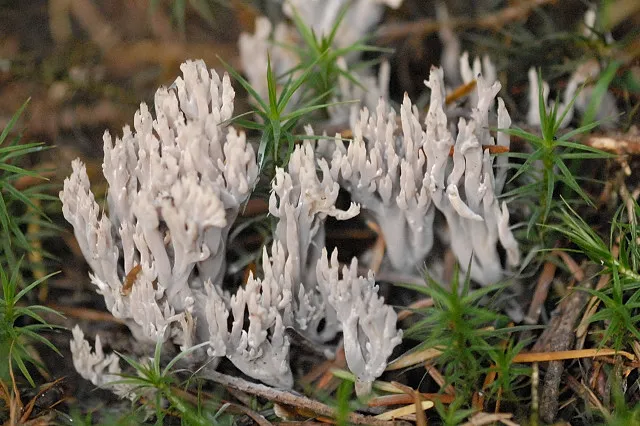
Related species
Mushrooms of the same genus and habitat — to study side by side and never mix up.
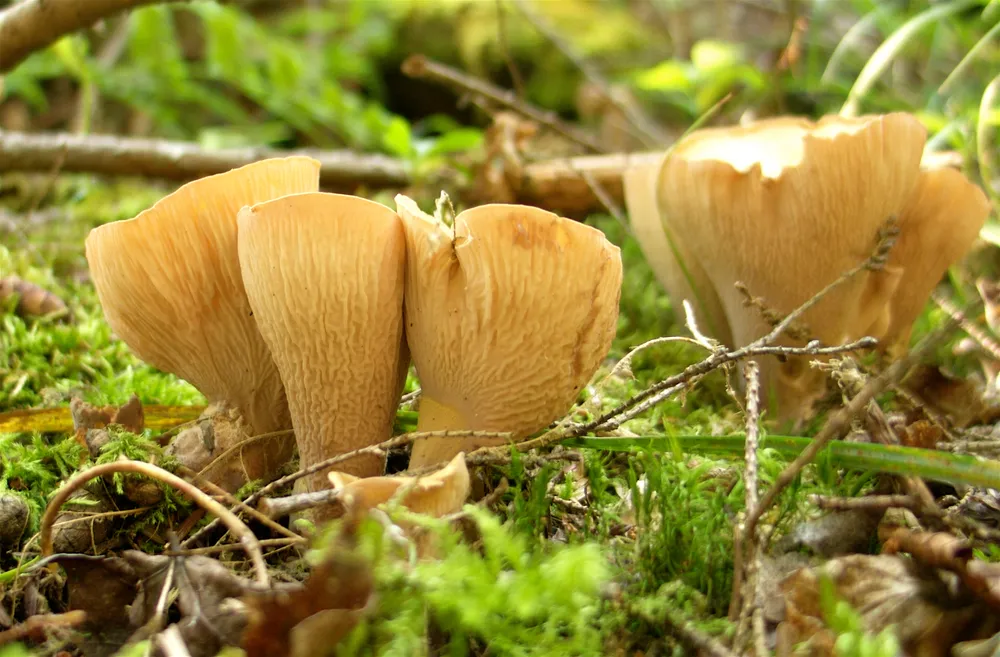
Pig's ear
Gomphus clavatus
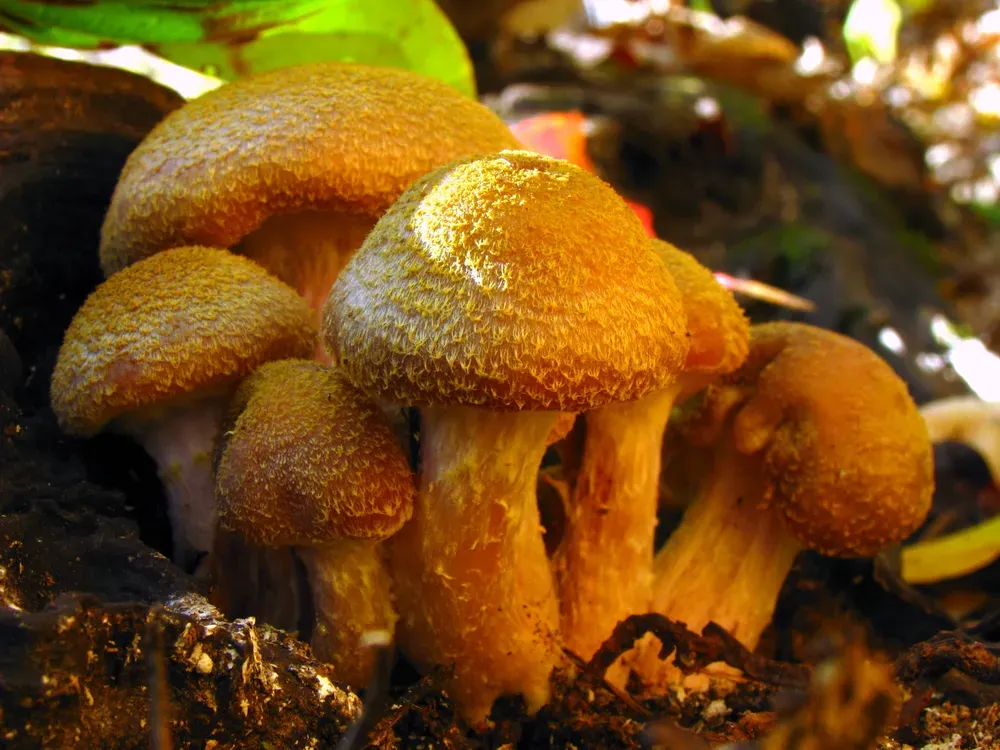
Bulbous honey fungus
Armillaria gallica
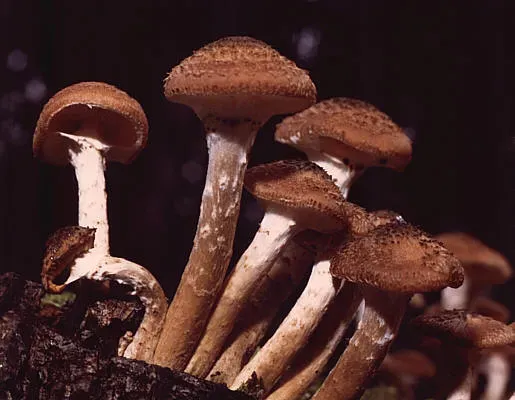
Dark honey fungus
Armillaria ostoyae
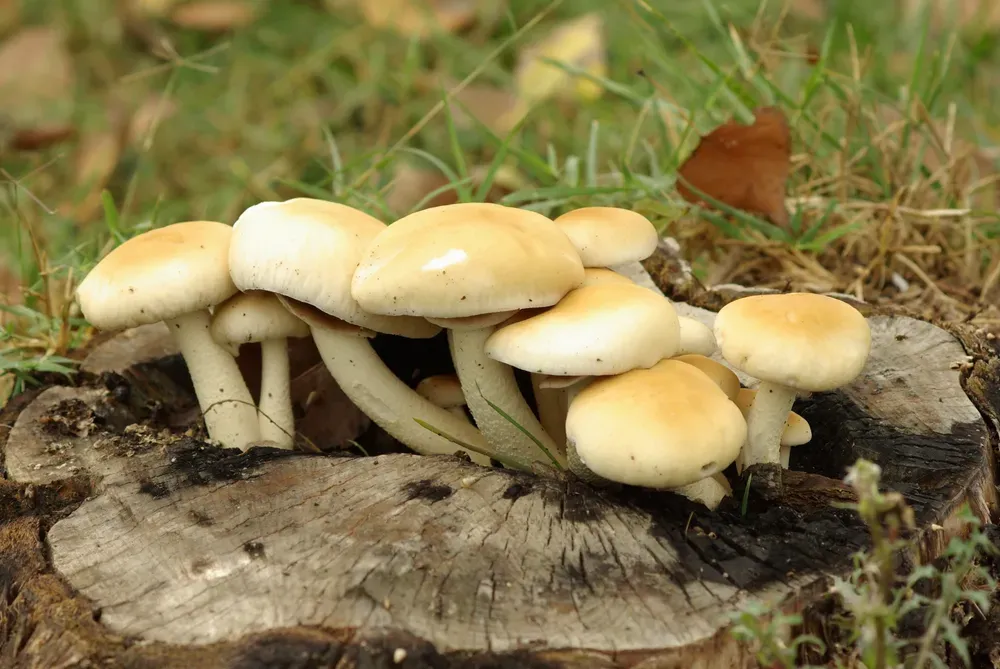
Poplar fieldcap
Cyclocybe aegerita
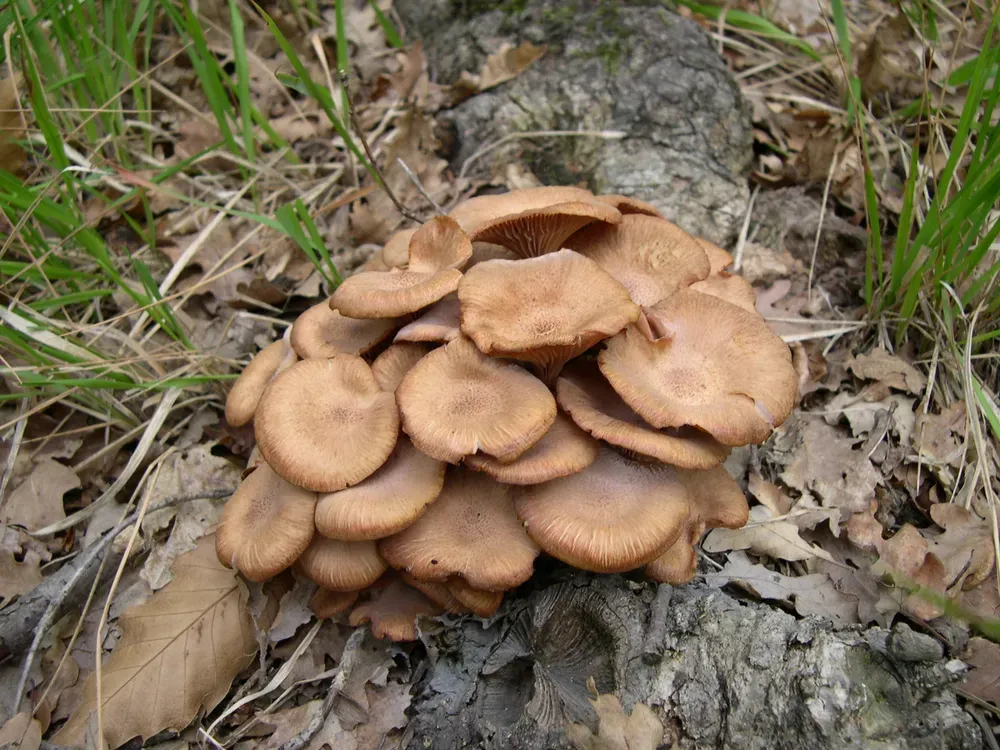
Ringless honey fungus
Desarmillaria tabescens
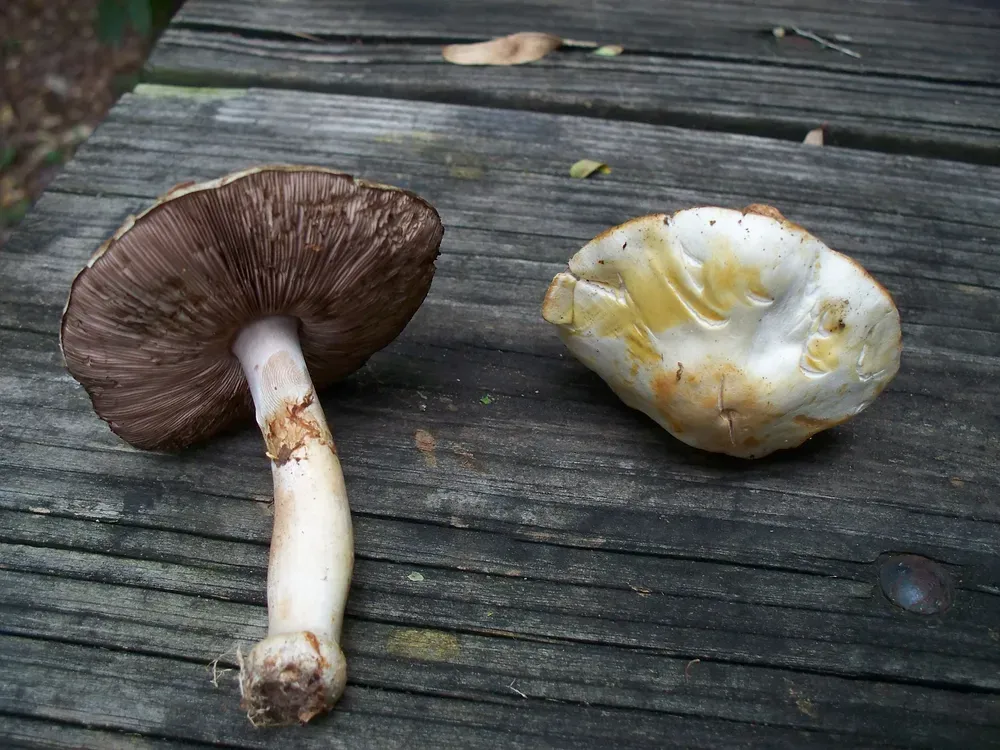
Agaricus abruptibulbus
Agaricus haemorrhoidarius
Agaricus haemorroidarius
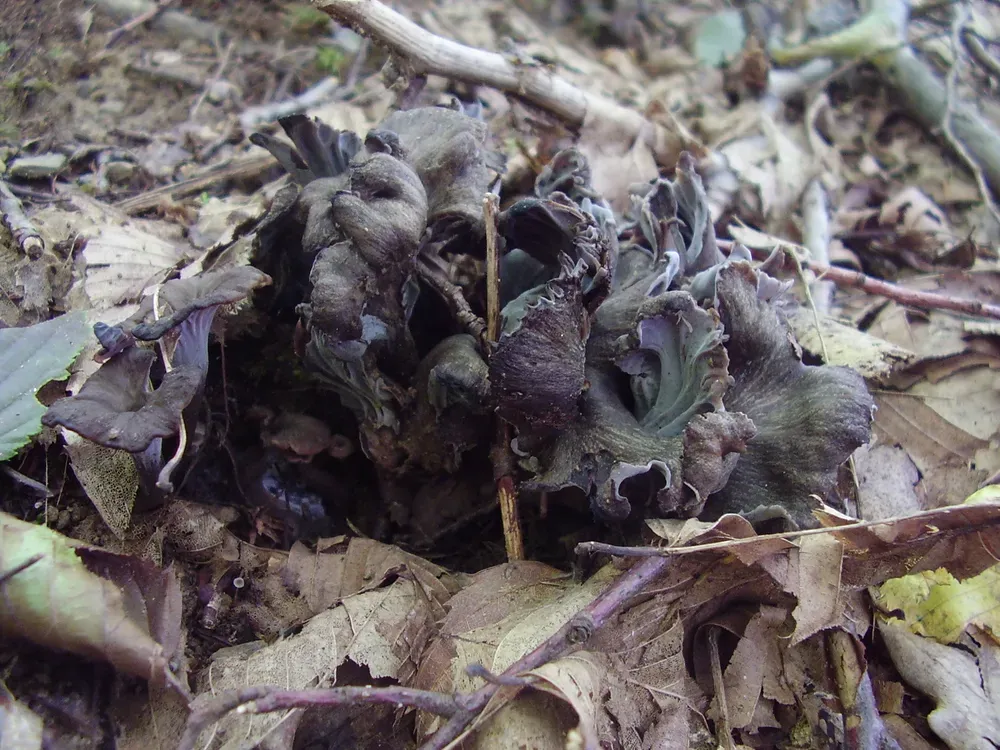
Ashen chanterelle
Cantharellus cinereus
Frequently asked questions
Can it be confused with a toxic ramaria?
Yes — and that's the main caution with the whole genus. The defining features of the edible R. botrytis: (1) pinkish-wine tips on pale cream branches; (2) a dense, compact, rounded shape; (3) a thick white base; (4) flesh that doesn't darken when damaged; (5) a pleasant fruity smell. If the cluster is lacy with thin yellow branches, it's R. stricta or R. flava (better leave it). If it's salmon-orange, it's R. formosa (laxative). If the flesh darkens when pressed, it's definitely not our mushroom.
Why young ones only?
Older ones get tough — they become fibrous, slightly bitter, with a stronger laxative effect. The flesh of an old one is no longer white but cream-yellow, and the tips lose their pink color. The classic test: press with your fingernail — in a young one the flesh is springy, in an old one brittle or fibrous. Only take clusters with distinctly pink tips and a firm white base.
How do you cook it?
Before cooking — break it into branchlets and wash thoroughly (bark, pine needles and ants often hide between the "fingers"). Boil for 10 min, discard the water — that's your basic insurance against the laxative effect. Then fry it with onions, stew it in cream, add it to soups. The flesh is tender and resembles cauliflower. Pickling — holds its shape well. Drying — works less well, the flesh turns glassy when rehydrated.
Where should you look for it?
In old beech, oak and fir forests on limestone or neutral bedrock. On the forest floor among moss, near old trees. It loves shady, damp spots with a thick layer of humus. It often grows singly or in groups of 2-3 clusters.
Which regions of Ukraine is it found in?
Mostly in the Carpathians and Prykarpattia (beech and fir forests), in the west of Podillia, and less often in Polissia and the forest-steppe — in old oak and beech woodlands on limestone.
When should you look for it?
August — October, peaking in September. It loves a warm autumn with moderate rain. After the first autumn rains, it comes up in masses.
What does it resemble?
Other coral mushrooms. R. botrytis — a compact cluster with a thick base and pink tips; R. flava — lacier, with yellowish branches, also edible when young, but causes diarrhea more often; R. stricta (upright coral) — thin, straight, yellow-brown branches, inedible; R. formosa (salmon coral) — salmon-orange, laxative; Clavulina coralloides — a small white cluster without pink tips.
Is it worth going out for?
Yes — but carefully, and only with confident identification. It's a tasty and beautiful mushroom, prized in Europe on a par with porcini. But because it resembles several laxative relatives, get to know it under the guidance of an experienced forager, not on your own from photos on the internet.
Is Rosso coral edible or poisonous?
What kind of spore-bearing surface does Rosso coral have?
What does the cap of Rosso coral look like?
What does the stem of Rosso coral look like?
Sources
- [1]Вікіпедія (українська)
- [2]Атлас грибів України, Зеров Д.К. (1979)
- [3]MycoBank Database
- [4]Index Fungorum
- [5]GBIF
- [6]iNaturalist Ukraine