._Locatie,_De_Kruidhof_Buitenpost_01.webp)
Ukrainian forests are generous with mushrooms, yet only part of all that variety ends up on the table. To fill your basket with confidence, it helps to know the "golden list" of edible mushrooms: what they're called, what they look like and where they hide.
We've put together a visual guide to the best-known edible mushrooms of Ukraine for you. We've sorted them into three groups and given quick field marks for each, plus links to detailed descriptions. That way you'll recognize your find more easily right there in the forest.
Let's agree on the main rule right away: only pick mushrooms you are one hundred percent sure of. A doubtful mushroom always stays in the forest, however appetizing it looks.
Pored mushrooms
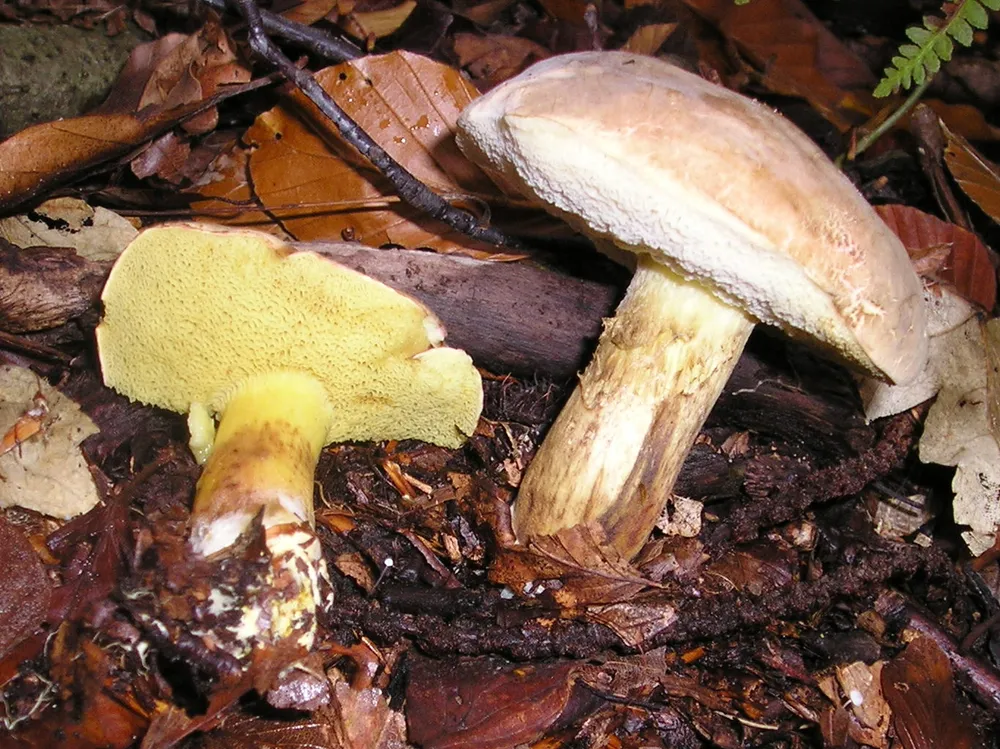
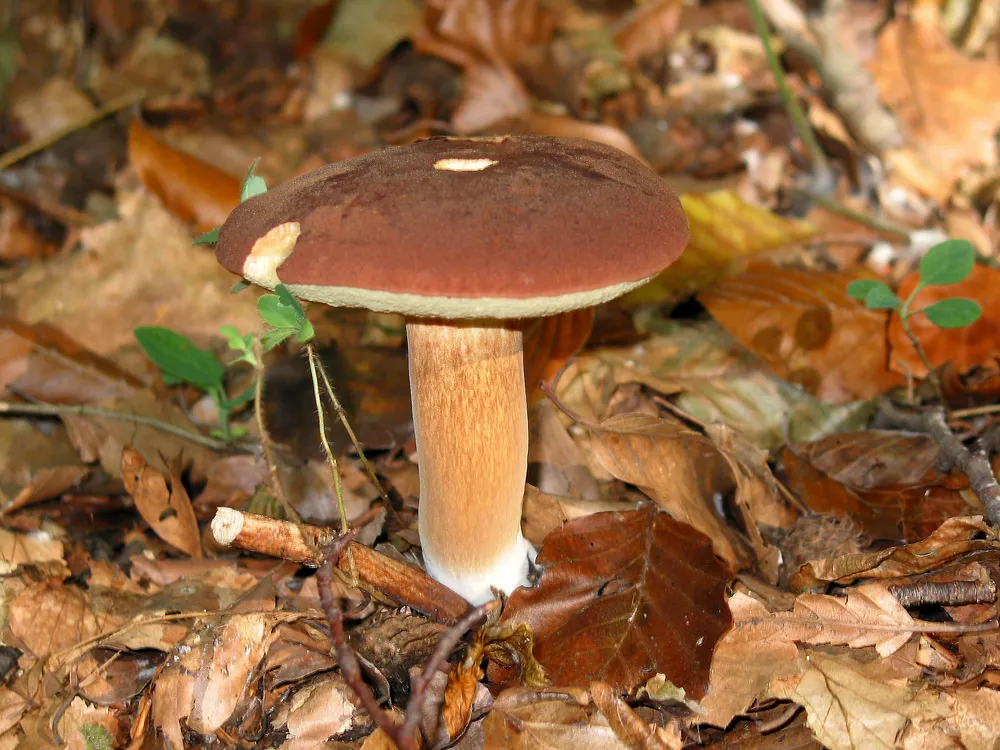
Pored mushrooms have no gills under the cap, but a spongy layer of tiny tubes. This group includes our most prized mushrooms, and there are few look-alikes among them.
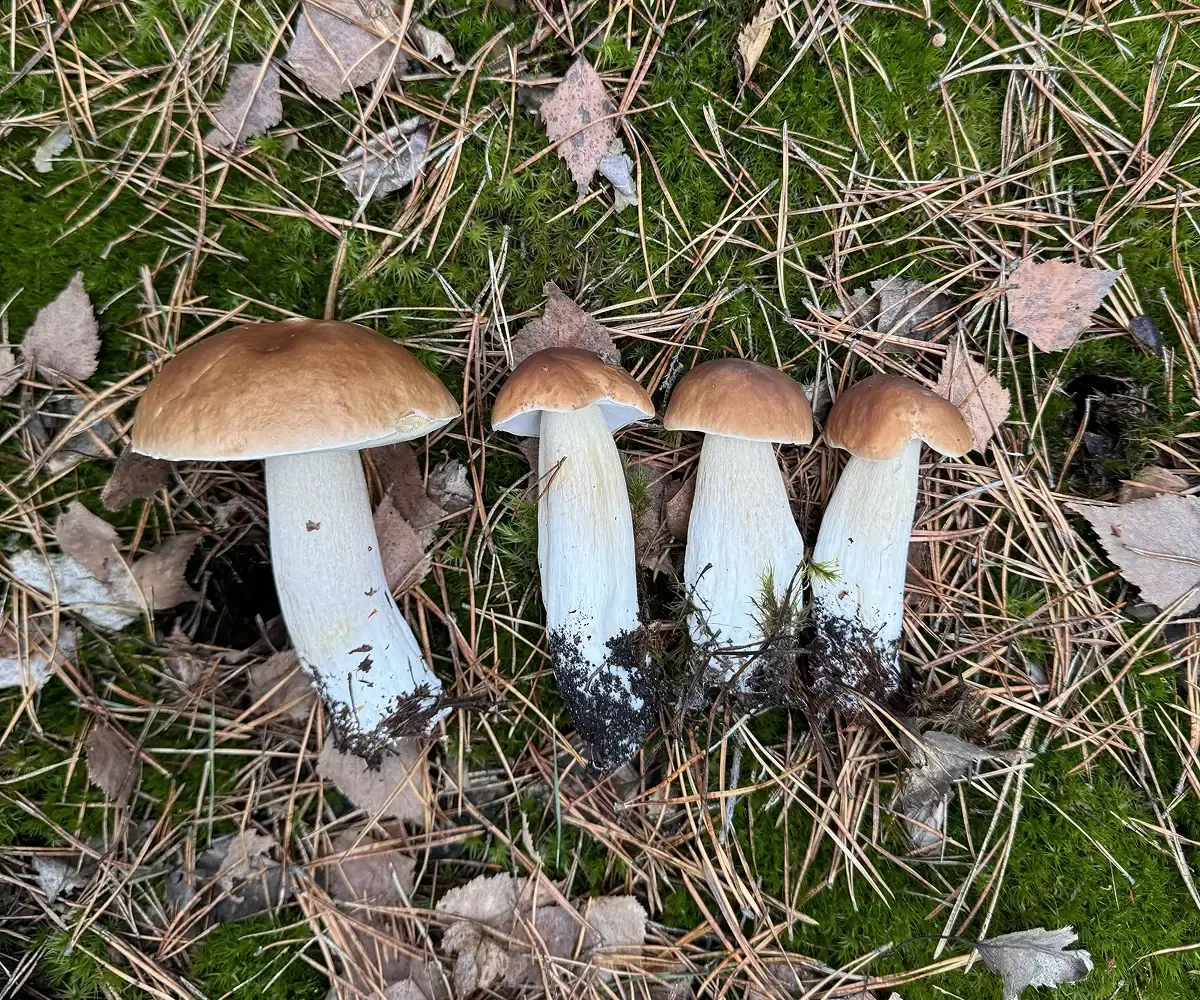
- **Porcini** — the king of the forest. A fleshy brown cap, a thick stem with a white net pattern, and white flesh that doesn't darken when cut. It grows in all types of forest. Read more in "porcini, the chief bolete of the Ukrainian forest".
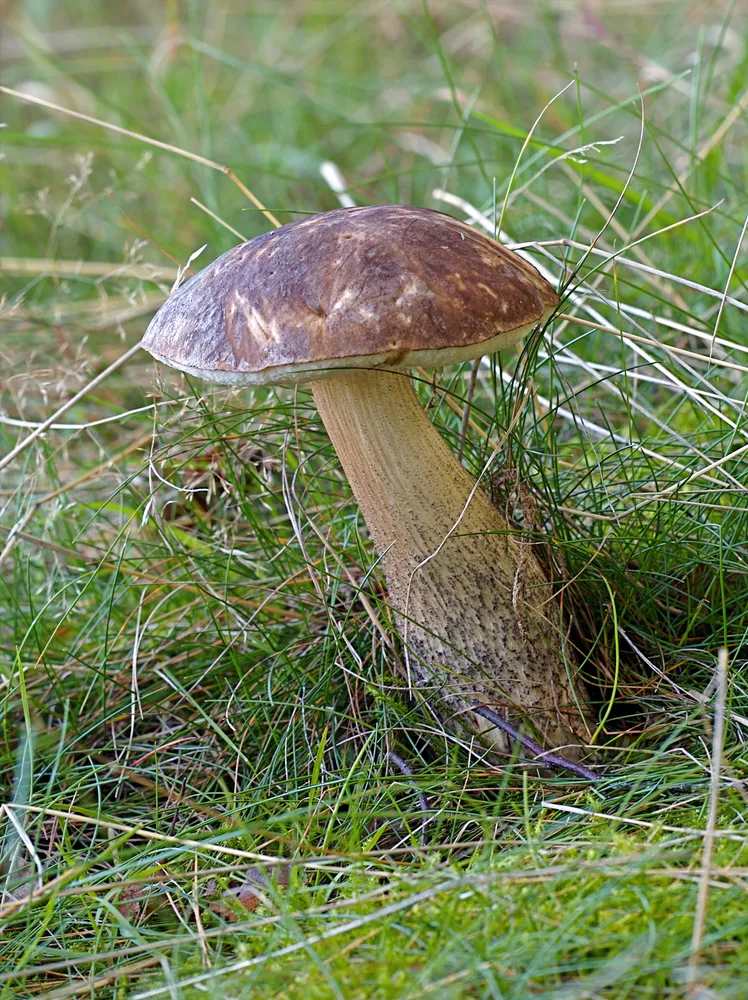
- **Brown birch bolete**, known in Ukraine by the folk name "babka". A grayish-brown cap and a tall stem covered in dark scales; it loves birch forest edges. Everything about it is in the article "the brown birch bolete: what kind of mushroom is it".
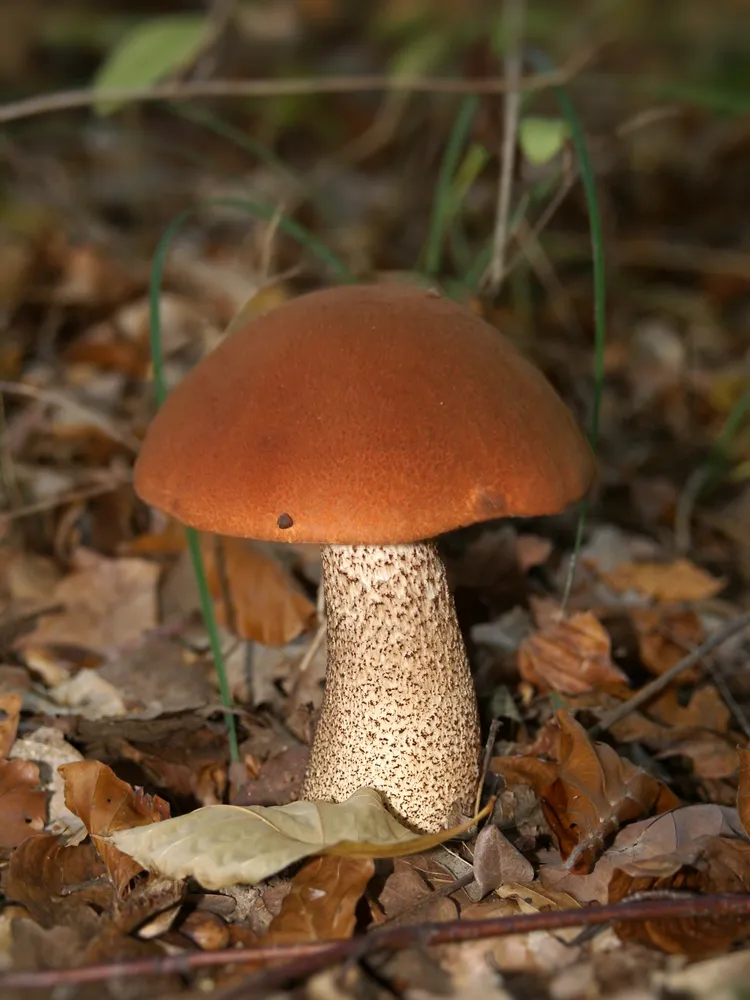
- **Red-capped scaber stalk** — a bright orange-red cap and firm flesh that turns blue when cut. A sturdy, handsome mushroom of aspen and mixed forests.
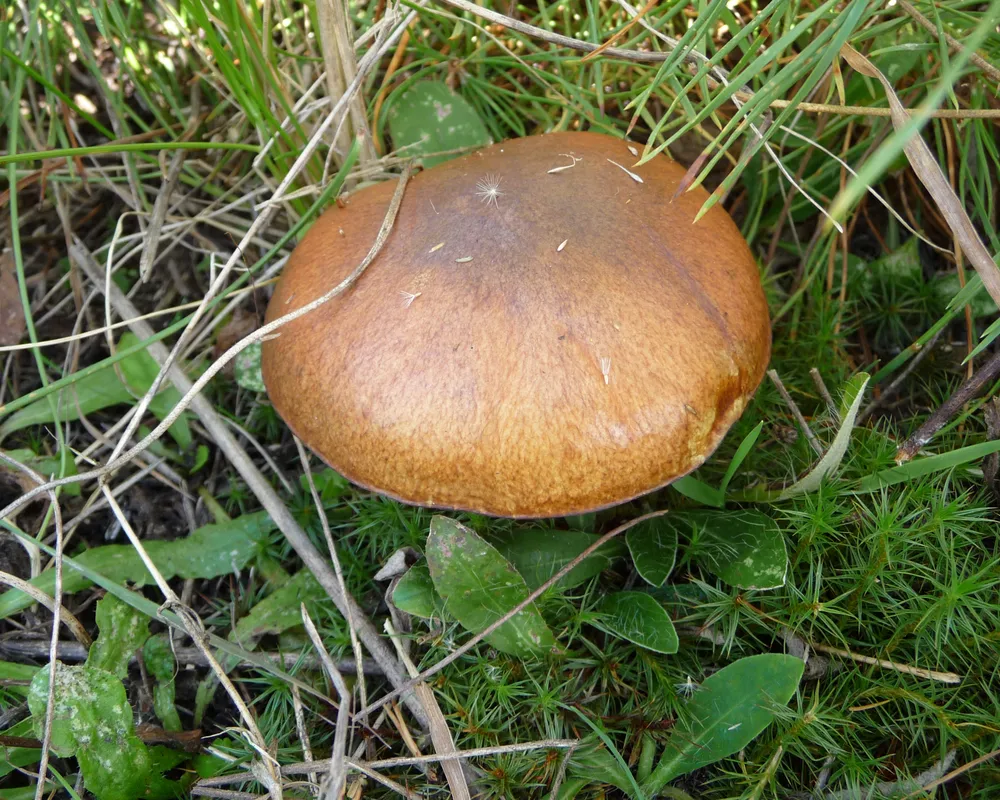
- **Slippery jack** — a slimy brown cap whose skin is peeled off. It grows in families among young pines. Details in the guide "the slippery jack, the most popular mushroom of the pine forest".
- **Suede bolete** — a dry, velvety cap in brownish or greenish shades and yellow pores that turn blue. It loves moss and light. More in the article "Xerocomus boletes: what kind of mushroom are they".
- **Bay bolete** — a dark chestnut cap and firm flesh that turns distinctly blue. Its flavor is close to porcini, and it's especially good in fall.
A general tip for pored mushrooms: avoid those with bright red or orange pores and a bitter or burning taste. These are signs of inedible species.
Gilled mushrooms
Gilled mushrooms have thin radial gills under the cap. It's a large and tasty group, but this is exactly where dangerous look-alikes turn up, so a little extra care never hurts.
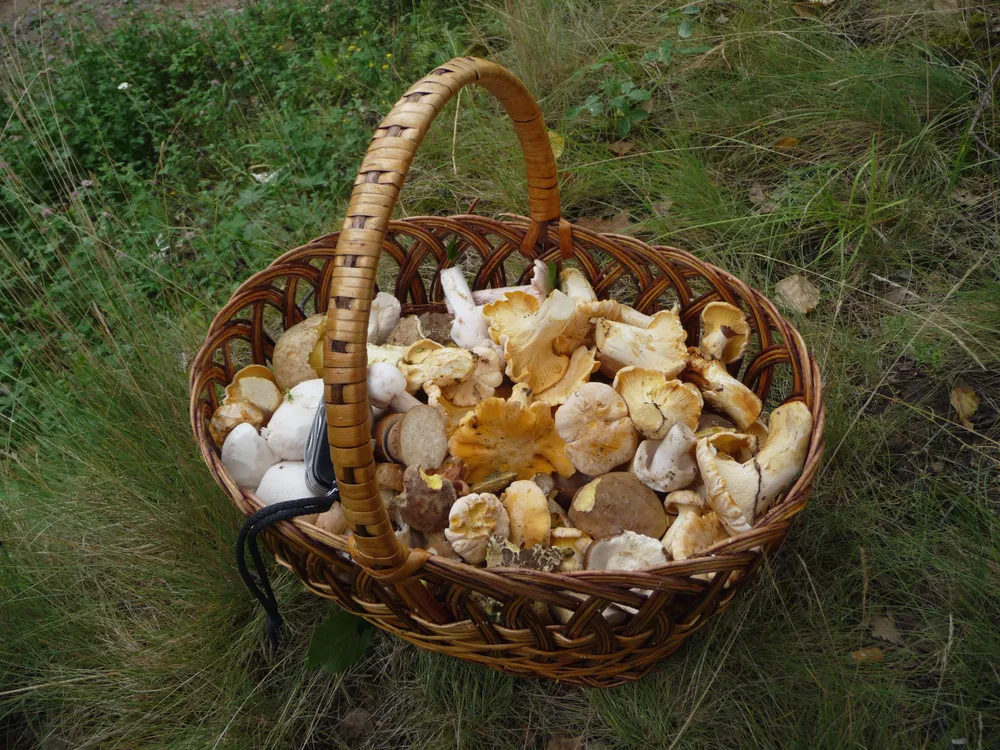
- **Chanterelle** — bright yellow, with wavy edges and false gills that run down the stem. It's almost never wormy. It grows in groups in mixed forests.
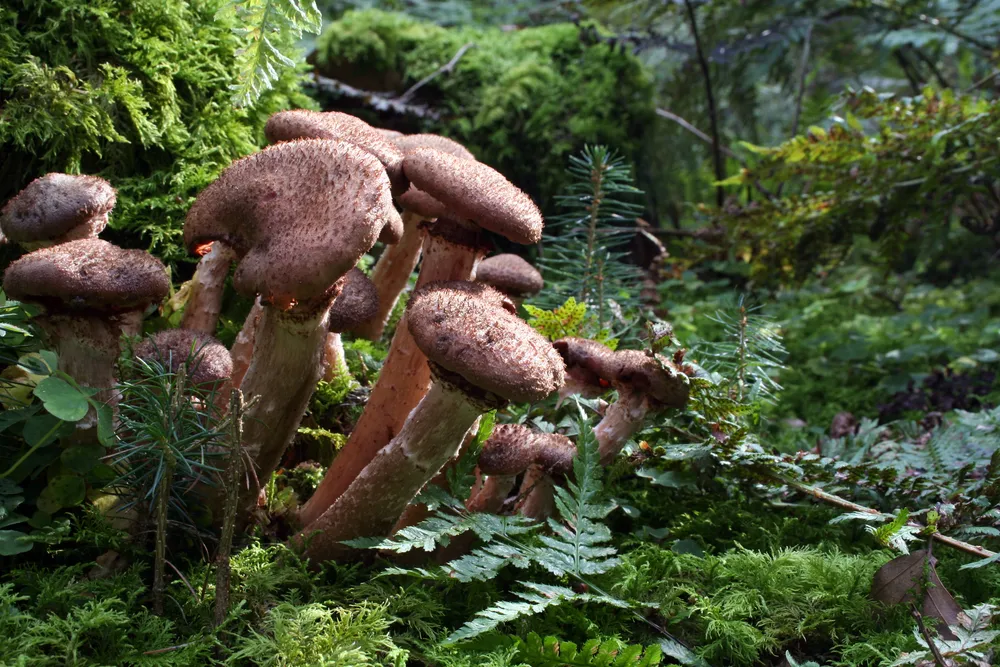
- **Honey fungus** — a small honey-colored mushroom with a ring on the stem; it grows in large families on stumps and roots. It's picked in late summer and fall.
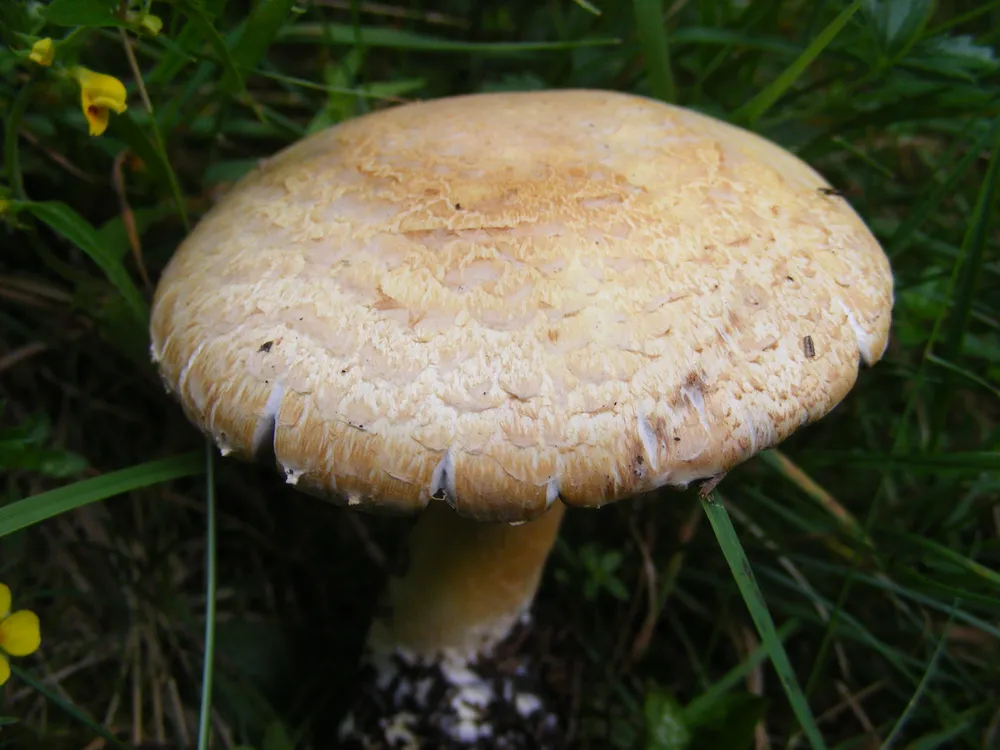
- **Blushing wood mushroom** — a brownish scaly cap and pink gills that darken with age. A close relative of the store-bought button mushroom.
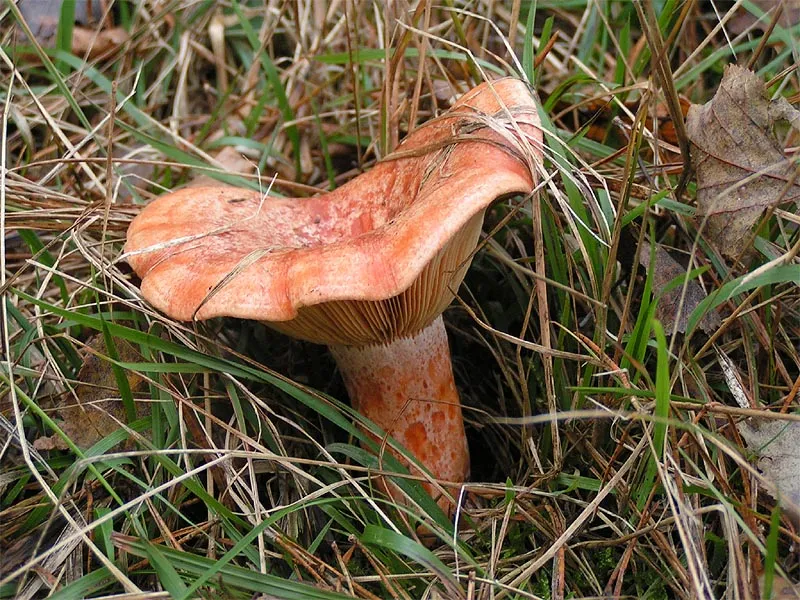
- **Saffron milk cap** — an orange-ginger mushroom of coniferous forests with concentric rings on the cap. When cut, it releases orange milk; excellent for salting.
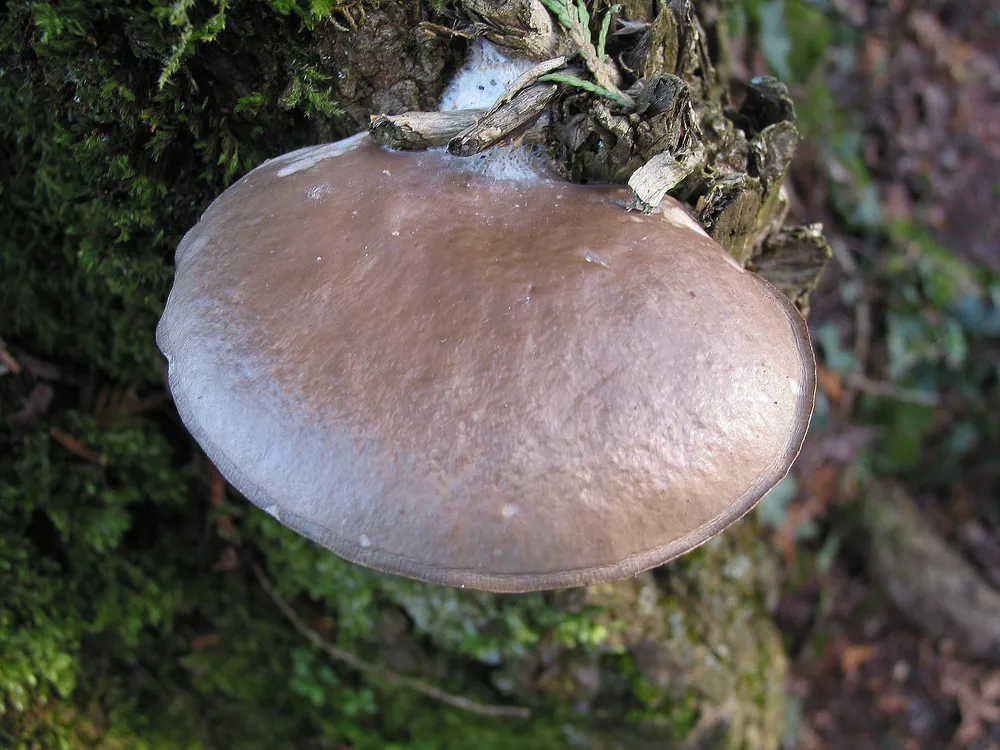
- **Oyster mushroom** — they grow in tiers on trunks and stumps. A gray or brownish-gray ear-shaped cap and tender flesh. You can find them even in late fall.
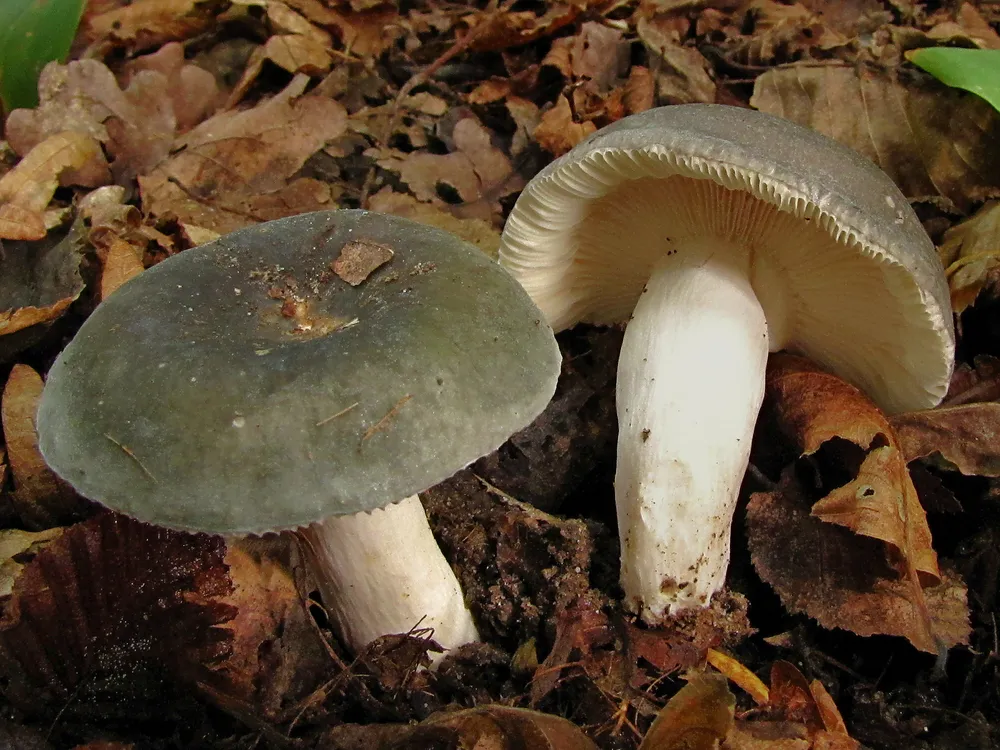
- **Charcoal burner** — one of the tastiest and safest brittlegills, with a greenish-blue cap. With brittlegills, the main thing is to avoid the acrid species with a burning taste.
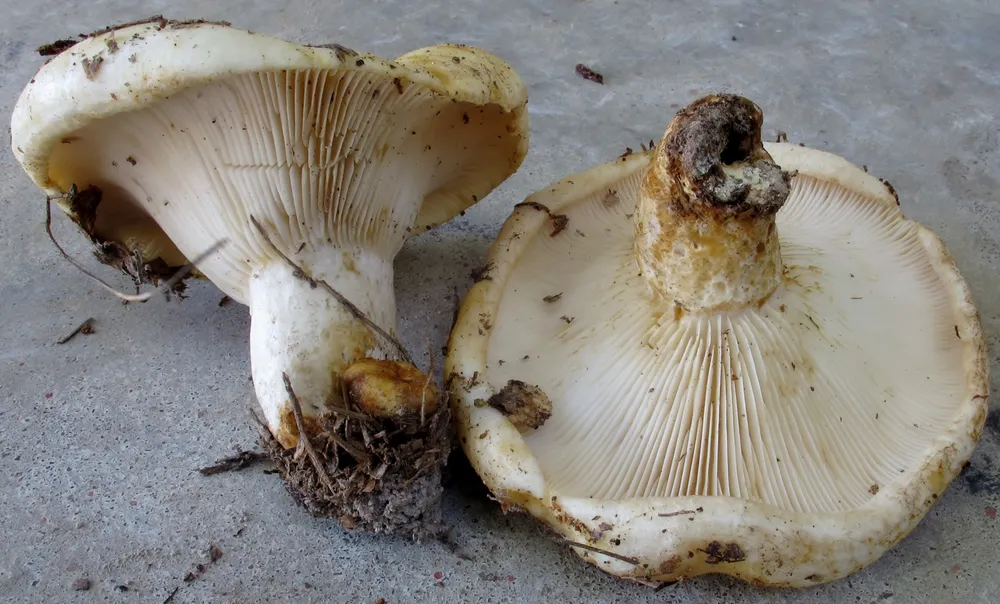
- **Lactarius resimus** — a white mushroom with a funnel-shaped cap and a fringed margin; it releases acrid white milk. Conditionally edible: it needs soaking and salting.
A stricter rule applies here: gilled mushrooms are the easiest to confuse with poisonous ones. If there's the slightest doubt about the species, the mushroom is not picked.
Sac fungi and others
Set apart are mushrooms that don't fit into the two previous groups, yet are also well known to foragers.
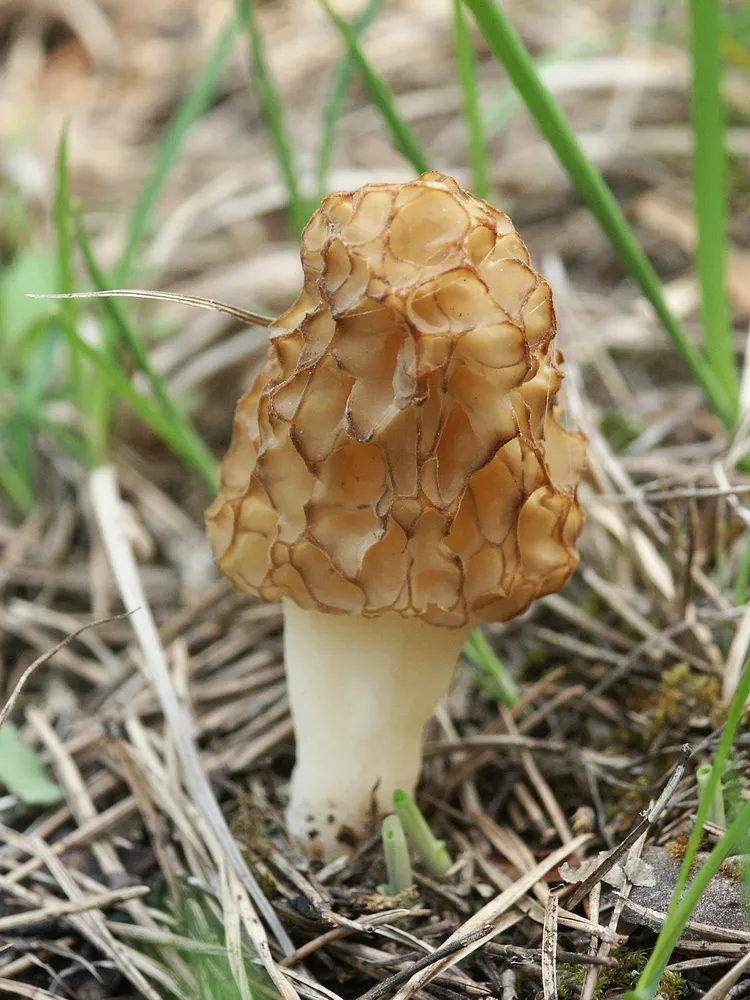
- **Common morel** — a spring mushroom with a pitted, honeycomb-like cap. Conditionally edible: it needs boiling before cooking.
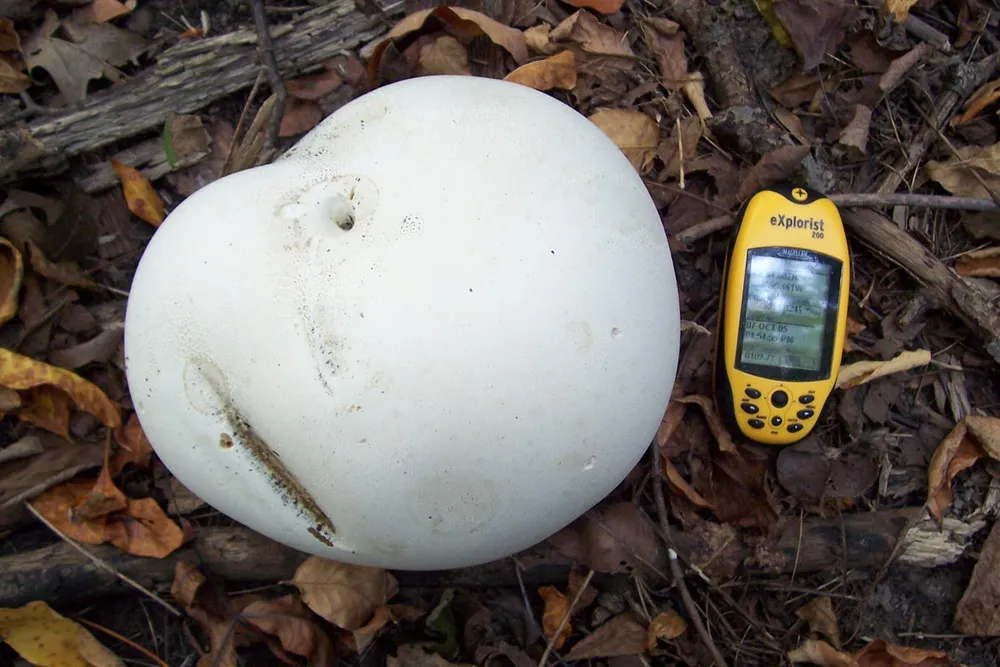
- **Giant puffball** — a big white ball in meadows and clearings. Edible while the flesh inside is white and springy. As soon as it turns yellow, the mushroom is already old.
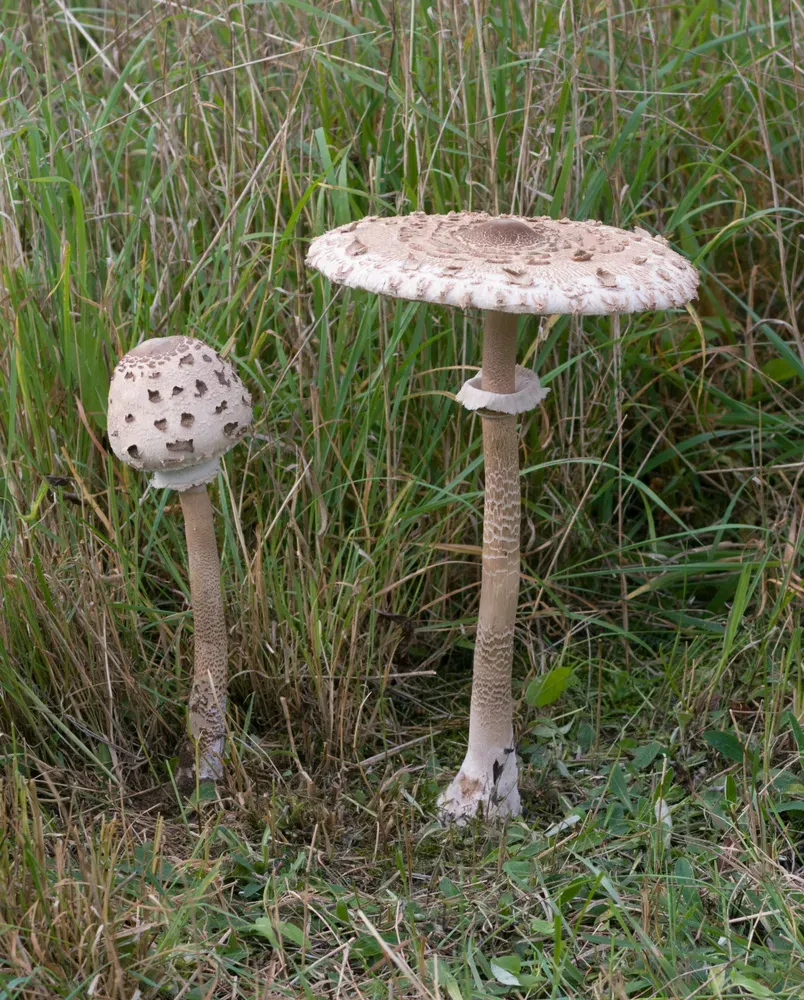
- **Parasol mushroom** — a tall mushroom with a scaly, umbrella-like cap and a movable ring on the stem. Delicious, but a beginner should study it well so as not to confuse it with poisonous species.
These mushrooms are less "mainstream", yet each is valuable in its own way and easy to recognize once you know the field marks.
How to tell an edible mushroom with confidence
Knowing the name and the look is half the job. The other half is mushroom caution, which keeps you healthy.
- Look at the whole set of features. A mushroom is identified by the shape and color of the cap, the type of underside (tubes or gills), the stem, the smell and the place it grows, not by a single feature.
- Check the underside of the cap. The tube layer or the gills, their color and how they react to touch tell you a lot about the species.
- Don't taste unfamiliar mushrooms. At most, you might touch it with the tip of your tongue to check for bitterness or heat in clearly edible genera, and even then without swallowing.
- Don't pick old or wormy mushrooms. Even an edible mushroom, when overripe, can spoil a dish.
- In doubt? Leave it. This is the main rule, and it has no exceptions.
Be especially careful with gilled mushrooms, and always pass by specimens with a bulb at the base of the stem and white gills: that's what the most dangerous poisonous mushrooms look like.
When and where to look for edible mushrooms
In Ukraine, mushroom season runs from spring until the first lasting frosts. Morels open it in April and May, and the main wave comes in summer and fall.
Most edible mushrooms love mixed, coniferous and deciduous forests, forest edges, clearings and mossy patches. They come up all together a few days after a warm rain, once the ground has soaked up moisture and warmed up.
So you don't head into the forest at random, check our mushroom radar: it shows when moisture and warmth line up well for mushrooms to appear. It's more accurate than any calendar and saves you more than one wasted walk.
Sources
- "Vyznachnyk hrybiv Ukrainy" (Identification Guide to the Mushrooms of Ukraine; Kyiv, Naukova Dumka publishing house).
- Boletus edulis on GBIF, the global biodiversity database.
- Fungi on MycoBank, the international fungal nomenclature database.
- Edible mushroom on Wikipedia.
Frequently asked questions
Which mushrooms are safest for a beginner?
The easiest and safest place to start is with pored mushrooms: , , , and . They have few dangerous look-alikes, and their field marks are clear.
How do you tell an edible mushroom from a poisonous one?
Look at the whole set of features: the shape and color of the cap, the type and color of the underside, the stem, the smell and the place it grows. Avoid mushrooms with a bulb at the base of the stem and white gills. In doubt? Leave it.
Can you identify a mushroom from a photo alone?
A photo helps narrow things down, but for a confident ID you need to examine the mushroom in your hands: the underside of the cap, the stem, the flesh when cut, the smell. That's why photos in a field guide should be backed up by a real-life inspection.
Which edible mushrooms appear earliest?
The season opens with spring in April and May. Later come summer , and the first .
Which mushrooms are almost never wormy?
Most often, the ones that stay clean are : a special substance in the flesh repels larvae. That's why they're convenient to pick even in warm weather, when other mushrooms quickly get wormy.
Can every mushroom on this list go straight into the frying pan?
Not all of them. and are conditionally edible: they're boiled or soaked first. The rest of the list is fine for frying after ordinary cleaning.
Where is the best place to look for edible mushrooms?
On the edges of , and forests, in clearings and on mossy patches. Mushrooms come up most abundantly a few days after a warm rain.
How do you know when to go mushroom picking?
Keep an eye on warmth and moisture, because they're what trigger mushrooms to appear. A handy guide is our : it shows when conditions are lining up well and suggests the best days for a trip to the forest.
Mushrooms in this article
Related articles
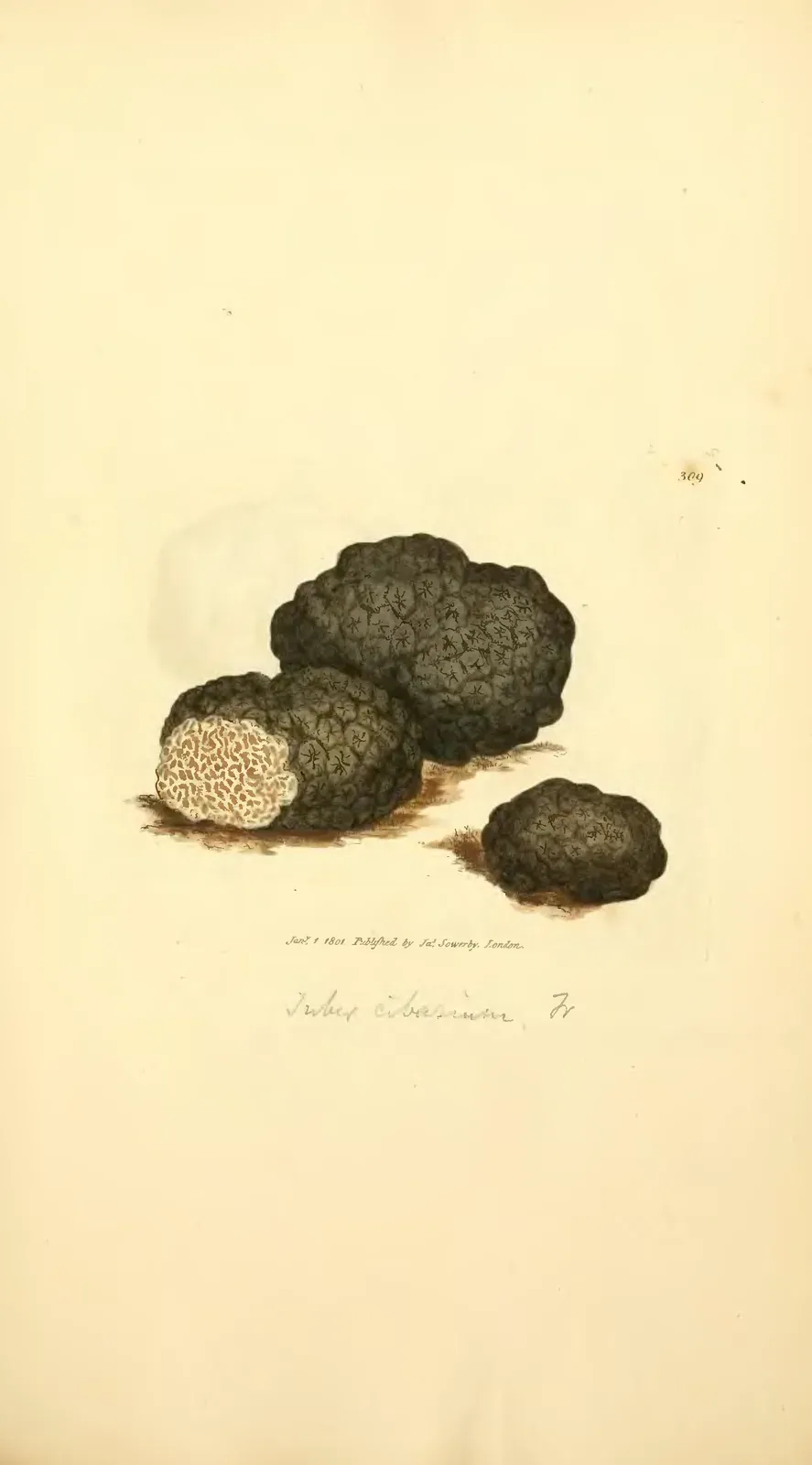 How to identify
Truffles in Ukraine: do they grow here, and where to look
Truffles aren't just a French delicacy. Several species grow in Ukraine too. Here's which ones, where they occ…
August 24, 2026·2 min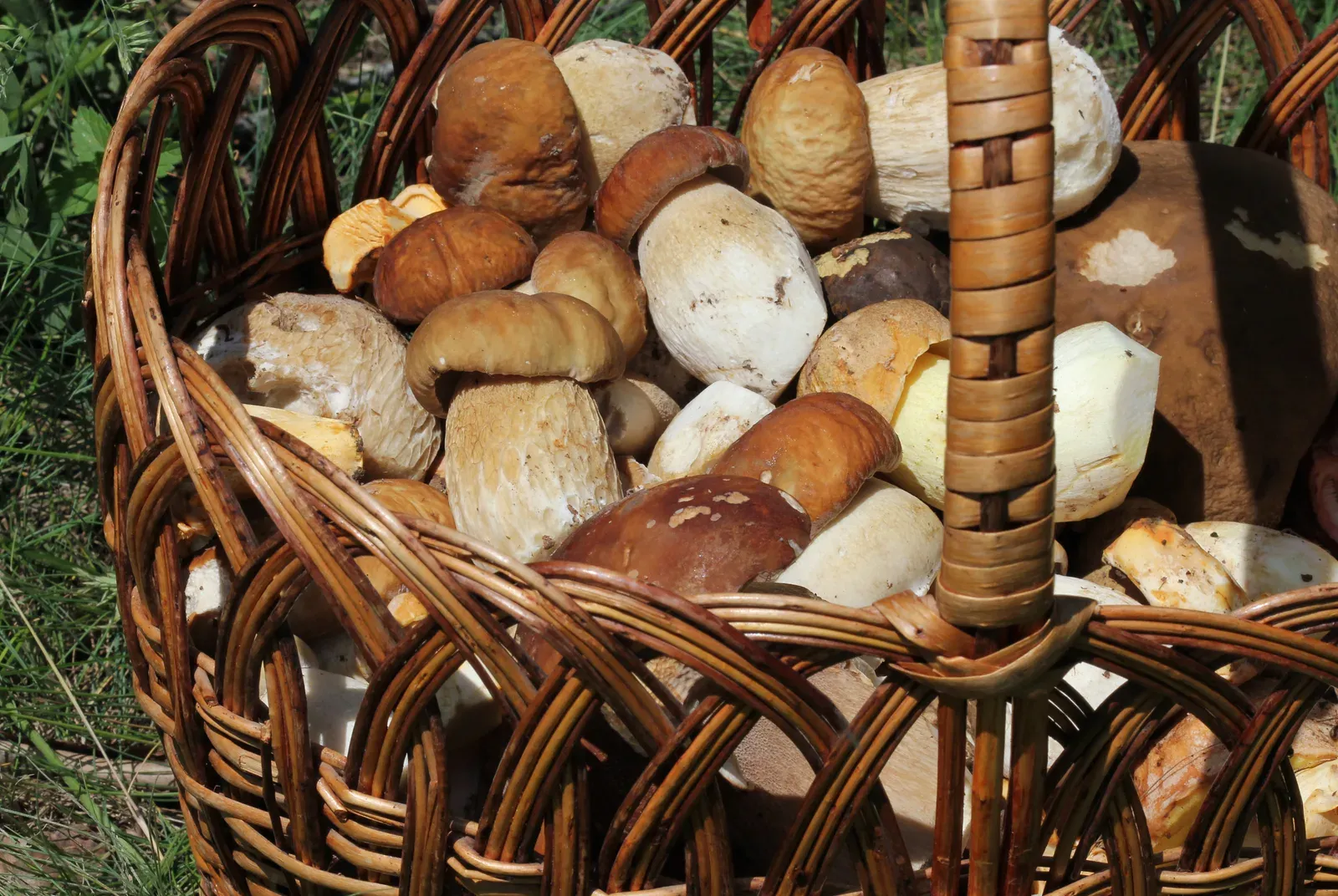 Recipes & cooking
How to store fresh mushrooms, and for how long
Fresh mushrooms spoil faster than you might think. Here's how long they keep in the fridge, how to store them…
August 21, 2026·4 min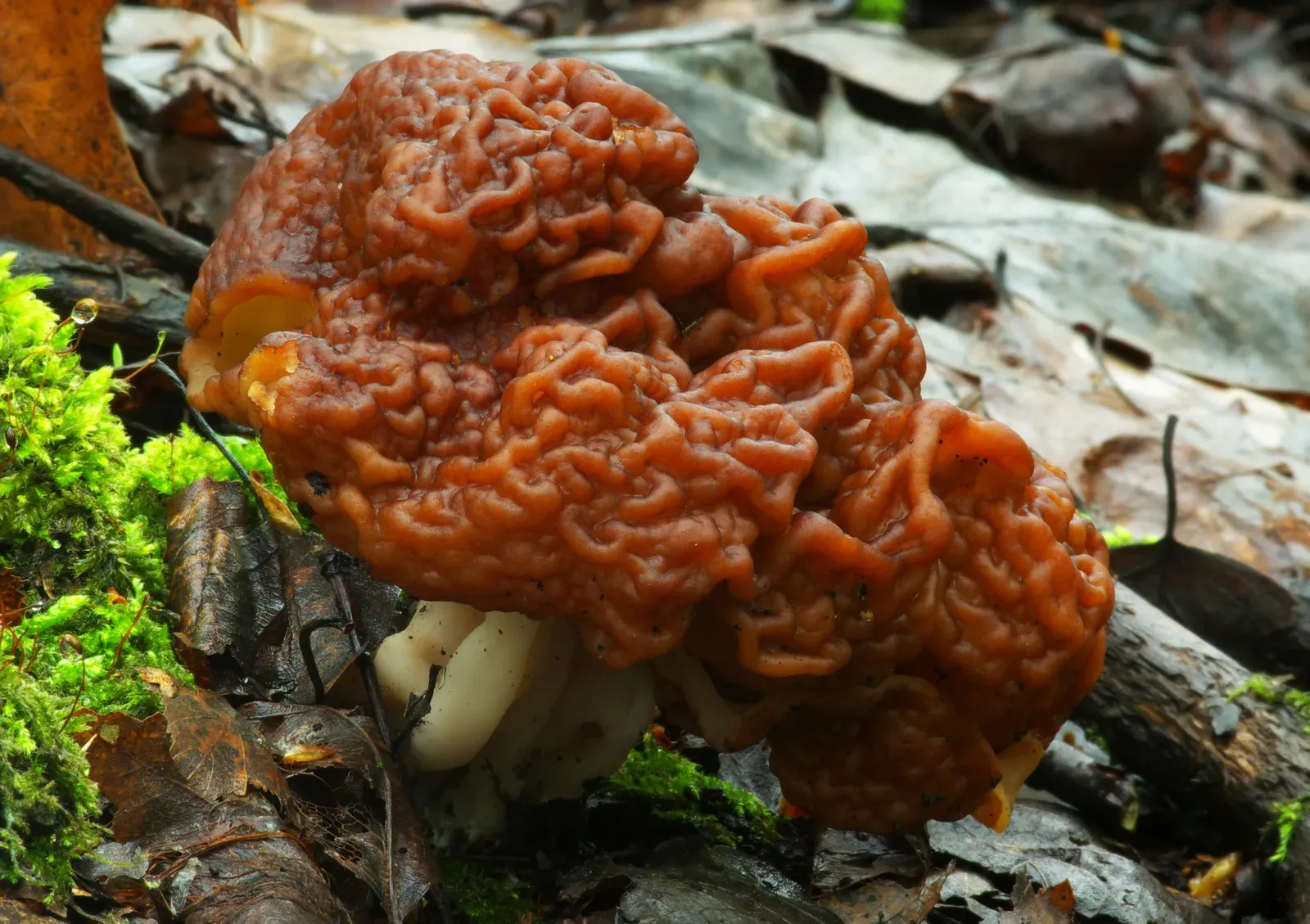 Safety
False morel: why this spring mushroom is dangerous
The false morel looks like a morel, but it contains a poison. Here's how to recognize it, why it's dangerous a…
August 24, 2026·2 min