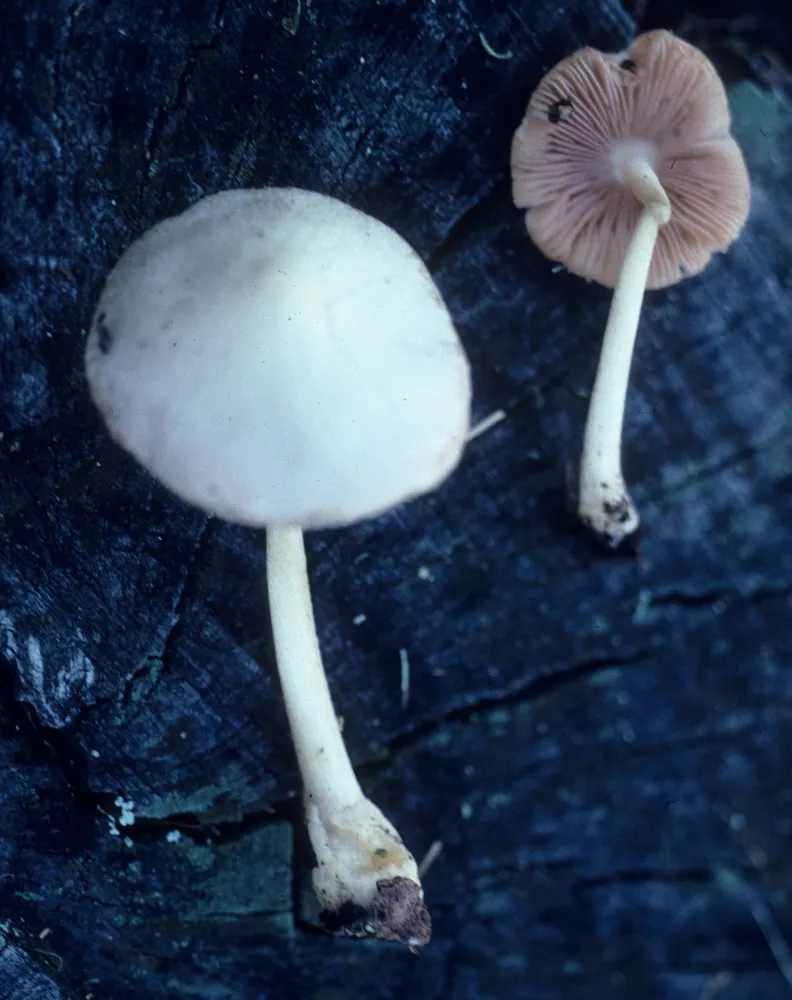
Volvariella hypopithys
Expert-verifiedUpdated October 3, 2026
Passport
- Edibility
- Unknown
- Season
- Jun — Sep
- Hymenophore
- Gilled
- Cap color
- White
- Size
- Small (up to 5 cm)
- Smell
- Odorless
- Reviewed
- Yes ✓
Quick answers
Where to look?
Conifer forest, Mixed forest
When does it appear?
Jun — Sep
Active months: June, July, August, September.
How to recognize it? Three signs
- Cap color: White
- Cap shape: Convex
- Smell: Odorless
Fruiting season
June – September
Description
Volvariella hypopithys is a small gilled mushroom that lives quietly in conifer and mixed forests. It looks modest: a little white cap 2-3 cm across on a thin stem, with a characteristic sac-like volva at the base. Single fruiting bodies are easy to miss among the needles and moss.
The edibility of this species hasn't been reliably established — classic field guides list it as “no data.” We do NOT recommend picking it: low food value plus the risk of confusing it with dangerous relatives (young amanitas) make it a “mushroom for photos,” not for the basket. If you come across one — observe it, photograph it, and leave it where it is.
In Ukraine it grows in conifer and mixed forests, sometimes in city parks with conifers. It turns up sporadically, rarely in large groups. Precise regional data are limited — the species is poorly studied.
Cap
Cap 2-3.5 cm, bell-shaped at first, then flattened with a small umbo in the center. White, with a matte, silky surface. Sometimes with fine radial fibers. The margin is thin and slightly torn in mature mushrooms.
Hymenophore
Gilled hymenophore. Gills free (not attached to the stem), moderately spaced. White at first, turning brownish-pink with age from the color of the spores. Spore print pink or pinkish-brown — typical of the genus.
Stem
Stem 3-5 cm tall, 2-4 mm thick, slender, cylindrical, white, smooth. No ring. At the base there's a dense white volva hugging the stem tightly, like a little sac.
Flesh
The flesh is thin, white and delicate. It doesn't change color when cut. The texture is very fragile — the mushroom breaks at the slightest touch.
Smell
No distinct smell, faintly mushroomy. Indistinct taste. Don't taste it — its edibility is unknown.
›Scientific synonyms (1)
Volvaria hypopithys Fr.
Lookalikes
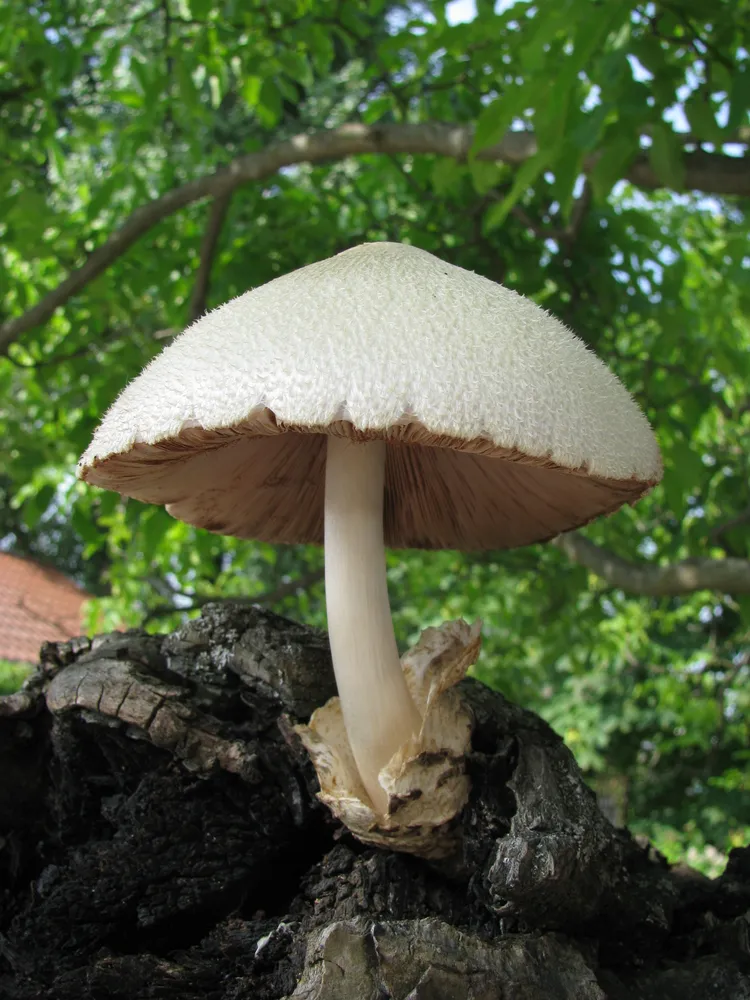
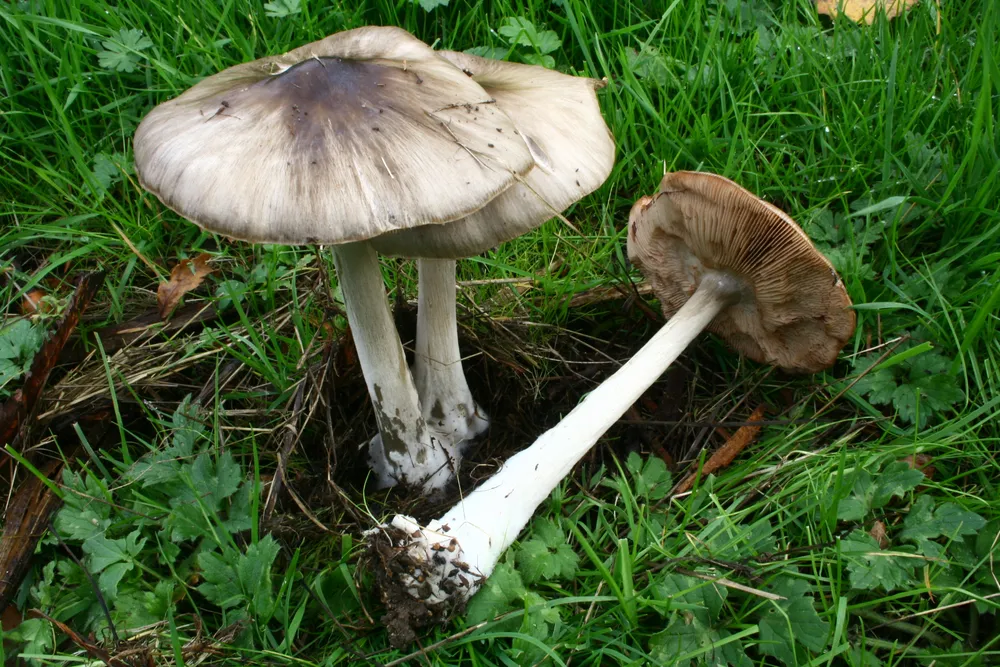
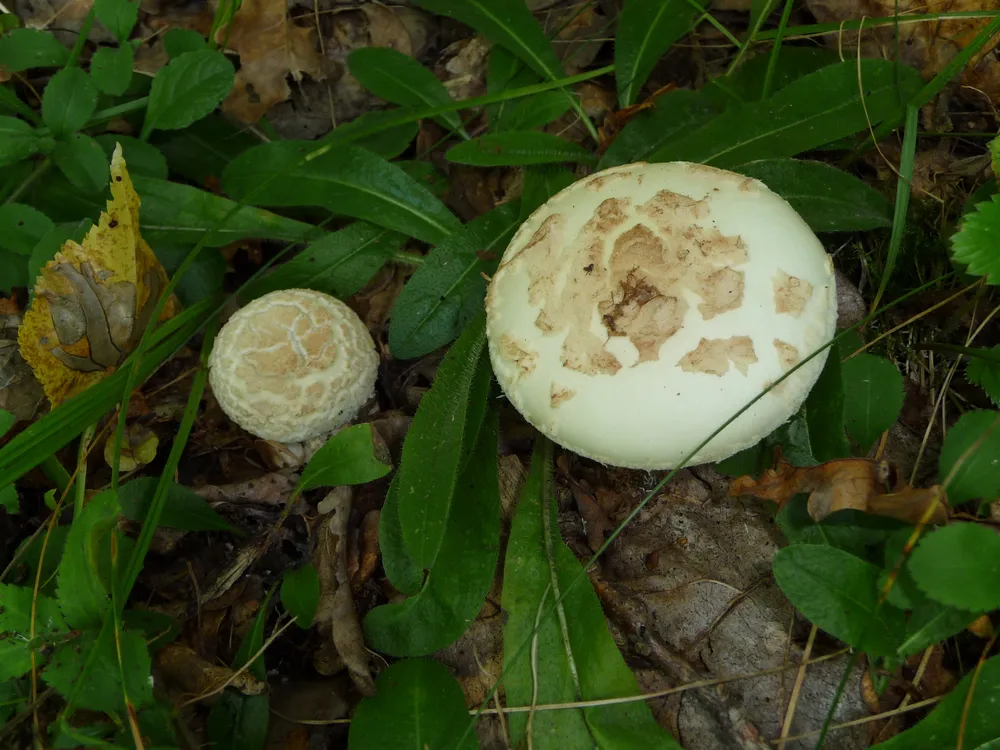
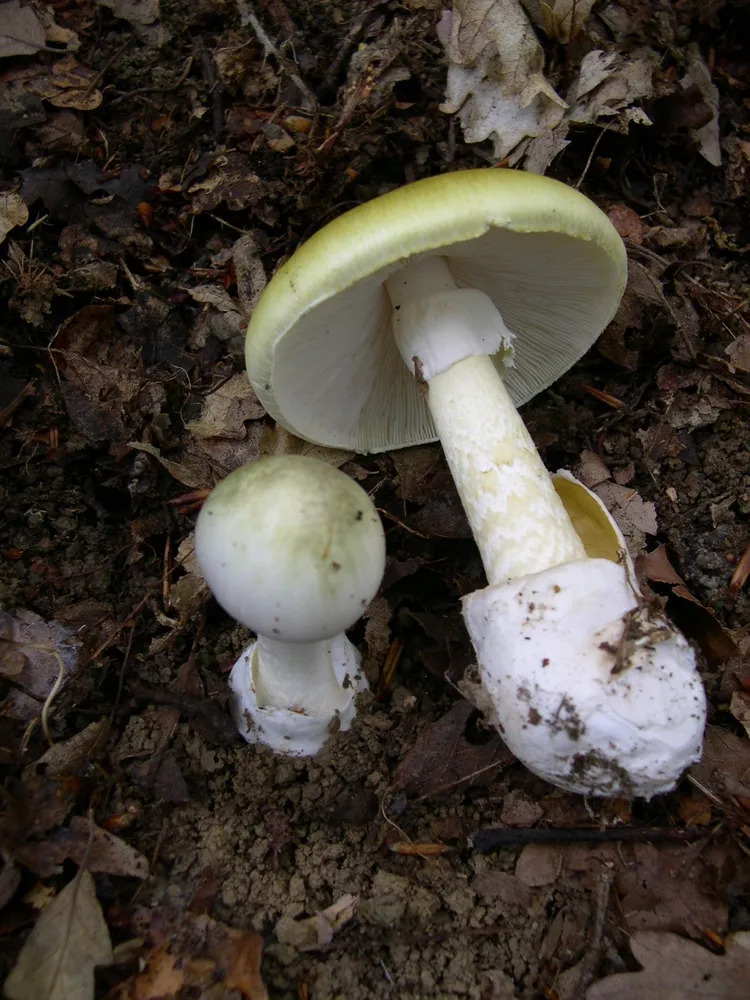
Related species
Mushrooms of the same genus and habitat — to study side by side and never mix up.
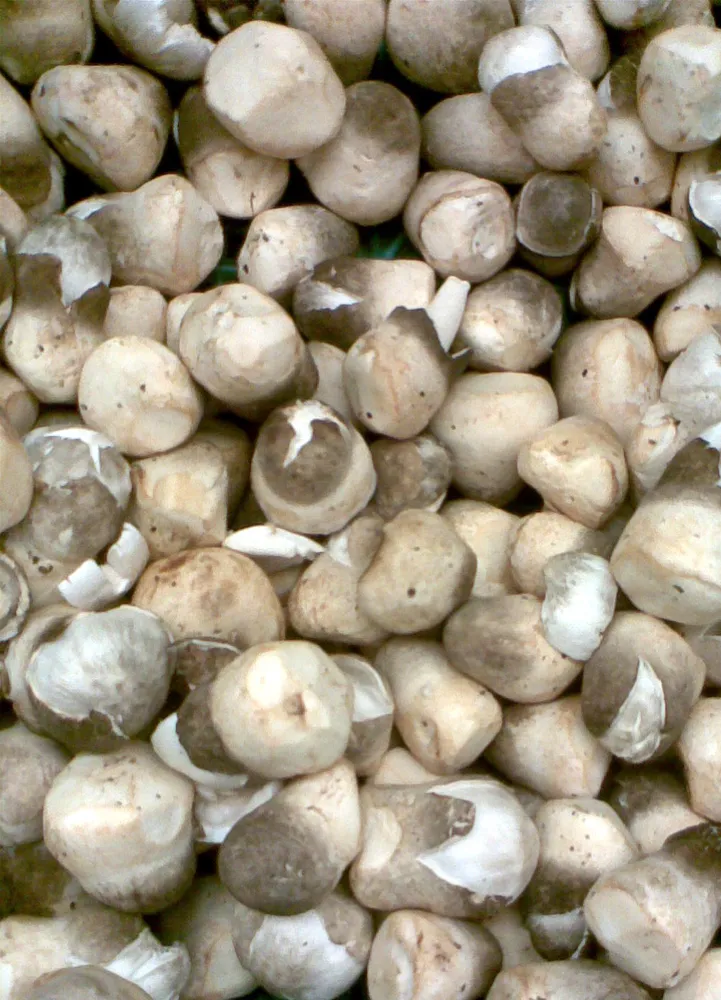
Paddy straw mushroom
Volvariella volvacea
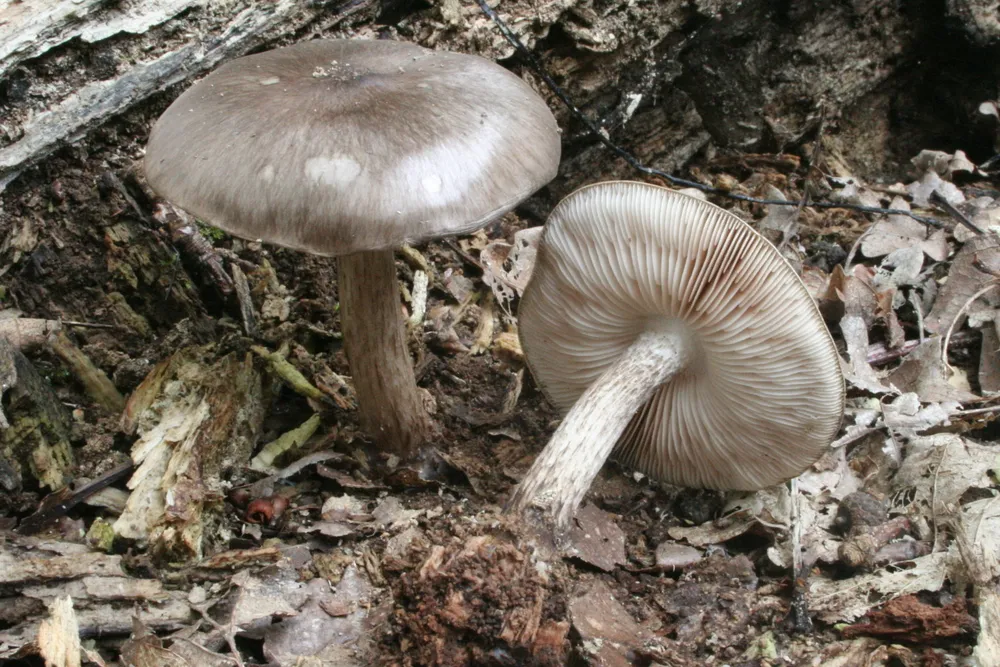
Deer shield
Pluteus cervinus
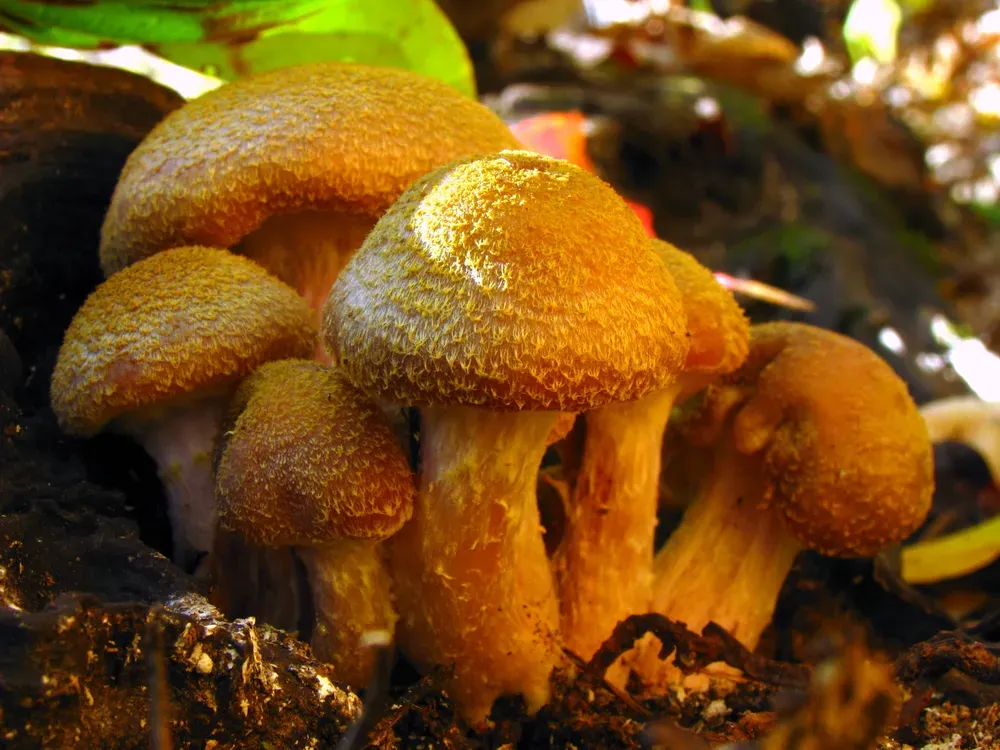
Bulbous honey fungus
Armillaria gallica
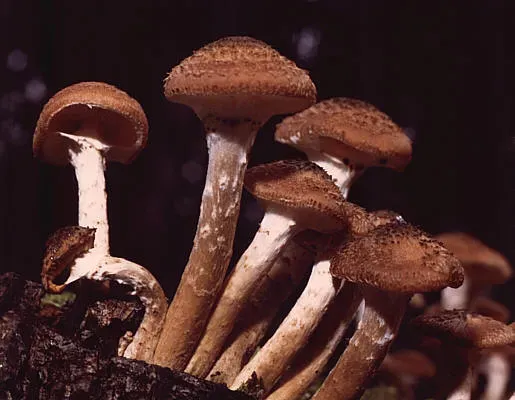
Dark honey fungus
Armillaria ostoyae
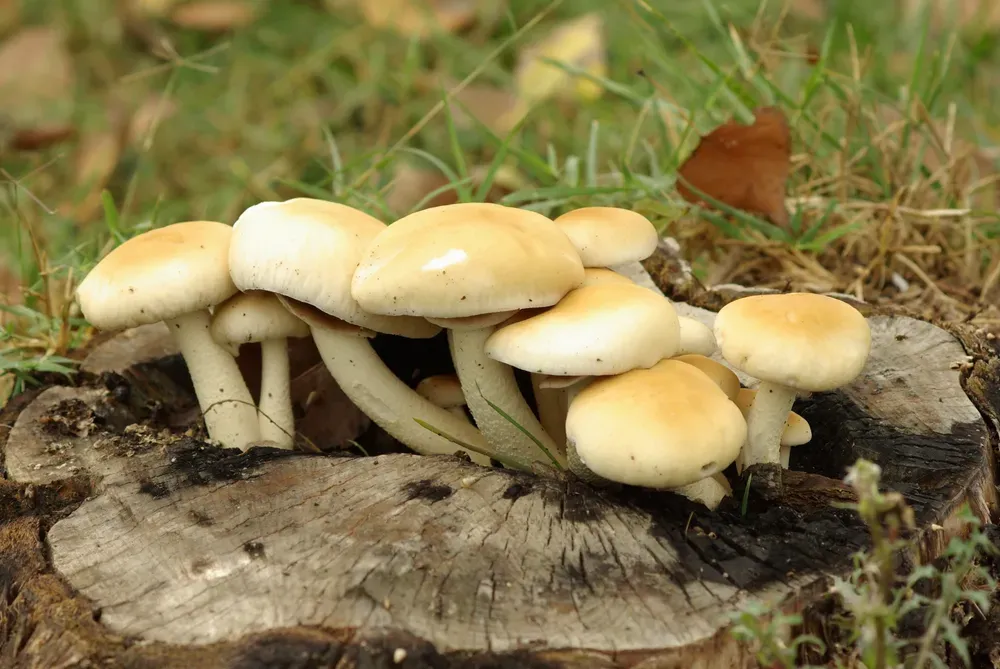
Poplar fieldcap
Cyclocybe aegerita
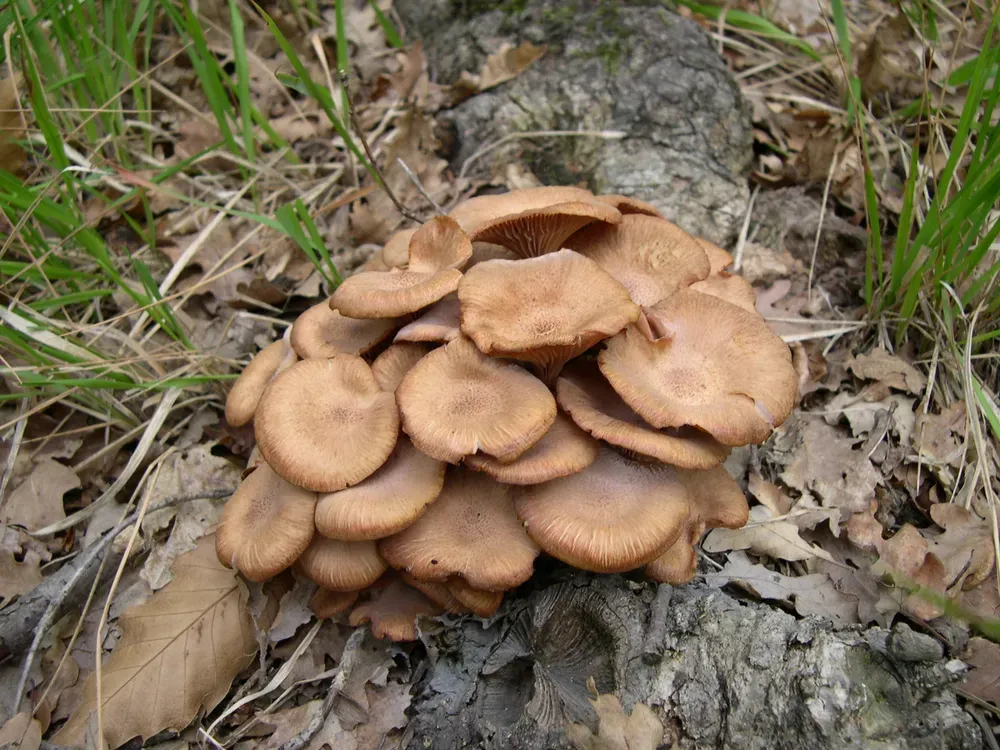
Ringless honey fungus
Desarmillaria tabescens
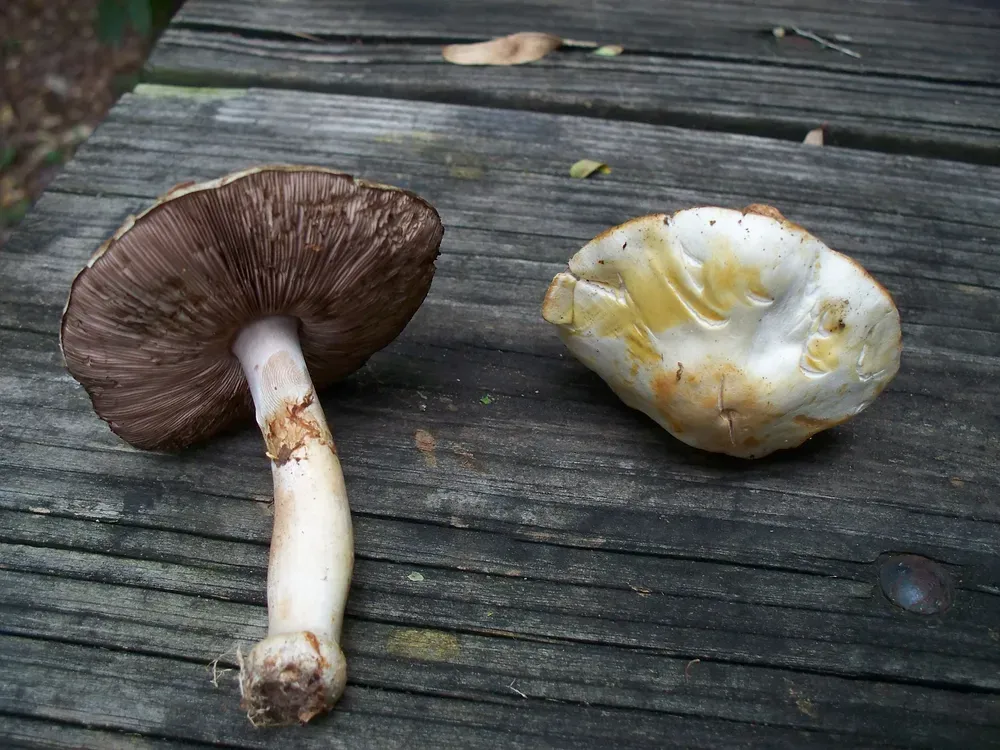
Agaricus abruptibulbus
Agaricus haemorrhoidarius
Agaricus haemorroidarius
Frequently asked questions
Can you eat it?
We don't recommend it. Its edibility hasn't been reliably established in field guides, its food value is low, and the risk of confusing it with dangerous amanitas is real. This is a mushroom to observe, not to put in your basket.
Is it dangerous just to touch it?
No, it's safe to touch — there are no toxic secretions on its surface. But as with any wild mushroom, it's best to wash your hands before eating after handling it.
Where should you look for it?
In conifer and mixed forests, on needles and leaf litter, among moss. Sometimes in city parks with conifers. It loves shady, damp spots with well-decomposed litter.
Which regions of Ukraine does it grow in?
Throughout the forest zone wherever there are conifer stands — the Carpathians, the Carpathian foothills, Polissia and Prykarpattia. In the steppe and Forest-Steppe it's much rarer, found only in planted pine stands.
When does it appear?
From June to September, but exact dates are poorly documented. Like other Volvariellas — after good rains in a warm summer.
Can you find it in autumn?
Yes, the odd one turns up in September. But late frosts quickly end its season — it's not a late-autumn species.
What is it confused with?
With small amanitas (in particular, Amanita citrina and A. phalloides at a young stage). The key difference: Volvariella has no ring on the stem, while amanitas do have one (sometimes barely visible in young ones). Amanitas' white gills do NOT turn pink; Volvariella's do turn pink with age.
How do you tell it from other small gilled mushrooms?
The main feature is the sac-like volva at the base of the stem. Most genera of small gilled mushrooms (Mycena, Marasmius, Collybia) have no volva at all. Dig the stem out down to its base — if there's a “cup,” it's a Volvariella or an amanita.
Is Volvariella hypopithys edible or poisonous?
Does Volvariella hypopithys have gills or pores?
What does the cap of Volvariella hypopithys look like?
What does the stem of Volvariella hypopithys look like?
Sources
- [1]Вікіпедія (українська)
- [2]Атлас грибів України, Зеров Д.К. (1979)
- [3]MycoBank Database
- [4]Index Fungorum
- [5]GBIF
- [6]iNaturalist Ukraine